







Search Results for: riding the hype marketing
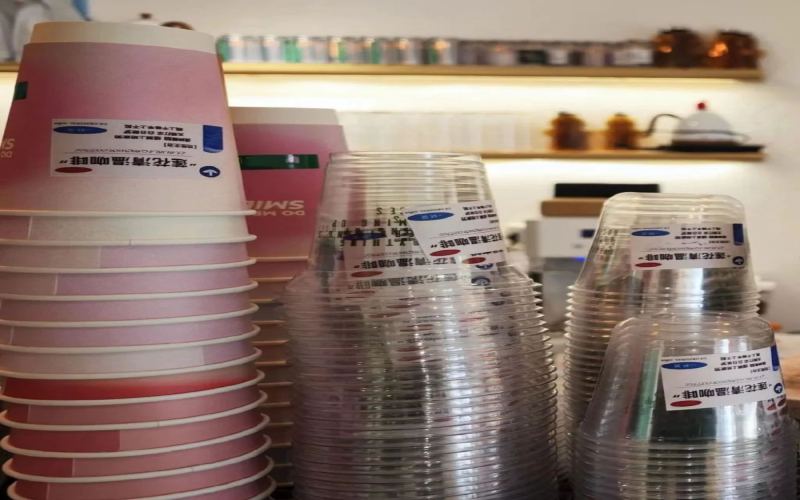
Coffee shop investigated for piggybacking on Lianhua Qingwen hype, Qingpu Market Supervision Bureau files case over unfair competition practices
Recently, a coffee shop in Qingpu District, Shanghai, was investigated by market regulators for attaching "Lianhua Qingwen Coffee" labels to its drink cups. The shop began selling such labeled drinks on December 19, 2022, and authorities seized 290 labeled paper and plastic cups on site, along with 1,058 unused labels. The shop claimed that customers suggested it "play on the meme" for marketing, but enforcement officials pointed out that this kind of behavior could easily lead consumers to mistakenly believe the product had a specific connection with Lianhua Qingwen, and it was suspected of unfair competition. It is worth noting that coffee itself may have a certain auxiliary effect on relieving cold symptoms, but it is by no means a substitute for medication. Front Street Coffee reminds all enthusiasts to view coffee's effects rationally and not to blindly follow trends. [more…]
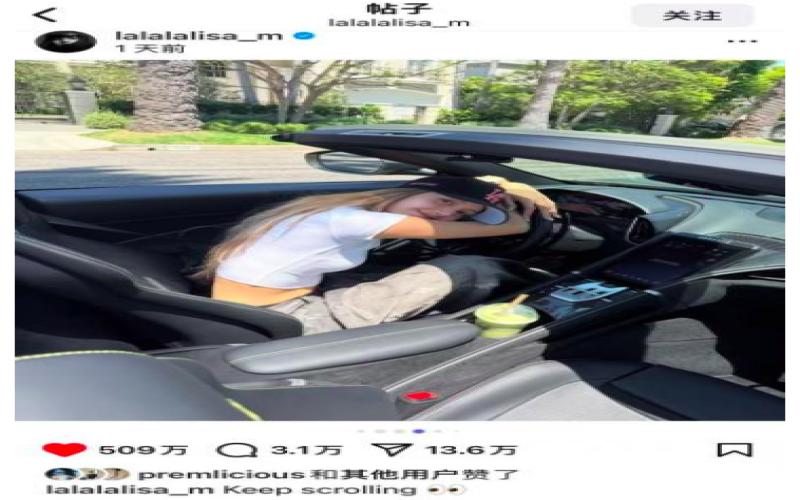
Lisa's photo sparks hype for Heytea's matcha series, but global buy-one-get-one-free promotion stirs controversy over ingredient shortages
Blackpink member Lisa inadvertently showed off a cup of Heytea's Triple Thick Matcha on social media, quickly sparking global fan attention. Multiple Heytea overseas official accounts swiftly claimed it and seized the moment to launch a "Lisa Custom Edition," then further rolled out a buy-one-get-one-free matcha series promotion at stores worldwide. However, on the day of the promotion, consumers in many parts of China found that the matcha drinks were sold out early, and some even received incorrectly made beverages. Stores explained that ingredients were consumed too quickly and prep took time, but some fans were not buying it, arguing that if the brand wanted to ride a celebrity's hype, it should have prepared adequately in advance. [more…]
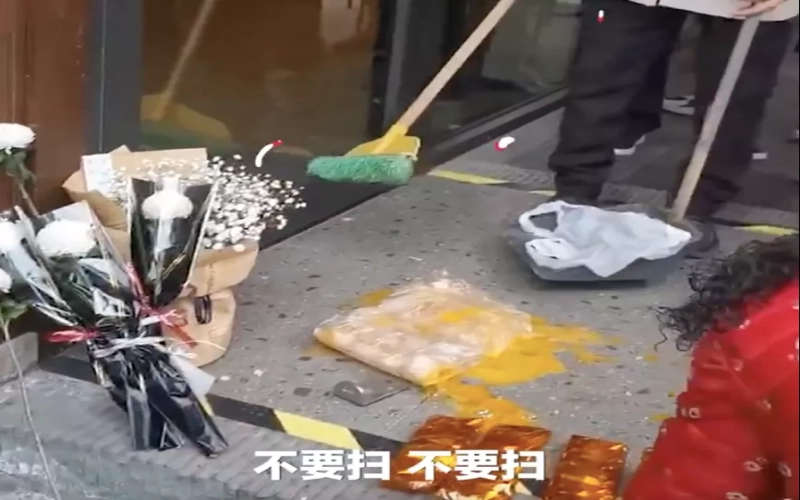
Mixue Bingcheng leverages the Starbucks police incident for marketing, Snow King banners and Lucky Cup tactics spark netizen controversy
Starbucks has recently been caught in successive public opinion storms due to driving away on-duty police officers and product price increases, with some consumers even expressing their dissatisfaction by sending white flowers and throwing eggs. Just at this time, several Mixue Bingcheng stores in Yinchuan, Ningxia, hung banners welcoming on-duty police officers to rest inside, which was seen by the outside world as opportunistic marketing. Although this move won praise from some netizens, who said it showed great vision and relied entirely on the contrast with peers, it also attracted criticism for malicious marketing and suspicion of being a publicity stunt. Subsequently, the market manager, worried about triggering guided public opinion, notified the stores to take down the banners. Mixue Bingcheng has always used simple and direct marketing methods, from catchy songs to donations and now to this banner response, with an obvious intention to ride hot topics. [more…]
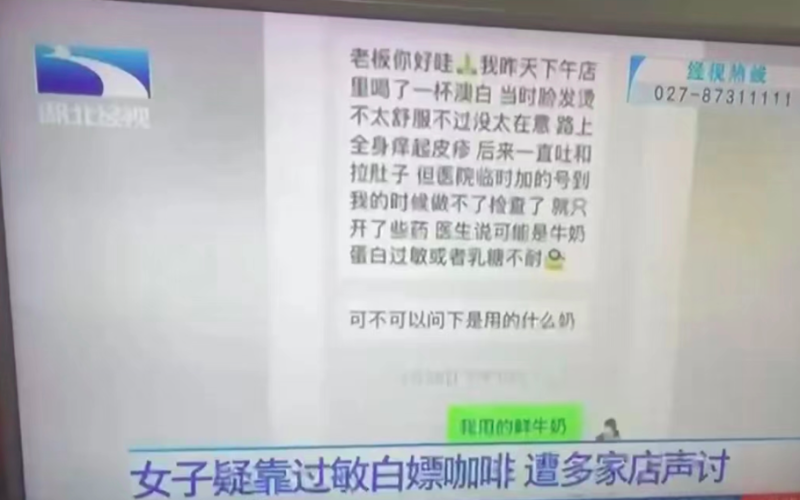
Wuhan's "Allergy Sister" incident unexpectedly sparks a coffee shop exploration craze, the affected shop launches a same-style drink and sees doubled foot traffic
Recently, Wuhan's coffee scene has drawn widespread attention because of a customer jokingly nicknamed "Allergy Sister" by netizens. Claiming allergic reactions after drinking, this customer demanded refunds from 41 coffee shops in succession. After the incident came to light, it not only prompted the affected shops to jointly call the police, but also unexpectedly sparked a wave of store-visiting enthusiasm. Many coffee lovers and out-of-town tourists flocked to the shops involved to spend in support, and some shops seized the moment to launch "Allergy Sister's same drink," causing business to pick up noticeably. Is this carnival of traffic, evolved from a negative event, a short-term fad or a long-term turnaround? Let us learn about the ins and outs of the incident and its impact on Wuhan's coffee industry. [more…]
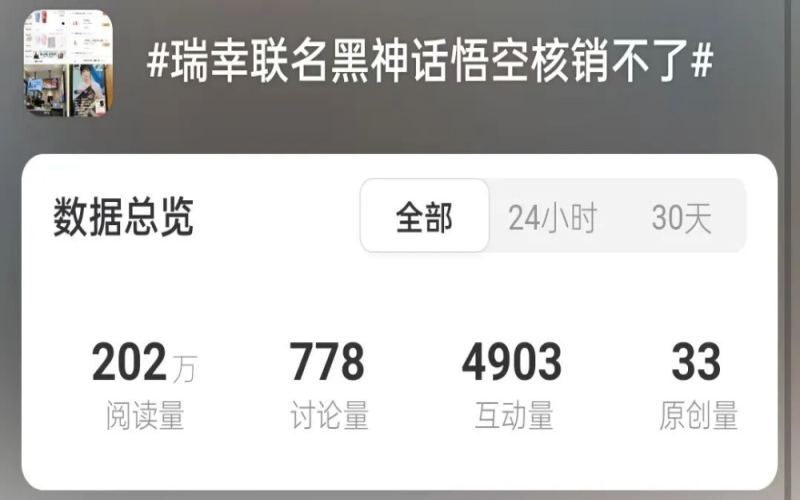
Luckin Coffee's "Black Myth: Wukong" collaboration crashed its system on the first day, with merchandise selling out instantly and sparking a collective backlash from gamers.
This Monday, Luckin Coffee's collaboration event with the domestic AAA game Black Myth: Wukong officially launched. However, on the first day, issues such as ordering system failures, merchandise selling out instantly, and redemption anomalies pushed it onto Weibo's trending topics. Players stayed up late to wait and got up early to snap up items, only to encounter situations like "sold out," "unable to redeem," and "stores not receiving stock," with complaints flooding social media. Meanwhile, collaboration posters were being resold at high prices on second-hand platforms. Luckin officially responded later that the system had been repaired and issued a restocking notice, with an estimated production cycle of about 15 days. This article reviews the complete process of this collaboration event and consumer feedback. [more…]
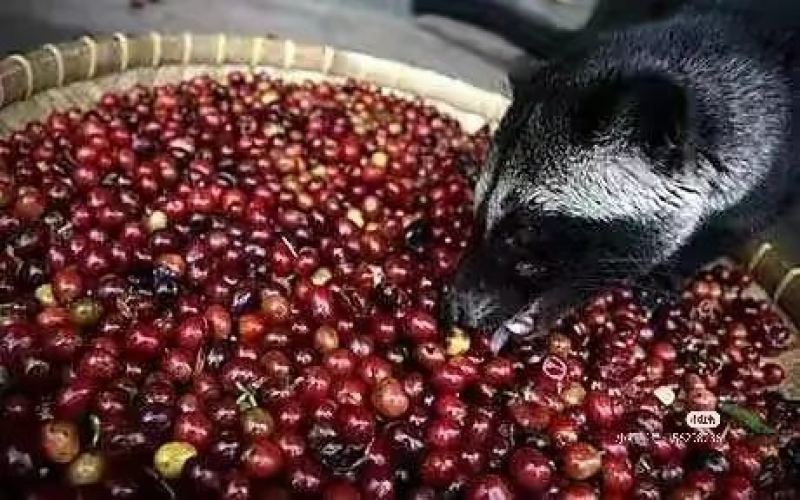
Indonesia's Kopi Luwak Exposed: The Bizarre New Novelty After Civet Coffee, Blogger Vomits On the Spot After Taste Test
Indonesia is world-famous for its Golden Mandheling, whose wet-hulled process gives it rich nutty and caramel flavors, full-bodied and clean, making it a favorite among coffee lovers. But besides Mandheling, the region also has a high-priced novelty coffee—Kopi Luwak, made from coffee beans excreted after digestion by civets. Due to limited production and strong market demand, locals have actually taken a different approach, using the excrement of other animals and even humans as raw material to make coffee, and thus human feces coffee was born. Recently, a blogger spent a large sum to buy and taste it, and vomited uncontrollably as soon as it touched his lips, sparking heated discussion among netizens. What exactly lies behind the industry chain and controversies of this kind of special coffee? This article will reveal the ins and outs of human feces coffee for you. [more…]
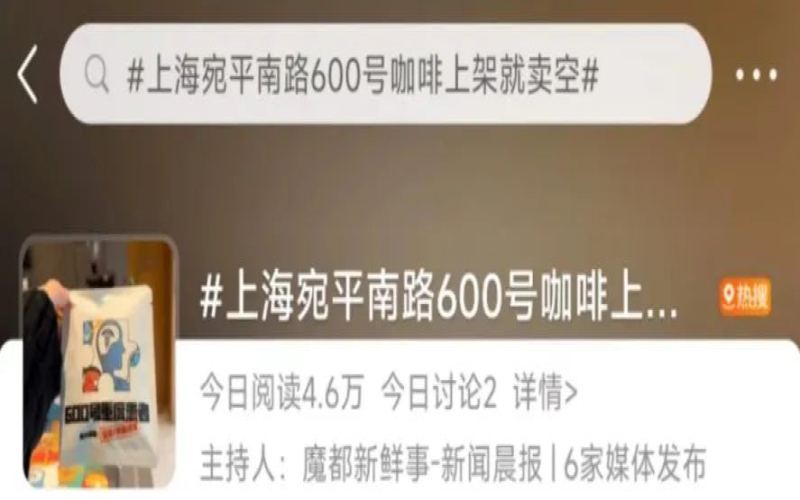
Coffee from No. 600 Wanping South Road Goes Mainstream: Shanghai Mental Health Center's Collaborative Special Drink Sold Out Upon Launch
Shanghai Mental Health Center has once again drawn attention by using coffee as a medium. This time, its co-branded coffee "Music + Spirit," launched in collaboration with the Shanghai Symphony Orchestra, quickly sold out after release. Not only did long lines form at the offline store, but online channels also announced they were out of stock, leaving consumers waiting for pre-sales. This special coffee blend incorporates chocolate powder and American cayenne pepper powder and is available only at the COFFEE CUBE coffee shop inside the symphony orchestra. The simultaneously launched archive-file handbag contains ten drip coffee bags from different regions, each with a QR code that allows listeners to hear ten symphonic works and audio interpretations by mental health experts on urban emotional issues such as workplace PUA and insomnia. This is another successful creative attempt by the center to break out of its niche after "No. 600 Mooncakes," reflecting the market trend in which coffee has become a daily necessity for urban young people. [more…]
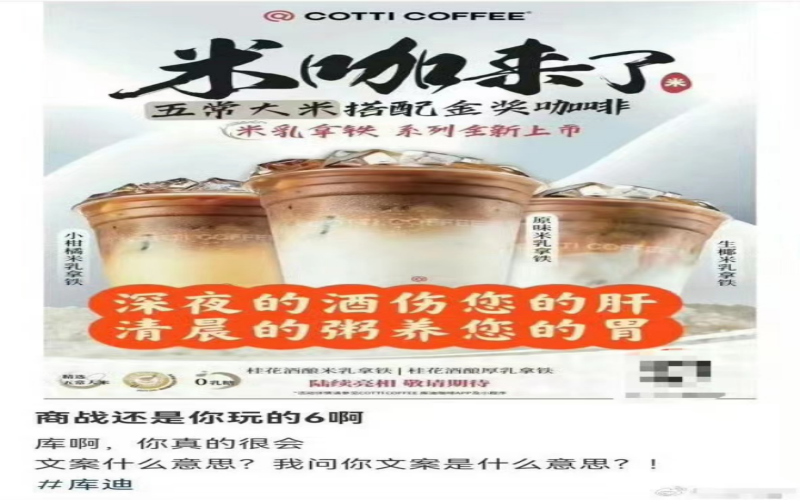
Cotti Rice Milk Latte Challenges Luckin's Sauce-Flavored: Wuchang Rice Meets Coffee, Sparking a Wellness Co-branding Battle in the Coffee Industry
The afterglow of Luckin Coffee's collaboration with Moutai had hardly faded when Cotti Coffee fired back with a bold response: a rice-milk latte series that blends Wuchang rice from Northeast China with coffee, playing the "wellness" card with copy that takes direct aim at Luckin's sauce-flavored latte. This collaboration not only poked fun at its competitor but also positioned itself squarely against the liquor-coffee trend. Netizens kept spinning memes, from cilantro coffee to stinky tofu lattes, with ever more bizarre flavors emerging, yet Cotti seized the initiative through reverse thinking. The trend of coffee drinks becoming more like milk tea—or even congee—is growing ever more obvious, and the battle for attention among brands has reached a fever pitch. This article will walk you through the ins and outs of this commercial war and explore where the coffee world's next breakout hit might be headed. [more…]

Starbucks' Valentine's Day Cocoa Raspberry Mocha Slammed as Tasting Like Chinese Herbal Medicine, Netizens Say Love Is Too Bitter
Valentine's Day is supposed to be a symbol of sweetness, and Starbucks duly launched a Cocoa Raspberry Mocha, with pink cream paired with raspberry syrup—visually, it's certainly eye-catching. However, many consumers who rushed to try it exclaimed, "I've finally tasted the bitterness of love." Some described it as resembling Banlangen, cold medicine, or even traditional Chinese medicine, and complaints poured in from all sides. What exactly is wrong with this limited-edition drink? Is it poor flavor integration, or is the freeze-dried dragon fruit dragging it down? Meanwhile, Starbucks has noticeably accelerated its pace of new releases over the past six months, yet its new products have repeatedly flopped in terms of reputation. The reasons behind this are worth examining closely. [more…]
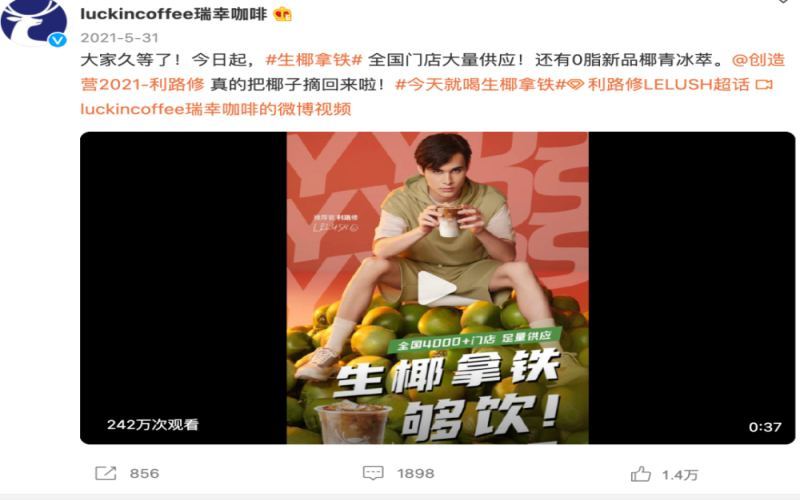
Luckin's Coconut Ice Brew Returns to Controversy: Unbalanced Sweetness, EDG Cup Sleeves Hard to Find—Front Street Coffee Teaches You How to Make Healthy Coconut Coffee
Luckin Coffee has recently relaunched its previously short-lived zero-fat coconut water iced coffee, teaming up with EDG for a limited-edition collaboration. Yet after the product's return, consumer feedback has been sharply divided: many complain that it is too sweet and that the coffee flavor is masked, with some store managers even personally warning against bad reviews; meanwhile, customers drawn by the EDG cup sleeves found that many cities simply didn't have them available. This article retraces how the events unfolded, analyzes why coconut water coffee has become so popular, and examines the health truth behind "zero fat, zero sugar." Finally, Front Street Coffee will also share how to make a low-calorie yet delicious cup of coconut water coffee at home. [more…]
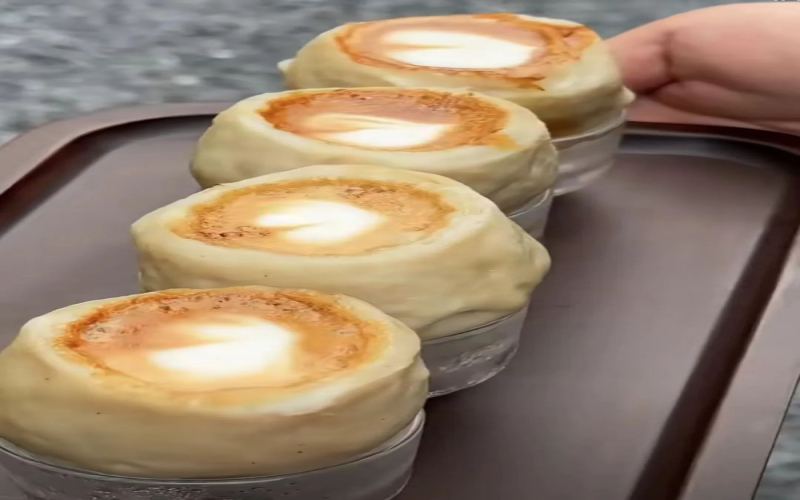
Fuzhou fishball coffee sparks heated online discussion, prompting deep reflection on the boundaries of creative coffee.
After green pepper latte trended on social media, an eye-popping Fuzhou fish ball coffee appeared. This method, which involves hollowing out fish balls, filling them with espresso, and then pouring latte art with milk, left coffee lovers and Fuzhou locals collectively speechless. In recent years, from octopus latte to century egg coffee, from coffee rice noodle rolls to green pepper latte, all kinds of bizarre creative coffees have emerged one after another. Are these drinks, which seemingly practice the idea that "anything can be coffee," an innovative exploration of coffee culture, or simply a traffic game to grab attention? When taking photos and checking in becomes the main purpose of consumption, what will become of these creative coffees? [more…]
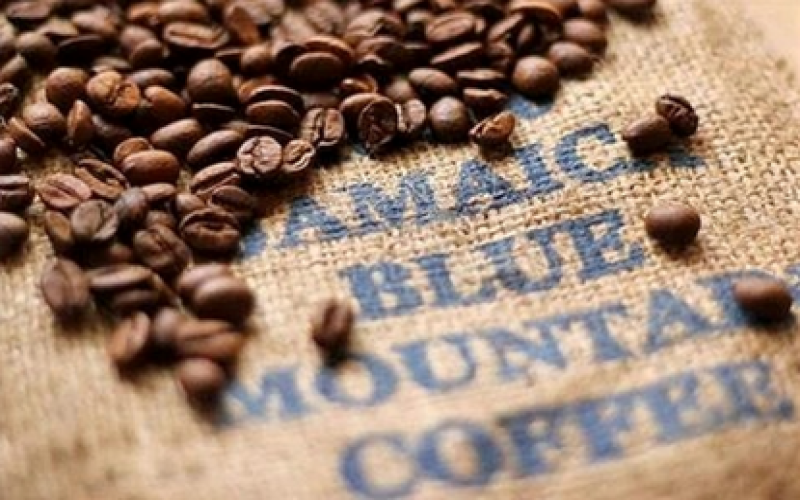
A Comprehensive Analysis of Jamaican Blue Mountain Coffee Grades, Flavor Characteristics, and Market Prices
Blue Mountain coffee, as a legendary presence in the specialty coffee world, has long been shrouded in mystery. Various claims circulate about its price, authenticity, grading, and flavor profile. From the perspective of Front Street Coffee, this article systematically sorts out the pricing logic of Blue Mountain coffee, the truth behind the rumors of Japanese monopoly, the ins and outs of legitimate imports in China, as well as the grading system and flavor characteristics of Blue Mountain coffee. At the same time, Front Street Coffee will share the cupping performance and pour-over parameters of Blue Mountain No. 1, helping coffee enthusiasts gain a comprehensive understanding of the true face of this classic coffee, so that whether buying or brewing, they can find practical reference information. [more…]
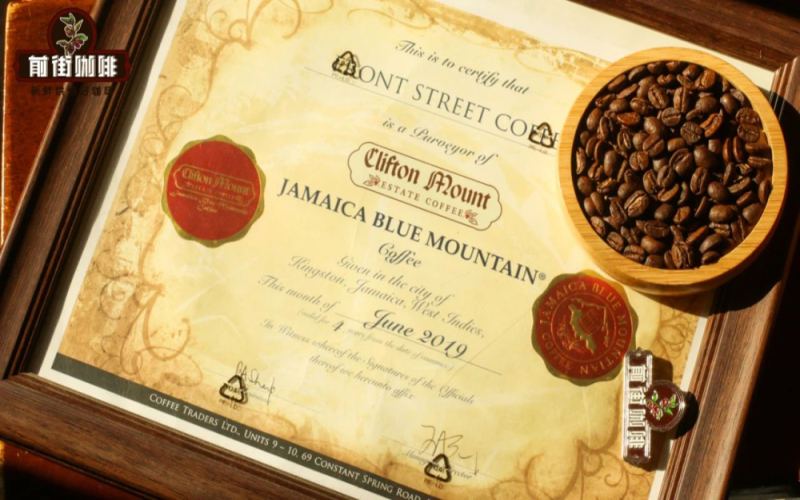
Jamaica Blue Mountain Coffee: A Comprehensive Analysis of Flavor Characteristics, Grade Classification, and Market Prices
Blue Mountain coffee is one of the most legendary beverages in the specialty coffee world, renowned globally for its balanced, elegant flavor and strict quality control standards. Many claims circulate about its price, authenticity, and grading system, such as "all Blue Mountain is bought up by the Japanese" and "you can't buy authentic Blue Mountain in China." This article starts from the historical context to clarify these controversies one by one, explains in detail the grading standards and flavor characteristics of Jamaica's Blue Mountain region, and, using Front Street Coffee's Blue Mountain No. 1 coffee beans, shares practical pour-over brewing parameters and techniques to help coffee lovers build a complete understanding of Blue Mountain coffee. [more…]
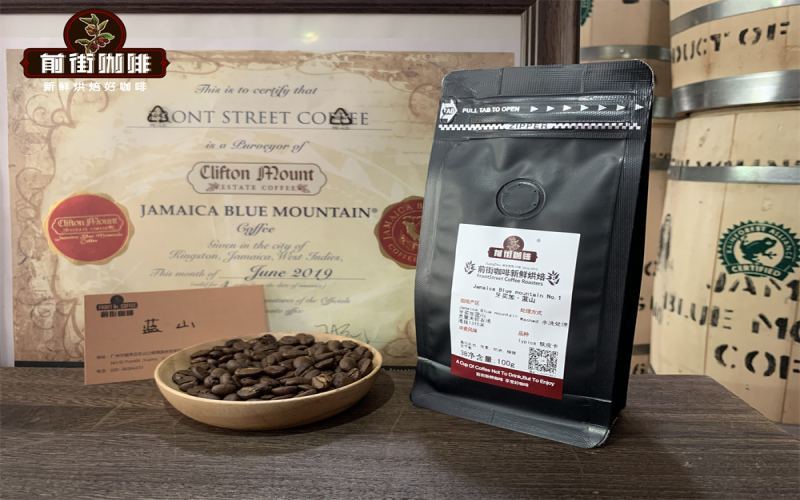
Jamaica Blue Mountain Coffee: Varieties, Regions, and Estate Grading — Front Street Explains Flavor Characteristics and Brewing Parameters
Blue Mountain coffee is hailed as a legend in the specialty coffee world, but misconceptions about it abound: Is it prohibitively expensive? Do the Japanese monopolize the entire production? Can authentic beans be bought in China? Front Street Coffee will sort through everything from origin and variety to estate grade and flavor profile, restoring the true face of Blue Mountain coffee. This article will also share the cupping notes of Front Street Blue Mountain No. 1, the three-stage pour-over parameters, and the complete steps for making an Americano with an espresso machine, helping coffee lovers brew a balanced, clean, authentic Blue Mountain at home. [more…]
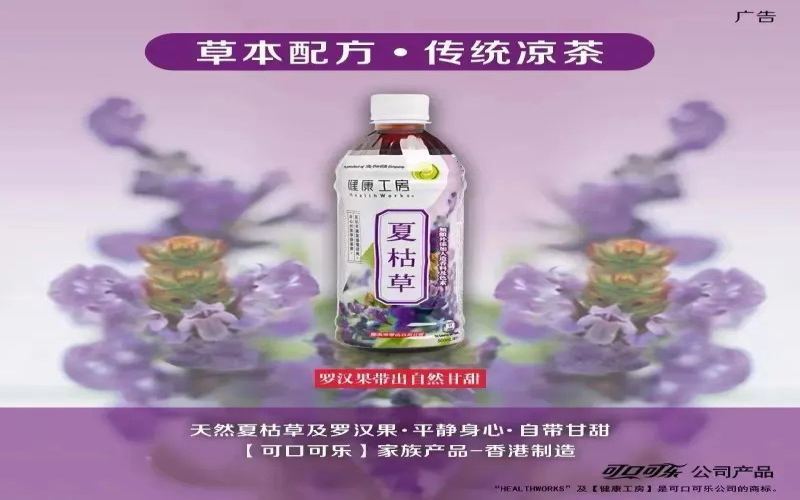
Wanglaoji's Waterfall Iced Cantonese-Style Drink Sparks Debate: Is Herbal Tea Crossing Over into Coffee Innovation or Anxiety?
Coca-Cola recently launched an herbal tea product called "Prunella vulgaris," but its name and packaging color scheme triggered collective misreading among netizens, many of whom associated it at first glance with the pesticide "paraquat." Meanwhile, Wong Lo Kat is also vigorously promoting "Waterfall Iced Cantonese Style" in its physical stores, combining concentrated herbal tea with fruit soda and ice, imitating coffee's visual appeal and sense of ritual. From Coca-Cola's naming mishap to Wong Lo Kat's attempt to turn herbal tea into coffee, traditional herbal tea brands all seem anxious to break through the limitations of their consumption scenarios. Are these crossover moves genuine innovation breakthroughs, or helpless measures by brands under performance pressure? [more…]
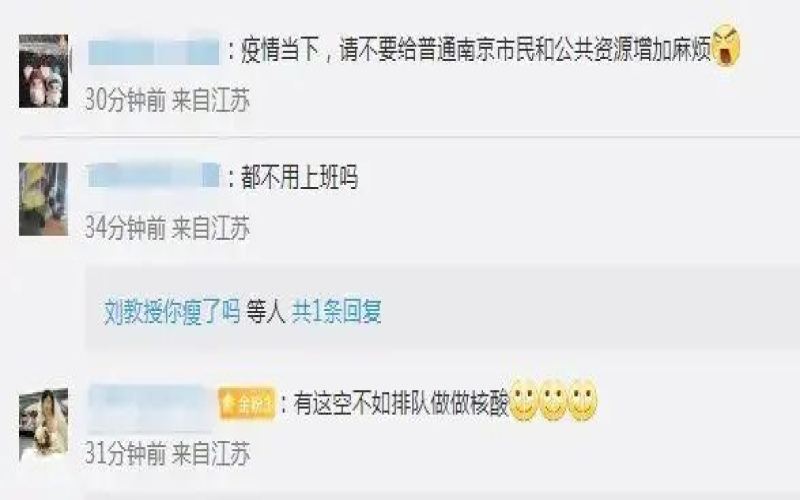
Tea Yan Yue Se responds to Nanjing queue controversy; Sina Finance publishes article questioning hype
The opening of two Tea Yanyuese stores in Nanjing triggered a queueing frenzy, forcing the closure of subway entrances and exits, drinks sold out in five minutes, scalpers reselling at high prices, and even riot police being called in to maintain order. Faced with questions over hiring people to queue and reselling hype, Tea Yanyuese issued an apology and promised purchase limits; however, two hours later Sina Finance published an investigative article pointing directly at the agency-buying queues as a premeditated false prosperity. Is this uproar down to brand appeal or marketing tricks? With the pandemic not yet subsided, what hidden dangers does gathering in queues bring? This article sorts through the whole incident and explores the queue economy and public order issues behind internet-famous tea brands. [more…]
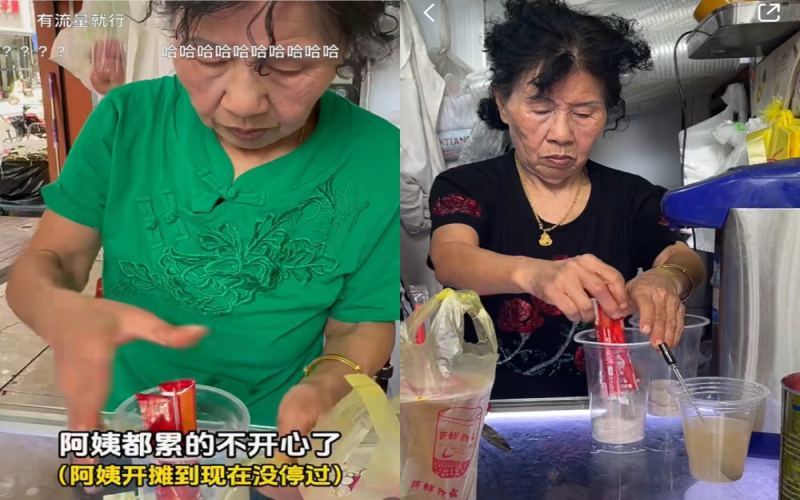
Nanjing's Grandma Han's 10-yuan pour-over coffee unexpectedly goes viral, Nestlé promises free supplies and invites her to livestream
A small shop in Nanjing called "Aunt Han's Sugarcane Juice" quickly became famous online for its 10-yuan pour-over coffee. The owner, Aunt Han, brews it on the spot using three sticks of Nescafe instant coffee, attracting a large number of young people to line up and check in. Less than 48 hours after it went viral, Nescafe instant coffee sold out, and there was even a shortage of boiling water. Aunt Han said that although the coffee business is low-profit but high-volume, she has always done business honestly. As traffic poured in, the phenomenon of insincere customers skipping out on payment also drew attention. Nescafe officially responded quickly, not only changing the product promotion cover to "the same coffee as Nanjing's 10-yuan granny," but also arranging free offline supply and inviting Aunt Han to participate in a livestream. Front Street Coffee continues to follow this incident and bring readers the latest report. [more…]
How much does a cup of authentic Kopi Luwak coffee cost? Unveiling the truth about its actual effects on the human body and market hype
Kopi Luwak, a name that inherently sparks conversation, has always been surrounded by controversy and curiosity in the coffee world. What justifies its price of several hundred yuan per cup? Where is the price floor for the genuine article? What tricks are hidden behind low-priced products on the market? Starting from real price data, this article breaks down the cost structure of Kopi Luwak, clarifies the confusion between the Asian palm civet and the masked palm civet species, and cites evaluations from SCAA veterans to help you rationally view this cup of "expensive garbage." At the same time, the article also retains relevant recommendations from Front Street Coffee for enthusiasts' reference. [more…]
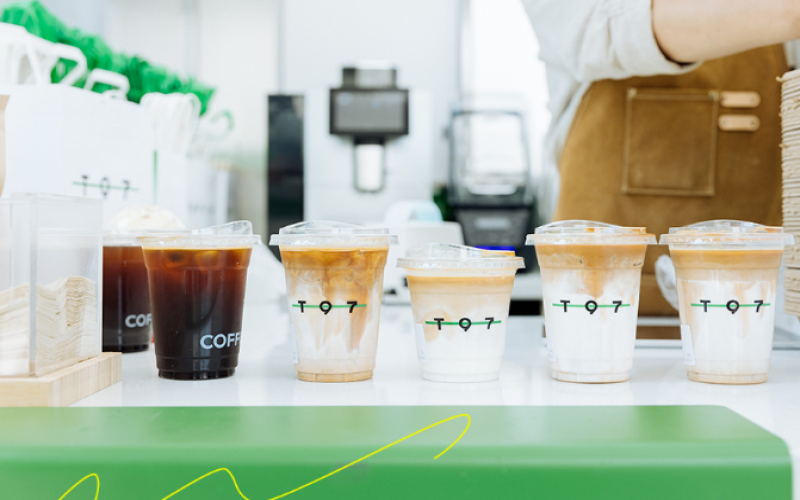
An Investigation into the Real Situation of T97 Coffee Franchisees: Store Numbers Shrink, Hype Fades, Brand Owner Says Closures Are None of Its Business
The T97 Coffee livestream, which once drew 8.09 million viewers, has now shrunk to a mere four hours in the evening with a sparse audience. Founder Li Xiao once boldly claimed he would open 1,001 stores in a year to surpass Luckin, but official data shows the number of stores rose from 48 to 87 before falling back to 85, with multiple locations closing one after another. Li Xiao attributed the closures to individual franchisee issues, but many franchisees report that the brand provides little management and support, product quality is inconsistent, and once the hype faded, operations became unsustainable. This article examines the current situation of T97 Coffee franchisees, explores brand responsibility and franchise risks behind the high closure rate, and offers reference for those considering joining. [more…]
College Entrance Exam Season Food and Beverage Marketing Watch: How McDonald's, KFC, Chagee, and Other Brands Ride the Trend to Send Blessings
Every June, the national college entrance examination, or gaokao, becomes a hot topic of public attention across the country. This year is no exception, with a flood of good wishes pouring in from trending lists to social media platforms. Major food and beverage brands keenly seize this opportunity, rolling out gaokao-themed products or promotional activities in an attempt to win consumer goodwill amid fierce market competition. McDonald's has extended its breakfast-exclusive items to all-day availability, KFC has partnered with Mount Wutai to launch an auspicious set meal, and Chagee uses homophonic puns to convey good wishes. In addition, tea beverage brands such as Shuyi Tealicious, Good me, and Yihotang have also switched to gaokao-themed packaging, while independent coffee shops across the country are likewise serving exam takers and their parents by offering free water and rest areas. Behind this opportunistic marketing lies both the need for brand exposure and a reflection of society's collective care for gaokao students. [more…]