







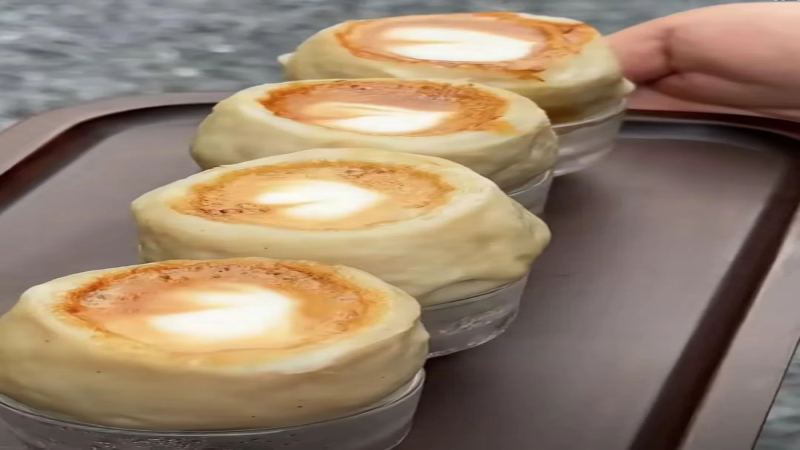
Do fish balls belong among the ingredients in coffee?
A Fuzhou fish ball coffee has drawn heavy online discussion after a blogger hollowed out a fish ball, set it under the portafilter to catch espresso, then poured milk for latte art. Many Fuzhou locals rejected the drink outright, saying it misrepresents a local specialty, while others found the idea simply hard to stomach.
The drink follows other novelty items such as green pepper latte, octopus latte, century egg coffee, and coffee rice noodle rolls, all built on the idea that anything can join the coffee ingredients list. The question is whether these drinks explore coffee culture or just chase attention, especially when photos for check-ins become the main reason to buy.
After green pepper latte trended on social media, an eye-popping Fuzhou fish ball coffee appeared. This method of hollowing out fish balls, catching espresso underneath, then pouring latte art with milk left coffee lovers and Fuzhou locals collectively speechless. In recent years, from octopus latte to century egg coffee, from coffee rice noodle rolls to green pepper latte, all kinds of bizarre creative coffees have emerged endlessly. These drinks that seemingly embody the concept of "everything can be coffee"—are they innovative explorations of coffee culture, or simply a traffic game to grab attention? When taking photos for check-ins becomes the main purpose of consumption, what will be the fate of these creative coffees?
▲
Click to follow | Daily specialty coffee culture magazine Coffee Workshop
Since "green pepper latte" shot up the trending list, a large number of imitators have emerged on social platforms, with netizens making their own versions using colorful bell peppers, and related posts appearing frequently. Leaving aside how this latte tastes, it did spark some people's imagination and turn everyone's attention to other ingredients.
Thus, Fuzhou fish ball coffee recently burst onto social platforms, leaving onlooking coffee lovers and Fuzhou people who love fish balls momentarily speechless.
According to the video posted by the blogger, the process of making fish ball coffee is quite simple: hollow out the middle of a round fish ball, place it under the portafilter to catch the espresso, then pour a simple pattern with milk for latte art, and place it on a cup—done.
However, after watching the entire process, netizens' feedback was very consistent: yue~
In the comments section, many Fuzhou people explicitly stated they could not accept this cup of fish ball coffee: "Please… don't say this is a Fuzhou specialty… Fuzhou people don't accept it," "It ruined my Fuzhou fish balls," "Please, Fuzhou people find it hard to accept," and some netizens joked, "The shop should just be its own city."
Netizens passing by from other regions also admitted they were left speechless, saying bluntly, "There's no darkest, only darker."
In recent years, novelty-seeking creative coffees have emerged endlessly—earlier there were "octopus latte" and "century egg coffee," later "coffee rice noodle rolls," and now the trending "green pepper latte." The appearance of these creative drinks superficially gives the impression that "everything can be coffee," but in reality they bring consumers a certain physiological discomfort.
It's not strange for young people to pursue novelty, hold a curiosity-seeking mindset, and brainstorm various peculiar food combinations. But this kind of "forced pairing" can only briefly attract passersby's attention. Most consumers who get their hands on it first take photos and post them on various social platforms to satisfy their inner sense of superiority. As for whether that cup of coffee is ultimately finished or discarded, no one knows.
And the "R&D" of such creative coffees seems to have not stopped—fish ball coffee, sesame ball coffee (sesame balls are a Fuzhou snack), snow pear coffee… prompting netizens to ask: "Can anything with a hole be filled with coffee now?"
Whether it was previously pairing coffee with other foods or the current wave of "innovative coffee containers," essentially these are acts of grabbing eyeballs and riding the hype. But as long as such acts can attract netizens' attention, they will probably never stop.
If these players really consume their own "works" and avoid wasting food, then even if they film a whole series, the public probably wouldn't find it unacceptable.
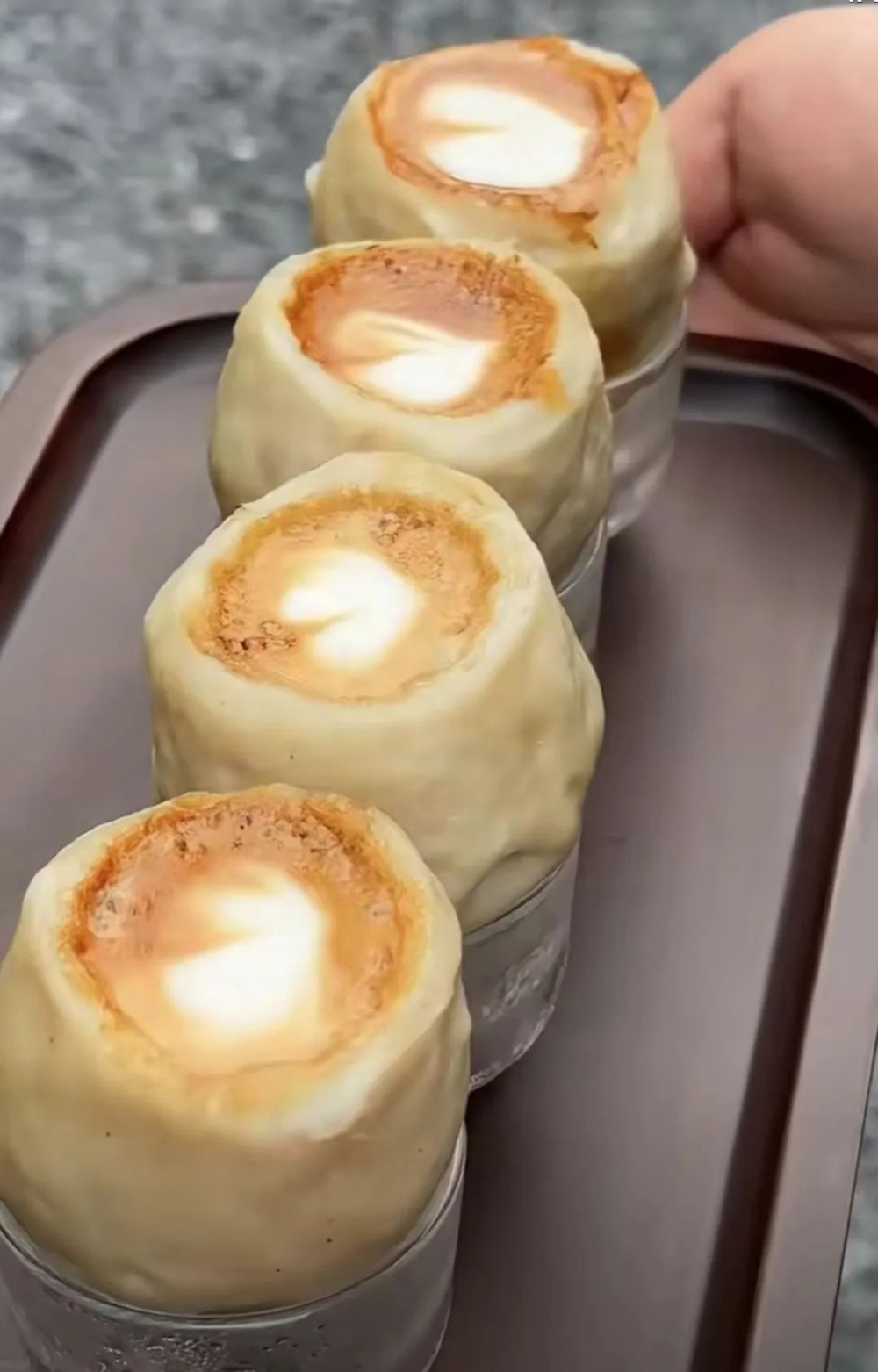
It will probably take until netizens are completely numb to this "forcing coffee into arranged marriages" behavior before these creative coffees that consumers find hard to accept gradually decrease.
Image source: Internet
Disclaimer: Some images in this article are from the Internet. For some content on the website such as images, we will respect the original copyright and indicate the source. However, due to the large quantity, some images and texts may not have been credited in time. Please forgive us. If the original author has any disputes, they can contact the website for handling. Once verified, we will correct it immediately. Compiled and edited by "Coffee Workshop." Please indicate the source when reposting. If there is infringement, please inform us for deletion. Thank you~!
The above content is compiled by CoffeeHunters, a coffee news website.


