







Search Results for: restaurant hygiene
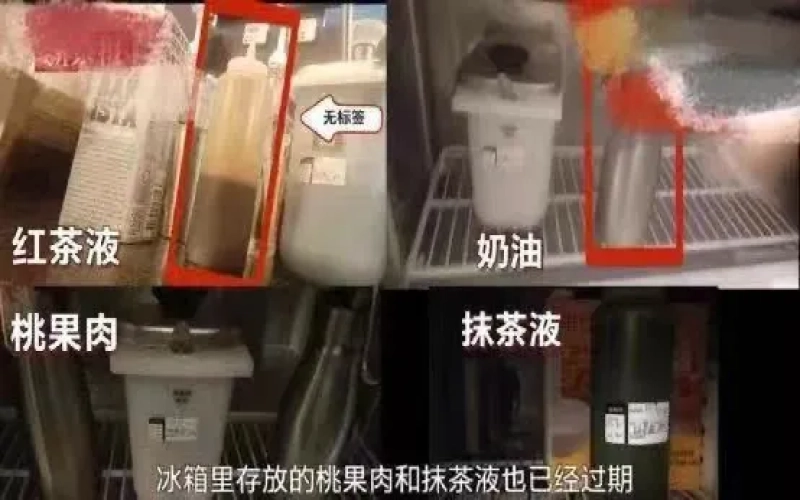
Starbucks Fined 1.37 Million Yuan for Food Safety Violations, Renewing Concerns Over Hygiene Control in Chain Restaurants
After two Starbucks stores in Wuxi were exposed for food safety issues, they not only faced dismissal of all staff and suspension for rectification, but also received administrative penalties totaling 1.37 million yuan. This incident triggered widespread public discussion on the current state of food safety management in the chain catering industry. Judging from the surprise inspections by market supervision bureaus across various regions, although the vast majority of stores were not found to have serious violations, management loopholes such as non-standard scrap records, missing disinfection records, and inadequate implementation of employee personal hygiene remain common. This article will review the incident and the details of the penalties, analyze the imbalance between Starbucks' internal supervision and cost control, and explore the importance of producer self-discipline and social oversight behind food safety issues. [more…]

Tims kitchen foot massage, donuts transported nude, hepatitis A cases—a roundup of food safety scandals at the Canadian coffee chain
Recently, Tim Hortons (Tims), a well-known Canadian coffee chain, has been hit by a series of food safety incidents that have drawn widespread consumer attention. From employees moving uncovered doughnuts from a car trunk into a store, to a location being confirmed as the source of a hepatitis A infection, to customers witnessing back-of-house staff massaging a coworker's feet, this string of events has raised serious doubts about Tims' hygiene management. Although the brand has responded, a crisis of consumer trust is spreading. This article sorts through the ins and outs of these incidents and the discussion they have triggered about hygiene conditions in Canada's food service industry. [more…]
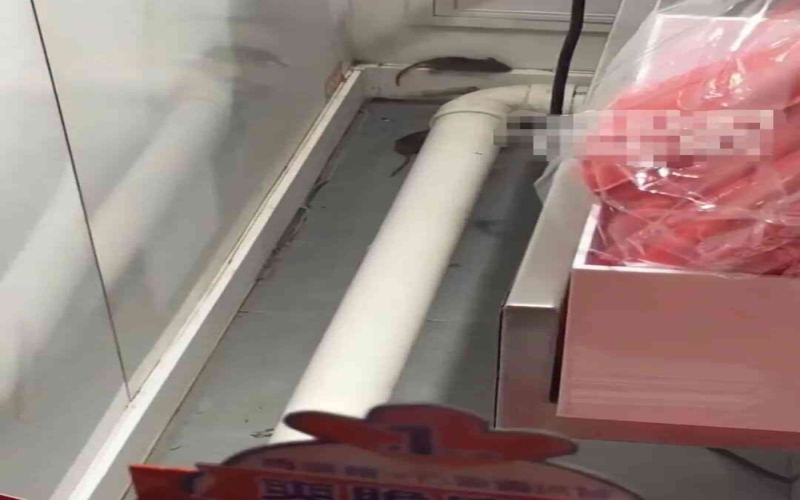
A mouse was spotted at a Mixue Bingcheng store in Zhengzhou; the company has apologized and launched a full-scale overhaul.
Recently, a video of multiple rats running along pipes inside a Mixue Bingcheng store in Zhengzhou went viral online, sparking consumer concerns about hygiene conditions at tea beverage shops. Store employees responded that due to the surrounding dining environment, rats are difficult to completely eliminate, but they had handled the situation according to company standards and undergo monthly spot checks. After the incident gained traction, the store in question publicly apologized, admitting to shortcomings in their work. The store has now been closed and professional agencies have been contacted for comprehensive pest control and rectification. The Zhengzhou Municipal Market Supervision Administration also stated it would intervene with inspections and handle any violations according to law. This controversy has once again brought the issue of pest and rodent control at chain restaurants to the forefront. [more…]
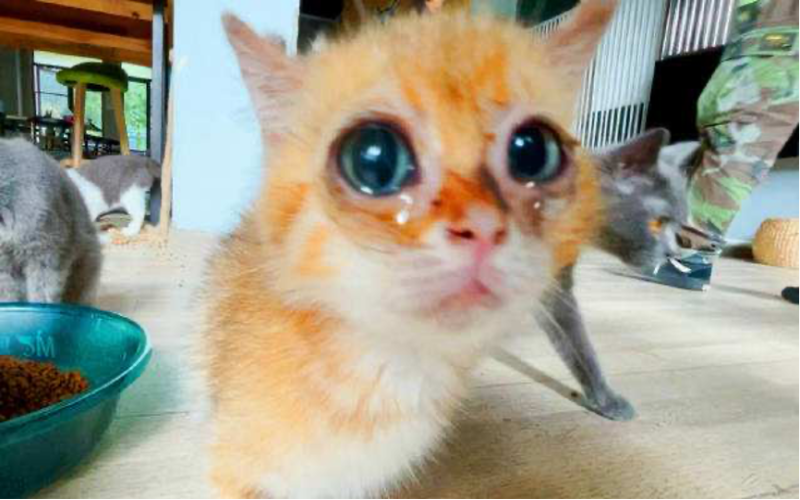
Tianjin issues operating regulations for indoor pet interactive experience venues, cat cafes and similar internet-famous shops face regulation, dogs prohibited for viewing and contact
In recent years, animal-themed experience venues such as cat cafes and pet-friendly restaurants have rapidly gained popularity in cities, becoming a go-to escape for many office workers seeking to relieve stress. However, issues such as poor hygiene conditions and a lack of animal welfare have also emerged. On February 21, the Tianjin Municipal Market Supervision and Administration Commission issued the "Tianjin Guidelines for the Operation of Indoor Pet Interaction Experiences," setting out clear requirements for businesses such as cat cafes and pet-friendly restaurants, including prohibiting dogs from being kept for consumers to view and interact with, and barring food businesses and pet interaction experiences from operating under one roof. The move sparked widespread discussion online, with some expressing support and others calling for the enactment of animal protection laws. Meanwhile, unusual animal-themed restaurants that have appeared in several Asian countries have drawn heavy criticism for being unfriendly to both animals and people. Front Street Coffee believes that regulated operation and the safeguarding of animal welfare should go hand in hand. [more…]
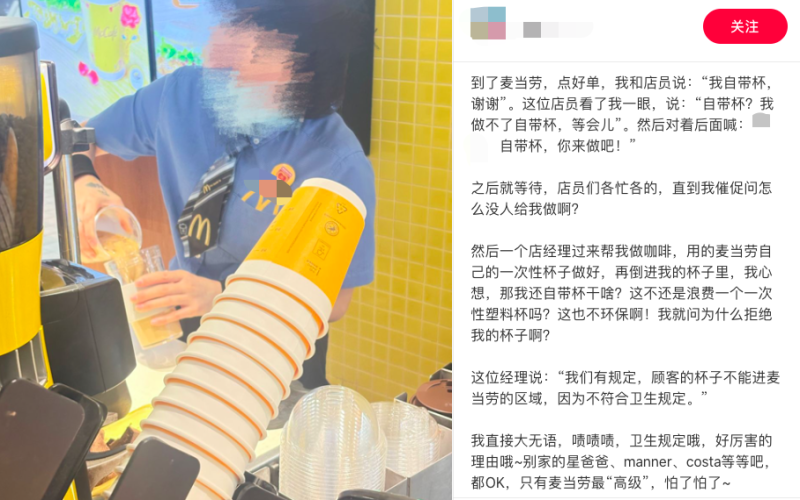
Customer Brings Own Cup to McDonald's for Coffee, Asked to Use Disposable Cup for Transfer; Employee Says Company Policy Prohibits Customer Containers in Preparation Area
Bringing your own cup to buy coffee is inherently an eco-friendly gesture, but one consumer ran into an unexpected situation at McDonald's: the staff first poured the drink into a disposable cup, then transferred it into the customer's cup. The store explained that customer containers cannot enter the preparation area due to hygiene regulations. The incident sparked widespread discussion—some understood McDonald's food safety considerations, while others felt that using an extra plastic cup defeats the original eco-friendly purpose. So how exactly should bring-your-own-cup work at fast-food restaurants? Front Street Coffee takes you through the details. [more…]
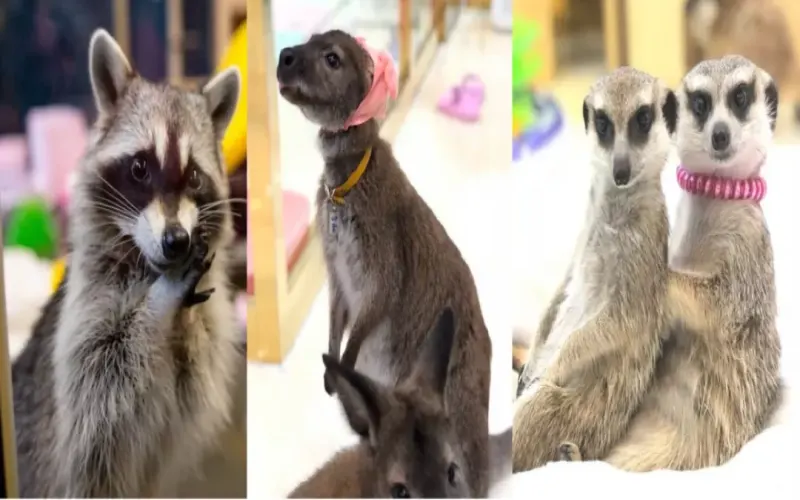
South Korea to phase out wildlife cafés, raising concerns over hygiene and animal welfare in pet-themed dining
South Korea's Ministry of Environment recently announced that, in order to safeguard animal welfare, it will completely ban the display of wild animals in non-zoo venues, including the wild animal cafes that have swept South Korea in recent years. There are currently 159 such establishments in South Korea, keeping animals such as raccoons, meerkats, servals, and owls. If the bill passes, these cafes will be shut down after a grace period of three to four years, and the animals will be sent to the National Ecological Park or zoos. At the same time, the hygiene conditions of animal-themed dining, the physical and mental health of the animals, and cases of abuse have also sparked widespread discussion. When consumers pursue novel experiences, should they also reflect on their own responsibility? [more…]
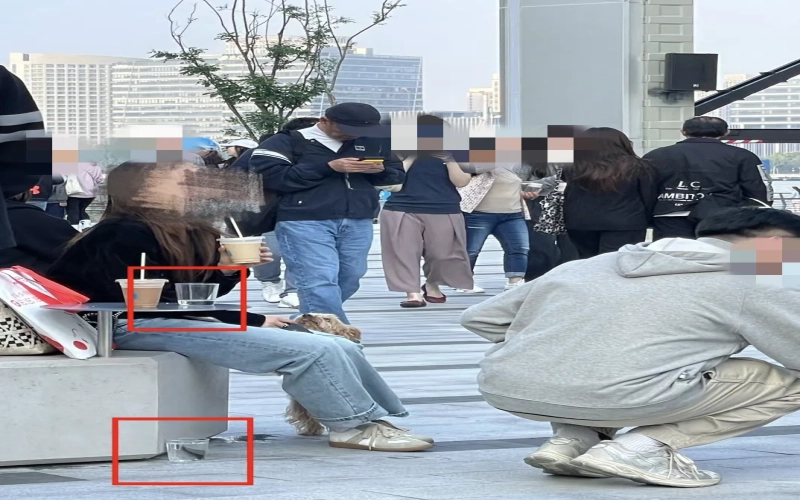
Blue Bottle Coffee store glass used by customer to feed dog, public tableware hygiene controversy sparks heated debate again
Recently, an incident at a Blue Bottle Coffee store in Shanghai, where a customer used a dine-in glass to give water to a pet dog, sparked widespread discussion. The person who filmed the incident pointed out that using public utensils to feed pets is uncomfortable, and although the staff promptly handled the situation and discarded the used cup, the underlying issue of managing "pet-friendly" spaces is worth pondering. On one hand, there is the emotional need of pet lovers; on the other, there is the legitimate concern of other customers regarding hygiene and safety. How to draw clear behavioral boundaries in public dining establishments has become a shared challenge for businesses and consumers alike. This article reviews the incident, gathers various viewpoints, and explores how coffee shops should strike a balance between pet friendliness and hygiene standards. [more…]
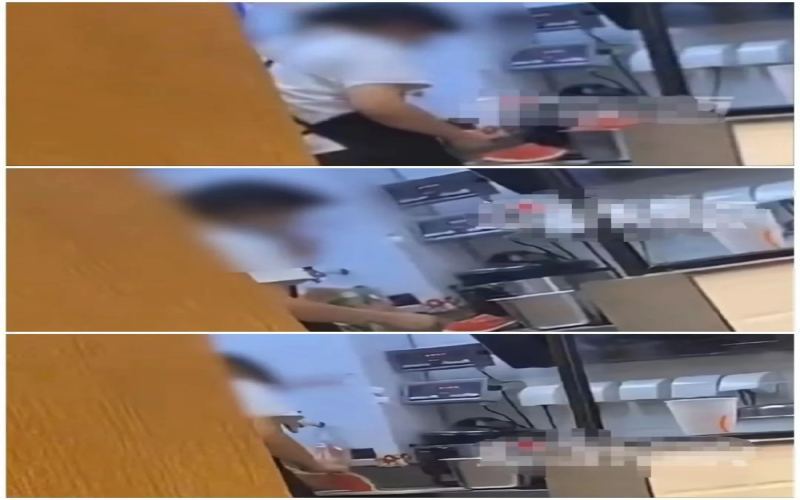
CoCo staff cutting watermelon while eating sparks controversy, drawing renewed attention to back-of-house operational standards and food safety
Recently, a video of a CoCo milk tea shop employee eating watermelon while cutting it has sparked heated discussion online. The video shows the employee, while preparing ingredients for a watermelon drink, not wearing gloves, cutting off a piece and eating it directly, then continuing to process the remaining fruit. This behavior might be harmless in a home kitchen, but in a restaurant back kitchen it touches a sensitive nerve regarding food safety and operating standards. Some netizens believe that an employee daring to eat the ingredient actually proves the food is fresh, but more people are concerned about saliva contamination, food waste, and the lack of corporate rules. The manager of the shop involved responded that they are verifying the matter, but had not received authorization from headquarters to publicly announce the handling result. The incident once again pushes the hygiene management and employee operating habits of restaurant back kitchens into the focus of public opinion. [more…]

Why do Luckin employees call themselves "Handwash Heroes"? Store hygiene control details and genuine consumer feedback
Luckin Coffee's store hygiene management has always been a hot topic online, especially the high frequency of employee handwashing and the meticulous standards, which have even earned them the nickname "Handwash Hero" of the coffee world. From washing hands on the hour, to mandatory cleaning after touching items, to full-scale deep cleaning before quality control inspections, Luckin's dedication to hygiene is almost obsessively strict. Meanwhile, many consumers and employees have shared their personal experiences, with some joking, "I really dislike Luckin, but I won't allow anyone to say it's not clean." In an era where food safety in the restaurant industry frequently draws attention, what exactly does this strict quality control signify? This article compiles a wealth of genuine feedback from frontline employees and consumers to give you an inside look at the various details of Luckin's store hygiene management. [more…]
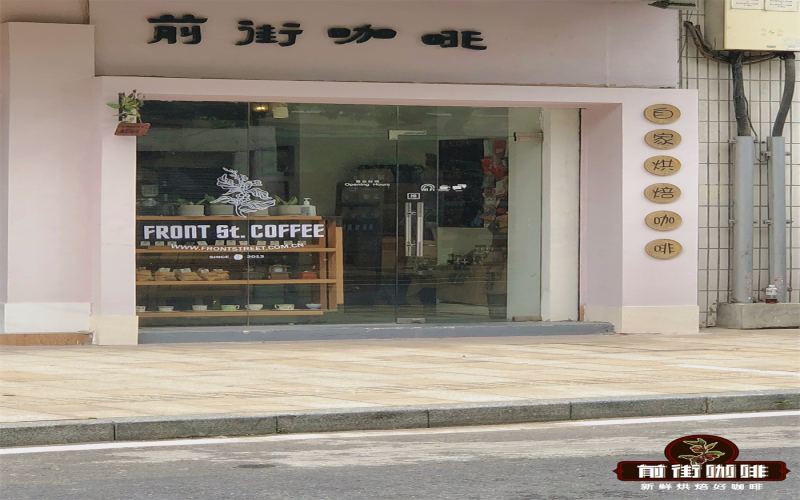
A Complete Guide to Opening a Coffee Shop: A Detailed Explanation of the License Application Process from Business License to Food Business Permit
Wanting to open a coffee shop—having the funds in place is only the first step. What really gives many entrepreneurs a headache is the complicated and cumbersome licensing procedures. From business registration and food business permits, to health, tax, and fire safety, and then to the special approvals for alcohol and roasted coffee, every single item determines whether the shop can operate legally. This article will systematically sort out the various certificates and application processes required to open a coffee shop, helping you clarify your thinking and avoid detours. At the same time, we will also discuss practical points such as site selection strategy, startup capital estimation, and equipment procurement. At the end of the article, Front Street Coffee's contact information is attached; you are welcome to exchange ideas on specialty coffee bean selection and shop-opening experience. [more…]
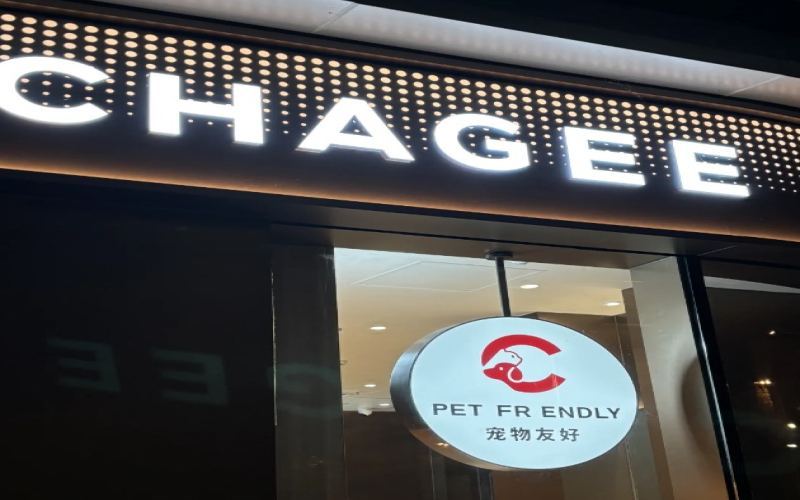
Chagee Enters Pet-Friendly Stores: Tea Beverage Brands Race for the New Hundred-Billion Pet Economy Track
For pet owners, whether they can bring their furry companions along when going out for a cup of coffee or milk tea is often a vexing question—many shops do not clearly indicate whether pets are allowed inside, leaving owners with little choice but to forgo the purchase. However, this situation is quietly changing. On August 23, Chagee's first batch of pet-friendly stores was officially announced as open, located in four cities—Changsha, Kunming, Hangzhou, and Shijiazhuang—with more cities to follow. So-called pet-friendly not only means not excluding pets, but also includes providing dedicated facilities and services for pets and their owners, such as water bowls, poop bags, and litter boxes, advocating harmonious coexistence between people and pets. On social media, pet-owning netizens responded enthusiastically, though some also expressed concerns about hygiene and epidemic prevention. The pet economy reached 592.8 billion yuan in 2023 and is projected to surpass 811.4 billion yuan by 2025, and tea beverage brands are turning their eyes to this piece of the pie. This article will focus on Chagee's pet-friendly initiatives to explore the opportunities and controversies surrounding the tea beverage industry's foray into the pet economy. [more…]
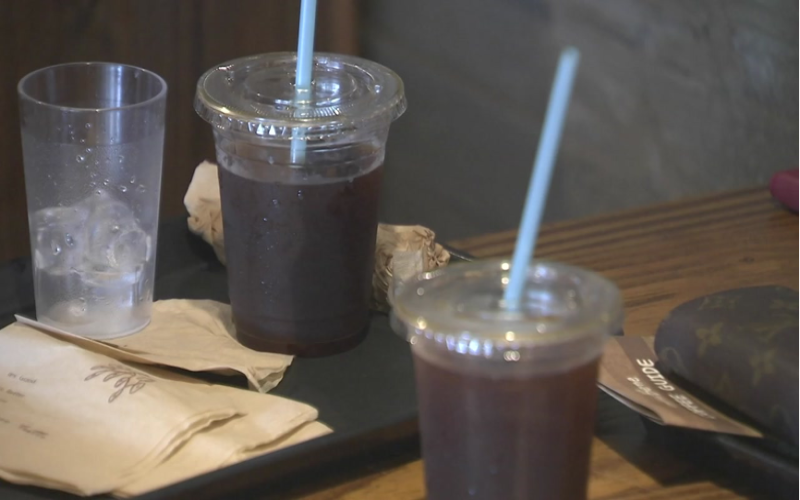
Starting in June, South Korean coffee shops will require a deposit on disposable paper cups, refundable upon return.
Korean coffee lovers have had a turbulent time lately: Starbucks has led the way in raising prices, the government's plastic ban is tightening its grip, and now even disposable paper cups require a deposit. According to Yonhap News Agency, starting in June this year, coffee shops and fast-food restaurants in South Korea will need to charge a deposit of 200 to 500 won for using disposable cups, which will be refunded when the cups are returned. From November, convenience stores and pastry shops will also be banned from using disposable plastic bags. Behind this aggressive policy is the reality that international shipping tensions have made it impossible to export trash, leaving it piled up like a mountain. Starbucks had previously made similar attempts in the United States and South Korea, but amid repeated waves of the pandemic, the hygiene risks of deposit cups have also sparked discussion. If it were you, would you pay a deposit for a disposable cup? [more…]
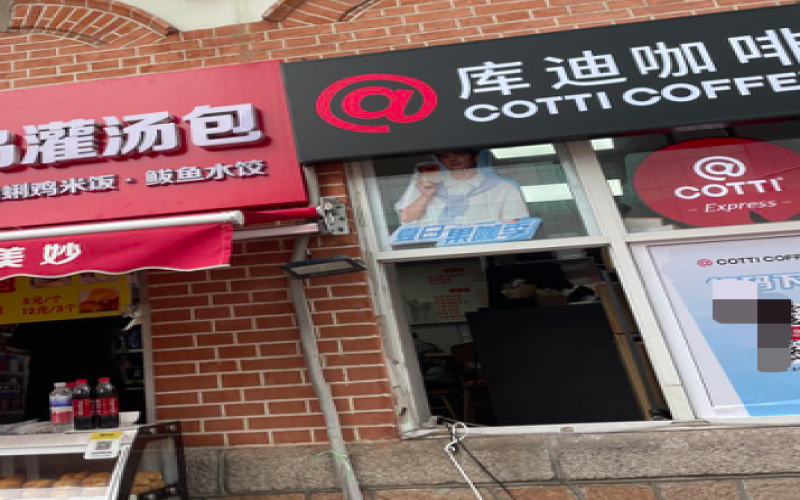
Cotti Coffee's store-within-a-store model sparks debate: from bun shops to pet hospitals, convenience hides hygiene concerns
Recently, a netizen tried to find a Cotti Coffee store using mobile navigation, only to be surprised upon arrival to discover that the coffee shop was actually located inside a soup dumpling restaurant. This netizen's sharing quickly resonated with consumers everywhere, who then posted their own encounters with Cotti stores in places like Lawson convenience stores, service halls, ramen shops, pet hospitals, and even skateboard shops. Since launching its convenient store model in May this year, Cotti has claimed that "a store can be opened with just 1 square meter," and plans to expand by 8,000 convenient stores in the second half of the year, aggressively penetrating into various small and micro commercial scenarios with rapid expansion. However, while the brand accelerates its layout and strives to achieve "Cotti within 100 meters," consumers have raised serious concerns about the hygiene conditions, product quality control, and food safety risks of this store-within-a-store model. Front Street Coffee is also paying attention to this industry phenomenon, believing that balancing convenience and quality will be an urgent issue for Cotti to address. [more…]
A firsthand account of Shanghai coffee shops resuming dine-in service: Owners share heartwarming stories of perseverance and reunion
After more than three months of waiting, Shanghai's restaurant industry has finally seen the return of dine-in service. Starting June 29, streets and towns within their jurisdictions that have no medium-risk areas and no community transmission in the past week have been reopening dine-in service in an orderly manner. As soon as the news broke, phones at major coffee shops would not stop ringing, and owners rushed to share moments from this extraordinary period: some customers arrived to wait before the staff did, some owners drank through an entire batch of limited-edition beans by themselves, some worked around the clock living at their shops, and others are still waiting for approval. This article documents the real experiences of Shanghai coffee shop owners, as well as the procedures and current situation behind the resumption of dine-in service, while also keeping its focus on and recommendations for specialty coffee beans. [more…]
South Korea's plastic ban takes effect in April, leaving coffee shops caught between policy and customers as the biggest pressure point
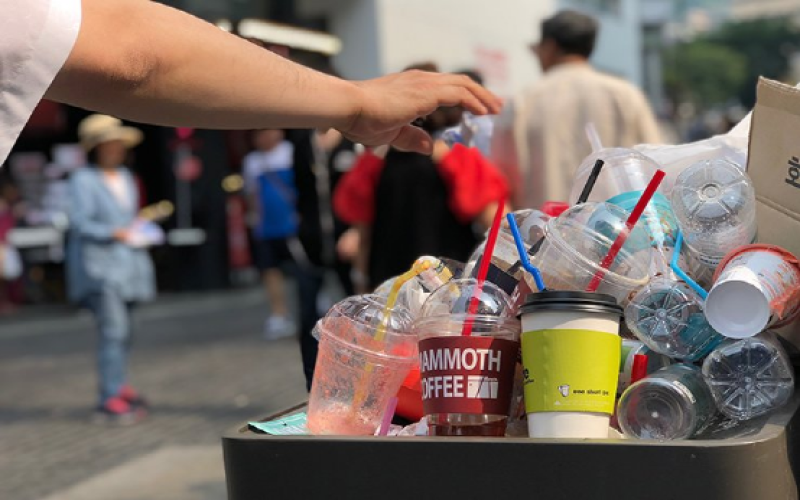
South Korea has officially implemented a ban on single-use plastic cups in the fast-food and coffee industries starting April 1, and plans to further introduce a "single-use cup deposit system" on June 10. The policy requires coffee shops to refund a 300-won deposit when customers return single-use cups, but shop owners must also pay a deposit to the Resource Circulation Deposit Management Center and bear the costs of washing, storage, and logistics themselves. Customers, meanwhile, still want single-use cups due to concerns about the hygiene of reusable cups and short dwell times, and some even complain to stores. Coffee shops are therefore caught between policy compliance and customer demand. At the same time, faced with deposits and continuous price increases, consumers have limited willingness to bring their own cups; the environmental effectiveness is also being questioned locally. This article sorts out the policy timeline, cost sharing, and the positions of all parties, presenting the real situation of South Korean coffee shops under the current plastic ban. [more…]

Starbucks China Clarifies Restroom Access Policy: U.S. Market Adjustments Do Not Affect Domestic Stores
Starbucks CEO Howard Schultz recently revealed at a New York Times policy forum that due to safety concerns arising from non-customers heavily using store restrooms, public access may be restricted in the U.S. market. This statement sparked heated discussion among netizens both domestically and abroad. Starbucks China subsequently clarified in the comments section that the relevant measures apply only to the U.S. market, and domestic stores will maintain their open policy. This article will sort out the sequence of events, various viewpoints, and the historical background of Starbucks' restroom policy, helping coffee enthusiasts gain a comprehensive understanding of this industry development. [more…]
Scaffolding left up, cement marks still visible: 2023 sees a "half-finished construction site" interior design trend in coffee shops
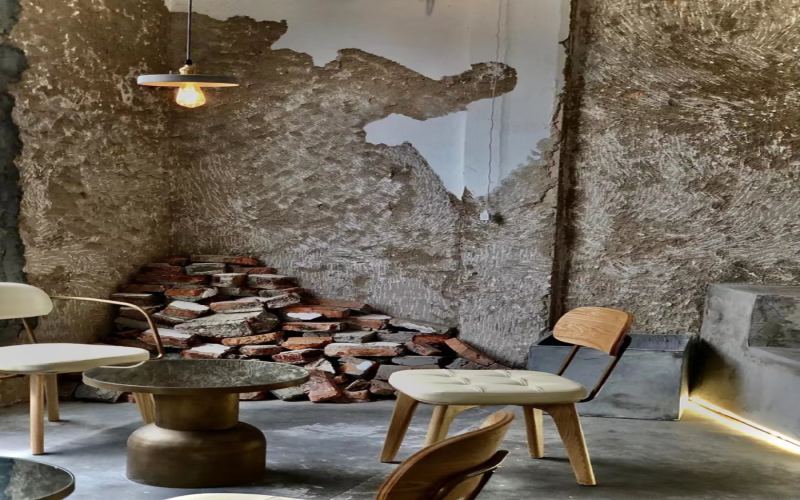
When mottled concrete walls and exposed beams were no longer novel, the interior design trend for coffee shops in 2023 took another step forward—turning the construction site directly into a business space. Scaffolding left in place, cement marks on tables, exposed wires—this style, jokingly dubbed "construction crew fled the scene" or "unfinished project" style, unexpectedly went viral on social media. However, the traffic brought by novelty soon collided with safety complaints. Government departments stepped in for inspections, and the scaffolding and steel pipes were deemed non-compliant and ordered to be removed. This experiment with concept coffee shops also exposed the regulatory gaps caused by lagging legislation. [more…]
Tims China Launches Single-Store Franchise Model: First Batch in Beijing and Shanghai, High Thresholds Coexist with Loss Pressures
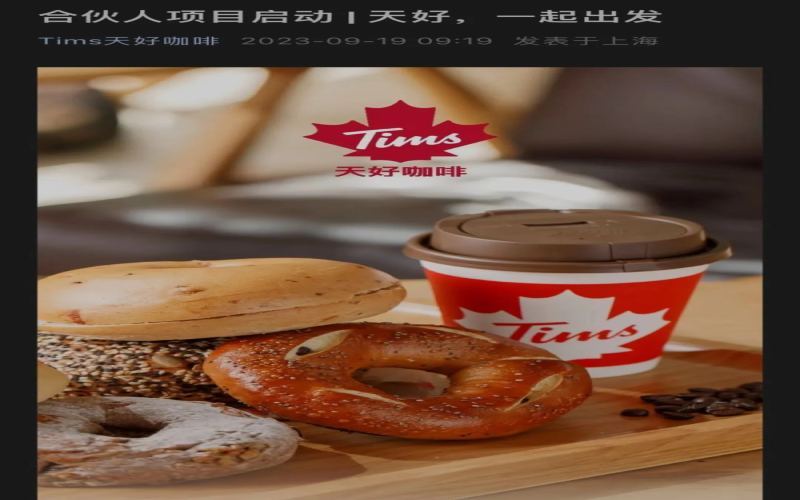
Tims China recently announced the launch of its "Partner Program," initially opening single-store franchising in Shanghai and Beijing, marking a shift in its franchising strategy from city-level franchising to a single-store model. However, the startup capital of over 600,000 yuan, its persistently loss-making financial performance, and the fiercely competitive market environment have sparked widespread discussion about this move. This article sorts through Tims' franchising details, cost structure, market background, and consumer feedback, exploring whether, amid intensifying competition in the coffee sector, opening single-store franchising is its "big move" to accelerate expansion or a reluctant response to difficult circumstances. [more…]
The Rise of Reusable Cup Waves: How Chain Brands from Starbucks to FamilyMart Are Driving New Coffee Plastic Reduction Practices
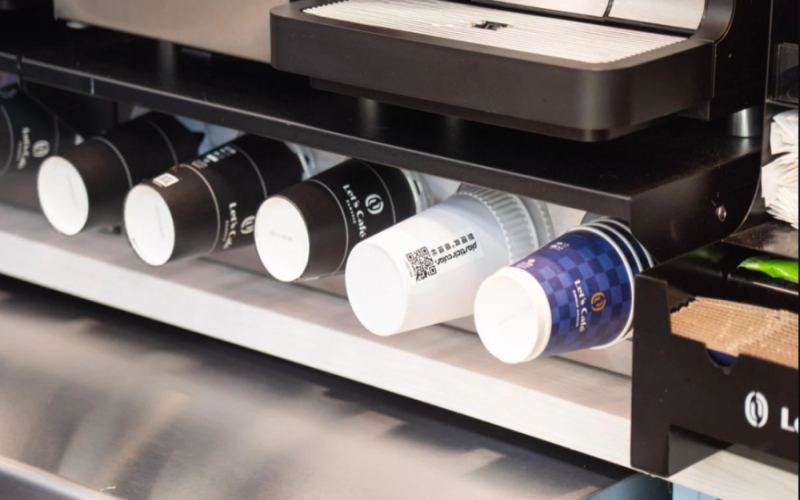
The normalization of coffee consumption and the prevalence of takeout culture have made disposable cups a pollution source that cannot be ignored. Environmental issues have long ceased to be a novelty in the coffee world—packaging innovation, coffee grounds reuse, paper straw replacements, as well as bring-your-own-cup discounts and in-store reusable cup pilots, are all being continuously explored. Recently, FamilyMart announced that it will massively roll out reusable cups to 400 stores in the Taiwan region, becoming East Asia's first convenience store chain to introduce reusable cups at scale. Previously, Starbucks launched a "borrowed cup" pilot in Seattle, and McDonald's also partnered with the Loop platform to test reusable cups. Can these initiatives truly change consumption habits and drive the industry to reduce plastic? This article will walk you through the practical paths of these pioneers and the real challenges they face. [more…]
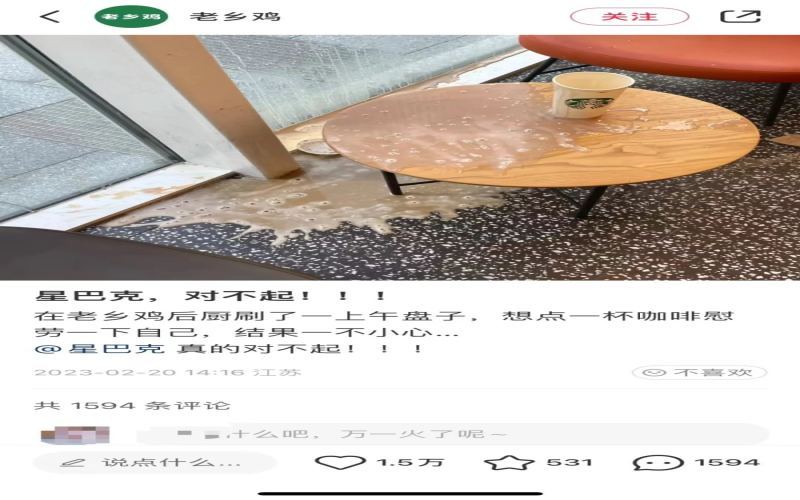
Lao Xiang Ji apologizes to Starbucks over coffee spill incident, netizens keep joking and call for a co-branded product
The chain chicken soup brand Laoxiangji unexpectedly went viral online due to a post apologizing to Starbucks. After the incident, Starbucks not only did not blame them, but also expressed concern about whether Laoxiangji employees had been burned by hot drinks. This interaction sparked heated discussions among netizens, who eagerly urged the two brands to collaborate on creative products such as chicken soup cold brew and chicken soup Americano. Laoxiangji then visited in person to apologize, bringing a handwritten apology letter and free chicken soup vouchers, and their sincere attitude won widespread praise. This article will provide a complete overview of the incident, the public relations strategies of both sides, and the amusing reactions of netizens, while also presenting professional content related to the coffee industry and product information from Front Street Coffee. [more…]