







How Do Pet-Friendly Cafes Change Coffee Manner and Spending?
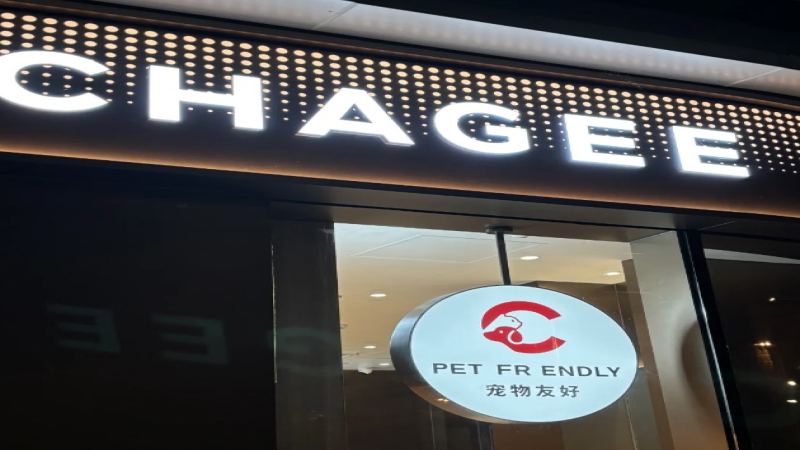
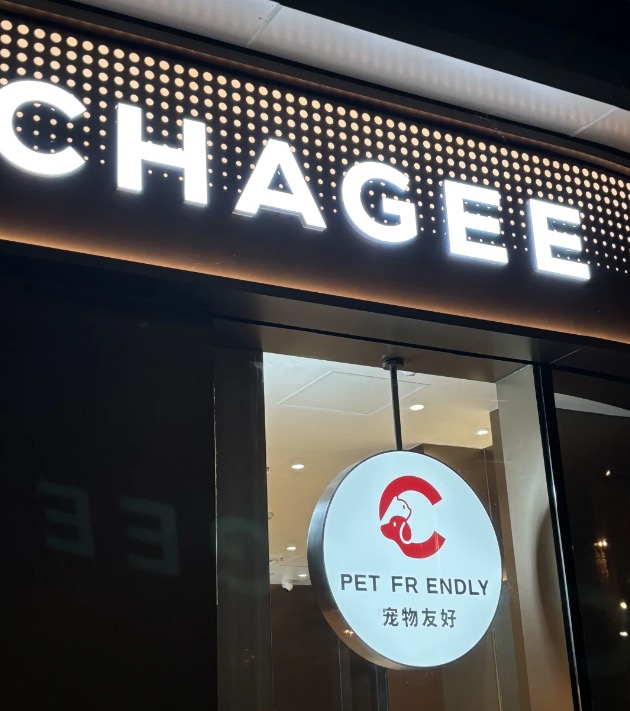
Chagee opened its first batch of pet-friendly stores on August 23 in Changsha, Kunming, Hangzhou, and Shijiazhuang, with more cities to follow. The stores allow pets inside and provide water bowls, poop bags, and litter boxes, aiming at owners who previously skipped a drink because shops never clearly said whether animals were welcome.
The pet economy reached 592.8 billion yuan in 2023 and is expected to pass 811.4 billion yuan by 2025, so tea and coffee brands are moving toward this demand. On social media, pet owners welcomed the news, while others raised hygiene and epidemic-prevention concerns, which will shape how far the pet-friendly model spreads.
For pet owners, whether they can bring their furry kids along when going out for a cup of coffee or milk tea is often a vexing question—many shops do not clearly indicate whether pets are allowed inside, leaving owners with no choice but to give up the purchase on their own. However, this situation is quietly changing. On August 23, Chagee's first batch of pet-friendly stores officially announced their opening, located in four cities—Changsha, Kunming, Hangzhou, and Shijiazhuang—with more cities to follow. So-called pet-friendly not only means not rejecting pets, but also includes providing dedicated facilities and services for pets and their owners, such as water bowls, poop bags, and litter boxes, advocating harmonious coexistence between people and pets. On social media, pet-owning netizens responded enthusiastically, but some also expressed concerns about hygiene and epidemic prevention. The pet economy reached 592.8 billion yuan in 2023 and is expected to exceed 811.4 billion yuan by 2025, and tea beverage brands are turning their eyes to this piece of the pie. This article will focus on Chagee's pet-friendly initiatives to explore the opportunities and controversies of the tea beverage industry's foray into the pet economy.
Bringing your cat or dog out, or sitting down for a cup of coffee? For many pet lovers, this was once a single-choice question. The reason is that many businesses did not give clear signs, and whether pets could enter the store remained ambiguous, so owners simply gave up the idea of spending. But the situation is gradually changing, and more and more operators are beginning to notice this demand, actively catering to the preferences of pet-owning groups and attracting furry kids' parents to spend in their stores. On August 23, Chagee announced that its first batch of pet-friendly stores opened, located in four cities—Changsha, Kunming, Hangzhou, and Shijiazhuang—with other cities to follow.
According to the common understanding, pet-friendly means that in public places or commercial spaces, pets are not only allowed to enter, but a convenient and comfortable environment is also created around pets and their owners. This is not just as simple as "not driving them away"; it also covers preparing dedicated facilities and services for pets, such as pet snacks, toys, and stroller rentals. Its core goal is to promote the integration of people and pets, advocate civilized pet ownership and scientific treatment of pets, and ultimately achieve harmonious coexistence between people and pets.
Regarding Chagee's move, netizens with pets at home on social media gave it likes. Some said bluntly, pet-friendly stores? Then their dog is in for a treat, and they are preparing to take it to try Boya Juexian. Some netizens also joked that if the store offers free cream, they will definitely take their dog to check in.
According to netizens' online sharing, when passing by Chagee's pet-friendly store in Changsha, they found that the store had set aside a special area with water bowls, poop bags, wet wipes, and even a litter box. Judging from these arrangements, the store has indeed done a decent job and can be called friendly.
Previously, Chagee had also planned a pet month themed event around its flagship product Boya Juexian, designing and launching pet-themed badges, pet badge blind bag packages, and other merchandise, successfully attracting a large amount of attention and truly reaping the dividends of the "pet economy."
However, the dividends of the "pet economy" are also a double-edged sword. Some netizens said that pet-friendly stores like this are fine for people who like pets, but those who do not like pets will only be bothered if they go. They themselves hate pets and will not patronize any store with pets, worrying that hygiene cannot be guaranteed, along with animal epidemic prevention issues and many hidden dangers such as whether pet hair will fall into food. Rather than agonize over it, it is better to make a clean cut and simply not go.
Whether the catering industry should open its doors to pets has always been a topic of disagreement online. Some consumers believe that apart from dedicated pet restaurants, it is perfectly normal for other restaurants, including food areas in shopping malls, to prohibit pets from entering. Some dog-owning catering practitioners also said that hygiene is crucial in the food business. Originally, the store also allowed customers to tie their pets with a leash in the outdoor courtyard, but later, due to pet issues, other customers complained to the market supervision department on the grounds of pet hair and odor, and since then the store no longer allows customers to bring pets inside.
It is reported that even in pet-friendly stores, there are certain thresholds for pets to enter. For example, pets must be legally kept and have vaccination certificates, in order to ensure the health and safety of the pets; store staff must have basic knowledge of treating pets scientifically, to ensure the safety of both pets and people; and most importantly, owners must be responsible for their pets' behavior, and pets injuring people must never be allowed. This is the concept of "two-way friendliness"—while ensuring pets' comfort, it must not cause adverse effects on employees and customers in the space.

According to incomplete statistics, tea beverage brands such as Starbucks, Heytea, Starbucks, Heytea, and Manner have all launched pet stores. "Pet-friendly" currently looks like a beautiful new thing, after all, public data shows that the scale of China's pet economy industry reached 592.8 billion yuan in 2023 and will reach 811.4 billion yuan in 2025. Not only is the industry scale expanding rapidly, but the mode of human-pet interaction is also gradually shifting from a "master-servant relationship" to the role of "family companionship." With such a huge market, it is no wonder that the tea beverage industry, after competing over product quality and price and co-branded merchandise, has set its sights on the cake of the "pet-friendly economy."
Image source: Internet
The above content is compiled by CoffeeHunters, a coffee news website.


