







Search Results for: reserved entry
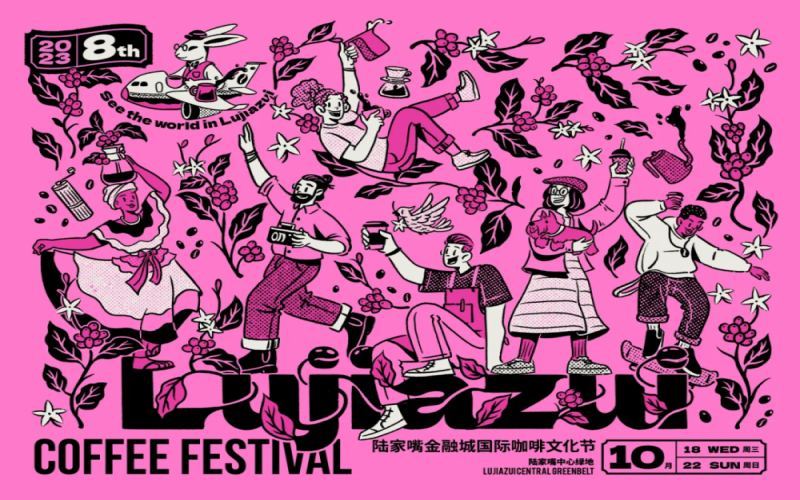
The 8th Lujiazui Coffee Festival has received mixed reviews: reservation-based crowd control and network upgrades won praise, while on-site crowding and blind box controversies persist.
The 8th Lujiazui Coffee Festival recently wrapped up in Shanghai, just half a year after the previous edition. The organizers made several adjustments in response to past issues, including full Wi-Fi coverage and timed-entry reservations. However, social media still buzzed with complaints: the venue remained packed, reservation slots were hard to secure, the 138–168 yuan coffee mystery boxes were seen as disguised ticketing, and some foreign brand experiences fell short of expectations. Despite gathering 100+ cafés from 25+ cities and brands from multiple countries, the event's weak offerings still hurt its reputation. This article reviews the highlights and gripes of this year's coffee festival. [more…]
The Unique Charm of Panama Geisha and the Rise of Nugu Estate
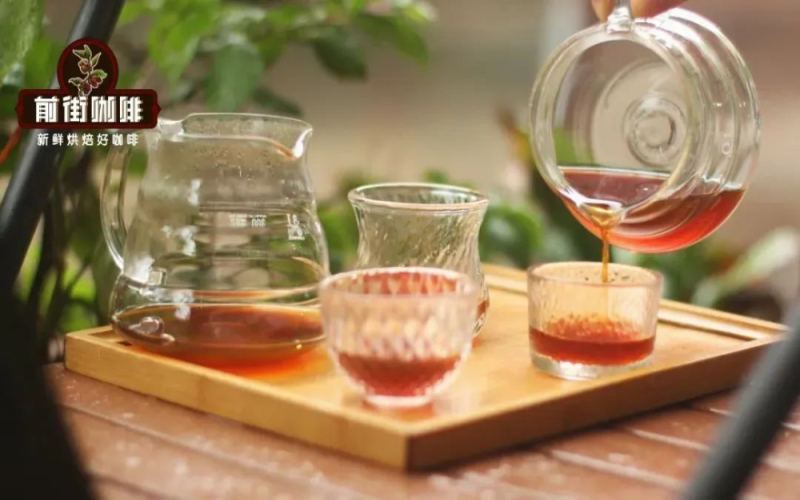
The Geisha variety is renowned in the coffee world for its delicate floral aroma and peach notes, and Panama is the core stage for this legendary variety. From being initially ignored to achieving fame at Hacienda La Esmeralda, Geisha's rise owes much to the deep cultivation by many estates. Among the many producers in Panama, the Gallardo family and their Nugu estate are particularly noteworthy—this micro-estate, located in a remote rainforest reserve, won the Best of Panama Washed category championship on its first entry, thanks to its unique microclimate and meticulous management. This article will guide you through Geisha's flavor characteristics, the layout of Panama's main producing regions, and how Nugu Estate went from zero to becoming a dark horse in the specialty coffee world. [more…]
Starbucks Reserve at Parc Central in Guangzhou Confirmed to Close: Why Do Stores in Core Commercial Districts Also Struggle to Survive?
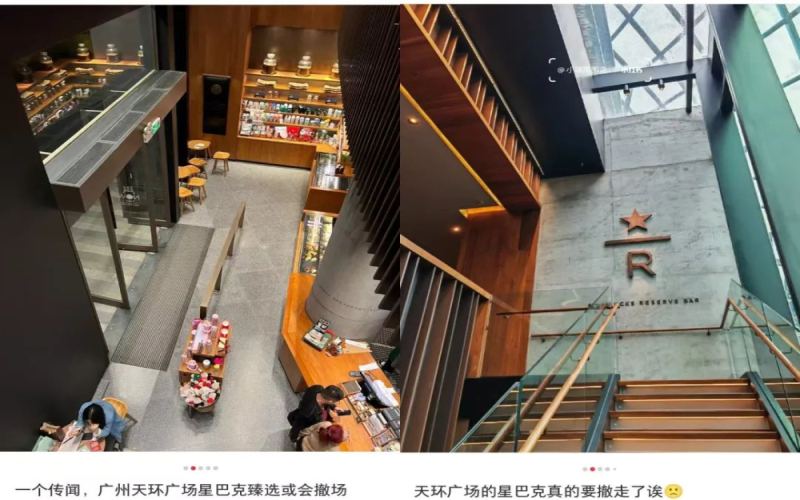
Recently, news emerged that the Starbucks Reserve store at Guangzhou's Parc Central is set to close, with official confirmation that it will officially cease operations in the coming days. This store, which opened in 2017, was created by Starbucks to celebrate its 15th anniversary of entering the South China market and was once hailed as "one of Guangzhou's most design-forward stores." Unlike previously closed old stores located in declining foot traffic commercial districts, this closure is in a core commercial area of Tianhe District, surrounded by luxury brands, and the store was almost always full on a daily basis. However, high rent, low table turnover caused by the open-plan space, and phenomena such as "people only checking in for photos without consuming" may have made it difficult for the store to be profitable after deducting costs. Starbucks stated that the reason for the closure is adjustments to the business mix in the commercial district and said there are still more than 10 nearby stores for consumers to choose from. [more…]
A Detailed Guide to Hacienda La Esmeralda Geisha Grades: What Exactly Sets Red Label, Green Label, and Blue Label Apart
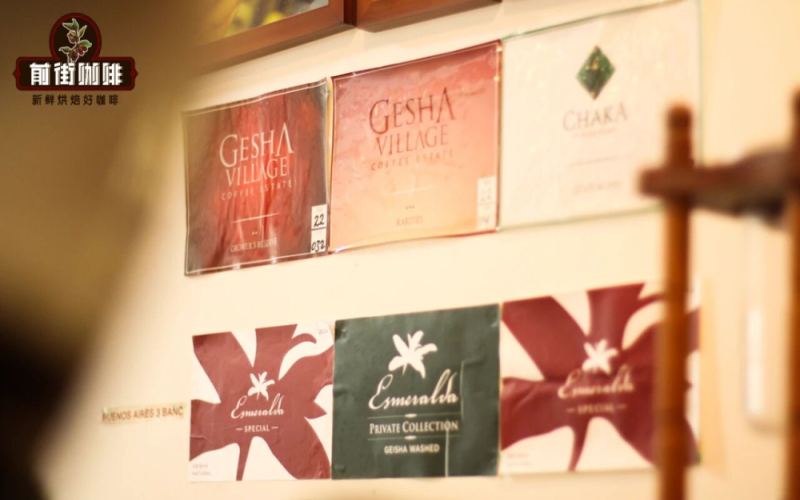
Hacienda La Esmeralda in Panama is a major force behind the Geisha variety's rise to the world stage, and its Geisha beans are classified into three grades—Red Label, Green Label, and Blue Label—based on growing altitude and cupping performance. Red Label represents the pinnacle of the auction lot, Green Label is a reserve-grade blend of micro-lots, and Blue Label is an entry-level selection. The three differ in flavor expression and market positioning, and their prices and methods of acquisition are entirely different. This article will go through each grade one by one—origin source, altitude range, cupping threshold, processing method, and flavor characteristics—to help coffee lovers clearly identify Hacienda La Esmeralda's Geisha grading system, while also introducing the corresponding product information from Front Street Coffee. [more…]
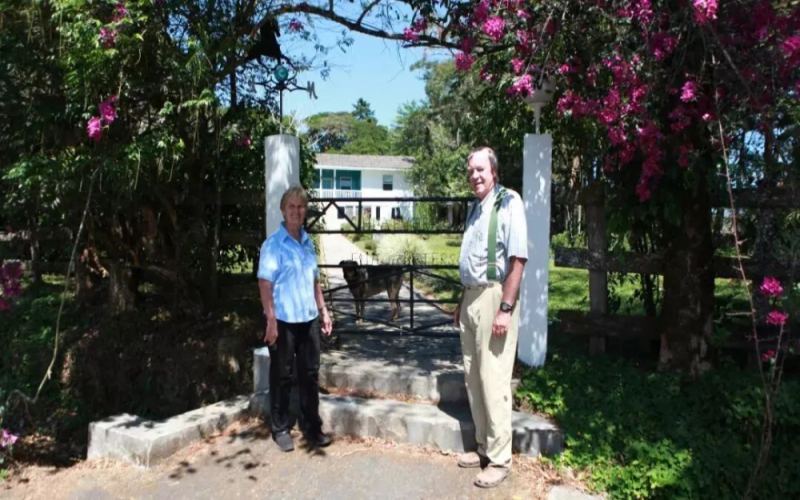
Hacienda La Esmeralda Geisha Grading Guide: What Exactly Is the Difference Between Red Label, Green Label, and Blue Label?
New-crop Geisha coffee beans are arriving one after another. Front Street Coffee recently compared the differences between Geisha Village's Gold Label, Red Label, and CHAKA. This time, we turn our attention to Panama's Hacienda La Esmeralda and discuss how its three grades—Red Label, Green Label, and Blue Label—are actually divided. Since Hacienda La Esmeralda rose to fame at the 2004 Panama Cup of Excellence, it has become a benchmark in the specialty coffee world thanks to the Geisha variety. Based on altitude, cup performance, and batch source, the estate divides its Geisha beans into auction-level Red Label, reserve-level Green Label, and select-level Blue Label. The three differ in flavor profile, processing method, and purchasing channels, and Front Street Coffee has also conducted separate pour-over comparisons for each. If you are choosing a Hacienda La Esmeralda Geisha, this summary may help you clarify your thinking. [more…]
The Origin of the Name of Phoenix Dancong Duck Shit Aroma and the Story of Wenzhong Ancient Tea Trees: A Field Report on Tea Hunting in Fenghuang Town, Chaozhou
Chaozhou Fenghuang Town is the core production area of Fenghuang Dancong oolong tea, and what story lies behind the peculiar name "Duck Shit Fragrance"? This article records our tea-seeking experience in Fenghuang Village: this year's climate has been on the cool side with less rainfall, slowing tea growth but bringing a more lingering aftertaste. We reserved several old tea trees and purchased excellent-quality Milan Fragrance, Wenzhong Dancong, as well as Old Bush Duck Shit Fragrance and Old Bush Song Zhong. Among them, the Wenzhong tea tree was rescued from the brink of death and revived; the owner, Mr. Wen, out of gratitude, finally agreed to sell the fresh leaves, but starting next year it will switch to auction, and the price may more than triple. Front Street particularly recommends this batch of old bush tea with excellent value for money, worthy of attention from coffee and tea enthusiasts. [more…]
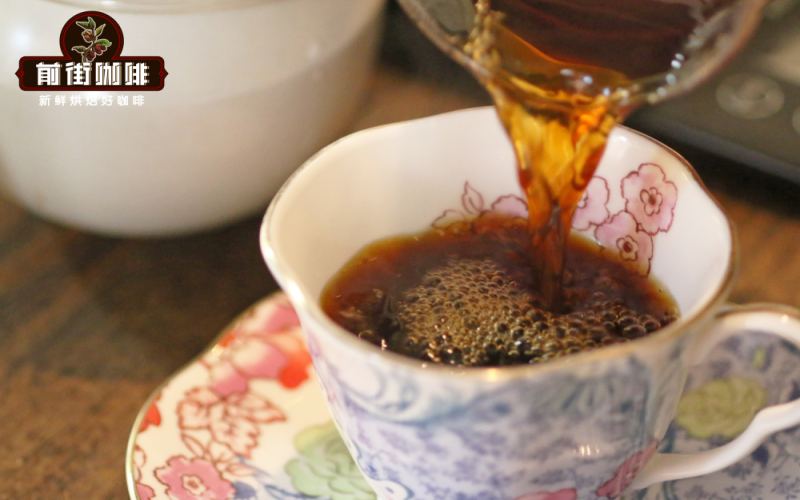
A Complete Analysis of the Ethiopian Yirgacheffe Coffee Bean: Regional Characteristics, Flavor Profile, and Pour-Over Brewing Parameters
In the landscape of specialty coffee, Yirgacheffe is a name that cannot be overlooked. Almost every café with single-origin beans reserves a spot for it on the menu. This small town in southern Ethiopia, sitting at 1,700 to 2,100 meters above sea level, how did it become a favorite of countless coffee lovers? This article, from the perspective of Front Street Coffee, takes you through Yirgacheffe's growing region background, variety characteristics, cooperative operations, and the flavor differences brought by the two major processing methods: washed and natural. At the end, it also shares specific information on three representative beans—Front Street washed Yirgacheffe, Gotiti Cooperative, and Red Cherry—along with practical pour-over tips to help you more confidently brew a clean and bright cup of Yirgacheffe. [more…]
Yirgacheffe Region Full Analysis: Grading System, Native Varieties, and Washed vs. Natural Flavor Comparison
Yirgacheffe is a name that cannot be overlooked on the global specialty coffee map, and almost every single-origin coffee shop reserves a place for it. This high-altitude town located in the Sidama region of southern Ethiopia—what exactly is it about this place that has captured the taste buds of countless coffee lovers? From the perspective of Front Street Coffee, this article systematically sorts out Yirgacheffe's production region background, grading logic, variety characteristics, and the flavor differences brought by the two major processing methods, washed and natural, and also includes specific recommendations and brewing suggestions for Front Street's Yirgacheffe series products, helping you gain a comprehensive understanding of this classic production region from beginner to advanced level. [more…]
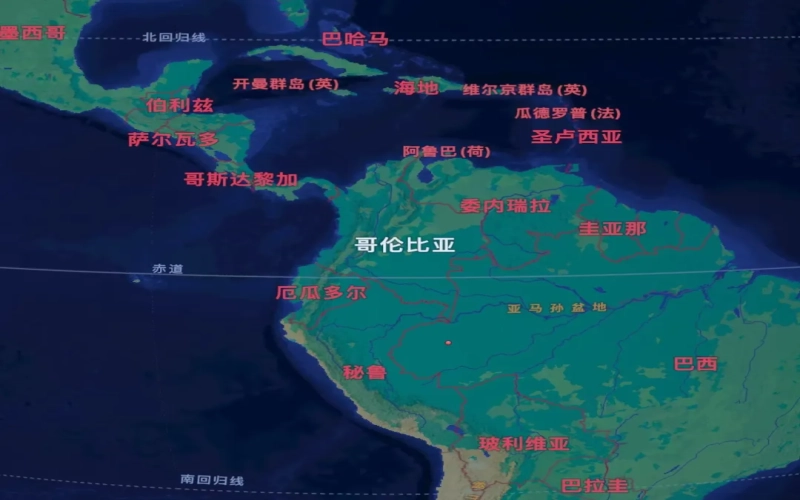
A Complete Guide to Colombian Coffee Regions: From Terroir to Huila Washed Entry-Level Bean Recommendations
Colombia, as the world's third-largest coffee-producing country, nurtures specialty coffees with diverse flavors thanks to the varied terrain and microclimates of the Andes Mountains. This article begins with geography, climate, and the meaning of the national flag, then systematically introduces five major producing regions—Antioquia, Santander, Nariño, Cauca, and Huila—and highlights Front Street Coffee's Huila washed entry-level bean: under a medium roast, it presents dark chocolate, nuts, caramel, and soft fruit acidity, making it suitable for pour-over enthusiasts to enjoy as an everyday cup. [more…]
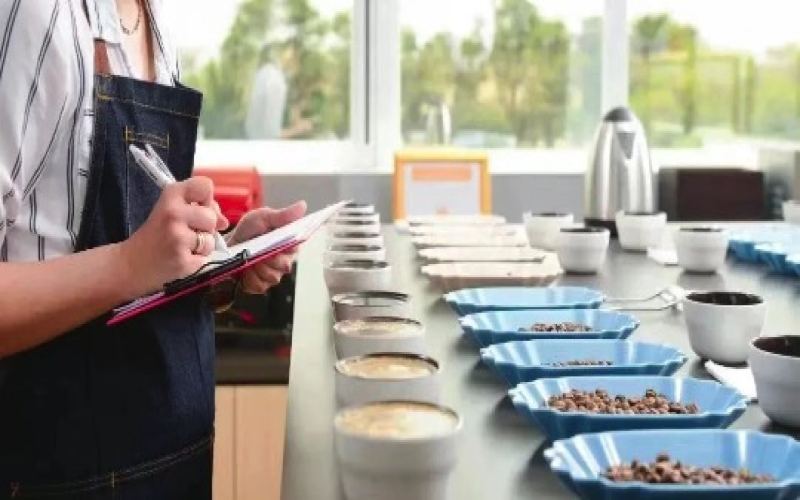
What is a Q-Grader? Is it worth taking the test?
There always is such a group of people who have obtained a code for self-reference due to the particularity of their profession. Even in the seemingly not vast field of coffee, there is also such a profession. After the concept of specialty coffee wa [more…]
A Complete Guide to Ru Ware Tea Set Price Ranges, Authentic Entry-Level Buying Channels, and the Characteristics of Ru Porcelain
Ru ware, as one of the five great kilns of the Song Dynasty, is famous for its elegant sky-blue glaze and fine crackle patterns. Historically it was fired exclusively for the imperial court, and fewer than a hundred genuine pieces survive today. Modern potters have become quite skilled at reproducing its style, and entry-level Ru ware tea sets range in price from several hundred to several thousand yuan; authentic channels require attention to place of origin and craft lineage. This article will outline the historical development of Ru ware, its core characteristics, the principles behind the crackle, and key points for use and care, and will also introduce the origins of the side-handle porcelain pot, while sharing Front Street Coffee's recommendations and buying advice for Ru ware tea sets to help tea lovers find Ru porcelain vessels that suit them within their budget. [more…]

Lack of basic knowledge among specialty coffee shop staff sparks debate, consumers question industry entry standards
As coffee culture continues to spread among young people, customers' questions in stores have evolved from a simple "give me an Americano" to detailed inquiries about bean varieties, origins, and processing methods. This places higher demands on the professional knowledge of coffee practitioners. However, a customer recently asked about the processing method of Ethiopian beans at a newly opened coffee shop and was met with the awkward scene of the staff being completely unable to answer, sparking heated discussion online about the barriers to opening a coffee shop and the baseline of professionalism in the coffee industry. Behind the incident is a reflection of the gap between specialty coffee pricing and professional service, and it also prompts people to think: to open a coffee shop, do you really need to understand coffee? [more…]
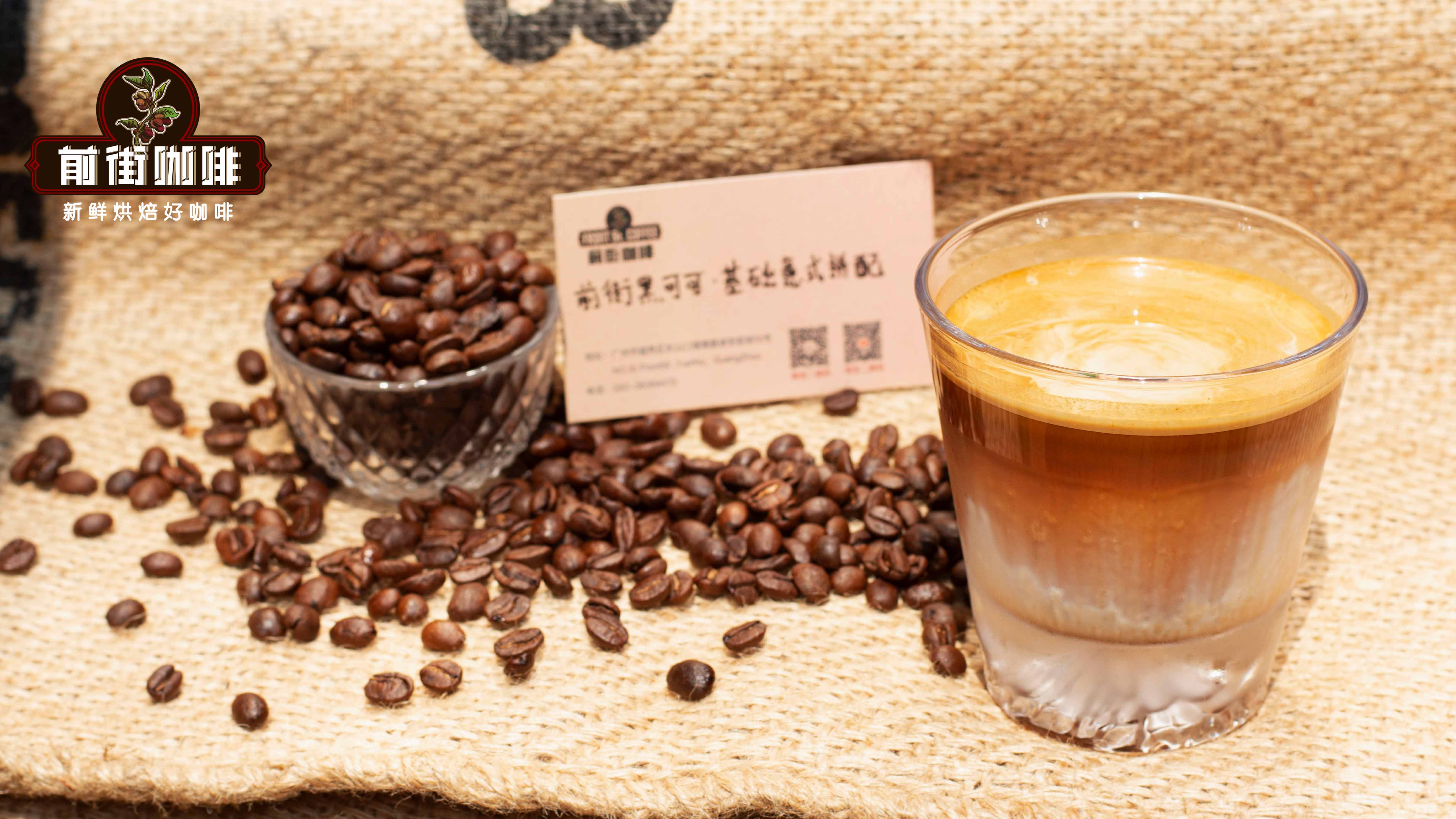
A Beginner's Guide to Blended Coffee Beans: Blending Principles, Common Classifications, and Recommended Ratios for Newbies
Blended coffee beans are coffee products made by mixing beans from two or more origins in a certain proportion, thereby achieving a balanced taste and richer flavor layers. For enthusiasts who are new to blends, understanding the characteristics of different blending ratios, as well as the influence of roast level on flavor, is the first step in choosing what suits their own taste. Front Street Coffee has launched a number of espresso blends for home users and cafe operators, covering everything from basic entry-level options to floral and fruity styles. This article will introduce three of the most representative blending approaches, and sort out the respective suitable groups and scenarios for medium roast, dark roast, and decaf, helping beginners find their own preference direction. [more…]
The Complete Guide to Pour-Over Geisha Coffee: Grind Size, Water Temperature, Coffee-to-Water Ratio, and Tracing the Flavor of Panama's Hacienda La Esmeralda
Geisha is renowned in the pour-over world as "delicious no matter how you brew it," but to fully unlock its layered complexity, parameters like grind size, water temperature, and coffee-to-water ratio still deserve careful attention. This article draws on Front Street Coffee's hands-on Geisha pour-over experience to outline recommended parameters and brewing rhythm for the V60 dripper, while tracing how Panama's Hacienda La Esmeralda propelled this variety onto the specialty coffee stage. It also introduces Geisha's place of origin, the influence of high-altitude cultivation on flavor, and typical tasting notes such as fruit aromatics on the entry, citrus and licorice, and honeyed sweetness, helping coffee enthusiasts more consistently present Geisha's juicy mouthfeel and aromatic layers in everyday brewing. [more…]
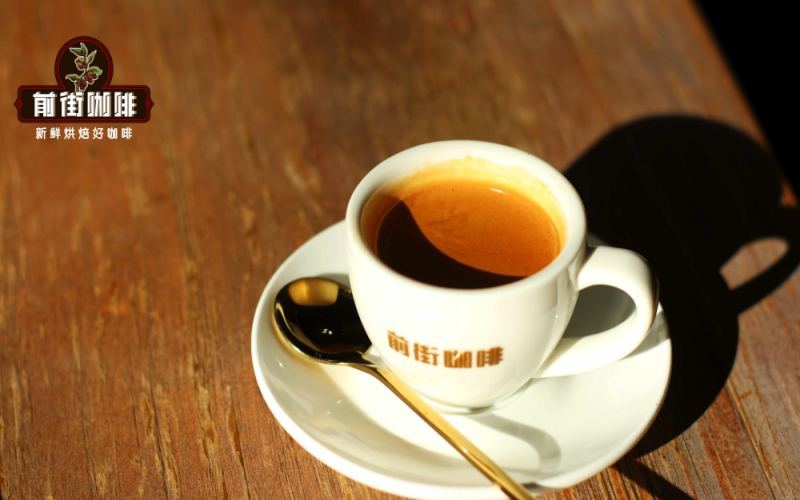
How do you drink espresso in a truly professional way? Can you add sugar? An in-depth look at how seasoned coffee lovers drink it.
Espresso does not appear on the regular menu in many cafés; it is more like a hidden option reserved for connoisseurs, and the same is true at Front Street Coffee. As a result, many friends who are new to coffee find it unfamiliar, unsure what kind of drink it actually is or how to properly taste it. From the perspective of Front Street Coffee, this article discusses what espresso is really about, why it is served with a glass of ice water, what the standard tasting steps are, whether sugar can be added for flavoring, and the demands a good espresso places on coffee beans and extraction technique. If you also want to understand this small yet intense cup of coffee, read on. [more…]
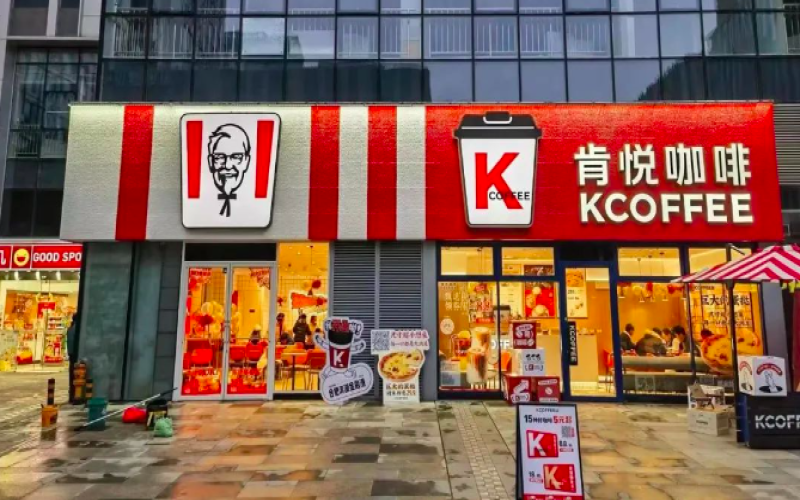
KFC's KCOFFEE enters the fray against the odds, its 9.9 yuan strategy stirs up the coffee market
As Luckin's 9.9-yuan coffee gradually shrinks and Cotti also announces price adjustments, KCOFFEE, KFC's independent coffee brand, has made a high-profile entry with 9.9 yuan as its selling point, becoming a dark horse in the coffee price war. This new brand, less than a year old and with just over a hundred stores, relies on the supply chain advantages of Yum China, focuses on low prices with high quality and product differentiation, and is targeting lower-tier markets for accelerated expansion. Can it gain a firm foothold in the fiercely competitive coffee industry? This article will review KCOFFEE's entry path, strategic playbook, and market prospects, while also preserving relevant recommendations and product information for Front Street Coffee for coffee enthusiasts. [more…]
Costa Rica Musician Series Bach Coffee: Variety Characteristics and V60 and Other Pour-Over Brewer Brewing Parameters Explained
This article focuses on the Costa Rica Musician Series Bach released by Front Street Coffee. It first introduces the background of its producing region, estate, processing method, and Caturra variety, then explains the flavor positioning and brewing approach for this bean. The article uses the V60, cake filter, and Ice Eye dripper for comparison, providing water temperature, grind size, coffee-to-water ratio, and a three-stage pouring technique, and records the flavor changes at high temperature, medium temperature, and after complete cooling. It is suitable as a reference for coffee enthusiasts who want to understand the characteristics of the Musician Series Bach and who hope to replicate its high sweetness, full body, and clean expression. [more…]
Brazil Santos Coffee Beans: Flavor Characteristics of the Semi-Washed Process and Analysis of the Santos NO.2 Grade
Brazil, as a producing country accounting for as much as thirty percent of global coffee production, has coffee beans from its southeastern producing regions mostly exported through the Port of Santos, hence the name Santos coffee. This article focuses on the Brazil Santos semi-washed coffee beans recommended by Front Street Coffee, sorting through the producing region background, flavor expression, grade classification, and blending applications layer by layer. These beans have a harmonious aroma and a neutral, delicate fragrance, with notes of dried red dates, cinnamon, nutmeg, and earthy tones; the entry is balanced, followed by a gradually emerging slight acidity, with a faint bitterness lingering in the aftertaste. The article also explains in detail the screening criteria for Santos NO.2, the highest grade of Brazil Santos, and clarifies the key role of Brazilian beans in blended coffee in softening acidity and stabilizing quality, making it suitable reading for enthusiasts who wish to gain a deeper understanding of Brazilian coffee characteristics and blending logic. [more…]
What does the frog logo on the Blue Mountain coffee barrel represent? Is Jamaican Blue Mountain Rainforest Alliance certified?
Friends who drink coffee regularly are certainly no strangers to the fame of Blue Mountain Coffee, but have you ever noticed the frog logo on Blue Mountain coffee barrels? It is actually closely tied to Rainforest Alliance certification. This article begins with Front Street Coffee's introductory experience and gradually breaks down Blue Mountain Coffee's legally defined production area, strict grading, unique barrel packaging, and why it has become a scarce treasure among specialty coffees. It will also explain Clifton Mount Estate's special certification status within the Blue Mountain production area, and introduce the flavor characteristics and availability channels of Front Street Blue Mountain No.1, giving you a comprehensive understanding of this legendary coffee. [more…]
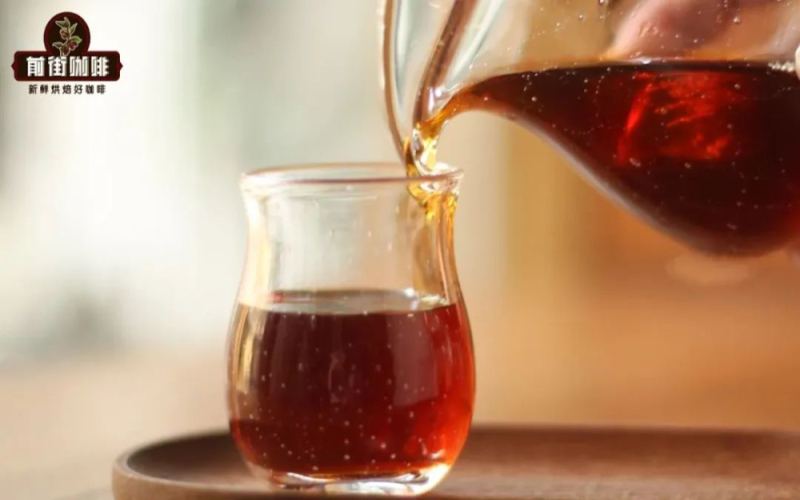
Why is cold brew coffee priced higher? A breakdown of its cost structure and a guide to choosing single-origin beans for cold brew
On a scorching summer day, cold brew drip coffee becomes a best-selling item in many cafés, yet its price is often higher than an Americano or a latte. What exactly keeps cold brew drip coffee priced so high? This article breaks down the cost structure of cold brew drip coffee in detail from multiple dimensions, including the brewing process, equipment requirements, time costs, and raw material usage. At the same time, Front Street will also share how to choose the right single-origin coffee beans when making cold brew drip coffee, as well as the core flavor differences between cold brew drip and cold brew, helping coffee lovers gain a more comprehensive understanding of this craftsmanship that takes over ten hours to complete. [more…]