







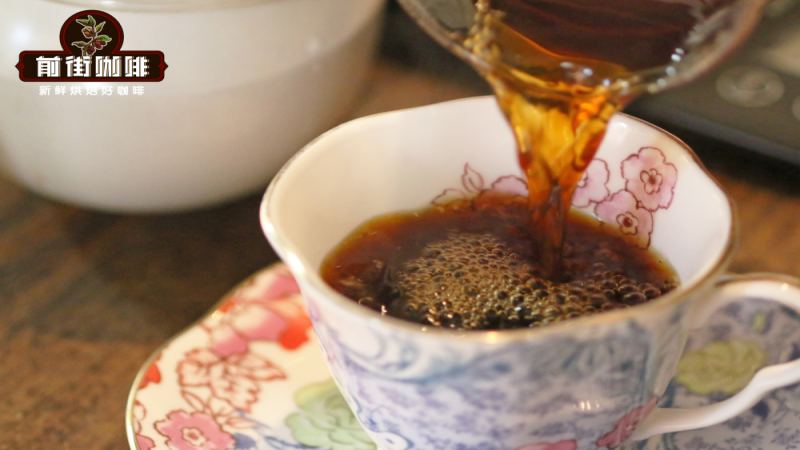
Yirgacheffe is a name that cannot be overlooked on the global specialty coffee map, and almost every single-origin coffee shop reserves a place for it. This high-altitude town in the Sidamo region of southern Ethiopia—what exactly has allowed it to capture the taste buds of countless coffee lovers? From the perspective of Front Street Coffee, this article systematically sorts out Yirgacheffe's producing region background, grading logic, variety characteristics, and the flavor differences brought by the two major processing methods, washed and natural, and also includes specific recommendations and brewing suggestions for Front Street's Yirgacheffe series products, helping you fully understand this classic producing region from beginner to advanced level.
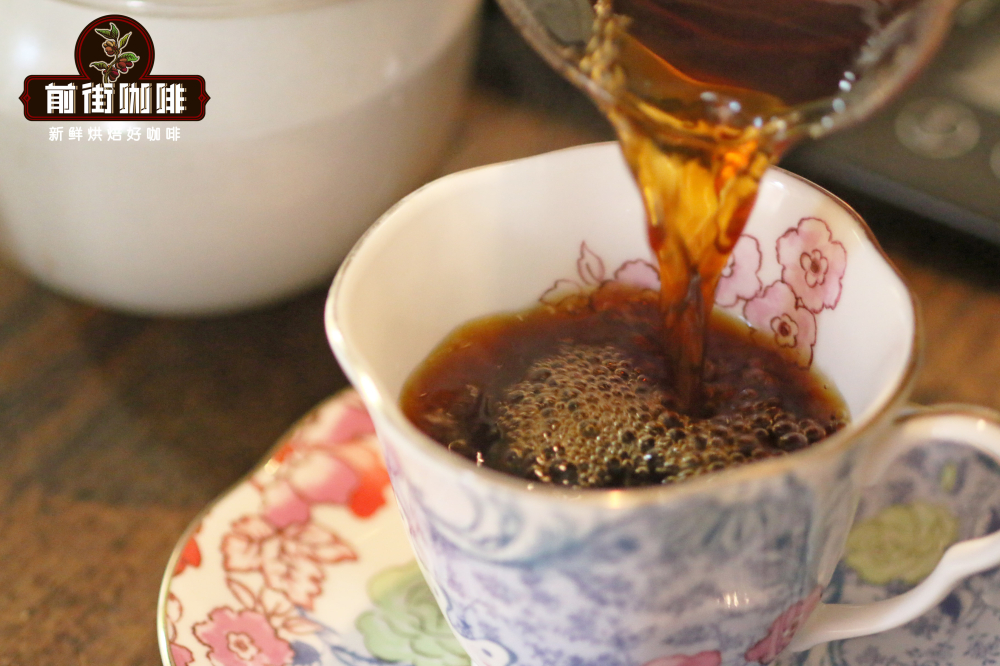
If you casually open the menu of any shop serving single-origin coffee, you can almost always find a bean labeled Yirgacheffe. What exactly is the charm of this producing region that has kept it enduring in the specialty coffee world? Today, Front Street Coffee (FrontStreet Coffee) will take you into a deeper understanding of this legendary small town in Ethiopia—Yirgacheffe.
Yirga cheffe is located within the Sidamo region of southern Ethiopia, at an altitude ranging from 1,700 to 2,100 meters, while the plots actually cultivating coffee are usually above 1,800 meters. For this reason, it is regarded as one of the highest coffee-producing regions in the world and has long become a calling card of Ethiopian specialty coffee.
The coffee produced here is highly recognizable: a fresh profile, bright and transparent citrus-like acidity, with faint floral aromas and a sweet finish reminiscent of green tea. Generation after generation of coffee lovers have been captivated by it. Based on this unique flavor performance, in 2010 the Ethiopia Commodity Exchange officially separated Yirgacheffe from the Sidamo producing region, and the Yirgacheffe producing region was thus named.
The small town of Yirgacheffe is shrouded in mist all year round, mild as spring throughout the four seasons, with constant breezes and a cool, humid climate. Thousands of coffee trees grow luxuriantly here, creating Yirgacheffe's terroir personality in which floral and fruity aromas interweave with ever-changing layers. The significant temperature difference between day and night brought by high altitude extends the growth and ripening cycle of the coffee fruit, and because of this the coffee from this producing region can display even richer flavor dimensions.
One point needs to be made clear: although the coffee produced here can all be labeled with the name Yirgacheffe, Yirgacheffe itself is the name of a producing region, not a variety name. Ethiopia is the birthplace of coffee varieties worldwide, and a large number of wild varieties that have not yet been named or even discovered still exist within its borders. Local coffee farmers mostly plant whatever they have, and coffee trees of different varieties are often mixed together on the same plot.
Because of the lack of detailed variety classification, traders from various countries use "Heirloom" as a general term for those Ethiopian coffees that have not yet been subdivided and named. It is also precisely because the bean sizes of various varieties differ that coffee beans from the Yirgacheffe producing region usually appear uneven in size, which has instead become an iconic characteristic of Ethiopian coffee.
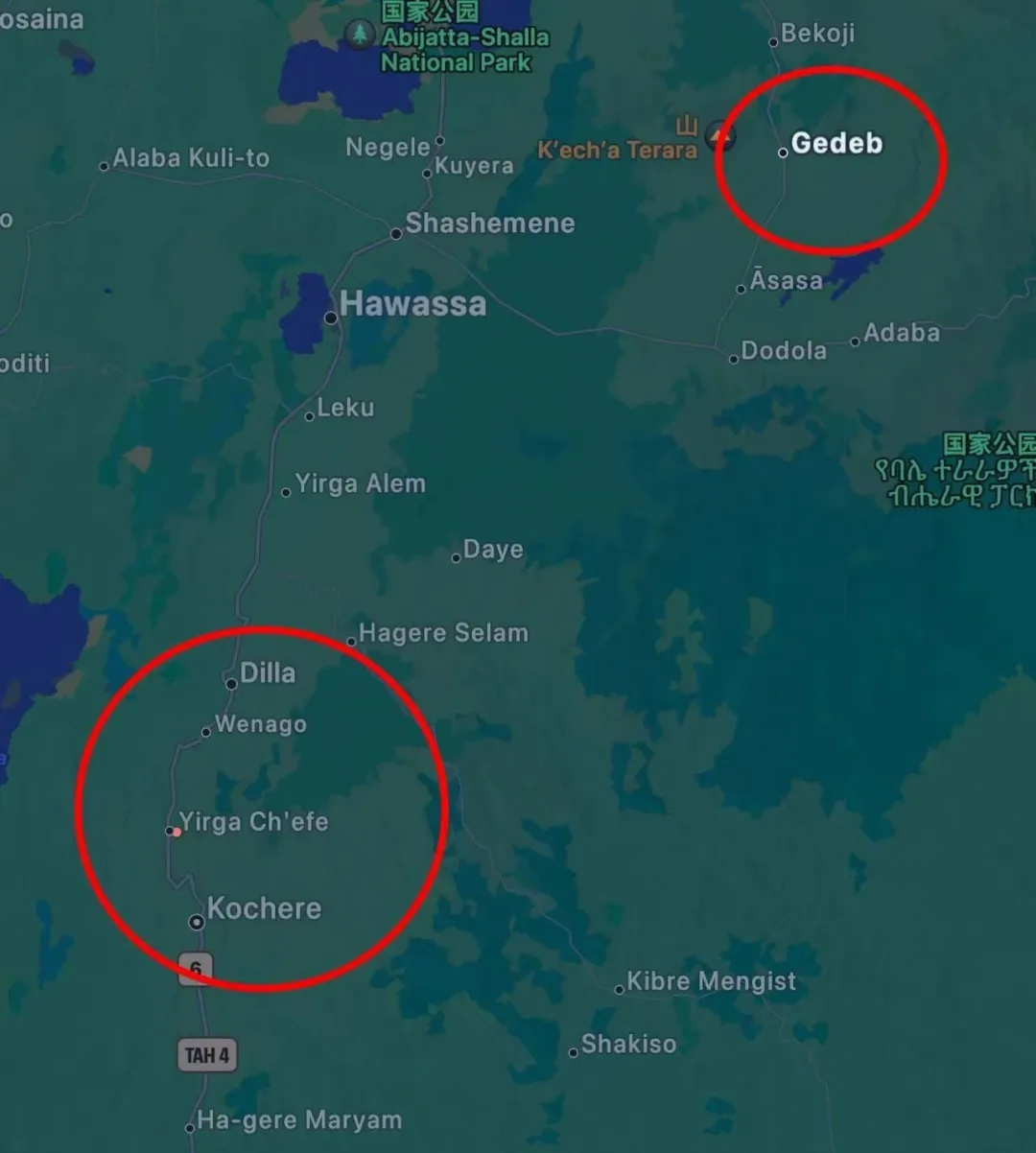
As a traditional coffee-producing region, Yirgacheffe's coffee farmers first send the coffee cherries to nearby cooperatives for centralized processing after harvest, and then trade them externally under the name of the processing station. Therefore, most of the Yirgacheffe coffee beans we buy appear in the form of "Ethiopia Yirgacheffe such-and-such cooperative such-and-such processing station." At present, the better-known cooperatives include Gutingting, Aricha, Worka, Kochere, and others.
If you want to get to know this classic producing region, it is recommended to start with entry-level beans featuring the basic flavor profile, then try the washed Yirgacheffe Gutingting Cooperative, and then advance to the naturally processed Yirgacheffe Red Cherry coffee beans.
Entry-level selected recommendation—Front Street Washed Yirgacheffe
Producing region: Ethiopia Yirgacheffe
Altitude: 2,300 meters
Variety: Heirloom
Processing method: Washed
Flavor description: Lemon, citrus, tea-like, honey, berries
Recommended reason: Presents the classic Yirgacheffe flavor, affordable, suitable as a daily staple bean
Yirgacheffe advanced recommendation—Front Street Gutingting Cooperative coffee beans
Producing region: Yirgacheffe producing region
Altitude: 1900-2000m
Processing method: Washed
Variety: Heirloom
Flavor: Jasmine
Citrus
Berries
Tea-like
Aletaland Cooperative encourages coffee farmers to pick only fully ripe coffee cherries, which are then sent to the cooperative for uniform natural processing, thereby giving the coffee higher sweetness and fuller fruit flavors. These fully ripe cherries have been given a lovely name—"Red Cherry."
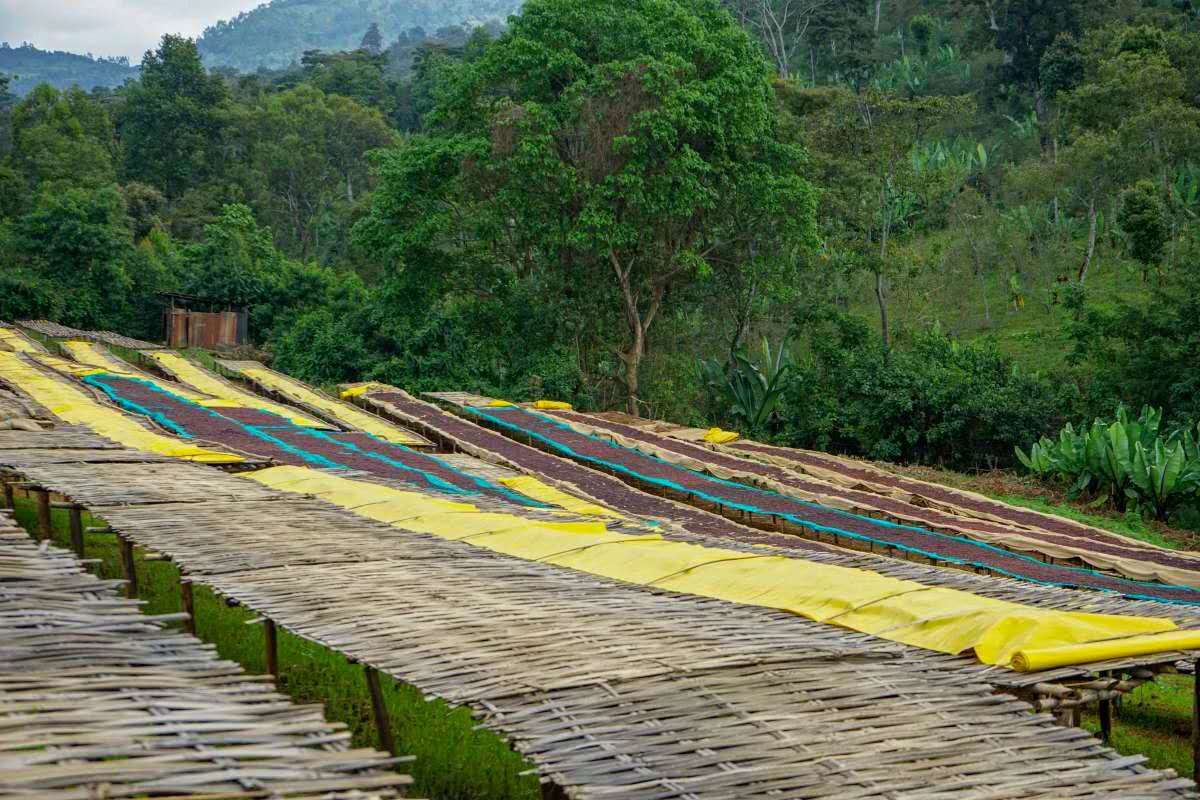
Yirgacheffe recommendation—Front Street Red Cherry coffee beans
Producing region: Yirgacheffe Aletaland Processing Station
Altitude: 2300m
Variety: Ethiopian Heirloom
Processing method: Natural processing
Flavor: Citrus, berries, fruity fermentation aroma, honey, creamy mouthfeel
The most fundamental difference between washed and natural is that washed processing first removes the skin and pulp, then puts the beans into a clean water tank for fermentation, removes the remaining mucilage, and then sun-dries them. Therefore, washed beans have a shorter drying cycle, a cleaner overall flavor, and more prominent acidity.
Natural processing, on the other hand, retains the skin and pulp, and the whole fruit is directly sun-dried. In a high-temperature environment, the sugars in the pulp ferment, and the coffee beans absorb the flavor substances produced by fermentation during this process, while some of the sugars from the pulp are also transferred into the bean itself. Therefore, natural beans often carry a slight fermentation aroma, and their sweetness is more obvious.
When brewing coffee beans from the Front Street Yirgacheffe producing region, Front Street Coffee (FrontStreet Coffee) recommends using a higher water temperature and a grind size like fine granulated sugar (80% passing through a Chinese No. 20 standard sieve). High altitude makes the coffee beans denser and harder, and most roasters choose a light roast when handling Yirgacheffe in order to preserve its fresh profile and bright acidity. For this reason, soluble substances are released more slowly during extraction, making it suitable to extract with a water temperature of 90-92 degrees Celsius together with a medium-fine grind.
The brewing ratio recommended by Front Street Coffee (FrontStreet Coffee) is 1:15, using a three-stage pour: after starting the timer, pour for the first time to 30g and let it bloom for 30 seconds; for the second stage, pour in a small stream in circles to 125g, and continue pouring after the water level in the coffee bed drops by half; for the third stage, still pour in a small stream in circles to 225g, and wait for all dripping to finish. The total extraction time should be controlled at around 2 minutes 00 seconds to 2 minutes 10 seconds.
The above content is compiled by CoffeeHunters, a coffee news website.


