







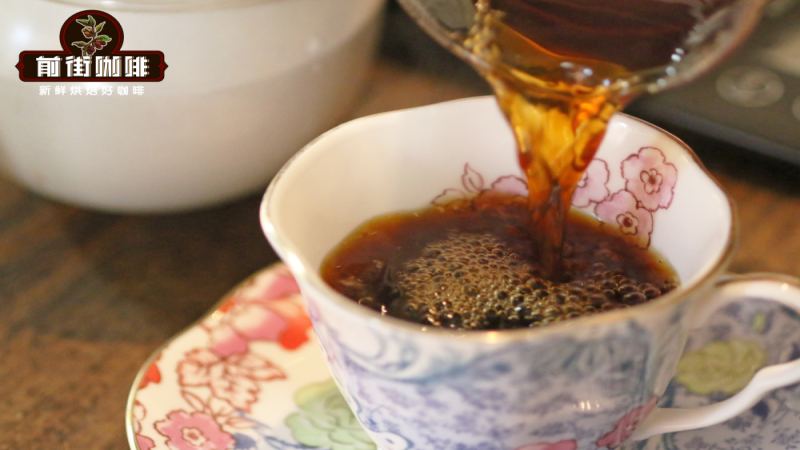
What Makes the Yirgacheffe Coffee Bean Origin So Distinct?
Yirgacheffe is a small town in the Sidama region of southern Ethiopia, sitting at roughly 1,700 to 2,100 meters above sea level, with coffee trees usually planted above 1,800 meters. Beans from this coffee bean origin are known for bright citrus-like acidity, floral notes, and a green-tea sweetness, and they appear on many single-origin menus.
In 2010 the Ethiopia Commodity Exchange separated Yirgacheffe from Sidama, and it has since been recognized as an independent origin. Washed and natural processing give different profiles, and pour-over brewing with careful parameters helps bring out a clean, bright cup. Regional cooperatives handle sorting and lot separation for the area.
In the specialty coffee landscape, Yirgacheffe is a name you can't avoid. Almost every cafe that offers single-origin beans reserves a place for it on the menu. This small town in southern Ethiopia, sitting at 1,700 to 2,100 meters above sea level, what makes it the darling of countless coffee lovers? This article, from the perspective of Front Street Coffee, introduces Yirgacheffe's origin background, variety characteristics, cooperative operations, and the flavor differences brought by the two major processing methods: washed and natural. At the end, we'll also share specific information on three representative beans—Front Street washed Yirgacheffe, Gedeb Cooperative, and Red Cherry—along with practical pour-over tips to help you brew a clean, bright cup of Yirgacheffe with more confidence.
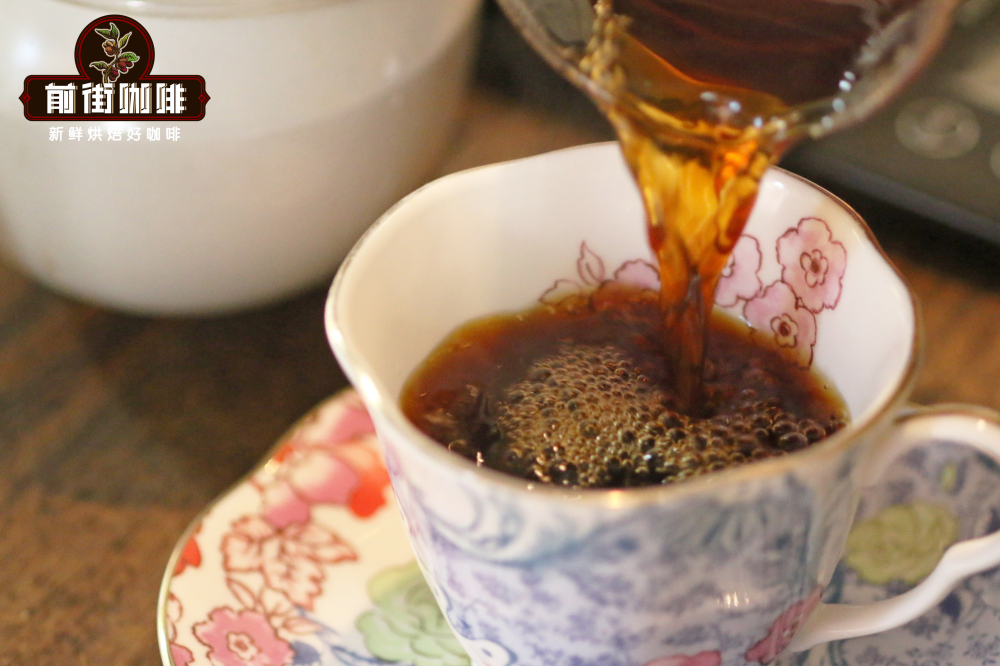
Walk into any shop serving single-origin coffee, and chances are you'll find a Yirgacheffe on the menu. Why has this region from Ethiopia won such widespread affection? Today, Front Street Coffee will introduce you to this treasure of a town and show you what makes Yirgacheffe coffee beans so captivating.
Yirga cheffe is a small town located in the Sidama region of southern Ethiopia, at an elevation of about 1,700 to 2,100 meters, while coffee trees are usually planted above 1,800 meters. Because of this, it is regarded as one of the highest coffee-growing regions in the world and has become a calling card for Ethiopian specialty coffee.
The coffee produced here is highly recognizable: a fresh profile, bright citrus-like acidity, subtle floral notes, and a green-tea-like sweetness that lingers. Wave after wave of enthusiasts have been won over. In 2010, the Ethiopia Commodity Exchange separated Yirgacheffe from the Sidama region, and since then it has been known worldwide as an independent origin.
The town of Yirgacheffe is shrouded in mist year-round, with mild spring-like weather in all seasons, constant breezes, and a cool, humid climate. Thousands of coffee varieties flourish here, creating a unique terroir where floral and fruity notes intertwine and shift in endless variation. The significant day-night temperature difference at high altitude lengthens the coffee's growth and ripening cycle, allowing the coffee produced in this region to display rich layers of flavor.
Although coffee beans from this area can all be called Yirgacheffe coffee beans, it should be noted that Yirgacheffe is only the name of a region, not a coffee variety. Ethiopia is the birthplace of coffee varieties, and to this day there are still large numbers of unnamed, undiscovered wild varieties. Farmers tend to plant whatever they have, with different varieties of coffee trees mixed together.
Because detailed variety names are lacking, traders from various countries use "Heirloom" as a general term for Ethiopian beans that have not been further classified by variety. It is also precisely because the beans produced by different varieties vary in size that beans from the Yirgacheffe region often appear uneven in shape—another defining characteristic of Ethiopian coffee beans.
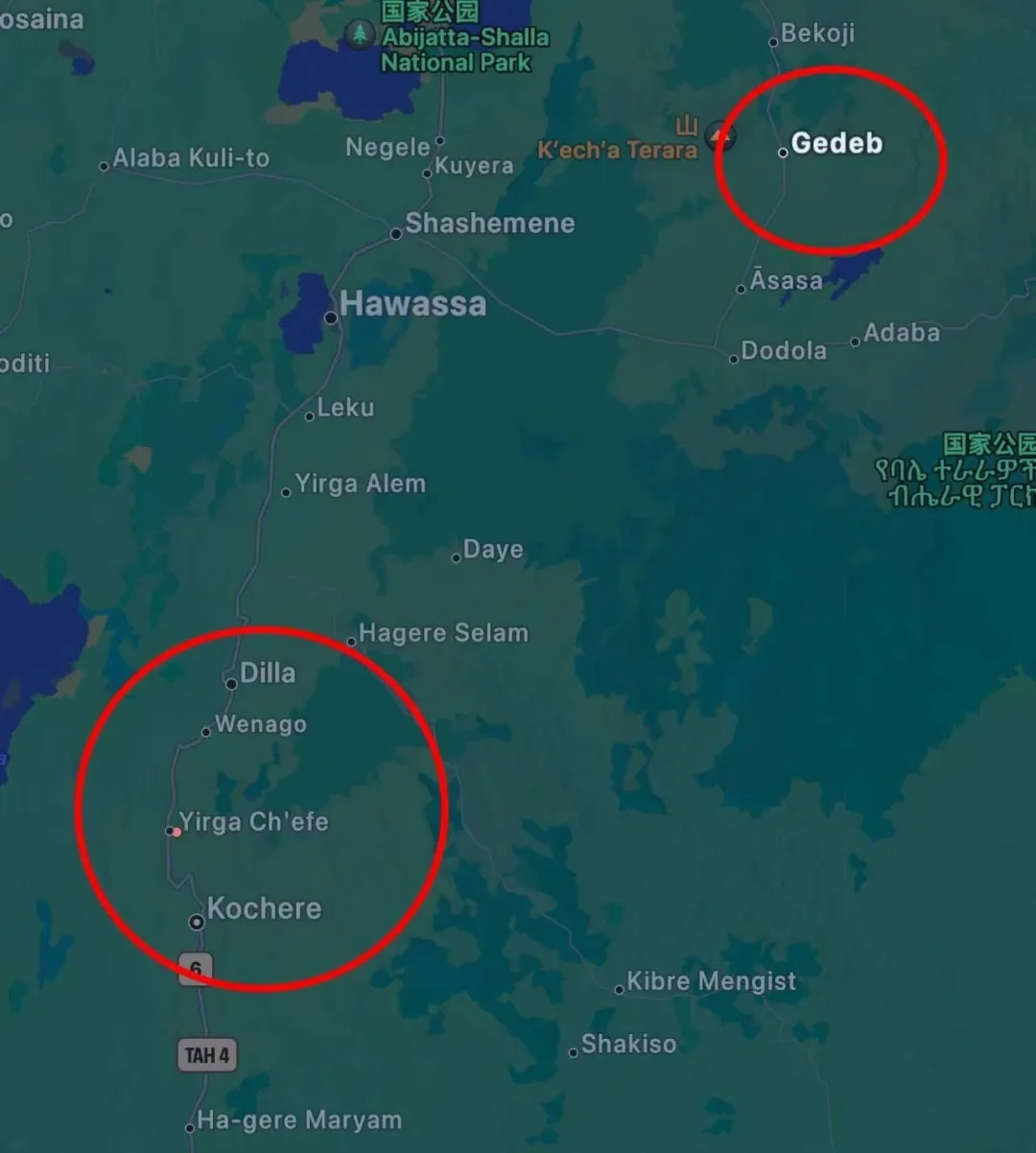
As a traditional coffee-producing region, Yirgacheffe's farmers deliver their coffee beans after harvest to nearby cooperatives for centralized processing, and then trade them uniformly under the processing station's name. So most of the Yirgacheffe we drink is labeled as "Ethiopia Yirgacheffe, such-and-such cooperative, such-and-such processing." Currently, well-known cooperatives include Gedeb, Aricha, Worka, Kochere, and others.
If you want to get to know this classic origin, it's best to start with an entry-level bean of the basic flavor profile, then try the washed Yirgacheffe Gedeb Cooperative, and advance to the naturally processed Yirgacheffe Red Cherry coffee beans.
Entry-level pick recommendation — Front Street washed Yirgacheffe
Origin: Ethiopia Yirgacheffe
Altitude: 2,300 meters
Variety: Heirloom
Processing method: Washed
Flavor description: Lemon, citrus, tea-like, honey, berry
Recommended because: It presents the classic Yirgacheffe flavor at an affordable price, suitable as a daily staple
Yirgacheffe recommendation — Front Street Gedeb Cooperative coffee beans
Origin: Yirgacheffe region
Altitude: 1900-2000m
Processing method: Washed
Variety: Heirloom
Flavor: Jasmine, citrus, berry, tea-like
The Aletaland cooperative encourages farmers to pick fully ripe cherries, which are then sent to the cooperative for centralized natural processing, giving the coffee higher sweetness and full fruit flavors. These fully ripe cherries are called "Red Cherry."
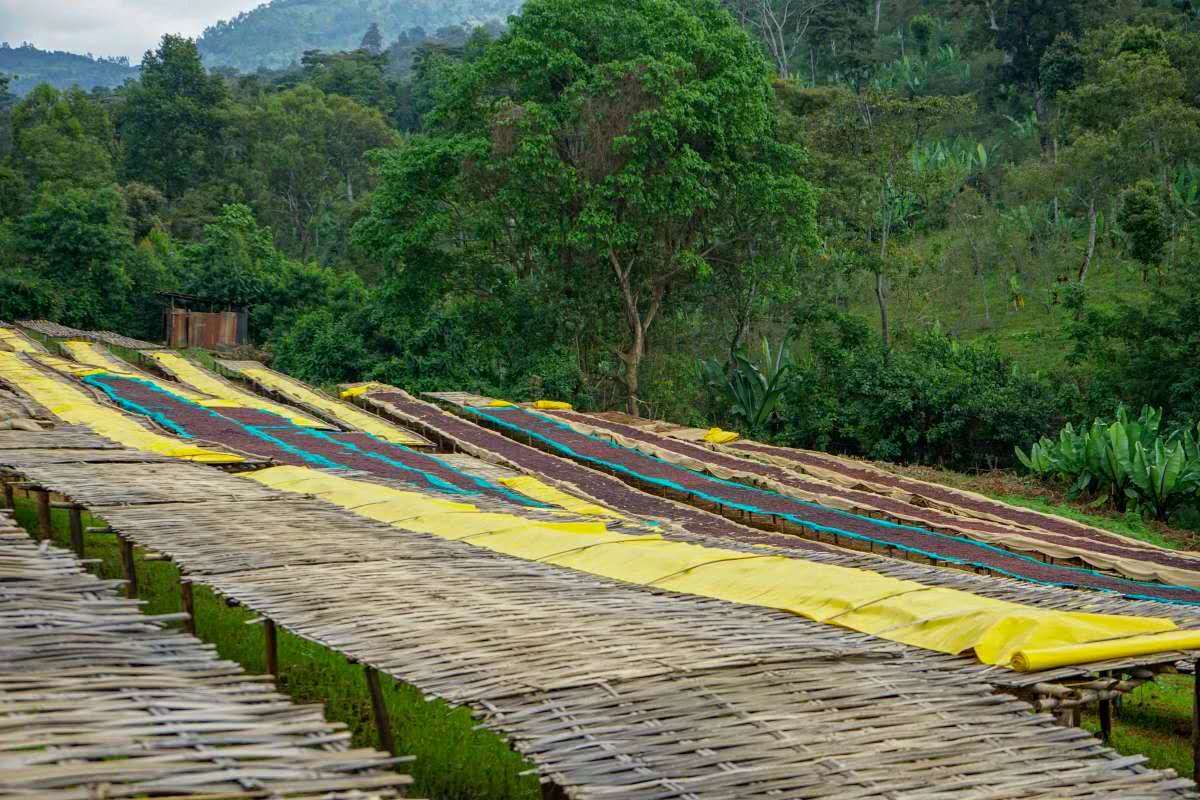
Yirgacheffe recommendation — Front Street Red Cherry coffee beans
Origin: Yirgacheffe, Aletaland processing station
Altitude: 2300m
Variety: Ethiopian Heirloom
Processing method: Natural
Flavor: Citrus, berry, fruity fermentation aroma, honey, creamy mouthfeel
The most fundamental difference between washed and natural processing is this: washed processing first removes the skin and pulp, then ferments the beans in a water tank to remove residual mucilage, and only then dries them in the sun. As a result, washed beans dry faster, have a cleaner overall flavor, and more pronounced acidity.
Natural processing, by contrast, keeps the skin and pulp and dries the whole fruit directly in the sun. Under high temperatures, the sugars in the pulp ferment, and the coffee beans absorb fermentation aromas while some of the sugars transfer into the beans. So natural beans often carry a subtle fermented aroma and a more vivid sweetness.
When brewing coffee beans from the Front Street Yirgacheffe region, Front Street Coffee recommends using a higher water temperature and controlling the grind size to that of granulated sugar (80% passing through a Chinese No. 20 standard sieve). High altitude makes the coffee beans denser (harder), and most roasters choose a light roast for Front Street Yirgacheffe to preserve its fresh profile and bright acidity. During extraction, soluble substances are released more slowly, so it is suitable to use 90-92°C water with a medium-fine grind for extraction.
Front Street Coffee recommends a brewing ratio of 1:15, pouring in three stages: start the timer, pour the first stage to 30g, and let it bloom for 30 seconds; then in the second stage, pour in a slow circular stream to 125g, wait until the water level in the coffee bed drops by half before continuing, still pouring in a slow circular stream to 225g, and once all dripping is complete, the total extraction time is about 2:00 to 2:10.
The above content is compiled by CoffeeHunters, a coffee news website.


