







Search Results for: regional election law
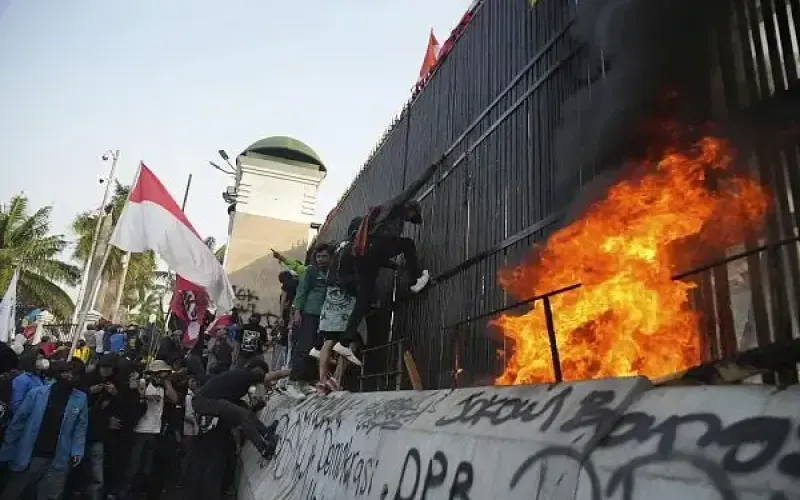
Indonesian Protest Wave Hits Coffee Industry: Exports Plunge by More Than Half, Casting a Shadow Over Origin Prospects
Large-scale protests erupted in multiple parts of Indonesia against the amendment to the Regional Election Law, and the situation in front of the Indonesian parliament building in Jakarta briefly spiraled out of control, with more than 300 people arrested. This political turmoil comes just as Indonesia's coffee industry faces severe challenges—exports from the Sumatra production region plunged by more than 50% year on year, and compounded by high global robusta prices and the Red Sea crisis, Indonesia's coffee market remains sluggish. The protests have affected union participation and obstructed logistics, and industry insiders are generally pessimistic about the outlook for the coffee industry. This article will sort out the ins and outs of the incident and its deep impact on the coffee industry. [more…]

Coffee futures hit another record high: closing at 279.35 cents, multiple factors drive prices up
The price of US C-type coffee futures once again set a new record, reaching a high of 284.93 cents per pound and finally closing at 279.35 cents per pound. Behind this round of gains is a mix of multiple factors: drought and fires in major South American producing regions, the postponement of the EUDR regulation, the limited effect of Brazil's rainy season, the impact of the Atlantic hurricane season, the strengthening of the US dollar driven by the US election, and the Red Sea crisis together with rising container freight rates. Although the EU has already approved a one-year delay in the implementation of the EUDR, the market's concerns about tight global coffee supply have still not faded, and futures prices are expected to remain high in the short term. [more…]

How appealing is a coffee elective course at university? A full analysis of classroom records and the course-grabbing frenzy
As finals approach and most students look forward to the holidays, students taking the elective coffee course at Heilongjiang University of Science and Technology hope the course never ends—because finishing it means never again getting to drink the free coffee made fresh in class. In a classroom video, the teacher explains and prepares Irish coffee at the podium, flames dancing between glass cups, drawing gasps from the students. This elective, covering coffee culture, tasting, and preparation, has become one of the hardest courses to get into on campus, with some saying that even spending all their credits might not guarantee a spot. Students from other universities openly envy it, and graduates lament missing out on such a great course back in their day. This article will take you through what this coveted university coffee course actually teaches and why it is so wildly popular. [more…]

Starbucks Korea urgently halts presidential candidate nicknames, political jokes blocked by officials
Starbucks Korea's "Call My Name" service was originally intended to bring store staff and customers closer together, but on the eve of South Korea's presidential election, some customers turned it into a stage for political jesting. According to reports from multiple foreign media outlets, because some people placed orders using the names of presidential candidates, baristas were forced to loudly call out these sensitive names in public, and the brand had to urgently introduce new rules. Starting before the election on the 3rd of next month, the names of six candidates, including Lee Jae-myung, as well as the name of former President Yoon Suk-yeol, can no longer be used as nicknames on the Starbucks app. Is this rule meant to maintain store order, or is it being overly sensitive? Let's take a look at how the incident unfolded. [more…]
Yirgacheffe Worka Region Coffee Bean Flavor Analysis, Grinding and Brewing Key Points, and Specialty Bean Knowledge
Yirgacheffe is the representative of Ethiopian specialty coffee, and Worka is one of its most closely watched producing regions. This article will start from the historical background of Ethiopian coffee, provide a detailed introduction to the geographical environment, origin of the name, cultivation methods, and processing methods of the Worka small town in Yirgacheffe, and offer an in-depth description of its signature citrus and floral flavors. At the same time, the article will also share Front Street Coffee's Yirgacheffe grinding recommendations and brewing characteristics, helping coffee lovers gain a comprehensive understanding of the unique charm of this African star bean. [more…]

Conflict in Ethiopia's Amhara Region Nears Capital, Coffee Exports Face Multiple Challenges
The military confrontation between the Ethiopian government forces and the anti-government Fano militia in the Amhara region has persisted for days, with the fighting spreading from the northern Metema and Armachiho areas to the vicinity of Ankober, less than 100 kilometers from the capital Addis Ababa. The Fano militia is estimated to have nearly 500,000 fighters and controls most of the rural areas of the region, which happens to be an important grain-producing area in Ethiopia. Meanwhile, with the sharp depreciation of the birr and the Red Sea crisis causing a decline in throughput at the Port of Djibouti, Ethiopia's coffee industry is struggling forward between enhanced export competitiveness and increased domestic operational pressure. After the results of the Somaliland election were announced, new variables have emerged in the regional political landscape, which may bring a turning point for Ethiopia's port predicament. [more…]

Starbucks Unionization Wave Intensifies: Schultz Calls Union an Outside Force, Employee Benefits Dispute Continues to Heat Up
The unionization movement at Starbucks in the United States continues to gain momentum. A video exposed by More Perfect Union shows interim CEO Howard Schultz referring to unions as an "outside force" trying to disrupt Starbucks and expressing dissatisfaction with part-time partners. Meanwhile, a BTIG survey indicates that most consumers will not change their consumption habits because of unionization. Starbucks has more than 9,000 stores in the United States, of which more than 200 have applied for union elections. Schultz has historically opposed unions and once lobbied against the Employee Free Choice Act. The video triggered a large number of negative comments, with employees complaining about pay cuts and emotional belittlement. Under the heavy pressure of post-pandemic supply crises, inflation, and pandemic prevention measures, Starbucks cut costs but did not improve pay and benefits, prompting partners to seek a channel for union negotiations. After Schultz returned, he suspended stock buybacks, but part-time and union partners were excluded from benefits. This incident sparked widespread discussion. [more…]

Starbucks Global Restructuring: Layoff Plan Advances Alongside Departure of Two Core Executives
Starbucks recently announced the launch of a corporate team restructuring and plans for layoffs, with specific positions and numbers to be announced in March. Meanwhile, Starbucks China Chairwoman Wang Jingying has decided to retire, and lead independent director Mellody Hobson has also announced she will not seek re-election, with two senior executives departing in quick succession within just a few days. CEO Brian Niccol stated that the adjustments are aimed at simplifying the management structure and improving decision-making efficiency, and will not affect store baristas. During Wang Jingying's tenure leading the China business, stores expanded from more than 400 to over 7,000, making China Starbucks' fastest-growing overseas market. [more…]
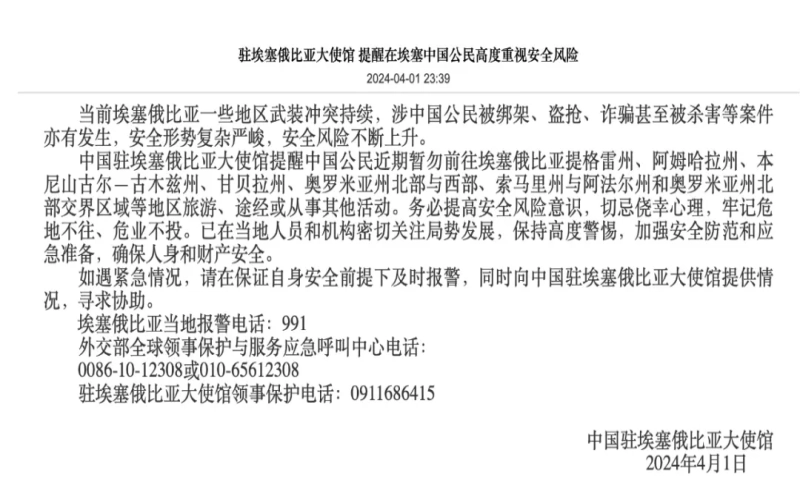
The Chinese Embassy in Ethiopia has issued a safety reminder: temporarily avoid travel to high-risk areas such as Tigray, affecting the coffee trade and tourism.
Recently, the Chinese Embassy in Ethiopia issued a notice advising Chinese citizens to temporarily avoid traveling to several high-risk areas, including Tigray and Amhara regions. The country's protracted civil war and local armed conflicts continue to spread, not only creating security risks but also severely impacting an economy and tourism industry that rely on coffee and agriculture and animal husbandry as pillars. As the recognized birthplace of coffee, Ethiopia's turbulent situation also affects the travel plans of coffee traders and bean hunters. This article outlines the background of the conflict, its impact on the economy and the coffee industry, and reiterates the embassy's safety recommendations, reminding those planning to travel to the country to remain highly vigilant and ensure their personal and property safety. [more…]
A Complete Analysis of Dominican Coffee Bean Varieties and Flavors: Characteristics of the Santo Domingo, Barahona, and Cibao Regions
The Dominican Republic is located in the heart of the Caribbean, where a mild tropical climate and rolling mountain terrain provide exceptional conditions for coffee cultivation. This article systematically reviews the overall picture of Dominican coffee from the perspectives of producing regions, variety composition, flavor characteristics, processing methods, and historical origins. Among them, Barahona in the southwest, the Cibao Valley in the north, and the Santo Domingo and Bani areas in the south all produce high-quality coffee, with Santo Domingo and Bani being the most renowned. The article also introduces the cultivation proportions of the two major varieties, Typica and Caturra, the role of washed processing in enhancing flavor, and the differences in acidity and mouthfeel between highland and lowland coffee, providing coffee enthusiasts with a reference for understanding the unique charm of this Caribbean origin. [more…]
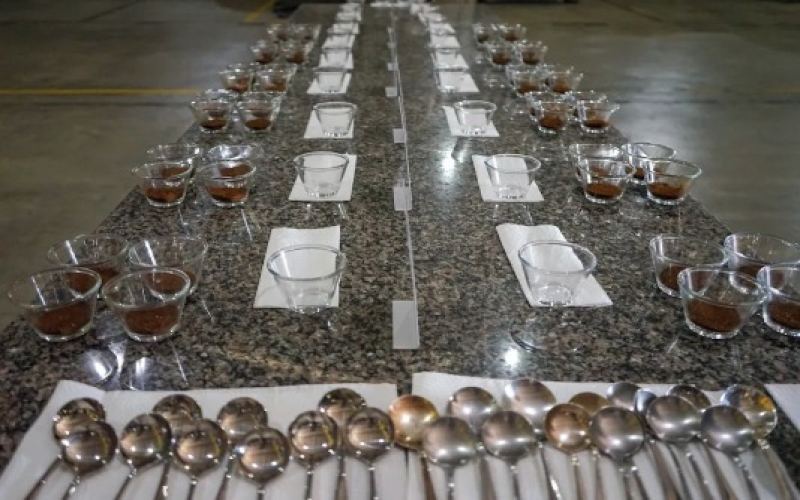
2024 the Cup of Excellence COE returns to Ethiopia.
It is known that COE is fully named "Cup of Excellen", which is translated as the Cup of Excellence. It is a coffee event first held in Brazil in 1999 by the non-profit organization the Alliance for Coffee Excellence (ACE), and it is also the first I [more…]

2024 Ethiopia COE Results Announced: Natural Process Lots Dominate, Sidama Region Shines
The results of the 2024 Cup of Excellence (COE) Ethiopia competition have been announced, and this year's event has many highlights: all 27 winning coffees were naturally processed, and every one of them came from the JARC numerical variety series, with the Sidama region emerging as the biggest winner. Looking back, since Ethiopia first hosted the COE in 2020, it once set a record high price of $400.5 per pound; after being suspended in 2023 due to civil war, this year's relaunch has delivered a remarkable result. This article will walk you through the detailed results of this year's competition and take a deeper look at the geographical advantages of the Sidama sub-regions Bensa and Bona, as well as the origins of the JARC numerical varieties. [more…]
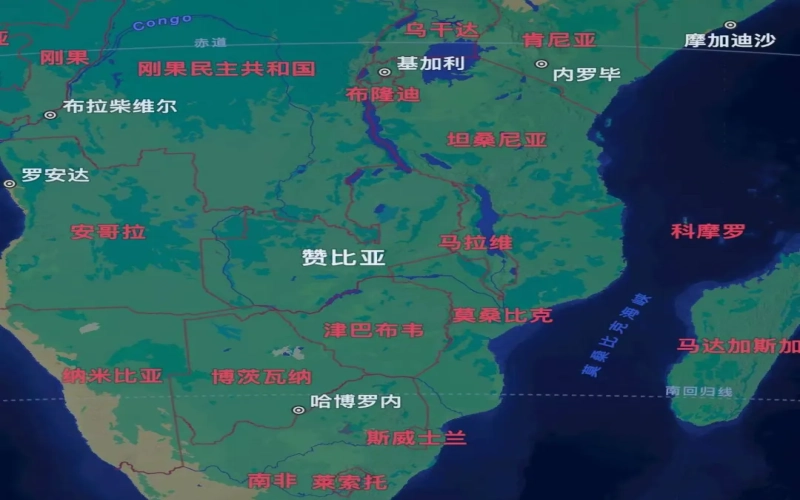
An Analysis of Zambia's Coffee-Producing Geography, Major Growing Regions, and Varieties
African coffee occupies an important position in the global market. Ethiopia is widely recognized as the birthplace of coffee, and Zambia is likewise an African producing country worth noting. Zambia is located in south-central Africa, a landlocked country bordering nine nations, with a land area of about 752,600 square kilometers. Most of the country consists of plateaus at elevations of 1,000 to 1,500 meters, with a tropical savanna climate, an average annual temperature of 18 to 20°C, and three seasons—dry and cool, dry and hot, and warm and wet—making it suitable for growing crops such as coffee. Coffee is mainly distributed in Muchinga Province, Northern Province, Luapula Province, Copperbelt Province, Lusaka Province, and North-Western Province, primarily grown on large estates. All varieties are Arabica, with the Catimor series and SL28 accounting for the majority. The harvest period runs from October to March of the following year. [more…]
The 2024 Cup of Excellence Returns to Ethiopia: A New Chapter in Coffee Competitions in the Birthplace of Arabica
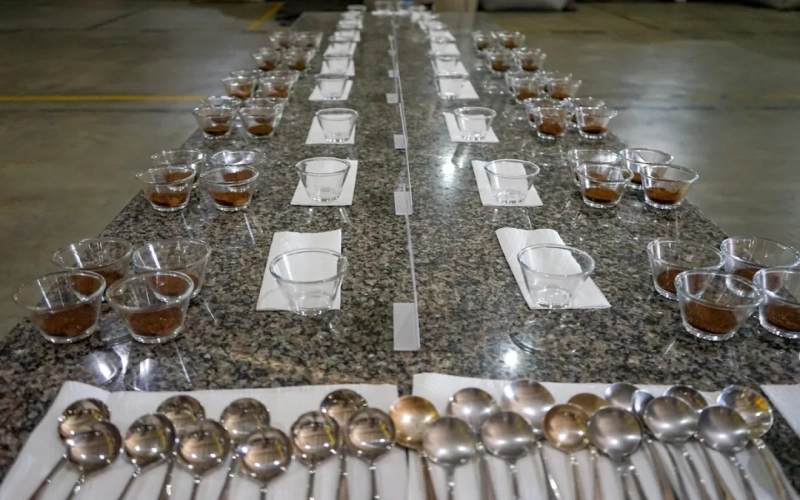
The Cup of Excellence (COE), as the world's first internet auction platform for award-winning coffee, has been a highly anticipated event in the coffee world since it was founded in Brazil in 1999 by the Alliance for Coffee Excellence. Ethiopia, the birthplace of Arabica coffee, hosted the COE for the first time in 2020 and set a record high of $400.5 per pound in 2022. However, due to the termination of partner funding and the civil war, the 2023 event was forced to be suspended. This year, as the situation has stabilized, the COE has officially returned to Ethiopia, with more than 600 samples arriving at regional warehouses and, for the first time, separate natural and washed categories. The European Commission is selecting international judges, and the industry is looking forward to the emergence of a new batch of high-quality coffee beans. Front Street Coffee will also continue to follow this grand event and bring the latest information to enthusiasts. [more…]
Santo Domingo Coffee: Flavor Characteristics, Historical Origins, and Regional Analysis of Dominican Specialty Beans
The Dominican Republic is located on the eastern side of the Caribbean island of Hispaniola, neighboring Haiti, and has a long-standing coffee-growing tradition. Among its regions, the coffee produced in Santo Domingo and Bani is the most well-known, and is regarded as one of the representatives of the world's high-quality coffee. Dominican coffee is known for being fresh and elegant, with plump beans, pleasant acidity, and an inviting aroma. It is mostly washed-processed, preserving a purer aroma and a softer mouthfeel. The flavors of highland and lowland cultivation each have their own characteristics, and in recent years the output of specialty estates has been considered comparable to Puerto Rican and Jamaican beans. This article will give you a comprehensive understanding of Dominican specialty coffee from the perspectives of history, producing regions, processing methods, and flavor and mouthfeel. Front Street Coffee also recommends Dominican beans worth trying. [more…]
Yirgacheffe Konga Cooperative Region Full Guide: The Flavor Code of Heirloom Washed Processing
Yirgacheffe is a signature region for specialty coffee in Ethiopia, and the Konga Cooperative is one of its most representative producer organizations. This article systematically reviews the coffee characteristics of the Konga Cooperative, from the region's background and the cooperative's operating model to its washed processing method and the flavors it delivers in the cup. Front Street Coffee's Konga Heirloom is made from fully red cherries and washed processed, revealing layers of jasmine florals, citric acidity, and the sweet aroma of peach and almond—like a hundred flowers blooming on the first sip. Whether you are new to single-origin coffee or a seasoned enthusiast looking for an everyday staple, this article will help you understand the full story behind this bean. [more…]
Exploring Mbeya, Tanzania: How the Southwestern Highlands Became a Premium Coffee Region
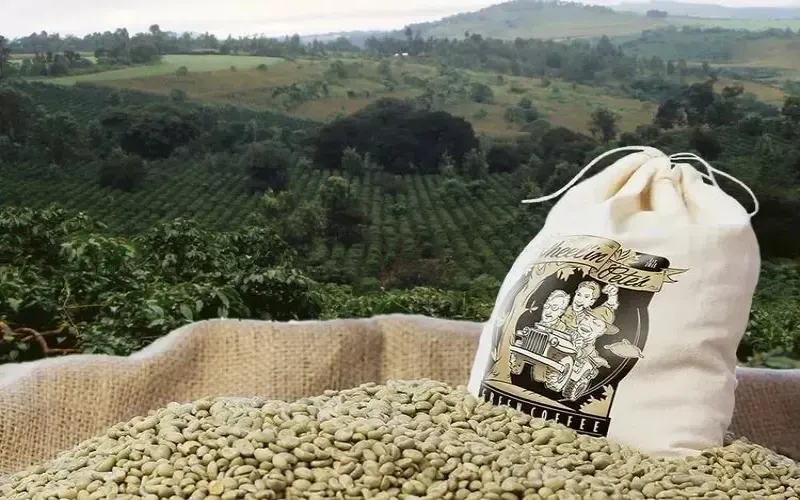
Although Tanzania is not as famous as its neighbor Kenya, it also produces coffee of remarkable quality. From the introduction of coffee trees during the German colonial period to the southward shift of the industry's focus after independence, this East African country, with its high altitude, volcanic soil, and abundant water, has given rise to several distinctive producing regions. Among them, Mbeya in the southwest is gradually attracting attention. Not only does it have cool highlands suitable for coffee cultivation, but it is also home to the Aing'e Agricultural Marketing Cooperative, known for its democratic management. This article will guide you through the evolution of Tanzanian coffee and take a deeper look at the Mbeya producing region to see how it became an agricultural trade center in the country's southwest. [more…]
Rain returns to Brazilian coffee-growing regions, production outlook improves but price direction remains uncertain
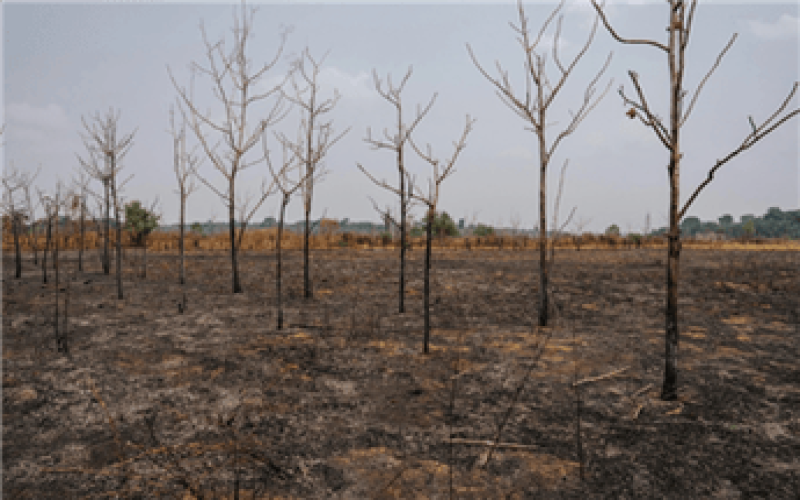
Brazil's coffee-growing regions have finally received effective rainfall, and the long-drought-stricken arabica-producing areas are expected to find relief in the new flowering season in November. However, months of extreme heat and water shortages have already caused substantial damage to production for the 2024/25 and 2025/26 crop years. Water levels in the Amazon basin remain at historic lows, and shipping disruptions are driving up logistics costs. At the same time, the sharp plunge in the real exchange rate, port delays, and the postponement of the EU's EUDR policy, among multiple interwoven factors, have filled the outlook for Brazil's coffee production and prices with uncertainty. This article reviews the latest weather developments, industry impacts, and chain reactions in the market, and includes Front Street Coffee's continued attention to origin information. [more…]
Yirgacheffe Konga Cooperative Coffee Bean Analysis: A Comparison of Flavor Differences Between Washed and Natural Processing
Yirgacheffe, as a flagship region for Ethiopian specialty coffee, has long been admired by coffee lovers for its distinctive jasmine aroma and citrus acidity. This article focuses on the washed Yirgacheffe from the Konga Cooperative cupped by Front Street Coffee, systematically covering the regional background, the cooperative's operating model, the washed processing method, and green bean characteristics, along with Front Street's roasting recommendations and pour-over parameters. At the same time, the article will compare how the washed and natural processing methods affect the flavor direction of Yirgacheffe, helping readers gain a deeper understanding of the flavor sources and brewing key points of this bean. [more…]
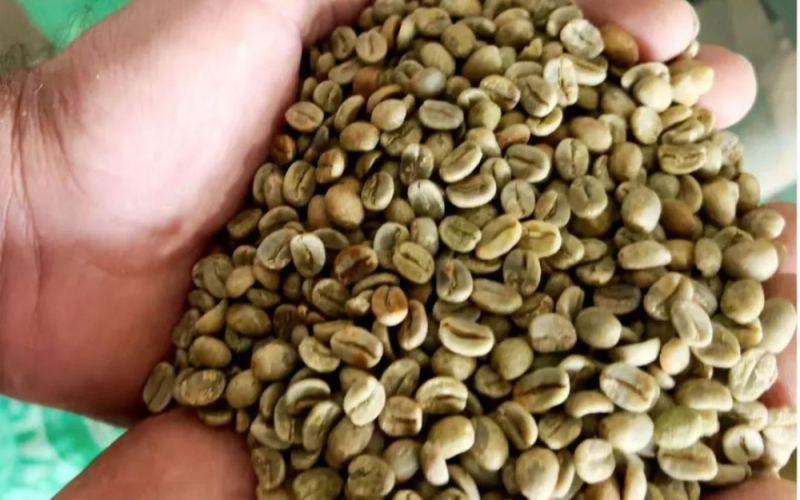
Brazilian coffee spot prices hit a 26-year high, with drought weather and tariff policies putting dual pressure on the market
As the world's largest coffee producer, Brazil has recently seen its domestic coffee spot prices soar to their highest level in nearly 26 years. Affected by drought and high temperatures, coffee production has fallen sharply, and compounded by the threat of a U.S. port strike and uncertainty over tariff policies, the market supply outlook is becoming increasingly unclear. This article will review Brazil's coffee price trends, the damage in producing regions, disagreements over production forecasts, and the multiple effects of macroeconomic factors on the coffee market, helping readers gain a comprehensive understanding of the complex situation currently facing Brazil's coffee industry. [more…]