






Where do coffee beans grow, and why does Yirgacheffe matter?
Coffee beans grow on trees, and Ethiopia is where the coffee tree originates, still growing wild in many areas. Yirgacheffe is a small Ethiopian town at 1,700 to 2,100 meters whose name means settle down in the wetland, and its heirloom beans are washed for a jasmine and citric cup.
The Konga Cooperative is one of Yirgacheffe's representative producer groups. Its fully red-cherry washed lots show jasmine floral aroma, citric acidity, and peach-almond sweetness with tea-like notes. Altitude and washing, not the tree alone, drive that layered profile.
Yirgacheffe is a signature region for Ethiopian specialty coffee, and the Konga Cooperative is one of its fairly representative producer organizations. This article systematically organizes the coffee characteristics of the Konga Cooperative, from the region's background, the cooperative's operating model, and the washed processing method to the flavor performance in the cup. Front Street Coffee's Konga Heirloom is fully red-cherry washed, presenting layers of jasmine floral aroma, citric acidity, and peach-almond sweetness, with a mouthfeel like a hundred flowers blooming on the first sip. Whether you are a beginner just getting into single-origin coffee or a seasoned enthusiast looking for a daily staple, this article will help you understand the ins and outs of this bean more comprehensively.
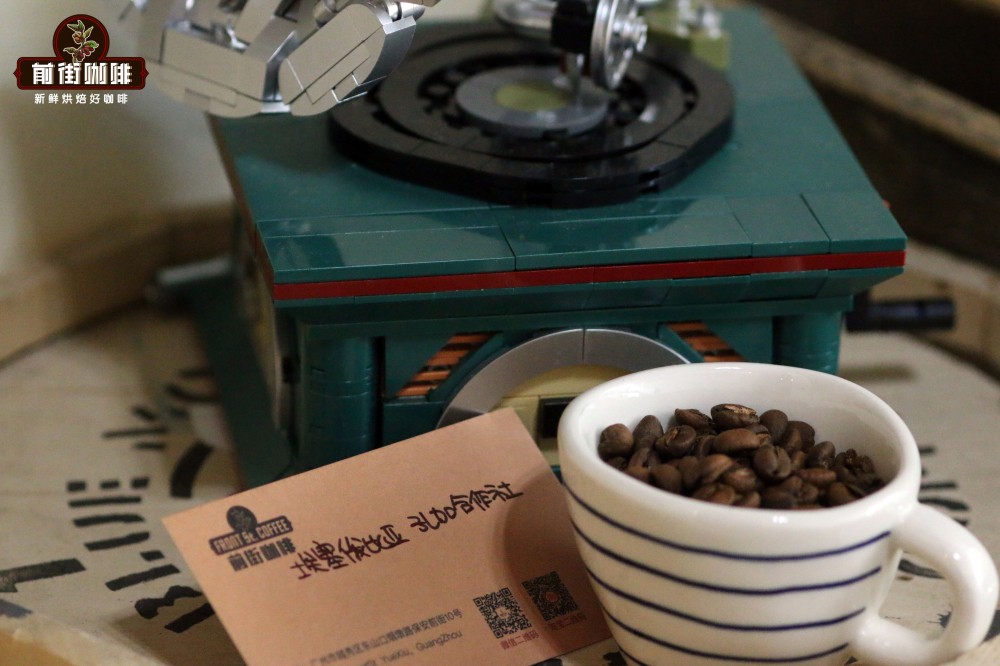
Introduction to the Front Street Ethiopia Yirgacheffe coffee bean region, and an evaluation of the flavor characteristics of Front Street Konga Cooperative coffee beans.
Front Street Yirgacheffe Konga
Country: Ethiopia
Region: Yirgacheffe
Cooperative: Konga
Variety: Heirloom
Processing Method: Washed
Region Introduction
The birthplace of the coffee tree is Ethiopia, where it originally grew in the wild. The origin of the word "coffee" can be traced back to a small town in Ethiopia called "Kaffa." To this day, a large number of coffee trees in Ethiopia still grow wild, and the coffee cherries from these trees are plump and carry a hint of wine-like aroma.
Yirga cheffe is a small town in Ethiopia at an altitude of 1,700 to 2,100 meters, and it is also a calling card of Ethiopian specialty coffee. In ancient times, this place was a wetland. In the local language, "yirga" means "settle down," and "cheffe" refers to "wetland," so together it means "let us settle down and make our home in this wetland." Front Street Coffee summarizes the flavor of Yirgacheffe as: intense jasmine floral aroma, citric acidity, and peach, almond sweetness with tea-like notes. People who have tasted Front Street Yirgacheffe often have a similar feeling—"coffee enters the mouth, and a hundred flowers bloom!" It is as if flowers simultaneously touch the taste buds and the olfactory cells in the nasal cavity, bringing a refreshing experience. Beyond the floral aroma, the delicate body is like silk massaging the mouth, a very wonderful sensation.
Konga Cooperative
The Konga Cooperative (Konga Coop) is made up of 1,556 smallholder coffee farmer family members. It is located 5 kilometers south of Yirgacheffe, was established in 1994, and joined the YCFCU cooperative union in 2002. These farmers have an average coffee planting area of less than 1.25 hectares, at an altitude of about 1,800 to 2,000 meters, and mainly cultivate a mix of Typica and Heirloom (local native varieties).
Cooperative members hold elections every one to two years to form an executive committee, which decides on the purchase of new equipment, the exchange of business information among members, and payment methods for transactions. At the same time, YCFCU assigns professional managers to the cooperative to provide guidance and advice on harvest, production, and other links in order to improve yield and quality. The establishment of the cooperative has allowed its farmers to escape the low-price exploitation of buyers, and they can also receive loan assistance in times of economic difficulty. This has brought quite positive help to both farmers' livelihoods and coffee production.
Coffee Processing Methods
This Front Street Konga Heirloom uses the washed processing method, the core of which is fermenting the coffee cherries after peeling, then washing off the mucilage with water after fermentation is complete. One specific practice is: after the coffee cherries are picked, first remove unripe cherries and foreign leaves, remove the outer skin of the cherries, take out the beans, then wash and soak the beans so that fermentation begins, allowing microorganisms and enzymes to break down the bean components and thus produce flavors such as acidity. The washed method can also use dry fermentation, that is, without soaking, and then washing off the mucilage with water after fermentation. After fermentation ends, the beans need to be sun-dried or machine-dried to prevent mold. Properly washed coffee beans usually have a relatively mild taste, and depending on the environment and fermentation conditions, they may also carry wine-like flavors.
For the processed coffee beans, defective beans are first picked out and the intact beans are retained. Then, after different degrees of roasting, they can ultimately present ever-changing flavors and mouthfeels. From coffee production to the completion of brewing, subtle differences in every step affect the quality and flavor of the coffee. This is precisely why the world of coffee is so profound and fascinating.
Front Street · Konga Cooperative Red Cherry coffee beans use fully red-cherry sun-dried processing, meaning only fully ripe coffee cherries with no quality issues are harvested. The flavor shows citrus-like acidity, berry juice-like body, honey-like sweetness, and cream-like smoothness.
The above content is compiled by CoffeeHunters, a coffee news website.


