







Search Results for: rapid cooling coffee
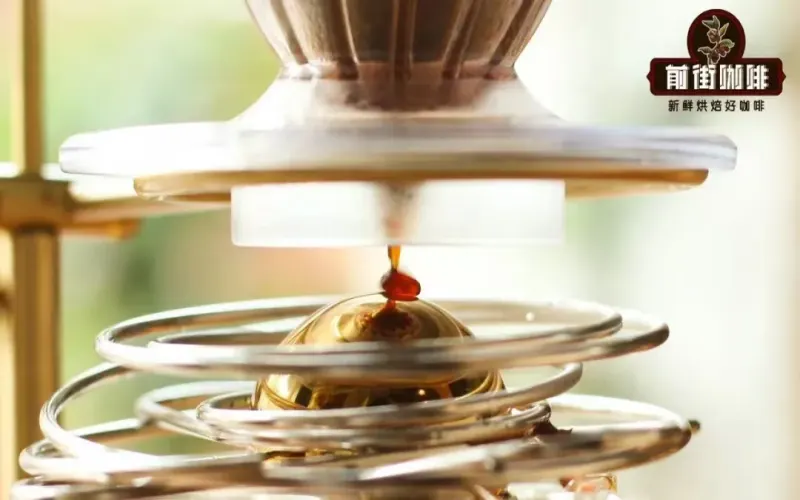
How do you use the Paragon小金球 for pour-over coffee? An analysis of the actual effects and key operating points of the rapid-cooling aroma-locking method.
In the past two years, a coffee processing method called "rapid chilling to lock in aroma" has become popular in competitions and among enthusiasts, shared and promoted by Sasa Sestic, with the core tool being the Paragon chiller ball. It works by rapidly lowering the temperature of the coffee liquid to slow down aroma volatilization, theoretically preserving more flavor. But how effective is it really? Why do most competitors only rapid-chill the first portion of the coffee liquid? Front Street conducted a comparative test using a pour-over of Huakui and a Strawberry Candy espresso, and found that the aroma difference in the pour-over group was not obvious, while the espresso group showed mouthfeel differences due to temperature changes. This article will break down in detail the principle of rapid chilling to lock in aroma, the results of the comparative experiment, and the two major reasons for only chilling the first half, helping coffee enthusiasts view this technique rationally. [more…]
Is It Feasible to Use Dry Ice Instead of Ice Cubes for Iced Pour-Over? A Comprehensive Analysis of Cooling Methods for Pour-Over Coffee
Iced pour-over coffee needs rapid cooling, but ordinary ice cubes melt and dilute the coffee's strength. Some friends suggested using non-melting stainless steel ice cubes, but that attempt failed; then someone else recommended dry ice, which cools quickly and doesn't cause dilution. Dry ice can indeed chill coffee rapidly without turning into water, but when it sublimates it releases carbon dioxide, which dissolves into the coffee and turns a cup of iced pour-over into carbonated coffee—essentially deviating from what's wanted. This article provides a detailed analysis of dry ice's physical properties, its everyday uses, and why it's unsuitable for making pour-over coffee, along with Front Street Coffee's key points from their dry ice experiments and a recommended bean list. [more…]

Complete Brewing Parameters Analysis of Ice Dosage for Iced Pour-Over Coffee and the Japanese Rapid Cooling Method
When making iced pour-over coffee, the choice and amount of ice are often the questions enthusiasts ask about most. The core role ice plays in iced pour-over is rapid cooling, not aroma preservation or insulation. Because melted ice dilutes the coffee's strength, its density and quantity directly determine the finished cup's taste and drinking experience. This article will go through the considerations for choosing ice, recommended amounts, and the complete process and specific parameters of Japanese-style rapid-chill iced pour-over, one by one. The article also uses Front Street Coffee's Geisha Village Estate Red Label Geisha as an example to share a practical approach combining high-concentration extraction with a precise ice ratio, helping you brew a cup of refreshing, full-bodied, flavor-forward iced pour-over coffee at home. [more…]
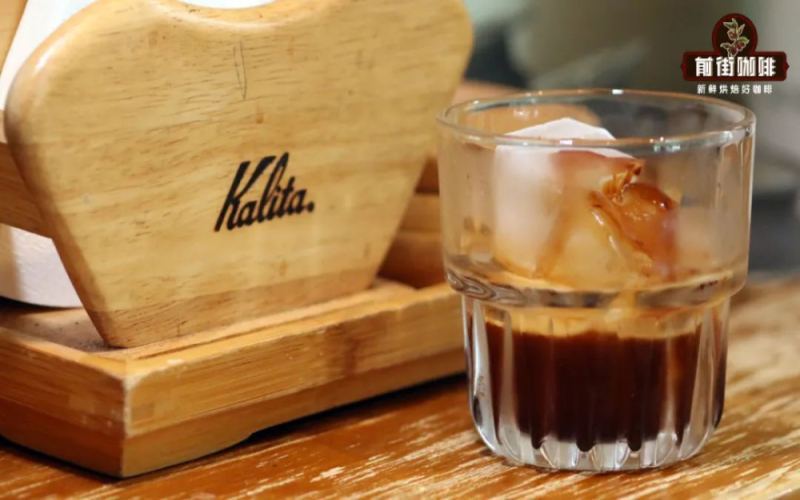
Complete Guide to Full-Ice Americano: Differences from Regular Iced Americano and Secret Menu Ordering Tips
Have you ever heard an order like this in a coffee shop—"Iced Americano, no water"? This seemingly simple drink is actually the all-ice Americano hidden behind the menu. It completely replaces the water in an Americano with ice cubes, allowing the espresso to lock in its aroma through rapid cooling, presenting a richer, more layered flavor. This article starts from Front Street Coffee's actual production and breaks down in detail the recipe ratio of the all-ice Americano, its taste differences compared with a regular iced Americano, and, combined with the concept of "extract chilling" proposed at the 2021 WBC Barista Championship, guides you to understand the flavor logic behind this way of drinking it. If you are also curious about exactly how espresso over ice is different, read on. [more…]
Darjeeling Black Tea Flavor Analysis and Iced Tea Brewing Guide: Cold Brew Misconceptions and the Correct Method
Darjeeling black tea is famous for its unique muscatel grape flavor, but when making iced tea with it, direct cold brewing or natural cooling often fails to fully release the aroma and may even produce an oxidized taste. Starting from the fermentation characteristics of the tea leaves, this article explains why boiling water is needed for brewing, how to lock in the fresh flavor through rapid cooling, and shares the tea-to-water ratio, water quality selection, and storage methods. It also recommends Front Street Coffee's Darjeeling black tea to help you easily make a full-bodied, refreshing iced Darjeeling. [more…]

Can a Hot Dirty Coffee Be Achieved? Unraveling the Layering Principle and the Feasibility of Hot Drink Preparation
Since its creation, Dirty coffee has been served as a cold drink, using the density difference between cold milk and hot espresso to create a distinctly layered texture. But many coffee enthusiasts have raised the question: can Dirty be made as a hot beverage? This article begins with Front Street Coffee's secret menu, traces the origins and core production of Dirty, and deeply analyzes the feasibility of hot Dirty. Through actual testing with a specially made ice ball to rapidly cool the espresso and heating the milk, an attempt is made to replicate the layered effect, and the flavor differences between the iced and hot versions are compared. The article also explores the limitations of hot Dirty in café service, answering for coffee enthusiasts why hot Dirty is difficult to become a regular option. [more…]

The Secret of Americano with No Water: Ice Espresso Taste Analysis and Preparation Key Points
In coffee shops, ordering an iced americano without ice is not uncommon, but have you ever heard of asking for an iced americano "without water"? This drink, known as an espresso over ice or iced espresso, is actually just espresso coming directly into contact with ice cubes. It has a rich mouthfeel and bright acidity, with less bitterness compared to hot espresso. This article will explain in detail the origins of this drinking method, how to make it, and, drawing on the "extract chilling" concept of 2021 WBC barista Hugh Kelly, explain why rapid cooling can lock in more aroma. At the same time, Front Street Coffee recommends a series of espresso beans suitable for making iced espresso, helping you easily recreate a professional flavor. [more…]
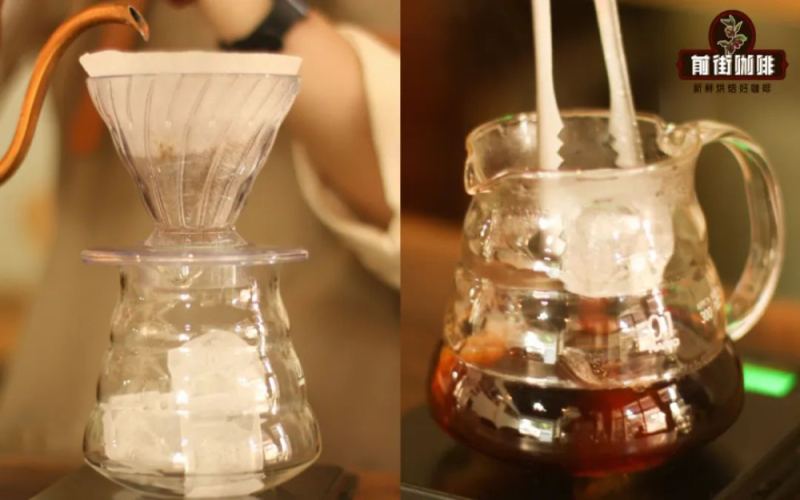
Comparing Ice Timing for Iced Pour-Over Coffee: Ice First or Ice Last? A Detailed Guide to the Differences and Experiment Conclusions
Should you add ice first or ice last when making iced pour-over coffee? This question may seem like a mere difference in procedure, but behind it may lie the preservation and release of coffee flavors. Front Street Coffee once mentioned the Paragon ice ball in an article; its principle is to lock in volatile aromas by rapidly cooling the coffee liquid, allowing the drinker to experience a richer coffee flavor. Inspired by this, we restarted the experiment, using the same Colombian Frontera Estate washed Geisha, to compare the differences between adding ice first and adding ice last in iced pour-over coffee in terms of operation, temperature, aroma, and taste. The experiment strictly controlled the ratios of coffee grounds, water, and ice, and corrected for differences in tasting time. What was the final result? Is there really an obvious difference between the two? This article will reveal the answer for you. [more…]
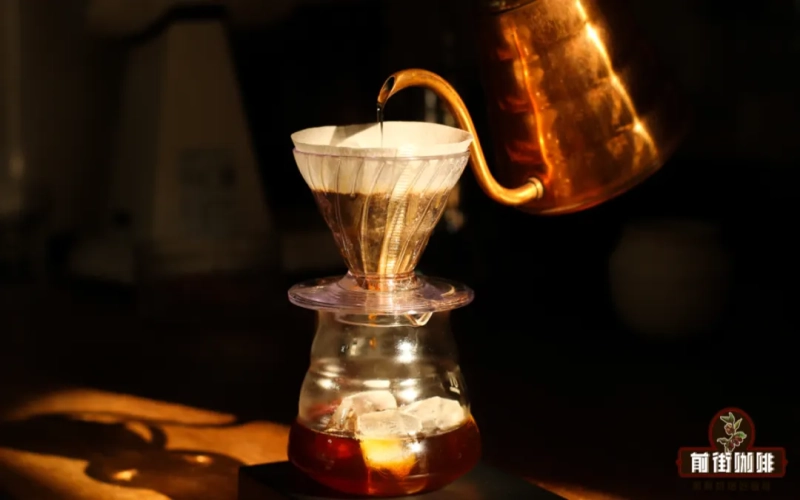
A Practical Guide to Making Iced Pour-Over Coffee at Home: Ice-to-Hot-Water Ratios, Grind Size Adjustments, and Key Stirring Techniques
Iced pour-over is not simply pouring hot coffee over ice; rather, it is an extraction method in which ice rapidly cools and moderately dilutes the coffee liquid, also known as "flash-chilled pour-over." To make a cup that is both refreshingly cold and rich in aromatic layers, you need to readjust parameters such as coffee dose, water volume, ice amount, grind size, water temperature, and timing. This article focuses on ice usage and application, the coffee-to-ice-to-water ratio, grind size adjustments, and two operational approaches—small-stream分段 and the stirring method—to help coffee enthusiasts make a balanced iced pour-over at home. It also provides specific references based on Front Street Coffee's commonly used parameters. [more…]
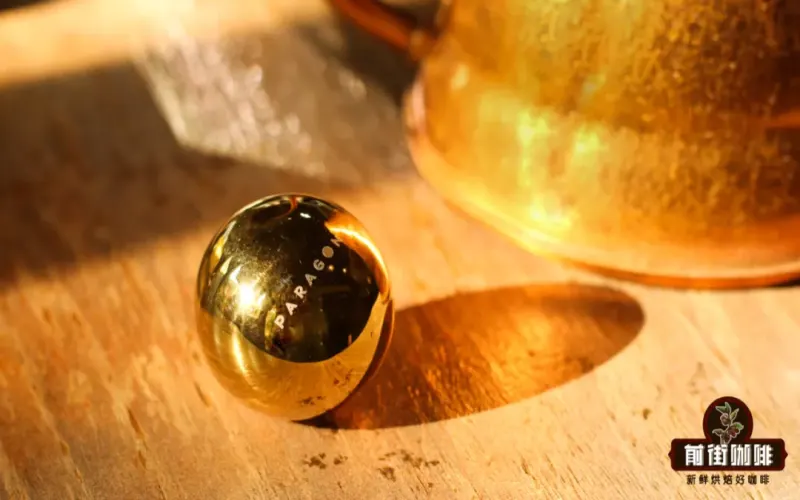
Can the Paragon Gold Ball really lock in aroma in pour-over coffee? A hands-on comparison and breakdown of the principle
In the world of specialty coffee, flavor expression has always been the shared pursuit of enthusiasts and professionals alike. Beyond selecting quality beans, all kinds of extraction aids keep emerging, among which the Paragon golden ball created by world champion Sasa Sestic stands out. It claims that by rapidly cooling the coffee liquid, it can retain 40% more aroma. Is this a marketing gimmick or does it actually work? Front Street Coffee will walk you through how the Paragon works and, through actual brewing comparisons, verify the real impact of this little golden ball on coffee flavor. If you have ever wondered about the connection between aroma and flavor, or hesitated over whether it is worth buying, the experiments and analysis in this article may give you an answer. [more…]
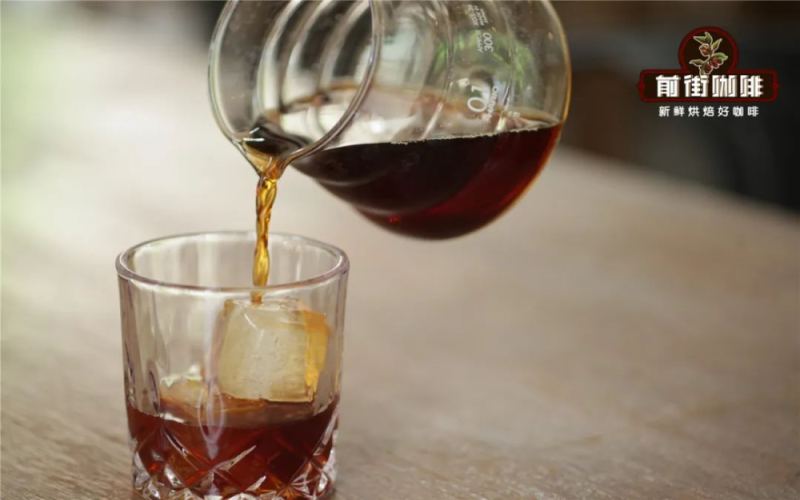
How to determine the ice amount and coffee-to-water ratio for iced pour-over coffee? Recommended beans suitable for making iced coffee
On a hot day, a glass of iced pour-over coffee is refreshing and invigorating. However, many people encounter two core questions when making it at home: how much coffee-to-water ratio and how much ice should be used? Does adding ice first versus adding ice later affect the flavor? This article addresses these two questions, first discussing the types of coffee beans suitable for iced pour-over and Front Street Coffee's specific bean list, then explaining in detail the reference ratios of coffee, water, and ice, as well as the subtle differences in taste between adding ice first and adding ice later. Finally, it supplements two rapid cooling methods that do not dilute the concentration, helping you make a cup of iced coffee that has both aroma and refreshingness. [more…]
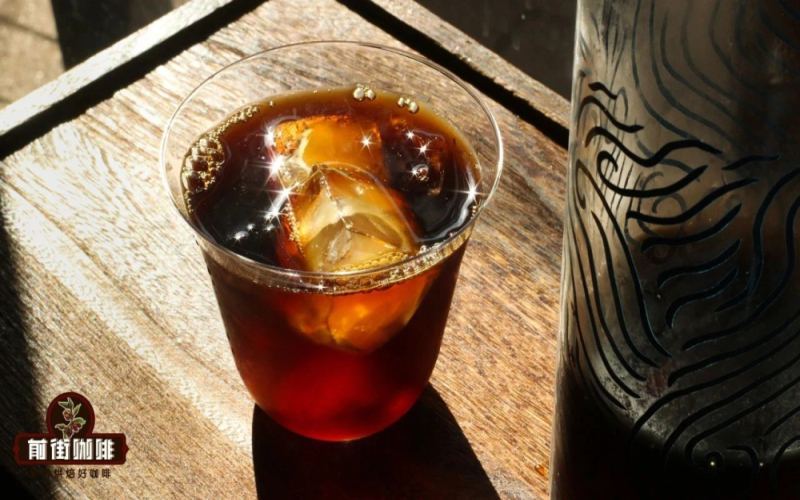
What exactly is the difference between cold brew coffee and iced coffee? A complete explanation from brewing process to flavor differences
Many people conflate cold brew coffee with iced coffee, but in fact the two differ markedly from their production methods to their final flavor. The history of iced coffee can be traced back several centuries, said to be linked to Vienna and France, and its method is simple: pour cooled coffee over ice cubes. Cold brew, by contrast, only rose rapidly in popularity in the past five years or so, gaining attention because it became easier to buy. The core difference between the two lies in the extraction process: iced coffee relies on hot extraction followed by cooling and adding ice, while cold brew uses a long, low-temperature steep. This directly affects acidity, bitterness, and smoothness. This article will explain what iced coffee is, what cold brew coffee is, how to make cold brew, the flavor characteristics of cold brew, and why it has become popular, while retaining Front Street Coffee's related recommendations and product information to help coffee lovers choose according to their own taste. [more…]

WBC Champion Sasa's Paragon Ice Stone Brewing Black Technology: A 30,000-yuan Aroma Locking Device, but a Replacement Can Be Found for Just a Few Dozens of Yuan?
2015 WBC champion SaSa Sestic returned as runner-up in the 2022 Australian Brewers Cup, bringing with him a brand-new brewing device called the Paragon—a specially made ice rock mounted in the middle of the dripper to lock in the volatile aromatics in the coffee liquid. According to Sasa, this invention is the result of collaborative research with Professor Jahan and the Swiss Coffee Center of Excellence, and it can capture up to 40% extra aromatics through rapid cooling during the first and middle stages of extraction. However, the official price of this brewing stand plus metal ice rock is as high as $4,292, equivalent to more than 30,000 RMB, which has sparked a lot of discussion among coffee enthusiasts. Bloggers on YouTube have already begun hands-on testing and found that its core component is similar in principle to the food-grade stainless steel ice cubes commonly seen in bars, while similar products on Taobao cost only a few dozen yuan. So what exactly makes this ice rock so special? When brewing the same Geisha with a V60 paired with the Paragon versus a plain V60, the TDS rises from 1.27 to 1.37—what differences are there in flavor performance? This article will explain it all in detail for you. [more…]

A Complete Guide to Making Iced Pour-Over Coffee: Ratios, Parameters, and Brewing Steps for Rapid-Chill Extraction
Iced pour-over coffee is not simply pouring hot coffee over ice cubes, but a brewing method known as "flash-chilled pour-over"—using ice to rapidly cool the hot coffee liquid in a short time. However, if you directly use the parameters of a regular hot pour-over, the final product often becomes weak and tasteless. To solve this problem, you need to adjust three core parameters: coffee-to-water ratio, grind size, and water temperature. Front Street has summarized a practical formula: coffee grounds (fine grind) + 10 times hot water + 5 times ice. This article will break down the adjustment logic of iced pour-over in detail, offer suggestions on choosing a dripper and coffee beans, and use an Ethiopian natural bean as an example to provide complete brewing parameters and staged pouring steps. [more…]
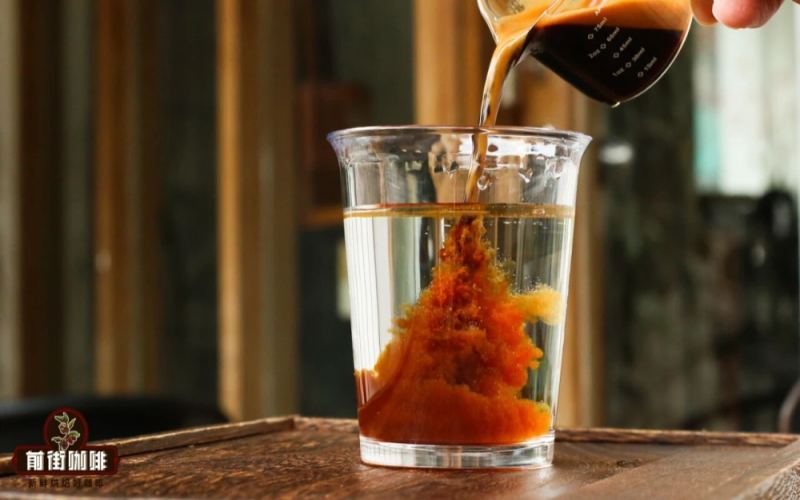
How to brew Americano for a smoother taste? Master water quality, crema, and icing techniques, and compare the differences with espresso
American coffee may seem simple, but many details determine the final taste. Based on Front Street's practical experience, this article first explains that a delicious Americano requires a suitable espresso base and proper concentration, then shares three "tricks" to enhance the texture: First, pay attention to the hardness of the dilution water, because water accounts for over 97% of black coffee, and soft water can bring out a more noticeable sweetness; Second, choose whether to keep or remove the crema on the surface of the espresso according to personal preference—removing it improves cleanliness and sweetness, while keeping it provides better body and aftertaste; Third, use ice cubes to directly catch the espresso and then shake to dilute, drawing on the concept of rapid freezing to preserve aroma and lower the temperature. In addition, the article also compares the differences between Italian coffee and American coffee, and recommends several Front Street espresso beans suitable for making non-bitter Americanos, including Strawberry Candy Blend, Commercial Blend, Huakui SOE, and Yirgacheffe Natural Red Cherry SOE. [more…]
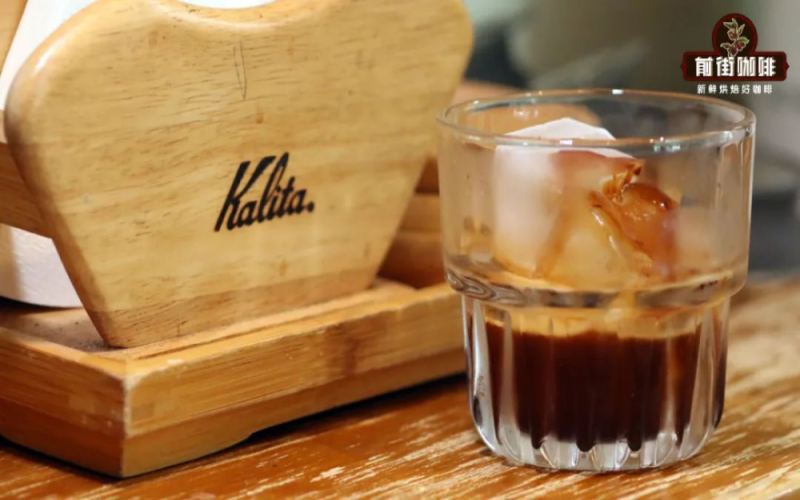
Black Coffee Brewing Methods | Which Tastes Better: Full-Ice Americano or Iced Americano? How Can Coffee Beginners Make a Waterless Iced Americano?
“Hey handsome! One iced americano, and make it the kind without water.” This was a request a barista at Front Street Coffee once received. Although Front Street has quite a few secret menu items (such as Flat White and Dirty), hearing this request still caught them a little off guard. [more…]
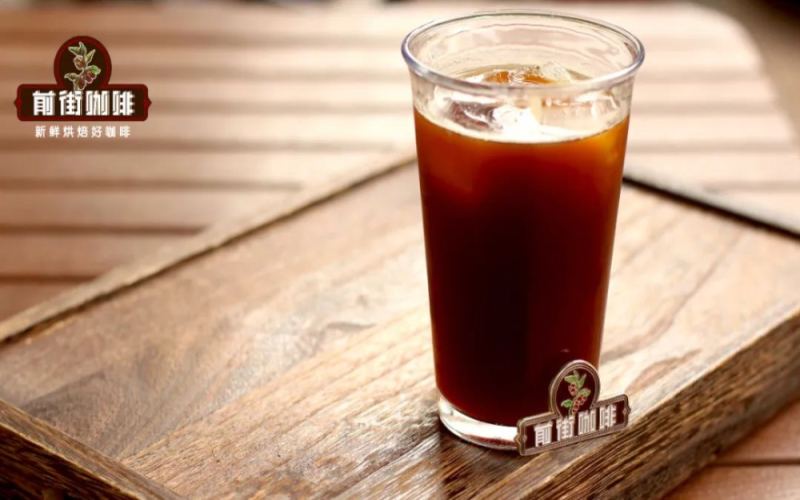
The Art of Adding Ice in Iced Coffee Making: A Full Analysis of Cooling, Aroma Locking, and Ratio Techniques
Whether iced coffee tastes good often hinges on the step of adding ice. Ice is not just a cooling tool; it also locks in aroma and maintains a cold mouthfeel. How much ice to add, what kind of ice to choose, and how to ratio different coffees—these questions trouble many enthusiasts. Drawing on Front Street Coffee's practical experience, this article first explains the three major functions of ice in coffee, then analyzes the differences between solid and hollow ice, and between large and small ice, and finally provides specific ice-adding plans for iced Americano, iced latte, iced pour-over, and cold brew/ice drip, helping you make consistently delicious iced coffee at home. [more…]
Is an All-Ice Americano Actually Good? The Making Method and Flavor Analysis of a Water-Free Ice Americano
Americano is usually made by diluting espresso with water, but there is a special approach—adding not a single drop of water, and instead using only ice cubes to replace the water portion. This is what is known as an "all-ice Americano." A barista at Front Street Coffee once encountered a customer who specifically asked for an "iced Americano, no water." What exactly makes this way of drinking coffee so special? This article will walk you through how an all-ice Americano is made, the WBC competition concept it draws on—Extract Chilling—and how it actually differs from a regular iced Americano in terms of concentration, bitterness, and aroma layering, helping you decide whether this water-free iced Americano is worth trying. [more…]
Complete Iced Pour-Over Coffee Guide: Using Golden Mandheling as an Example to Analyze the Extraction Points for Sweet Aftertaste and Lingering Finish
On a scorching hot afternoon, a glass of iced pour-over is undoubtedly a refreshing pick-me-up. But when iced brewing is done with dark-roasted beans, the rapid cooling and excessive dilution often make it bitter and watery. This article takes Front Street PWN Golden Mandheling, the darkest roast, as an example to break down how to avoid smoky, burnt, and astringent flavors through low water temperature, a slow-flow filter, coarse grinding, and staged pouring, extracting the sweet aromas of chocolate, maple syrup, and nuts, and ultimately achieving an iced coffee that is creamy and smooth with a caramel and cedar finish. From bean selection and parameters to the five-pour rhythm and the 1:10:5 coffee-to-water-to-ice ratio, the steps are complete and suitable for recreating at home. [more…]
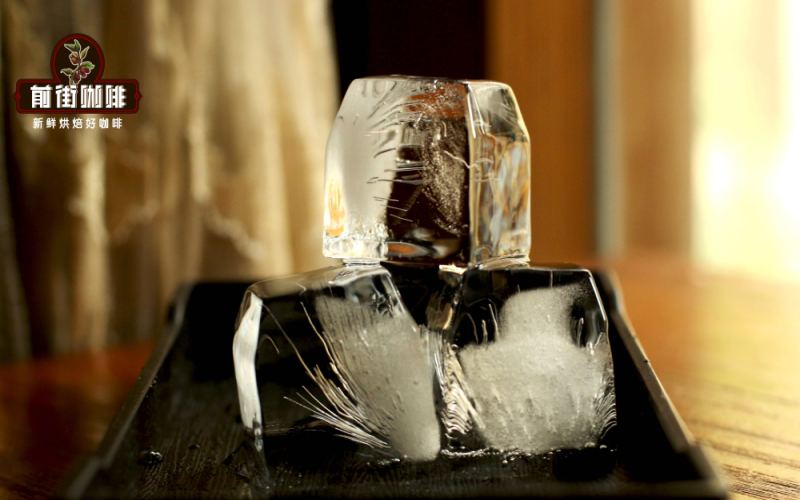
Japanese-Style Iced Pour-Over Tutorial | For iced pour-over coffee, should you add ice first or ice last? What is the ratio of coffee grounds, water, and ice for iced coffee brewing?
For more specialty coffee knowledge, please follow our WeChat public account: FrontStreet Coffee. A while ago, a customer asked, "How do you brew your iced pour-over coffee? Is there a difference between adding ice first and adding ice later?" In this issue, Front Street will conduct an experiment to compare them, hoping to [more…]