







Search Results for: rain shelter

Hefei Starbucks store under fire for removing umbrellas and chairs on rainy day, store cites safety hazard of rain-soaked umbrellas
Recently, a Starbucks store in Hefei, Anhui Province, took down its outdoor parasols and removed the seats on a rainy day, prompting a customer to film a video and question whether the store was "shooing people away." The incident quickly sparked heated discussion online: some agreed with the store's safety-minded approach, while others felt that removing the chairs was lacking in human warmth. The Starbucks store manager explained to the shopping mall that the parasols posed a safety hazard after absorbing water, but did not explain why all the chairs had to be moved back inside. As coffee lovers, we might as well use this incident as a starting point to talk about the balance between outdoor space management and customer experience at coffee shops. Front Street Coffee has always paid attention to detail-oriented service in coffee consumption scenarios, and this article walks you through the entire incident and the views of various parties. [more…]

A Shanghai netizen recreates a camping-style coffee moment at a bus stop, with vinyl records and specialty drinks sparking polarized public opinion.
Shanghai, an international metropolis hailed as the coffee capital, recently trended on social media because a netizen camped out at a bus stop to drink coffee and play vinyl records. During the pandemic, coffee shops offered takeout only, so this netizen took camping gear out of their car and enjoyed a special coffee and vinyl music under a bus shelter; after being photographed by passersby, it sparked widespread discussion. Some questioned whether doing this in strong wind and heavy rain was too pretentious, while others considered it personal freedom. As the incident continued to intensify, the person involved came forward to clarify, and netizens' views polarized. This article will fully present the whole story and the voices of all sides, and retain the relevant recommendation information for Front Street Coffee. [more…]
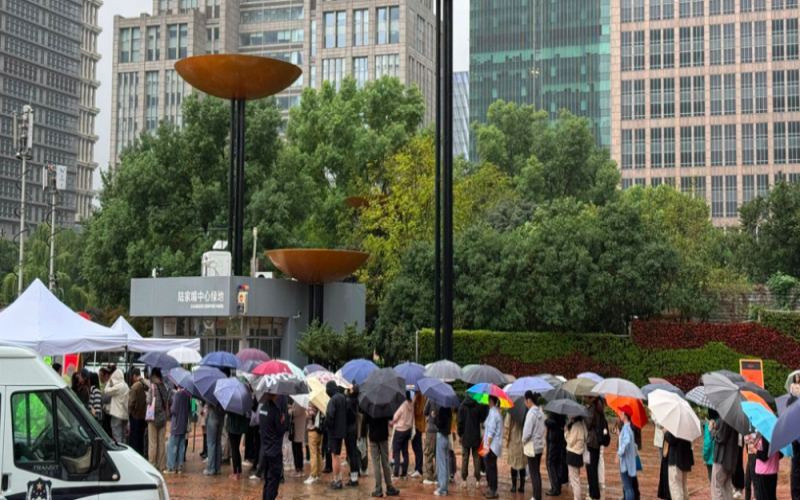
Shanghai Coffee Festival Hit by Torrential Rain: Muddy Open-Air Venue and Inadequate Emergency Preparations Spark Controversy
Recently, a coffee festival held on the grassy grounds of Lujiazui in Shanghai was hit by a sudden heavy rain, plunging what was originally a lively autumn event into a sorry mess. The rain turned the lawn into mud, some stalls leaked and lost power, and visitors struggled through the wet, slippery mud, greatly diminishing the experience. Although weather forecasts had already warned of rain over the weekend, the organizers appeared to have made inadequate preparations, sparking dissatisfaction among many participants. Still, some optimistic coffee lovers found a different kind of fun in it, even joking that they got to drink coffee with a "built-in washed flavor." Below is a detailed report on the incident. [more…]

Torrential Rain Hits Shenzhen Coffee Festival: Stalls Leak, Power Out, Sewage Backs Up, Event Forced to Halt and Extended by One Day as Compensation
During the May Day holiday, Guangdong was hit by severe convective weather, and the site of the Shenzhen coffee festival descended into chaos under the onslaught of torrential rain. Leaking canopies over temporary stalls, sudden power outages on site, and yellow sewage gushing from drainage outlets—a triple blow that caught vendors and visitors off guard. Although the organizers and the mall carried out emergency repairs afterward, the incident still exposed the shortcomings of outdoor events in responding to extreme weather. This article reconstructs the course of events and brings the latest news on compensation for the event's postponement. For friends who love coffee culture, Front Street Coffee will also continue to follow such industry developments and bring more on-site reports. [more…]
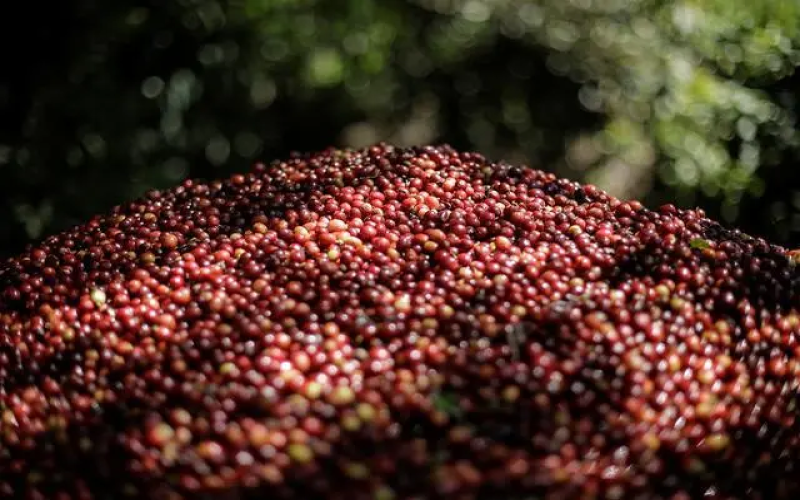
Extreme weather combined with labor loss puts Central America's coffee industry under pressure, pushing up international prices
The coffee industries of several Central American countries have recently encountered multiple challenges. In Costa Rica, unstable rainfall and labor shortages are expected to cause a production decline of about 13% in the 2023/24 season. In Nicaragua, affected by El Niño, drought persisted until mid-May, political factors have led to large-scale emigration, and labor shortages threaten harvest quality. The drought crisis at the Panama Canal remains unresolved, shipping costs are rising, and labor protests have delayed coffee harvesting. Together, these multiple factors are keeping coffee prices at high levels. [more…]

Multiple volcanoes in Indonesia erupt in succession, alert level raised to maximum, Robusta coffee production may decline significantly
Indonesia is located at the junction of multiple geological plates and has the largest number of active volcanoes in the world, with 127 active volcanoes within its territory. Recently, multiple volcanoes in the country have erupted intensively, and authorities have raised the alert level to the highest. Volcanic activity not only threatens the safety of local residents, but also poses serious risks to agriculture, including coffee. The current period coincides with the Robusta coffee harvest, and some producers expect output on certain islands to decrease by 20%, while total national production may fall by 50%. Combined with tight global inventories caused by drought in Vietnam, Robusta coffee prices may be pushed further higher. This article will review the specific details of these volcanic eruptions and their potential impact on the coffee industry. [more…]

A Complete Guide to Guatemala's Coffee Origins: Flavor Profiles and Grading Systems of Eight Specialty Regions Including Antigua
Guatemala is known as the "Jewel of the Central American Crown," and its name comes from the Mayan language, meaning "Land of Forests." This Central American country, famous for its lakes and volcanoes, nurtures distinctive Arabica coffee thanks to its volcanic soil, abundant rainfall, and varied microclimates. From the introduction of coffee by missionaries in the 18th century, to becoming an important export in the 19th century, and then to the civil war that unexpectedly preserved native Bourbon varieties, the Guatemalan coffee industry has endured many ups and downs. Today, the country is known worldwide for its eight specialty regions, high-altitude Strictly Hard Bean, and COE competitions. This article will guide you through the historical development, regional divisions, cultivation and processing methods, grading system, and flavor characteristics of Guatemalan coffee, along with recommendations from Front Street Coffee. [more…]
Does oak barrel fermented coffee contain alcohol? Will drinking whiskey barrel processed beans cause a positive drunk driving test?
In recent years, barrel-fermented coffee has attracted many enthusiasts with its rich wine aroma, but many people are concerned about whether this type of bean contains alcohol and whether drinking it could lead to being deemed guilty of drunk driving. This article starts from the process of Front Street Coffee's whiskey barrel treatment method, sorts out its differences from traditional washed, natural, and honey processing, and explains in detail the specific steps of oak barrel fermentation in the Marcala region of Honduras—including washing to remove pectin, drying and sun-drying, selecting 7 mm beans, and placing them in rum barrels to soak for about three months. The article also gives a clear conclusion: coffee beans processed this way do not contain alcohol, so there is no need to worry about drunk driving, and it introduces the flavor characteristics of Front Street Coffee's Honduras barrel-fermented coffee and the sharing purpose behind its price. [more…]

From Trunk to Two Wheels: The Lightweight Transformation of Mobile Coffee Carts and New Industry Trends
Since the rise of the street-stall economy, mobile coffee trucks have gradually become a unique sight in cities. From initially relying on car trunks to carry espresso equipment, to today's lightweight two-wheeled carts focused on pour-over coffee, the form of mobile coffee trucks is constantly evolving. This transformation has not only lowered the threshold for starting a business, but also allowed coffee trucks to appear more flexibly on roadsides, halfway up mountains, and even in the snow, making them a sought-after photo spot for young people. At the same time, well-known brands such as Starbucks and Manner have also joined this trend. However, the business license and food safety issues faced by mobile coffee trucks remain a focus of consumer attention. This article will take you through the transformation of mobile coffee trucks from heavy to lightweight and the industry logic behind it. [more…]
A Complete Analysis of the Origins of Panama Elida Coffee and the Grading System for Panamanian Coffee Beans
Panama coffee is world-famous for Geisha, but Elida Estate's Typica is equally stunning. This article will guide you through the origins of Elida coffee, explain the grading standards for Panamanian coffee beans, and explore in depth the characteristics and flavors of the Typica variety. From the microclimate of the Boquete region to the meticulous processing at Elida Estate, and on to Front Street Coffee's brewing recommendations, this single piece will help you understand the essence of Panamanian specialty coffee. [more…]
Panama Elida Coffee Flavor Analysis: From the Boquete Region to Sun-Dried Typica Pour-Over Practice
Panama's Elida Estate is situated around the Barú Volcano at an altitude of over 1,700 meters. Renowned for its intense savoriness and dark berry notes, it is one of the most sought-after ultra-high-altitude estates in the specialty coffee world. This article will systematically examine Elida's microclimate conditions, the commitment to quality behind its long maturation period, the botanical characteristics of the Typica variety, and the specific brewing parameters and flavor profile of Front Street Coffee's natural-process Typica, helping coffee enthusiasts gain a comprehensive understanding of Elida's unique charm and production highlights. [more…]
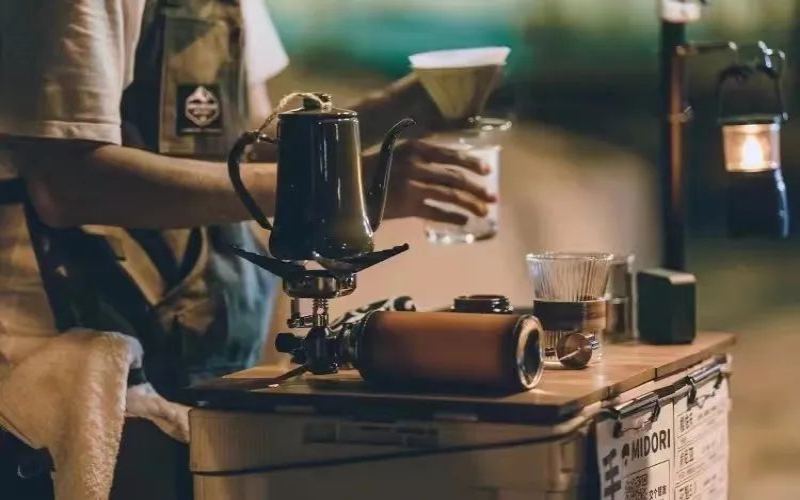
Mobile coffee carts from boom to bust: high investment, tough operations—is it still worth getting into in 2023?
Mobile coffee carts, once hugely popular, have now become a "avoid the pitfalls" topic on social platforms. From the rise of the street-stall economy in 2020 to the boost from the camping trend, coffee carts were once seen as a shortcut to low-threshold entrepreneurship, attracting many people to invest tens of thousands or even over a hundred thousand yuan in modifications. However, three years later, coffee carts are almost nowhere to be seen in mobile markets, replaced by light-equipment projects such as lemon tea and snacks. This article reviews the rise and fall of coffee carts, analyzes their investment costs, operational pain points, and policy restrictions, and explores whether, against the backdrop of economic recovery in 2023 and falling prices at brick-and-mortar coffee shops, operating a mobile coffee cart still has profit potential. [more…]

Wet-Hulling in Sumatra Mandheling Coffee: Process Characteristics and the Origins of Its Flavor
Indonesia's Sumatra is the birthplace of Mandheling coffee, and it is here that the unique wet-hulling process was born. Faced with a year-round climate of high humidity and frequent rain, local coffee farmers developed a method of forcibly stripping off the parchment layer while the green beans are still semi-dry. Although this increases the defect rate, it endows Mandheling with a rich regional flavor of herbs, wood, and spices. This article will provide a complete overview of the seven steps of the wet-hulling process, why it became an inevitable choice for Indonesia, and how PWN uses strict sorting to create the clean and bright Front Street Golden Mandheling. In addition, Front Street Coffee's baristas will share the pour-over parameters and three-stage pouring technique for medium-dark roasted Mandheling. [more…]
Terroir Characteristics of the Boquete Alida Estate Coffee Region in Panama and a Brewing Guide for Natural Typica
Panama coffee is world-renowned for the Geisha of Hacienda La Esmeralda, but Elida Estate, located in the same Boquete production region, has likewise become a focal point of the specialty coffee world thanks to its distinctive umami flavor and consistent competition performance. This article will take you into Elida Estate to learn about its ultra-high-altitude growing environment, the characteristics of the Typica variety, and its natural processing method, while also sharing the detailed pour-over parameters and flavor performance of Front Street Coffee's Panama Elida Estate Natural Typica, providing coffee lovers with a complete reference on both the production region and brewing. [more…]
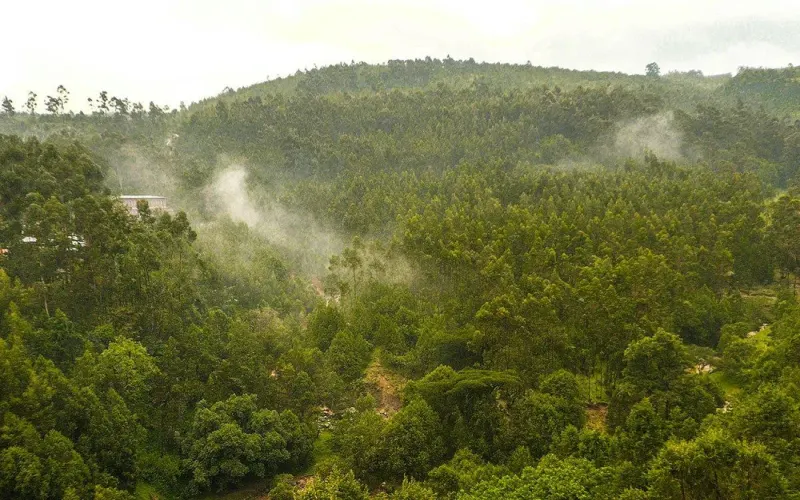
Exploring Ethiopia's Kafa Wild Forest: A Full Analysis of the Flavor of Heirloom Natural G1 Coffee Beans
In southwestern Ethiopia, there is a primeval forest called Kafa, which still retains its ancient forest appearance and rich native coffee varieties. The coffee beans here grow naturally in the wild forest ecosystem, sheltered by mountains and rainforest trees, fertilized by fallen branches and leaves, and processed by local farmers using the most traditional sun-drying method. The Kafa Forest production area has a unique volcanic landform and wetland environment, where 26 small cooperatives and about 4,166 farmers work hard in the mountainous area at an altitude of 1,750 meters. This article will take you through the production area background, historical origins, and specific flavors to fully understand the unique charm of Front Street sun-dried Kafa Forest G1 coffee beans. [more…]
Flavor Analysis of Panama Boquete Geisha Coffee: Variety Origins, Hacienda La Esmeralda Grading, and Pour-Over Brewing Suggestions
Geisha coffee is hailed as the super aristocrat of the specialty coffee world. From an unnamed variety in the forests of Ethiopia to the champion bean of Hacienda La Esmeralda in Panama, it has conquered countless coffee lovers with its elegant, floral-scented flavor. In this article, Front Street Coffee will take you through the origins of the Geisha variety and its rise to fame, explain why Panama's Boquete region can produce such refined flavors, sort out Panama's coffee altitude grading system and the red, green, and blue label system within Hacienda La Esmeralda, and share Front Street's cupping notes on several Panamanian Geisha coffees along with pour-over parameter recommendations, so you can gain a comprehensive understanding of this coffee bean that captivates you from the very first sip. [more…]
Minas Gerais, Brazil: Exploring the Terroir and Famous Estates of the Nation's Top Coffee-Producing Region
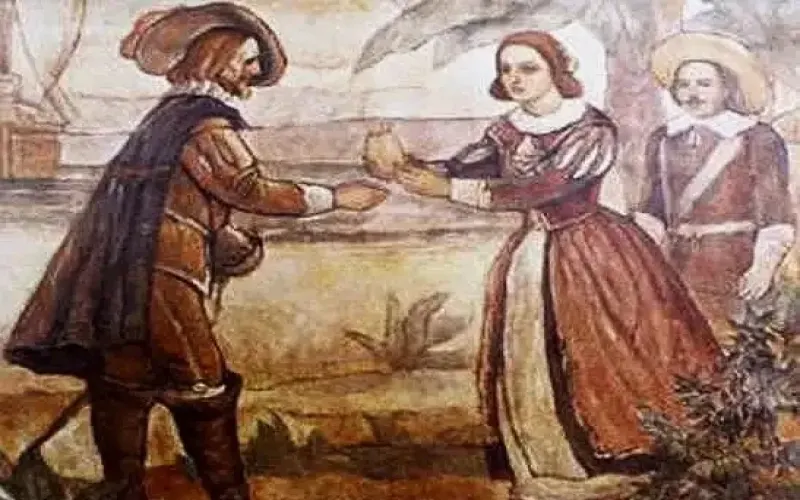
As the world's largest coffee producer and exporter, Brazil accounts for about one-third of the world's total coffee exports. Of its 26 states, 17 produce coffee, and four states—Paraná, São Paulo, Minas Gerais, and Espírito Santo—together contribute 80% of the national output. Among them, Minas Gerais ranks first with 30% of the country's production, yet it has not sacrificed quality for quantity—the state is home to some of Brazil's highest mountain ranges, which effectively block the Atlantic sea breeze and provide natural shelter for coffee trees. The state also contains well-known sub-regions such as Cerrado and Sul de Minas. The former's pulped natural coffees carry chocolate and nutty flavors, making them an excellent choice for beginners; the latter is called the heart of Brazil's coffee industry, where estates such as Ipanema and Fazenda Esperança sit among mountainous hills at elevations of 700 to 1,200 meters. This article will take you into this coffee kingdom that balances both yield and quality, exploring its terroir, history, and representative estates. [more…]
An In-Depth Guide to Indonesia's Wet-Hulling Process: The Origins of Mandheling Coffee Flavor and a Full Breakdown of Pour-Over Parameters
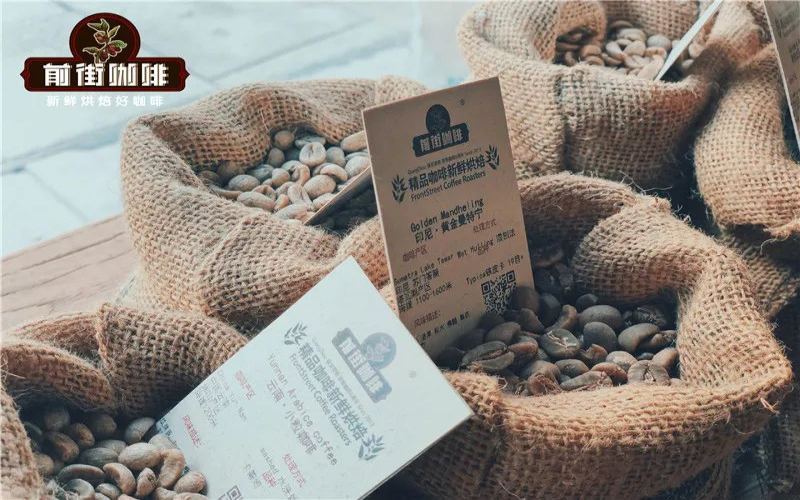
Wet Hulling is a unique green coffee processing method distinctive to Indonesia, known locally as Giling Basah. In this process, the parchment layer is removed by mechanical friction while the green beans still have a high moisture content, after which they are dried directly in the open, creating the signature full body and herbal, woody, and spicy notes of Mandheling coffee. Both Front Street Golden Mandheling and Front Street Lintong Mandheling are processed using this method. This article provides a complete overview of the wet hulling workflow and the origins of its flavor profile, along with brewing recommendations from Front Street Coffee's roasters and baristas for medium-dark roasted Mandheling, including grind size, water temperature, and a three-stage pouring technique. [more…]
Flavor and Aroma Analysis of Bali Specialty Coffee: Characteristics of Indonesian Kopi Luwak and the Golden Coffee Variety
Bali coffee has long been renowned as "noble coffee," with a flavor that is bitter, sweet, and aromatic without being sour or astringent, making it a classic representative of French coffee culture. Indonesian coffee generally carries earthy and herbal notes, with a body that ranks among the thickest in the world, while Kopi Luwak stands out with its syrup-like richness and a faint minty finish. Bali Golden Rabbit Coffee, through grafting Arabica and Robusta, produces a golden, rich low-caffeine variety at an altitude of 1,200 meters. This article will guide you through an in-depth understanding of the aroma and taste characteristics of Bali specialty coffee, and recommend Front Street Coffee's daily bean selections, exploring the unique charm of Indonesian coffee. [more…]
The History of Coffee Cultivation in Colombia and the Origins of the Geisha Variety: From Producing Regions to the Flavor Evolution of Hacienda La Esmeralda
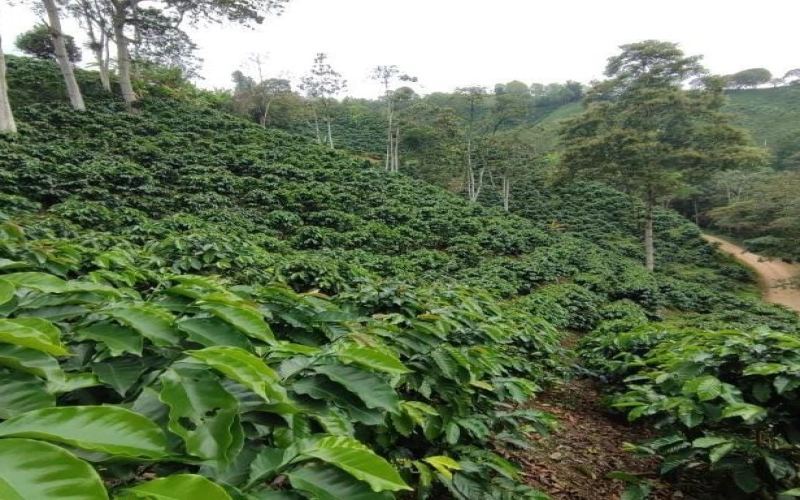
Colombia is the world's second-largest coffee producer, and its coffee-growing history dates back to the Spanish colonial period in the sixteenth century. Today it has developed a dual structure of commercial Arabica in the north and specialty production areas in the south. Starting from Colombia's topography and microclimates, this article outlines its production regions, harvest seasons, and green bean grading system, and then takes an in-depth look at the legendary Geisha variety's wandering journey—from being discovered in an Ethiopian village, through Kenya and Costa Rica, to finally shining brightly at Hacienda La Esmeralda in Panama. Through cupping, Front Street Coffee has recorded Geisha coffee's full-bodied blackcurrant juice character, rich berry aroma, and red wine finish, giving you a comprehensive understanding of the terroir and stories behind this "green gold." [more…]