







Search Results for: pros and cons of siphon coffee
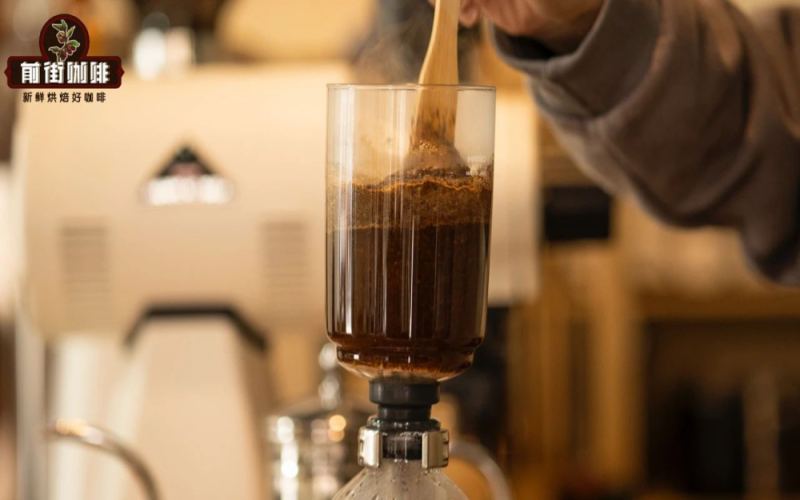
An In-Depth Analysis of the Pros and Cons of Siphon Coffee Brewing and a Sharing of Practical Operating Experience
With its unique design and ritualistic operation, the siphon brewer has become a favorite among many coffee enthusiasts. Brewing coffee with a siphon can both highlight the distinctive characteristics of single-origin beans and deliver a rich, full-bodied taste. Because of the heat source, the coffee undergoes changes through high, medium, and low temperatures during brewing, revealing layered and complex flavors. However, various questions can arise in practice. Today, Front Street Coffee will talk with you about extraction insights for this cool piece of equipment, from principles to bean selection, helping you gain a more comprehensive understanding of the pros and cons of the siphon brewer. [more…]
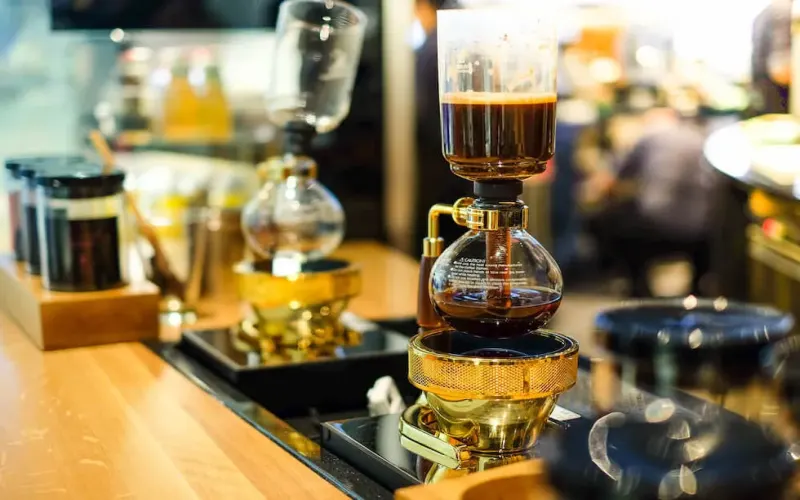
A Detailed Guide to Siphon Coffee Brewing Parameters: Extraction Key Points, Historical Origins, and a Comprehensive Analysis of Pros and Cons
As a coffee brewing device with a long history, the siphon pot offers both an visually captivating brewing process and a distinctive flavor expression. This article systematically traces the origins and spread of the siphon pot, explains in detail the brewing parameters recommended by Front Street Coffee—including grind size, coffee-to-water ratio, extraction time, and stirring technique—and objectively analyzes the advantages and limitations of siphon coffee compared with pour-over coffee, exploring its place and playful possibilities in today's specialty coffee context. [more…]
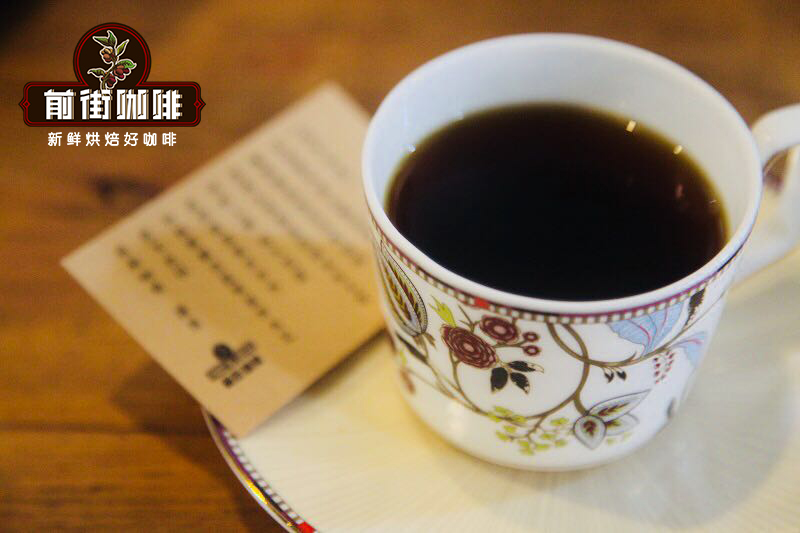
Pros and Cons of Americano | Is Iced Americano Black Coffee? What Are the Effects and Benefits of Black Coffee? Is Americano High in Calories?
Black coffee, also known as "zhai coffee," means black coffee in Cantonese. So zhai coffee refers to pure black coffee with no additives whatsoever, such as the commonly seen espresso, Americano, iced drip, cold brew, and coffee extracted by various brewing devices all belong to zhai coffee, like siphon, French press, moka pot, and so on. Among them, iced Ameri- [more…]

Coffee Grounds Filtration Tools | Filter Paper, Filter Mesh, or Filter Cloth: Which Is More Convenient and Effective for Filtering Coffee Grounds? What Are the Pros and Cons of Filters Made from Different Materials?
A pot of aromatic and enchanting coffee, of course, must be paired with elegant coffee equipment. When it comes to the wide variety of equipment, why do some people prefer certain types? Today we are going to talk about the equipment they like, and what magic it actually has that can change the coffee they brew. Using simple words and principles, we will [more…]
How to Choose a Pour-Over Coffee Filtration Method: A Full Analysis of the Taste Differences, Pros, and Cons of Paper Filters, Stainless Steel Filters, and Cloth Filters
People who buy their own beans, grind them, and brew pour-over coffee often face a choice when it comes to filtration: should they use disposable paper filters, reusable stainless steel mesh filters, or flannel cloth filters? Each of the three methods has its own adherents, and each directly affects the clarity, body, and aroma expression of the coffee in the cup. This article starts from material characteristics, ease of use, taste differences, and maintenance points, comparing the pros and cons of paper filters, metal mesh filters, and cloth filters one by one, and offers selection suggestions for different taste preferences. If you often drink Front Street Coffee's medium-to-dark roasted beans, or prefer light-roasted beans with floral and fruity notes, understanding these filtration details can help you adjust your brewing direction more accurately and find the cup of coffee that suits you better. [more…]
How to Choose the Filter Material for Pour-Over Coffee? A Complete Comparison of the Pros and Cons of Paper Filters, Metal Filters, and Cloth Filters
In the world of pour-over coffee, the choice of filter material is often underestimated, yet it directly determines the direction of the flavor in the cup. Paper filters, metal filters, and cloth filters each have their adherents, and they differ vastly in how much they intercept oils, fine particles, and flavor compounds. This article begins with the century-old origins of the coffee paper filter, then breaks down one by one the structural principles, operational experience, and pros and cons of the three filtration methods, along with a comparison of mainstream filters such as KONO, HARIO, and CHEMEX, as well as practical advice from Front Street Coffee for everyday brewing. Whether you prefer a clean, bright sense of layering or pursue a thick, full-bodied original flavor, you can find the filtration solution that suits you in this article. [more…]
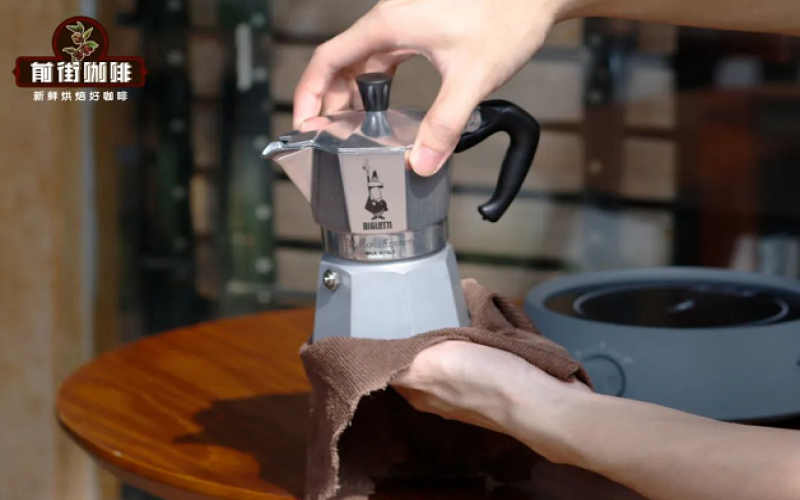
Moka Pot Brewing Pros and Cons: A Complete Guide from Brewing Principles to Grind Size
The moka pot is favored by coffee enthusiasts for its compact portability and low barrier to entry—whether at home or outdoors, it can quickly produce a cup of espresso-style coffee. It consists of three parts: a lower water chamber, a filter basket, and an upper pot. By using the steam pressure generated by heating, it pushes hot water through the coffee grounds to extract the coffee liquid. However, this brewing method also brings obvious shortcomings—the water temperature is relatively high, and the parameters are difficult to control precisely, which can easily lead to over-extraction. This article will systematically sort out the advantages and disadvantages of the moka pot, and focus on explaining the correct approach to coffee ground coarseness, helping you achieve consistent results even when using products from brands such as Front Street Coffee. [more…]
How to Choose Coffee Filters? A Full Breakdown of the Pros and Cons of Metal Filters, Paper Filters, and Cloth Filters, Plus Daily Maintenance
When brewing a good cup of coffee, the choice of filter often determines the direction of the final flavor. Metal filters, paper filters, and cloth filters each have their own fans—what kind of taste performance do they each bring? And how should they be cleaned and maintained to extend their lifespan and avoid off-flavors? Starting from real-world experience, this article analyzes the pros and cons of three common filter materials one by one, and includes simple and effective maintenance methods to help you find the brewing partner that suits you best among the dazzling array of equipment. [more…]
Pour-Over vs. American Drip Machine: Which Makes Better Coffee? A Full Analysis of the Pros and Cons of Brewing Freshly Ground Black Coffee
Pour-over coffee and American drip coffee machines are quite similar in their brewing methods, both relying on steady drip filtration in a pressure-free environment. However, the differences between manual and machine brewing lead to distinctly different flavor profiles and suitable scenarios. Drawing on the production experience of Front Street Coffee, this article examines the key steps that influence pour-over flavor one by one—from cup warming and grinding to equipment combinations, blooming, and brewing—while also comparing the advantages and disadvantages of American drip machines, helping coffee enthusiasts understand why pour-over is more favored, as well as the details and timing control to pay attention to when practicing at home. [more…]
A Complete Guide to Siphon Coffee Brewing: Practical Insights from Equipment Structure to Extraction Parameters
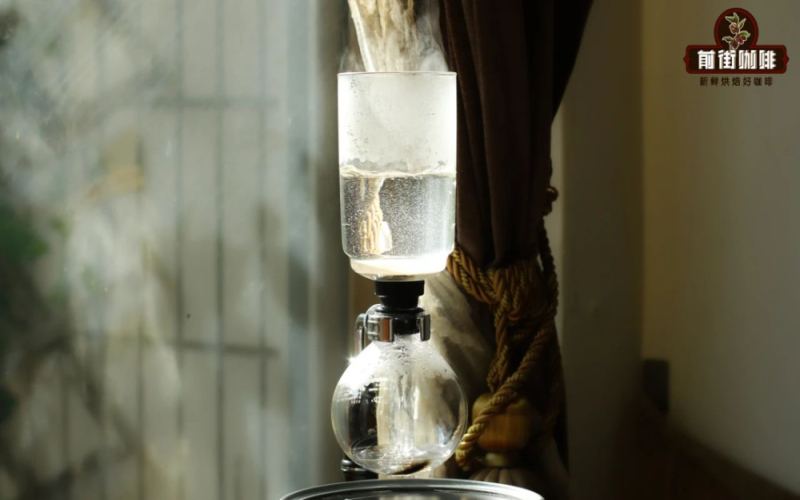
The siphon is now a rare piece of equipment in the current specialty coffee wave; many cafés no longer offer siphon coffee, or keep it only as a special single-origin offering. But for siphon enthusiasts, outside options are limited, so it is better to do it yourself. In this article, Front Street breaks down the complete siphon coffee brewing process in plain language, starting from the upper and lower chamber structure and sealing principle, comparing the trade-offs between flannel cloth filters and round paper filters, analyzing the pros and cons of three heat sources—gas stove, light-wave stove, and alcohol lamp—and delving into the disagreement between adding coffee grounds first versus later, grind size reference, recommended coffee-to-water ratio, and the tapping and stirring technique. At the end, the article includes Front Street’s usual step-by-step operating procedure, covering all stages: pouring water, inserting the upper chamber, adding coffee grounds, stirring, and turning off the heat for drawdown. It is suitable for beginners to follow step by step. [more…]
How to Choose and Use Coffee Filters? A Complete Guide to Bleached vs. Unbleached, Cone Filter Parameters, and Three Brewing Methods
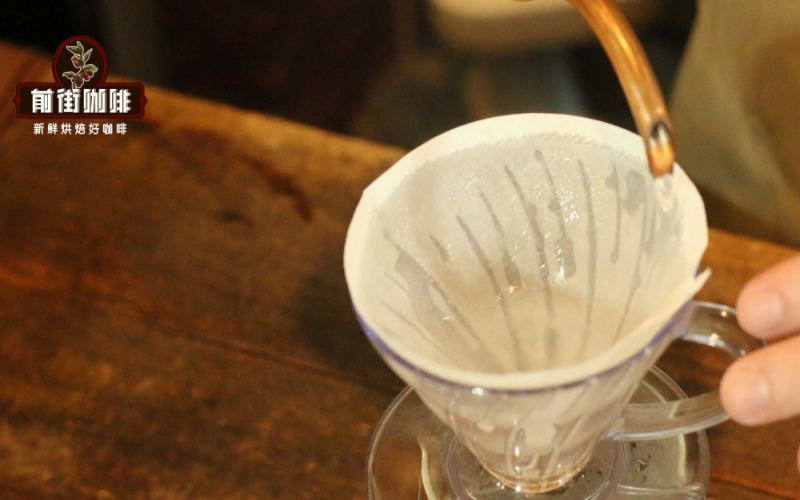
Brewing coffee at home—paper filters, metal filters, or cloth filters: how exactly should you choose? This article starts with the difference between bleached and unbleached paper filters, explains why you should rinse your paper filter, and lists the weight and feel of several common cone-shaped paper filters for reference. It also compares metal filters, flannel cloth filters, and drip coffee bags by their pros and cons. Whether you're after a clean, crisp cup or want to keep more of the coffee oils and original flavors, you'll find the right filtration solution for you here, and avoid detours when shopping. [more…]
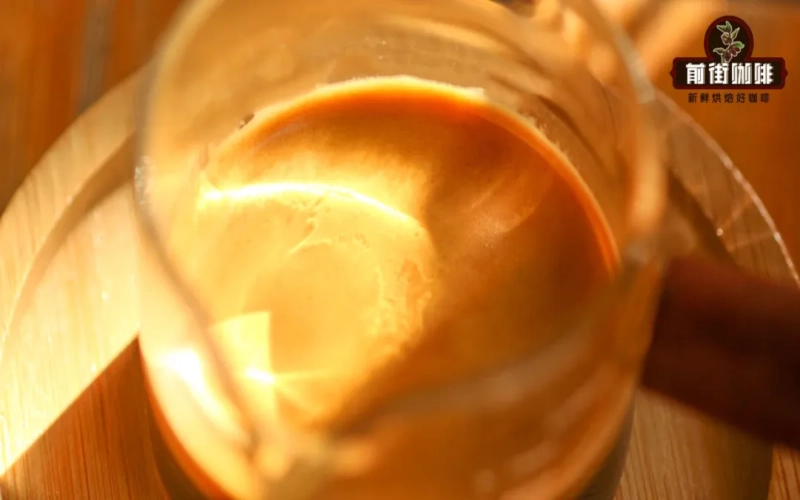
How to Get Oils in Pour-Over Coffee? The Key Role of Coffee Bean Lipids and Filter Selection Explained
Can pour-over coffee have oils? The answer is yes, but it requires a different approach. The crema of espresso is essentially oil encapsulating carbon dioxide, and it is the lipids in the coffee beans themselves that truly give coffee its rich body and aromatic boost. Because pour-over uses a filter paper with excessively strong filtration, it is nearly impossible to retain oils. To change this, you simply need to switch to a device with slightly weaker filtration performance, such as a flannel cloth or non-woven filter paper, and Front Street has clear recommendations on this. This article will explain the mechanism by which lipids work and compare in detail the pros and cons of different filters and the key adjustment points, to help you achieve a richer mouthfeel in pour-over. [more…]

Pour-Over Coffee Beginner's Guide | How Should Coffee Newbies Choose Coffee Filters? How Do You Use Coffee Filters? What Types of Coffee Filters Are There?
For professional coffee knowledge exchange and more coffee bean information, please follow FrontStreet Coffee. How to choose coffee filter paper? How to use coffee filter paper? What types of coffee filter paper are there? Many enthusiasts buy their own coffee beans, use a grinder, and purchase equipment to brew coffee, all [more…]
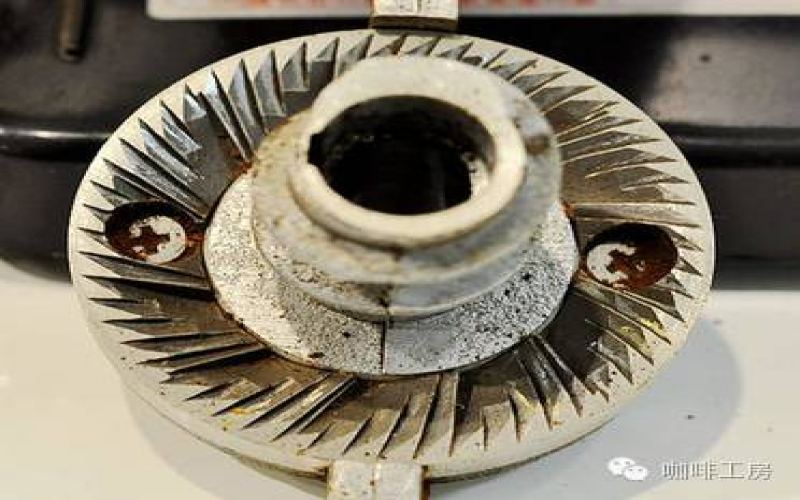
Coffee Grinder Buying Guide: How to Choose Between Flat Burrs, Conical Burrs, and Ghost Teeth, Plus a Full Analysis of Common Models' Grind Settings and Extraction
Faced with the dazzling array of coffee grinders on the market, many coffee enthusiasts find themselves paralyzed by choice. In truth, the coffee world has never had a single standard—different burr sets each have their strengths and weaknesses. Starting from burr types, this article takes a deep dive into the structural differences between flat burrs, conical burrs, and ghost-tooth burrs, along with their real-world impact on particle shape, extraction results, and final flavor. It also includes practical grind-setting parameters for commonly used models such as the Fuji Royal, Feiying, and Zheng Huang Hang, helping you find a grinding approach that suits your brewing method and taste preferences. [more…]
A Complete Guide to Sun-Dried Coffee Beans: Processing Methods, Flavor Characteristics, and How to Choose Quality Brands
Among the many factors that influence coffee flavor, the processing method plays a pivotal role. The natural process is the oldest and most primitive way of processing green coffee beans, and it has endured to this day thanks to its simple procedure, low water consumption, and low cost, with its finished product known for intense fruity aromas and bright sweetness. This article will guide you through the entire natural process—from water sorting to float the defective beans, to spreading the cherries out to dry and raking them, and finally to hulling and resting in storage—analyze the pros and cons of this method, and include Front Street Coffee's natural-process bean recommendations, such as the naturally processed Yirgacheffe and Sidamo and other high-value single origins, to help you easily choose quality natural-process coffee beans. [more…]
How to Choose Pour-Over Coffee Filters? A Complete Guide to the Flavor Differences and Cleaning & Maintenance of Metal Filters, Paper Filters, and Cloth Filters
In the world of pour-over coffee, the choice of filter material often determines the direction of the flavor in the cup. Metal filters, paper filters, and cloth filters each have their adherents—what kind of taste experience does each bring? Are metal filters really clean and hygienic? And how should cloth filters be properly maintained? Starting from their pros and cons, this article will analyze the characteristics of these three common filter materials one by one, and share practical cleaning tips to help you find the brewing partner that suits you best among a dazzling array of equipment. Whether you prefer bright acidity or a rich, full-bodied taste, understanding the principles of filters will let you control the performance of every cup of coffee with greater ease. [more…]
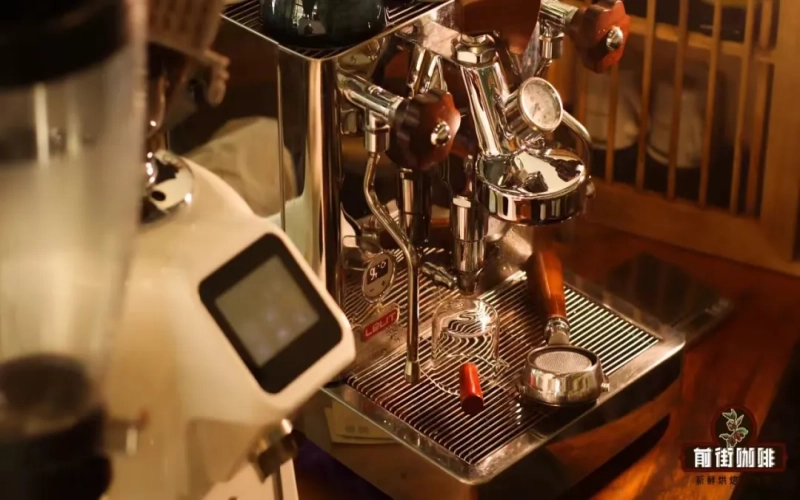
A Complete Guide to Home Coffee Machine Selection: Features of Espresso, Drip, Capsule, and Pour-Over Models and Coffee Bean Pairing Suggestions
Faced with a dazzling array of coffee machines on the market, from espresso and drip to capsule and automatic pour-over, each type has its own unique brewing principle and suitable scenarios. Only by understanding their features can you find the one that suits you best. This article sorts out the operation methods, pros and cons, and representative models of various coffee machines, and at the same time recommends matching coffee beans based on the characteristics of different machines. For example, espresso machines are suitable for medium-dark roasted beans, while automatic pour-over machines are compatible with almost all beans. The article also specifically mentions Front Street brand beans such as Brazil Queen Estate, Golden Mandheling, Strawberry Candy Espresso, Panama Geisha, and Ethiopia Huakui, making it convenient for readers to refer to and purchase in one stop. [more…]
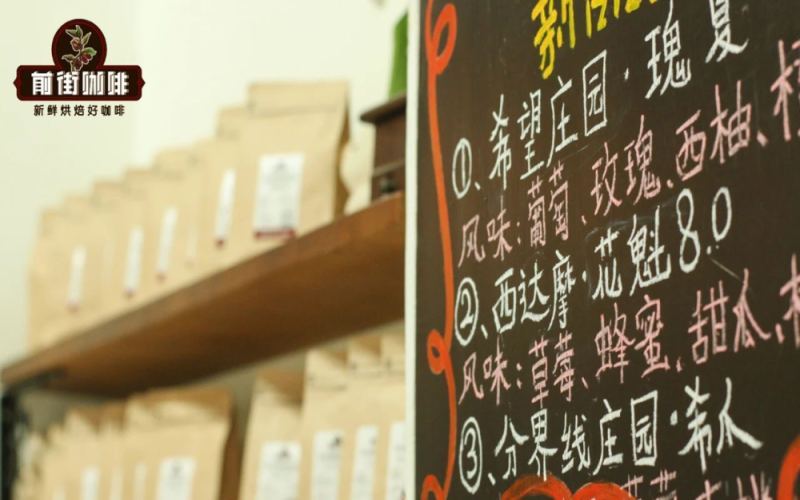
A Complete Guide to Buying Coffee Beans for Beginners: Understanding Brewing Methods, Freshness, and Regional Flavors at Once
Overwhelmed by the dazzling array of coffee beans and unsure where to start? This article lays out a practical approach to choosing coffee beans for coffee lovers. Starting from the brewing method, it helps you distinguish the suitable scenarios for single-origin beans versus espresso blends; then it discusses the key details of fresh roasting and the resting period, so you don't miss the optimal flavor window; finally, it offers specific bean-selection directions based on origin, roast level, and flavor descriptions, and compares the pros and cons of whole beans versus ground coffee. The article also draws on product examples from Front Street Coffee to recommend several distinctive coffee beans, making it easy for you to quickly pinpoint your target by matching your own taste preferences. [more…]
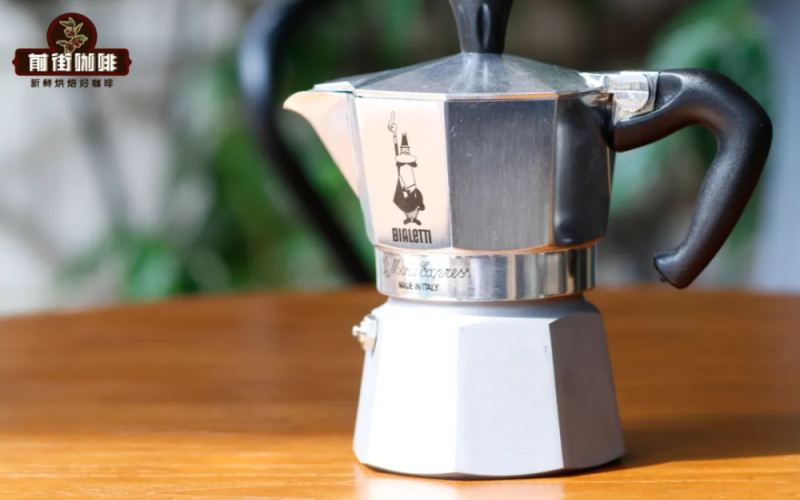
Moka Pot vs. Semi-Automatic Espresso Machine: How to Choose? From Working Principles to Buying Advice, Explained Clearly in One Go
The moka pot and the semi-automatic espresso machine are both pressure-based extraction devices, yet they represent two different directions: household convenience and commercial professionalism. The moka pot was born in 1933, designed by Alfonso Bialetti, founder of Bialetti, and became a staple of Italian households thanks to its compact size and affordable price; the semi-automatic espresso machine evolved from the steam pressure device of 1885 all the way to the epoch-making FAEMA E61 in 1961, laying the design foundation for modern espresso machines. The two differ markedly in pressure, crema performance, and usage scenarios. Starting from their historical development, working principles, and practical needs, this article will analyze the pros and cons of each, and combine them with Front Street Coffee's bean recommendations to help coffee lovers find the one that suits them. [more…]
Pour-Over Coffee Practical Guide: Complete Parameters from Grinding and Water Temperature to Coffee-to-Water Ratio, Plus an Analysis of Eight Major Brewing Methods
Want to brew a delicious pour-over coffee? How exactly should you set the grind size, water temperature, and coffee-to-water ratio? This article first outlines the general principles of coffee brewing, then breaks down one by one the operating details, advantages, and disadvantages of eight brewing methods, including siphon, water drip, espresso, paper filter, piston pot, Belgian pot, and moka pot. No matter which device you usually use, you can find reference parameters and steps here. At the end, it also gives specific suggestions based on Front Street Coffee beans to help you put theory into daily practice. [more…]