







Search Results for: pouring steps

Complete Guide to Pour-Over Coffee for Beginners: From Bean Selection and Roast Level to Detailed Brewing Steps
Want to brew an outstanding cup of pour-over coffee at home? Choosing the right roast level for your coffee beans is the first step. Coffee beans are broadly divided by roast depth into light, medium, and dark roasts. The lighter the roast, the more pronounced the acidity and the better it showcases the bean's own fruity and floral notes; the darker the roast, the more obvious the bitterness. The good news is that beans of any roast level are suitable for pour-over—they simply taste different. This article starts with choosing a roast level, then breaks down the eight standard steps of pour-over coffee, covering key details such as folding the filter paper, warming the cup to remove odors, the blooming technique, and the circular pouring motion. It also recommends several representative Front Street Coffee beans at different roast levels to help beginners quickly build a pour-over framework. [more…]
Pour-Over Coffee Beginner's Guide: Complete Step-by-Step Tutorial from Filter Folding to Pouring Techniques
Pour-over coffee is known for its clean taste and alluring aroma, and the brewing process is especially elegant. Many people mistakenly believe this brewing method originated in Japan, but it actually originated one hundred percent in Europe—Melitta Bentz of Germany invented the original filter paper and dripper in 1908. This article will start with the historical origins, then teach you step by step the basics of filter paper folding, coffee grinding, water temperature selection, pouring technique, and coffee-to-water ratio. The process isn't complicated, and you don't need much equipment—after reading this, you'll be able to make a cup yourself. [more…]
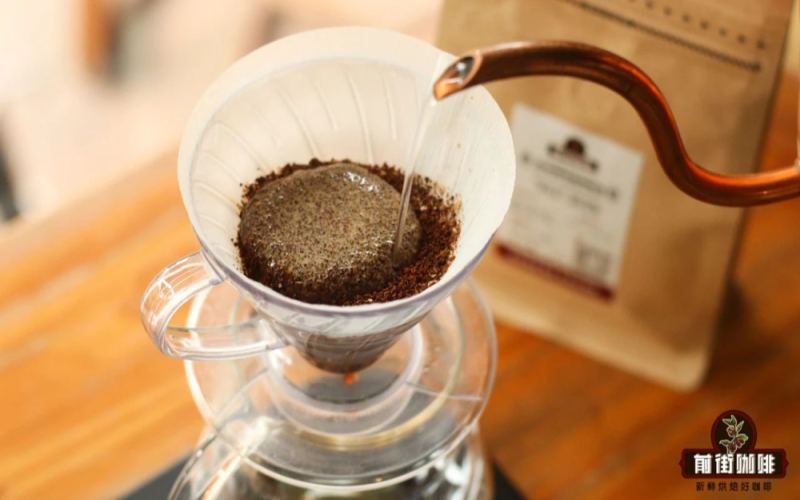
Learning Pour-Over Coffee from Scratch: A Complete Step-by-Step Process and Practical Water Flow Control Techniques
For friends who are just getting into pour-over coffee, everything from choosing equipment to pouring technique can become a stumbling block. Many people piece together what they learn from online videos, taking plenty of detours before gradually figuring out the tricks of the trade. In fact, as long as you sort out the order of the brewing process and master a few key techniques, getting started isn't as difficult as you might imagine. Drawing on the practical experience of Front Street Coffee, this article systematically lays out the basic steps of pour-over coffee, focuses on the core challenge of water flow control, and shares insights on selecting and modifying the spout of a pouring kettle, helping beginners pour a steady stream of water in the shortest time possible and making every cup of pour-over more reliable. [more…]

Latte Art Guide: From Pouring Point and Swirling Control to Step-by-Step Tutorials for Tulip and Leaf Patterns
Latte art encompasses three categories: free pouring, etching, and printing. Of these, free pouring and etching are together known as milk latte art—free pouring creates the pattern directly through wrist control while pouring hot milk, whereas etching uses chocolate sauce and tools such as toothpicks and bar spoons to refine the details. Free pouring is the foundation, and etching is the辅助 (auxiliary); the former tests technique, the latter tests creativity. To master milk latte art, one typically goes through five stages: choosing the right milk pitcher and coffee cup, practicing flow control, becoming familiar with basic patterns, hands-on practice, and then further refinement and improvement. This article will use two basic patterns, the tulip and the leaf, as examples to break down key techniques such as the position of the pour point, the flow rate, and the rhythm of the swing, and explain how to use 【Front Street Specialty Blend】 to extract espresso suitable for latte art. [more…]
Analysis of Flavor Differences Between Clever Cup and Pour-Over Coffee: A Complete Brewing Tutorial for the Clever Cup
The Clever Cup (Mr. Clever) was designed by Taiwan's E.K company, combining convenience and professionalism, and is deeply loved by coffee enthusiasts. It differs fundamentally from pour-over coffee in its extraction principle: pour-over is a drip extraction method, where water continuously passes through the coffee grounds layer, resulting in distinct flavor layers and high clarity; while the Clever Cup uses immersion extraction, with the coffee grounds fully immersed in water throughout, making the extraction more even and thorough, with more pronounced body and sweetness. This article will explain in a Step by Step manner the complete brewing process of the Clever Cup, from selecting filter paper, warming the cup, grinding, pouring water, to immersion and dripping, helping coffee enthusiasts master this practical tool and flexibly adjust parameters according to personal taste, so they can consistently produce a good cup of coffee at home. [more…]
Pour-Over Coffee Beginner's Guide: Equipment Selection, Brewing Process, and Illustrated Step-by-Step Instructions
Pour-over coffee is the most popular brewing method in the specialty coffee era, and both the choice of equipment and the techniques involved are worth studying in detail. This article will guide you through the historical origins of pour-over coffee, starting with Melitta's invention of the filter brewing method, then introduce one by one the selection considerations for essential equipment such as the pour-over kettle, dripper, and grinder, along with a complete illustrated step-by-step guide. Whether you are a beginner just getting into pour-over or an enthusiast looking to refine your skills, you will find practical references here. The article also specifically mentions relevant product information from Front Street Coffee to make it easy for you to purchase as needed. [more…]
An Analysis of Colombian Coffee Flavor Characteristics and a Detailed Guide to Pour-Over Brewing Steps
Colombian coffee ranks second in global production, accounting for about 12% of the world's total output. Though it doesn't match Brazil in scale, it is renowned for its outstanding quality. Its beans are mostly grown at high altitudes and processed using the wet method, resulting in a flavor profile that is rich and full-bodied, with a smooth sweet acidity and substantial strength, along with a distinctive hint of sweet potato skin—making it a premium choice among coffees. Thanks to its complex aromatic layers, Colombian coffee is suitable both for drinking on its own and as a blending bean to enhance the aroma of other coffees. This article starts with the characteristics of Front Street Colombian coffee beans and then breaks down the seven steps of pour-over extraction one by one, covering key details such as grind size, filter paper preparation, cup warming, blooming, and pouring rhythm, helping coffee enthusiasts consistently reproduce a balanced and delicious cup at home. [more…]
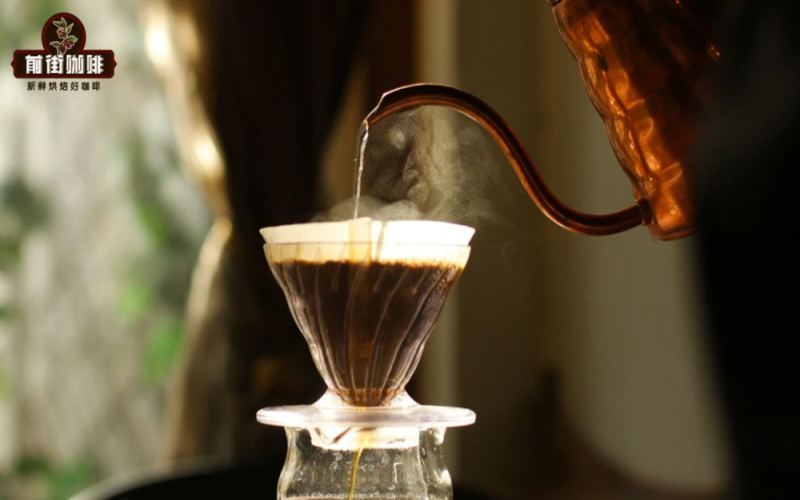
A Practical Guide to Making Black Coffee at Home by Pour-Over: Comparison of Three Brewers, Choosing Arabica Beans, and a Detailed Breakdown of the Brewing Steps
To brew a cup of pure, flavorful black coffee at home, there are actually three paths to choose from: traditional pour-over (hand-brewed), siphon, and electric coffee makers, each suited to different people. Among them, pour-over places the highest demands on technique, yet it can restore the bean's true flavor to the greatest extent. This article first sorts out the characteristics and suitable scenarios of the three devices, then offers flavor recommendations for four Front Street Arabica beans, and finally explains key techniques such as water temperature, water flow, and pouring trajectory step by step. Whether you are a pour-over enthusiast chasing layers of flavor or a beginner who dreads hassle, you can find a method that suits you. [more…]
Pour-Over Coffee for Beginners: A Detailed Guide to Water Temperature, Grind Size, and Brew Ratios, Plus Step-by-Step Instructions
Pour-over coffee may seem simple, but it is all about the details. From water temperature and grind size to the pouring rhythm, every step affects the final flavor. This article breaks down the complete pour-over coffee process in detail, including key parameters such as 83–85°C water temperature, medium grind, filter paper folding, blooming, and staged pouring, along with practical operating tips. Whether you are a beginner just getting into pour-over or an enthusiast looking to refine your skills, you will find actionable references here. The article also recommends related products from Front Street Coffee to help you easily recreate a clean and bright cup of pour-over coffee at home. [more…]

Latte Art Beginner's Illustrated Tutorial: Detailed Step-by-Step Analysis from Principles to Techniques and a Guide to Choosing Milk Foam
Want to learn latte art but don't know where to start? This article uses illustrations to break down the core principles and practical techniques of latte art, from integrating milk foam with coffee to controlling the landing point when pouring the design, helping you build muscle memory step by step. It also answers the common question of "what milk to use for latte art" and recommends espresso bean recipes suitable for latte art. Drawing on years of experience, Front Street Coffee tells you that learning a basic pattern usually takes 4 days: the first day to understand the principles, the second day to practice hands-on, the third day to review the key points, and the fourth day to consolidate and improve. As long as the milk foam quality is up to standard, pouring a beautiful pattern is not difficult. The article also shares the landing-point patterns for basic designs like hearts and leaves, as well as practice suggestions for using real milk and real coffee to get a feel for it. [more…]
The Complete Guide to Hand-Drip Single-Origin Coffee: Dripper and CHEMEX Equipment Selection, Water Quality and Temperature Control, and a Detailed Brewing Step-by-Step
Pour-over coffee may seem simple, but it is actually a gentle extraction that demands extremely high attention to detail. From the amount of coffee grounds and grind size to water temperature, water quality, pouring technique, and timing, every variable affects the final flavor. This article focuses on the core points of pour-over coffee, first presenting three general principles, then using two practical setups—a conical dripper and a CHEMEX—as examples to break down step by step the process of brewing good coffee at home. Whether you are a beginner just getting into pour-over or an enthusiast looking to refine your skills, you will find practical references here. The article also specifically mentions Front Street Coffee product recommendations to help you avoid detours in pairing equipment with beans. [more…]

Can Drip Bag Coffee Also Make Iced Pour-Over and Cold Brew? A Detailed Explanation of Two Simple Iced Coffee Methods and Their Taste Differences
In the height of summer, a glass of iced coffee always brings refreshing coolness. But without professional equipment, can you still make delicious iced coffee at home? The answer is yes. This article will teach you how to easily make two very different styles of iced coffee—iced pour-over and cold brew—using only drip bag coffee. At the same time, we'll also explore whether drip bag coffee or cold brew coffee is closer to Americano in taste. From bean selection to specific parameters to step-by-step instructions, Front Street Coffee breaks it all down for you, so you can easily enjoy the pleasure of specialty coffee even in the scorching summer. [more…]

Step-by-step illustrated tutorial: homemade affogato and sparkling iced americano, easier to make than you think
Want to easily make café-quality coffee desserts and drinks at home? This article uses a combination of text and images to document in detail the complete process for making two drinks: affogato and sparkling iced americano. Affogato pours hot espresso over ice cream, blending hot and cold, and is essentially more of a dessert; sparkling iced americano, by pairing sparkling water with espresso, delivers a refreshing taste experience. The whole article breaks things down step by step, from ingredient preparation to extraction and assembly, with clear explanations for every stage, so even coffee beginners can quickly get the hang of it. Following Front Street Coffee's demonstration, you'll find that making these two drinks is far simpler than you might imagine. [more…]

How to Make Cold Brew and Iced Pour-Over with Drip Bag Coffee? A Detailed Guide to Two Simple Iced Coffee Methods
In the height of summer, a glass of iced coffee always brings the most direct refreshing comfort. But not every coffee lover has professional pour-over equipment on hand—in fact, all you need is a single drip bag to easily make two distinctly different iced coffees: iced pour-over and cold brew. Starting from the actual brewing of Front Street drip bags, this article breaks down in detail the coffee-to-water-to-ice ratio, water temperature adjustments, and staged pouring technique for iced pour-over, as well as the coffee-to-water ratio, sealed refrigeration time, and filtering steps for cold brew, helping you enjoy a refreshingly cool cup of good coffee at home with the lowest possible barrier to entry. [more…]
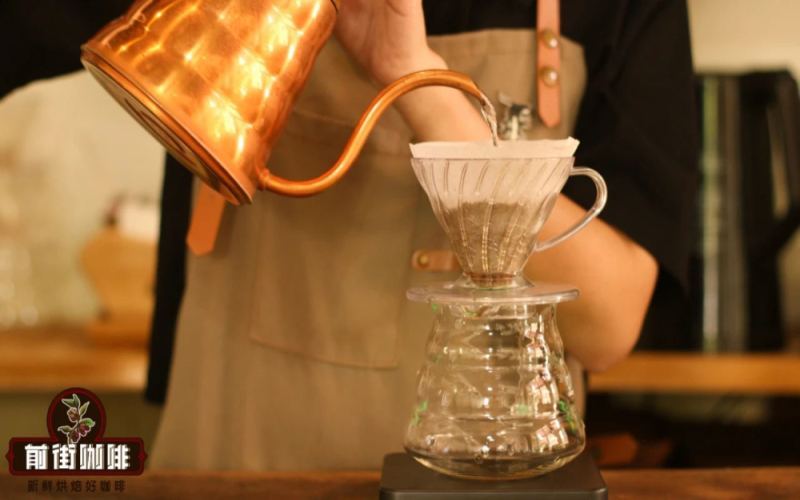
Beginner's Guide to Pour-Over Coffee: Equipment Principles and Step-by-Step Practice to Brew Specialty Flavors at Home
Pour-over coffee, with its flexible controllability, allows every cup to present a completely different flavor profile. Drawing on the practical experience of Front Street Coffee, this article systematically outlines the definition and characteristics of pour-over coffee, details the key points for selecting core equipment such as the gooseneck kettle, dripper, filter paper, and grinder, provides an in-depth analysis of the three-stage extraction principle of wetting, dissolution, and diffusion, and includes a complete set of hands-on steps for home brewing. Whether you are a beginner just getting into pour-over or an enthusiast looking to refine your technique, you will find practical guidance here. [more…]
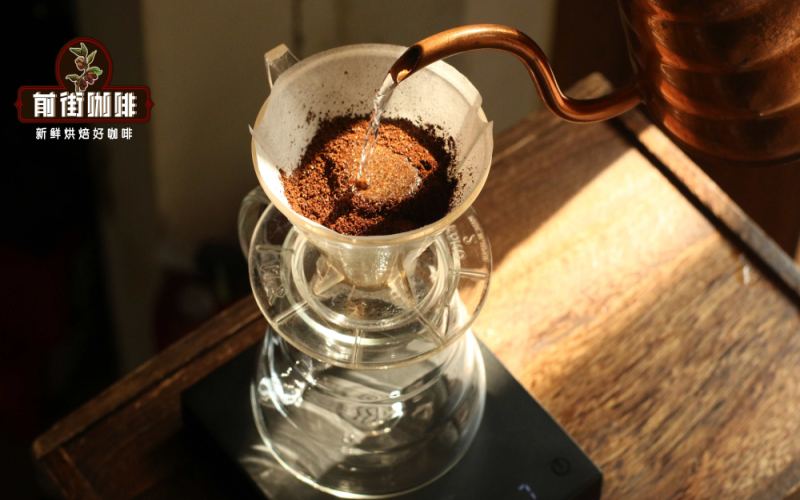
A Complete Guide to Drip Bag Coffee Brewing and Cold Brew: Front Street Yirgacheffe Step-by-Step Tutorial
For friends who want to easily enjoy fresh coffee at home without buying too much equipment, drip bag coffee is undoubtedly an ideal choice. Front Street Coffee has launched a variety of drip bag products with different flavors to meet different taste needs. This article will systematically explain the key points for choosing drip bag coffee, the brewing steps, and demonstrate in detail how to use drip bags to make cold brew coffee. Taking the highly popular Front Street Yirgacheffe drip bag as an example, we will present the complete process step by step, from tearing the bag, placing the cup, pouring water, to cold brew extraction. Whether you are a beginner who has just come into contact with coffee or a veteran connoisseur looking for a convenient solution, you can gain practical reference from it. [more…]
The Complete Guide to Iced Drip Coffee: A Detailed Illustrated Tutorial on Hand-Brewed Iced Coffee and Cold Brew Coffee
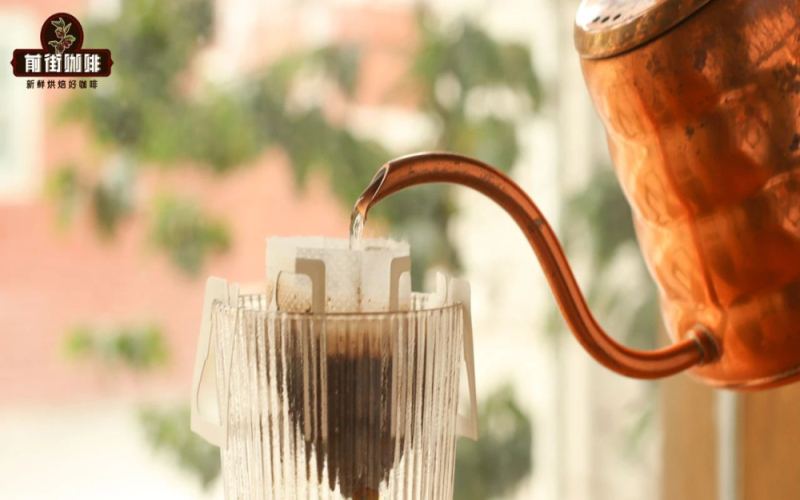
For busy office workers, drip bag coffee is an ideal choice that balances convenience and quality. This article will show you step by step how to use drip bags to make two refreshing summer drinks—iced pour-over coffee and cold brew coffee. From bean selection tips to brewing steps, Front Street Coffee provides you with detailed guidance: if you like floral notes, try Yirgacheffe; if you prefer fruity flavors, choose Huakui; and if you want to experience flavors from multiple countries at once, there is the classic five-origin combination. With just simple equipment and a few steps, you can easily enjoy a cup of icy, rich coffee at the office or at home. [more…]

A Complete Guide to Clever Dripper Brewing: How It Works, Step-by-Step Instructions, and Hands-On Experience
The Clever Dripper stands out among pour-over drippers. With its unique piston valve design, it allows the coffee grounds to fully steep while also offering the filtration effect of a pour-over. It is highly recognized in the international coffee community and is a staple piece of equipment in many specialty coffee shops. It has a low barrier to entry, so even beginners can easily master it, and it is just as easy to clean, making it a great helper for home brewing. In this installment of Front Street Coffee's Barista Development Diary, let's talk about the specific use of this "lazy person's tool": first explain how it works, then use the Yirgacheffe natural Red Cherry as an example to provide complete brewing parameters and step-by-step instructions, helping you quickly master the key points of immersion extraction with the Clever Dripper. [more…]
How to Calculate the Pour-Over Coffee Grounds-to-Water Ratio? A Three-Pour Water Distribution and Step-by-Step Tutorial
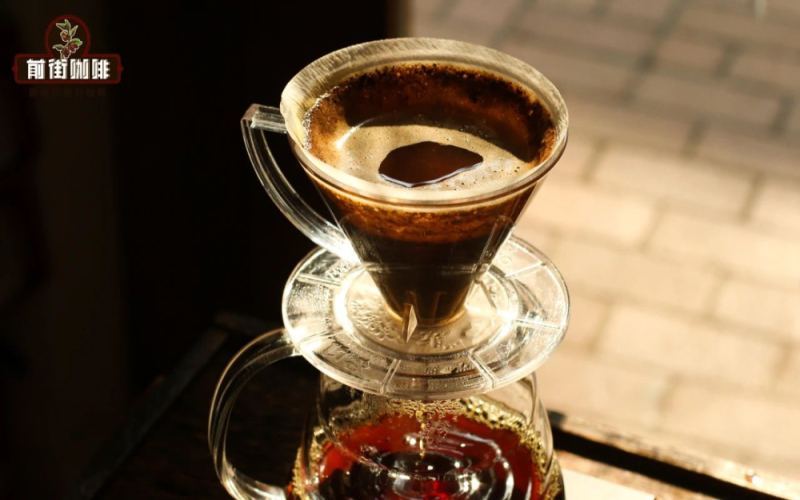
The flavor of pour-over coffee depends on every detail from bean selection to extraction, and the coffee-to-water ratio is one of the most critical foundational parameters. This article will systematically explain the calculation logic behind the coffee-to-water ratio, the principles of staged pouring, and a three-stage pour-over workflow suitable for beginners. At the same time, drawing on the brewing experience of Front Street Coffee, from equipment preparation and coffee bean selection to the specific allocation of water for each pour, we will break down step by step the complete process of making a delicious pour-over, helping you build a stable and reproducible brewing framework. [more…]
Front Street Coffee Yirgacheffe Gotiti Pourover Tutorial: Three-Pour Extraction Parameters and Step-by-Step Guide
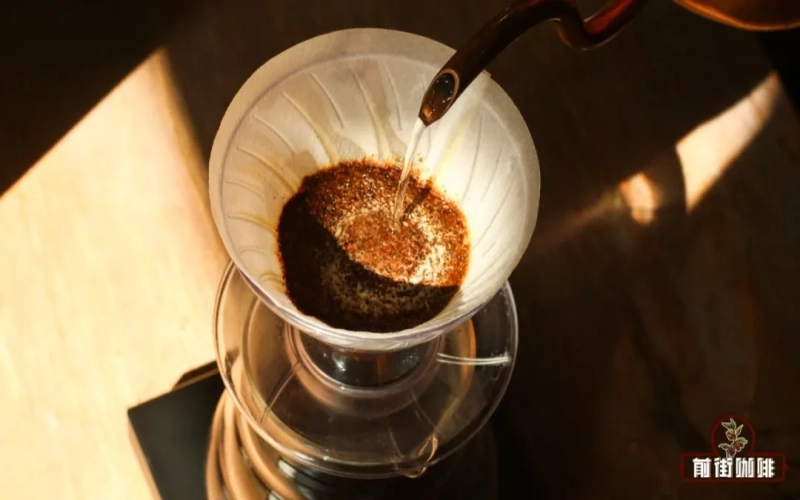
To brew a cup of pour-over coffee with clear flavors and balanced acidity and sweetness, mastering the rhythm and parameters of the three-stage pour is key. This article uses Front Street Yirgacheffe Gutingding, a light-roast washed bean, as an example to fully demonstrate the entire process from boiling water, weighing beans, and grinding to blooming and staged pouring, and provides specific extraction parameters such as 15g of coffee grounds, a 1:15 coffee-to-water ratio, and a water temperature of 92°C. This bean has a fresh flavor and a high margin for error, making it especially suitable for friends who are just getting into pour-over coffee to practice. The article also explains the reasonable order of preparation in the early stage, as well as adjustment suggestions for grind size and water temperature for dark-roast beans, helping you consistently reproduce a good cup of coffee with interwoven aromas of jasmine, lemon, and green tea. [more…]