







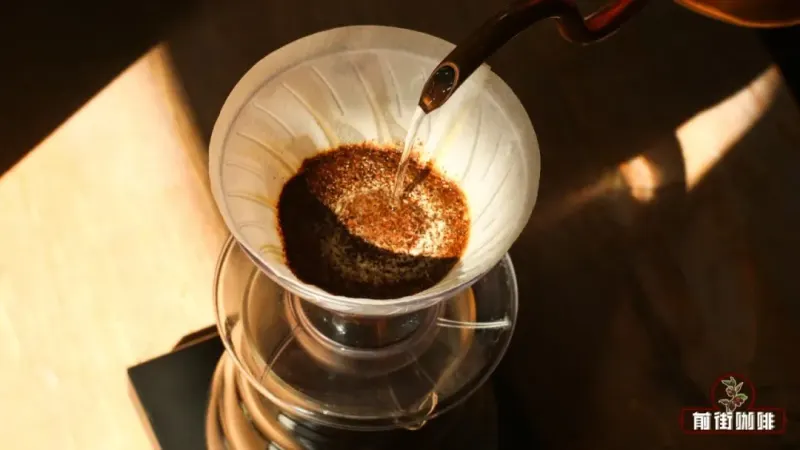
How Do You Brew Yirgacheffe in a V60?
Front Street Coffee's Yirgacheffe Gotiti is a light-roasted washed bean that brews cleanly in a V60 using a three-pour method. The starting parameters are 15g of coffee, a 1:15 ratio for 225ml of water at 92°C, and a grind close to fine granulated sugar. The fast-flow conical dripper keeps extraction even and brings out jasmine, lemon, and green tea notes.
The coffee v60 brewing cup suits this light roast because its fast flow and wide margin for error let beginners practice pour-over without over-extracting. Rinse the filter, add the grounds, then bloom and pour in three stages while keeping the bed level. For dark-roasted beans, adjust grind and water temperature rather than reusing these settings.
To brew a pour-over coffee with clear flavors and balanced acidity and sweetness, mastering the rhythm and parameters of the three-stage pouring is key. This article uses Front Street Coffee's Yirgacheffe Gedingding, a light-roasted washed bean, as an example to fully demonstrate the entire process from boiling water, weighing beans, grinding, to blooming and staged pouring, and provides specific extraction parameters such as 15g of coffee powder, a 1:15 coffee-to-water ratio, and a water temperature of 92°C. This bean has a fresh flavor and high fault tolerance, making it especially suitable for beginners to practice pour-over. The article also explains the reasonable order of preliminary preparation, as well as adjustment suggestions for grinding degree and water temperature for dark-roasted beans, helping you reliably reproduce a good cup of coffee intertwined with jasmine, lemon, and green tea aromas.
Making a pot of pour-over coffee, to put it plainly, can be divided into two parts: one is the preparation before brewing begins, and the other is the formal extraction process. The preparation stage is nothing more than getting the coffee beans, hot water, and equipment ready. It sounds uncomplicated, but many people easily get flustered when actually starting because they are unclear about the order, so Front Street Coffee will explain the sequence step by step below.
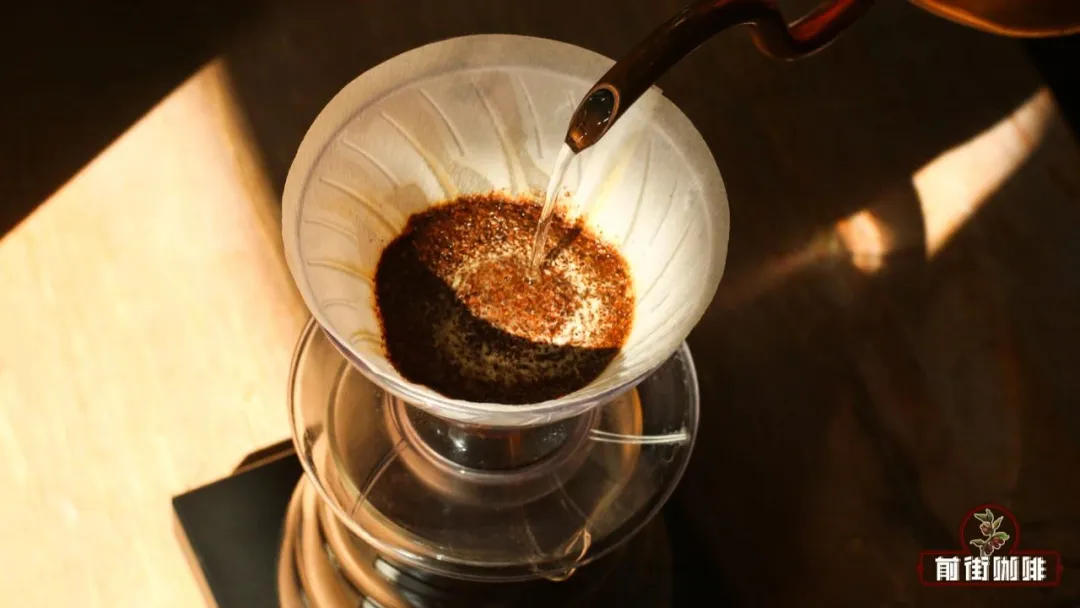
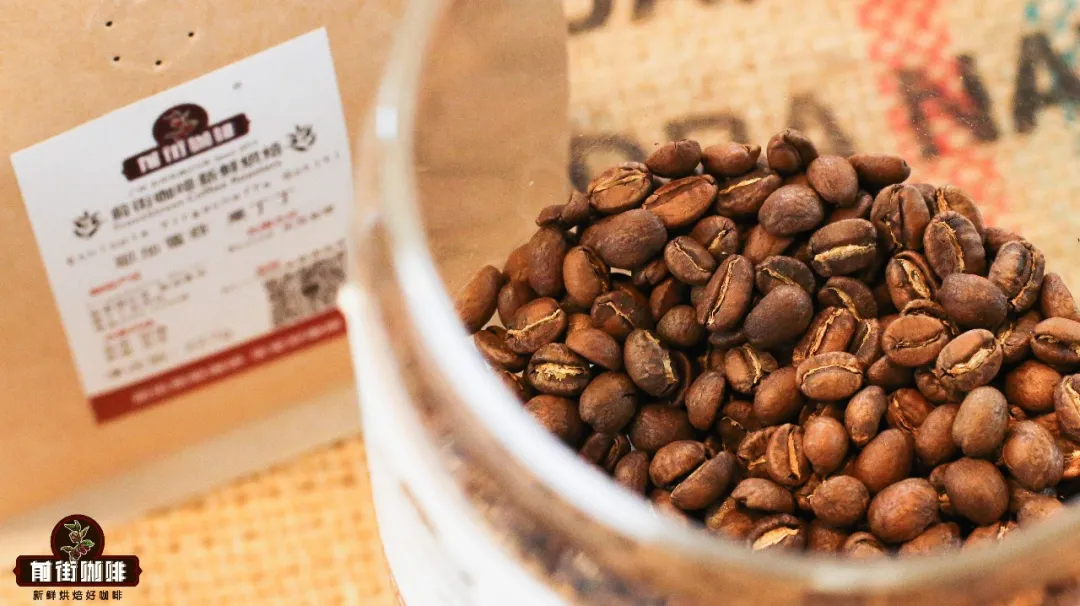
First, let's talk about the beans to be used this time—Front Street Coffee's Yirgacheffe Gedingding. It is especially suitable for beginners: on one hand, its taste is not heavy, the acidity is not sharp, and the bitterness is not obvious, so drinking it puts no pressure on you; on the other hand, its flavor is fresh and highly recognizable, so even beginners can relatively easily get a general sense of it; plus, it is not easy to over-extract during brewing and has a large margin for error, so it is a very friendly bean for beginners.
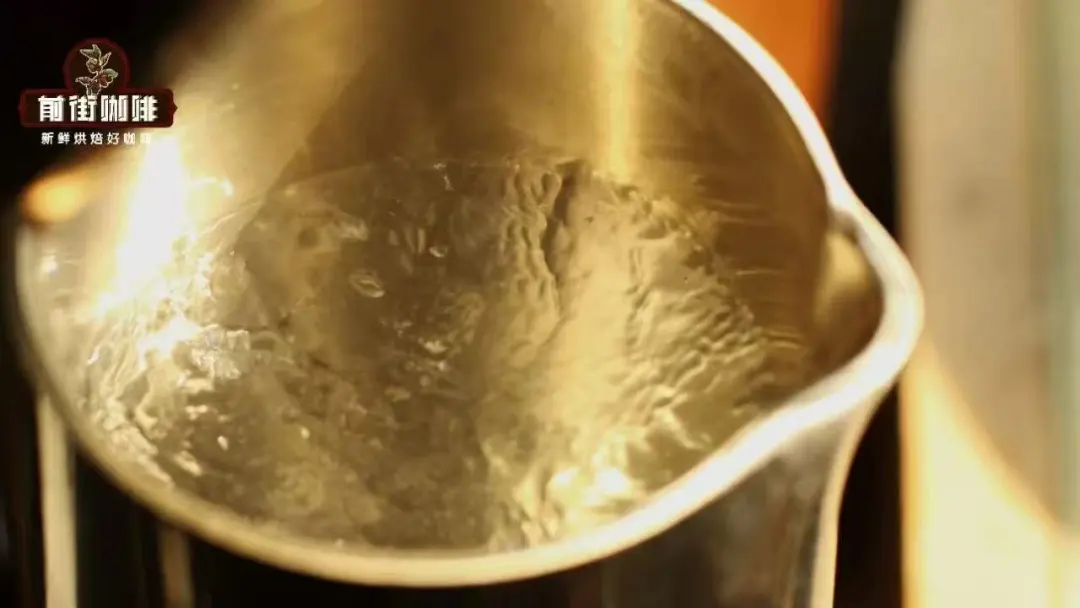
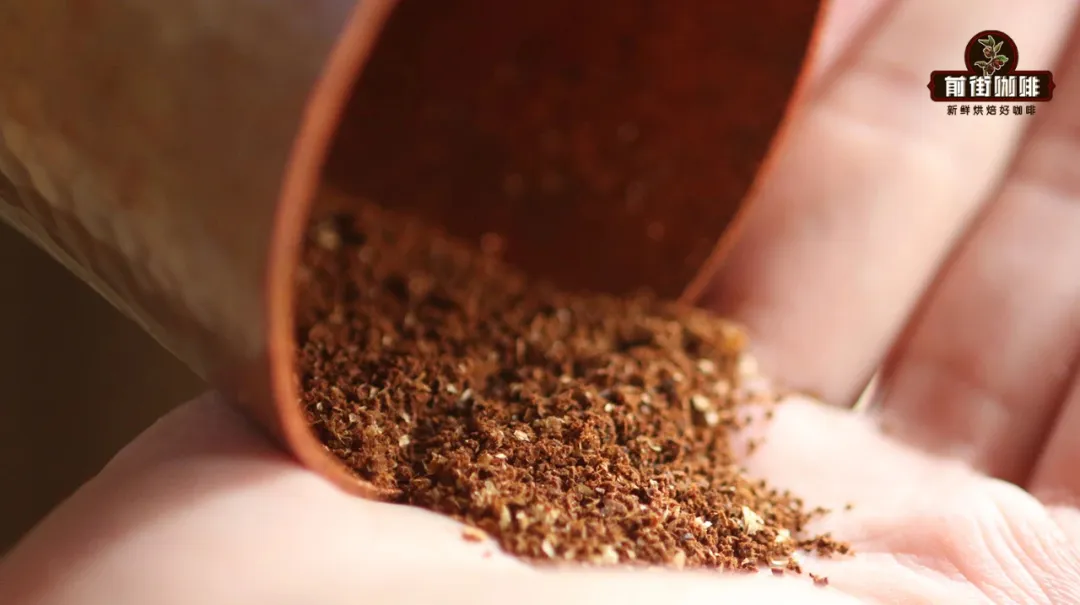
Because this bean is on the lighter side of roasting, we will use a parameter combination with higher extraction efficiency, specifically: 15g of coffee powder, a 1:15 coffee-to-water ratio (that is, a total pouring amount of 225ml), a water temperature of 92°C, and a grind size controlled at a 20-mesh sieve passing rate of 75%~80%, roughly equivalent to the coarseness of fine granulated sugar. For the dripper, choose a fast-flow conical V60. When Front Street Coffee makes pour-over, the first thing in preliminary preparation is always to boil water first.
Next, set up the dripper, filter paper, and electronic scale, and use hot water to rinse the filter paper so that it fits snugly against the wall of the dripper.
Wait until the water temperature is about to reach the target value, then begin weighing 15g of coffee beans and grinding them.
If the hot water has not yet reached the specified temperature at this time and the coffee powder has already been ground, it is best not to rush to pour the powder into the dripper. You can use a board to cover the opening of the receiving cup to reduce the loss of aroma; if the water temperature is already ready, then directly pour the coffee powder into the dripper and prepare to start brewing. Brewing still uses the three-stage method. The first stage is blooming, using twice the amount of water as the coffee powder, and blooming for 30 seconds to let the coffee degas. Pour as quickly as possible, using a circular motion so that all the dry powder can come into contact with hot water and fully degas. Remember to press the timer button while pouring.
After the blooming ends, proceed to the second stage of pouring. This stage uses a relatively large amount of water, 120ml in total, so you can appropriately speed up the pouring and increase the flow to avoid dragging out the overall extraction time too long. In order to fully agitate the coffee powder, the second stage uses a large circular pouring motion.
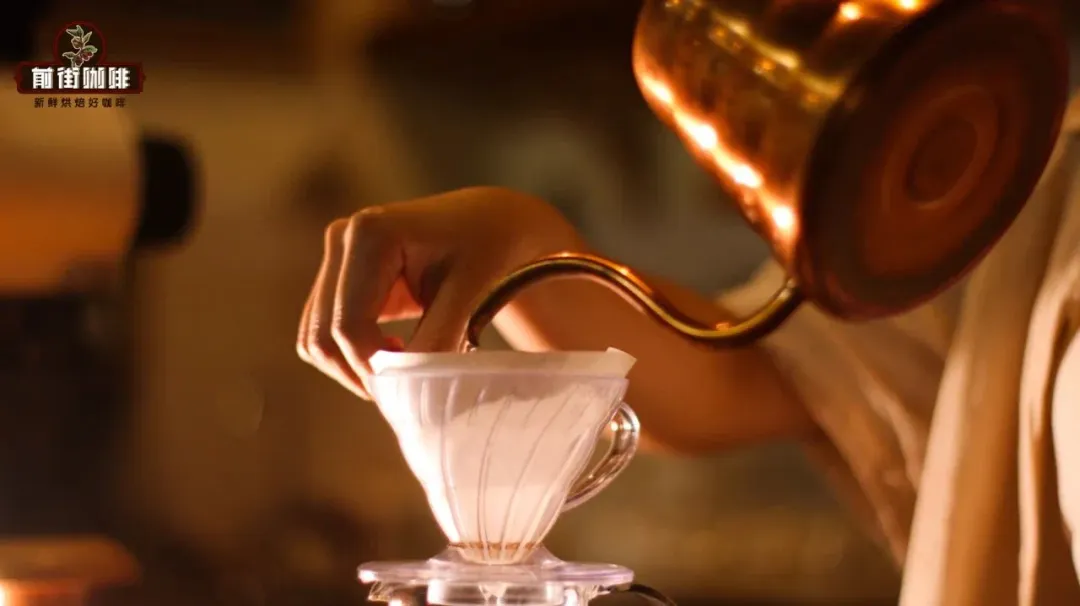
After all the hot water poured in the second stage has drained, begin the third stage of pouring. The third stage uses less water, 75ml in total, and the pouring speed can be flexibly decided according to the current extraction time. If it is already at 1 minute 30 seconds, you can pour a bit faster; if it has not yet reached 1 minute 30 seconds, then pour with a small flow, with the aim of lengthening the extraction time so that the coffee is more fully extracted. This stage uses a small circular motion, focusing on extracting the coffee powder at the bottom center of the coffee bed.
Finally, after all the coffee liquid has finished dripping, remove the dripper, and extraction is complete. Before drinking, remember to swirl the coffee liquid so that the flavors blend more evenly.
If the final brewing time falls between 2 minutes and 2 minutes 30 seconds, this cup of coffee may not be described as astonishing, but at least it is at a delicious level. In terms of flavor, it is mainly acidic and sweet, fresh and prominent, and you can clearly feel the aromas of jasmine, lemon, and green tea. The mouthfeel is relatively solid, the aftertaste is long, and the overall performance is quite good.
That is all for Front Street Coffee's sharing this time. As long as you brew according to this order and these parameters, then just as Front Street Coffee says, it is actually hard to make it taste bad. However, there is one thing to note: the beans used this time are light-roasted. If you have dark-roasted beans on hand, it is best to adjust the grind size two steps coarser on this basis and lower the water temperature by 2~4°C, to avoid the risk of over-extraction in the coffee.
The above content is compiled by CoffeeHunters, a coffee news website.


