







Search Results for: plan
Cold Brew Bean Guide: Bean Selection Plans for Every Budget and Taste, All in One Place
Once you've decided to start making cold brew, the first question is always the same: which beans should I buy? Today, we're giving you three bean plans based on two dimensions—budget and taste—so whether you're just "casually drinking" or "seriously savoring," you can find the right match. Plan One: Beginner's tasting type (spend a little first to test the waters). If you're making cold brew for the first time, don't [more…]

Ethiopian Coffee Exports Set New Record, Five-Year Plan Aims for $6 Billion Target
Recently, Ethiopia announced that its coffee export revenue for the 2025/26 fiscal year exceeded US$3 billion for the first time, reaching a historic high. Ethiopian Minister of Agriculture Adisu Arega stated that coffee export revenue for this fiscal year grew by 13% compared with the previous fiscal year, and the coffee industry continues to remain the country's largest agricultural [more…]
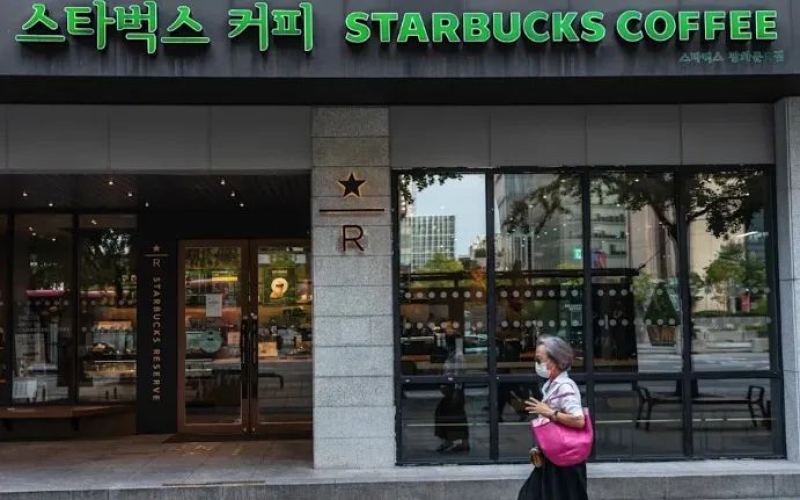
星巴克再推环保新方案:押金杯搭配专用清洗机,顾客可自行洗净带走
星巴克近年来一直在探索减少一次性杯子使用的方案,从韩国市场的押金杯到欧美地区的借杯计划,效果均未达预期。如今星巴克推出Plan C——在门店引入专用洗杯机,顾客喝完咖啡后可自行清洗杯子并带走,但仍需缴纳押金。该计划将率先在亚利桑那州立大学和夏威夷部分门店测试。与此同时,星巴克中国内地已全面启用纸质吸管和直饮杯盖,每年可减少约200吨塑料。环保之路能否在2025年达标,尚待时间检验。 [more…]

Breaking Down the Degassing Cycles of Blends and SOE: Calculate the Peak Flavor Window and Plan Your Drinking Rhythm
Freshly roasted coffee beans are wrapped in a large amount of carbon dioxide inside; these gases are slowly released over the following weeks, directly affecting the extraction efficiency of hot water and the expression of flavor. Espresso blends and single-origin espresso beans, due to differences in roast depth and bean texture, do not share the same gas release rate and peak flavor fullness. [more…]
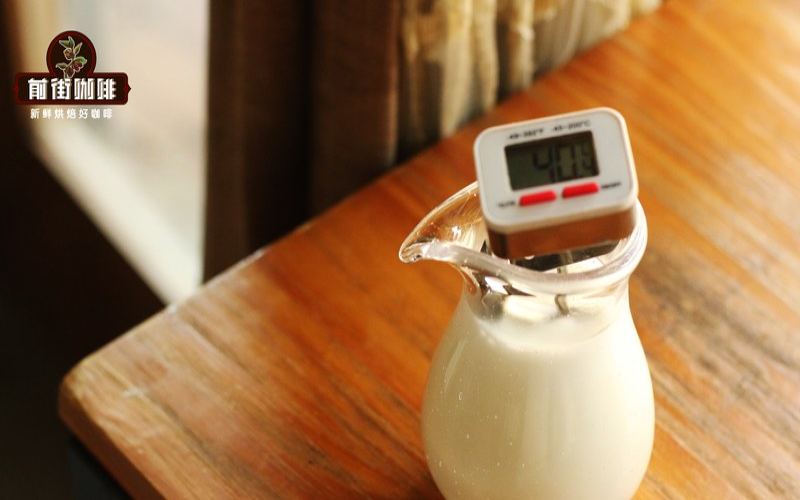
Yirgacheffe Pour-Over Beans: From Roast Date Planning to Aroma in the Cup
The floral, citrus, and berry notes of Yirgacheffe often only come through clearly and with layering when the beans enter the dripper at the right time. Brew too soon after roasting, and the cup may show sharp notes and unstable acidity; leave them too long, and the aroma gradually narrows. When choosing, besides looking at the origin and flavor description, also check the roast date, [more…]
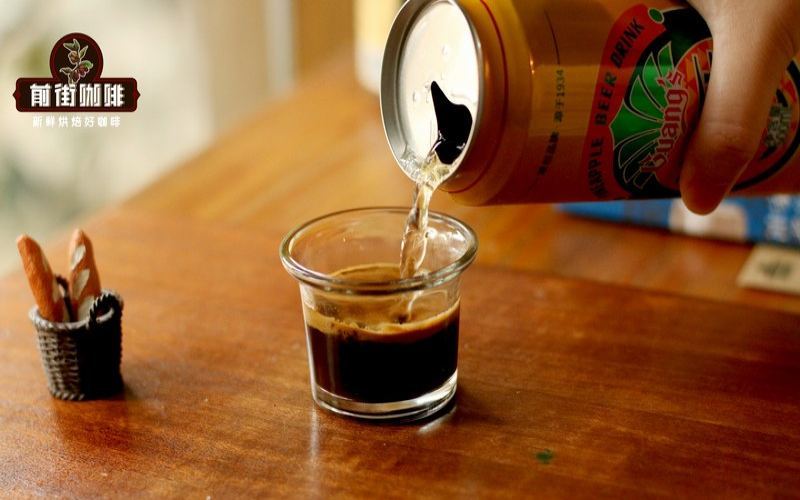
When should you open a bag of SOE pour-over coffee? Plan your drinking rhythm starting from the roast date.
A bag of coffee beans labeled SOE can, of course, go into a pour-over dripper. SOE emphasizes making espresso from single-origin coffee; it doesn't mean it can only be extracted by an espresso machine. Switch to pour-over, and the lower concentration often makes it easier to distinguish floral and fruity notes, the balance of acidity and sweetness, and the finish. What's truly worth paying attention to is how long it's been since the beans were roasted, [more…]
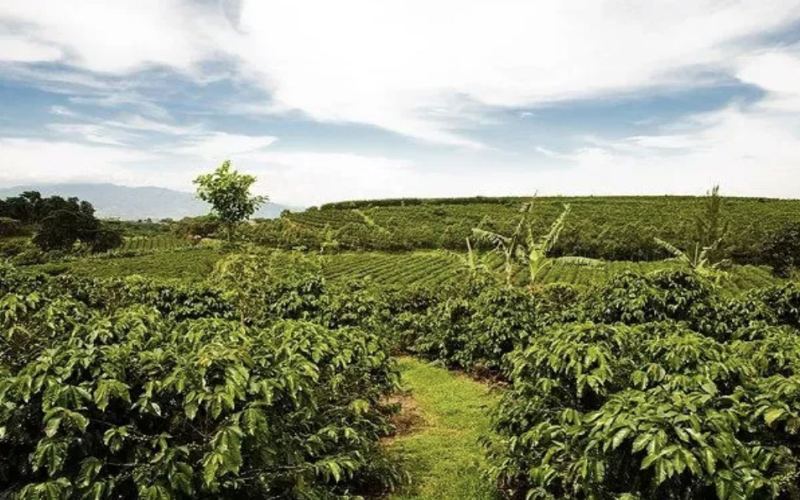
Costa Rica plans to meet the EU market and launch "deforestation-free coffee".
Recently, according to reports from Elmundo in Costa Rica, Costa Rica launched the first batch of "deforestation-free coffee". This batch of coffee beans was harvested after December 2020, ensuring that no forests were cut down to expand the planting [more…]

Coffee Shop Espresso + Pour-Over Dual-Line Bean Selection Plan
A well-established coffee shop usually needs to manage two product lines simultaneously: the espresso line and the pour-over line. The espresso line handles daily cup volume and revenue, while the pour-over line showcases professionalism and increases the average transaction value. The two lines use different bean strategies, but both require careful configuration. Espresso line: stable output, controlled costs, memorable highlights [more…]
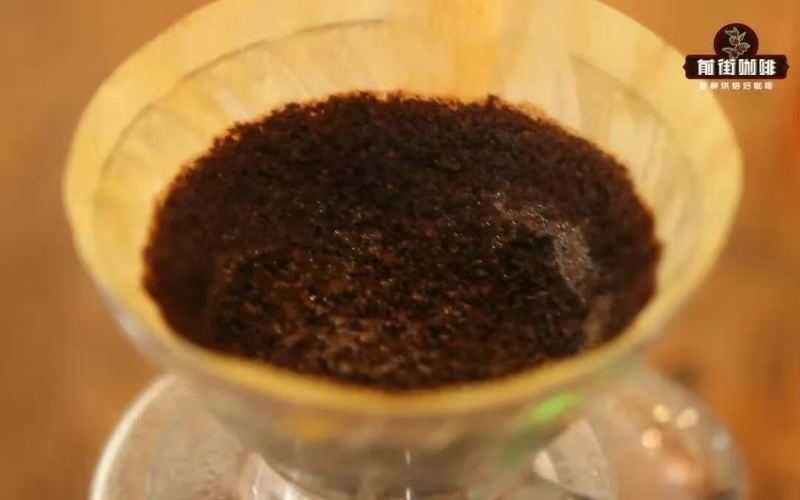
Coffee Shop Pour-Over Line Bean Configuration Plan
Compared to the espresso line, the pour-over line may not have as high a volume of cups in a coffee shop, but its value lies in: showcasing the store's professionalism, attracting coffee enthusiasts, and increasing the average transaction value. A reasonable pour-over line bean configuration should cover different flavor directions, giving customers choices and surprises. The three directions of pour-over line configuration. [more…]
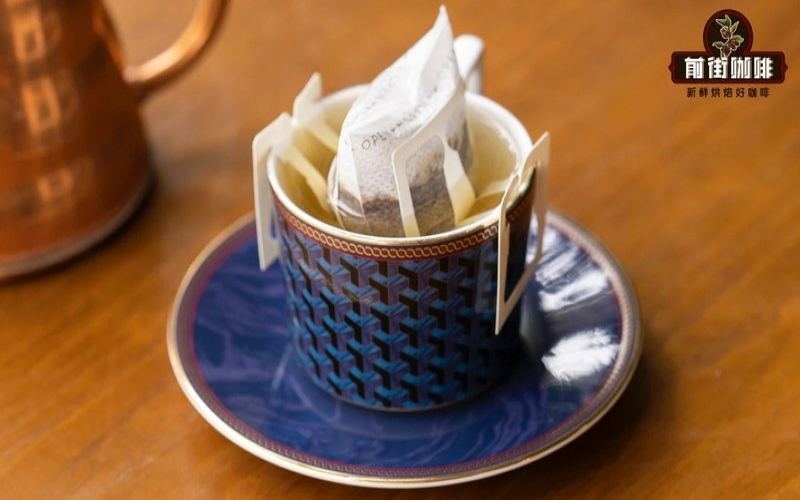
From roast date to opening date: planning the drinking clock for espresso blend beans
Espresso blend beans begin a period of change from the moment roasting is complete: in the early stage they release a large amount of carbon dioxide, in the middle stage the aroma and extraction gradually open up, and in the latter stage they slowly lose their vibrancy. When beginners choose beans, they don't need to treat "the closer to the roast date, the better" as a rule; instead, they should let the dates of arrival, opening the bag, and finishing the beans fall within a suitable flavor window. [more…]

How to Use an Espresso Machine | Which Espresso Blends Are Suitable for Semi-Automatic Espresso Machines? Espresso Bean Origins, Varieties, Prices, and Espresso Extraction Ratio Plans
Espresso was invented by MR. Gaggia in 1946. Gaggia further improved the piston pressure system—using spring pressure instead of manual pressing, so that the brewed coffee is topped with a layer of golden coffee crema (Crema), which is Crem [more…]
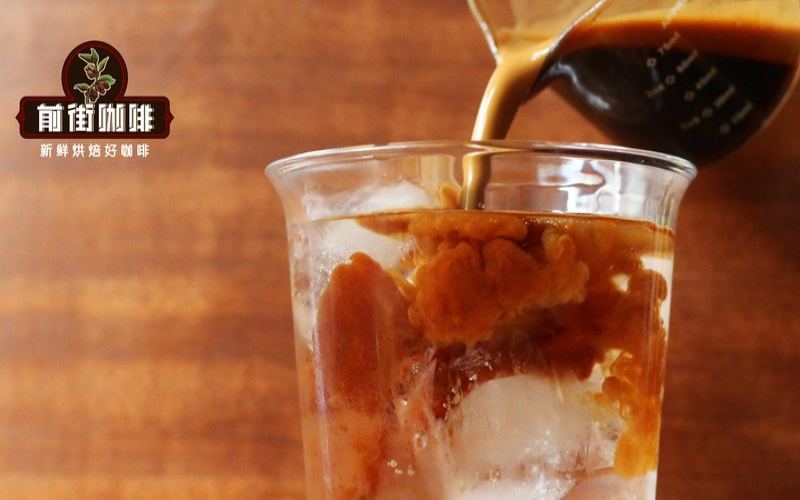
From opening the bag to peak flavor for sun-dried beans, plan your drinking rhythm like this
The aroma of sun-dried coffee beans often comes through vividly, with berry, tropical fruit, floral, and fermented sweetness notes easily detectable when the bag is opened. However, freshly roasted beans do not necessarily reach their ideal state right away. After roasting, the bean mass continues to release carbon dioxide, and when there is too much gas, hot water struggles to penetrate the coffee bed evenly, and the cup may present [more…]
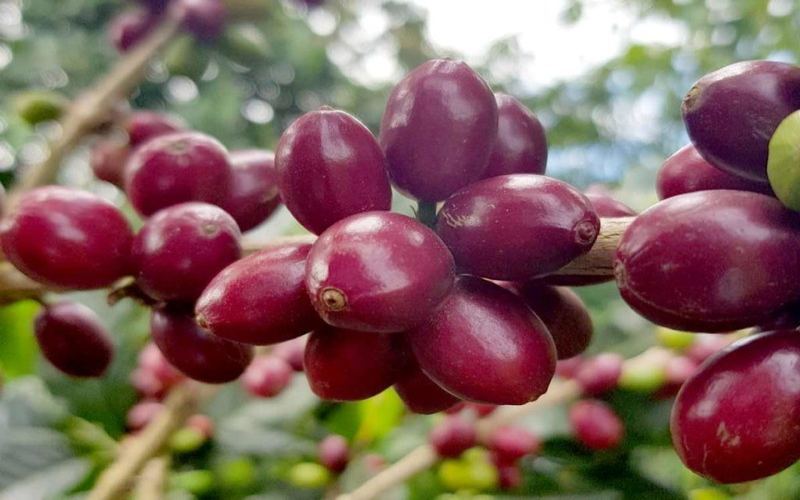
The Flavor Window of Honey-Processed Beans: How to Plan from Opening the Bag to the Last Cup
The sweetness and fruity aromas of honey-processed coffee beans often don't fully emerge on the day you open the bag. After roasting, the beans continue to slowly release carbon dioxide, and the aroma, acidity, and mouthfeel will recombine over time. When buying beans, besides looking at the origin and flavor notes, you should also pay attention to the roast date, the condition of the packaging, and your own drinking pace—these facto [more…]
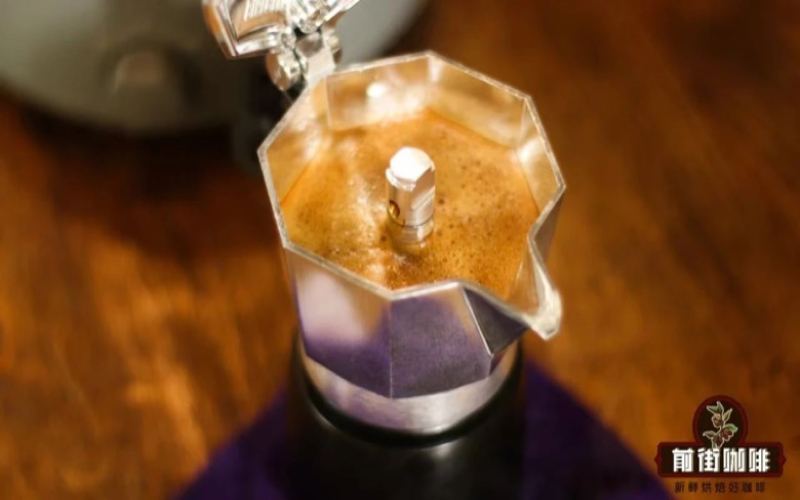
Moka Pot Specialty Coffee Beans: A Home Bean List Planned by Cup Volume
From pour-over to espresso machine to moka pot, the same coffee beans perform differently—aroma and clarity are pour-over's strengths, intensity and sweetness are amplified by the espresso machine, while pressure, heat, and the coffee bed are the moka pot's challenges. Don't choose beans in isolation from your equipment, and adjust parameters according to the roast level. The moka pot's structure determines its extraction method [more…]
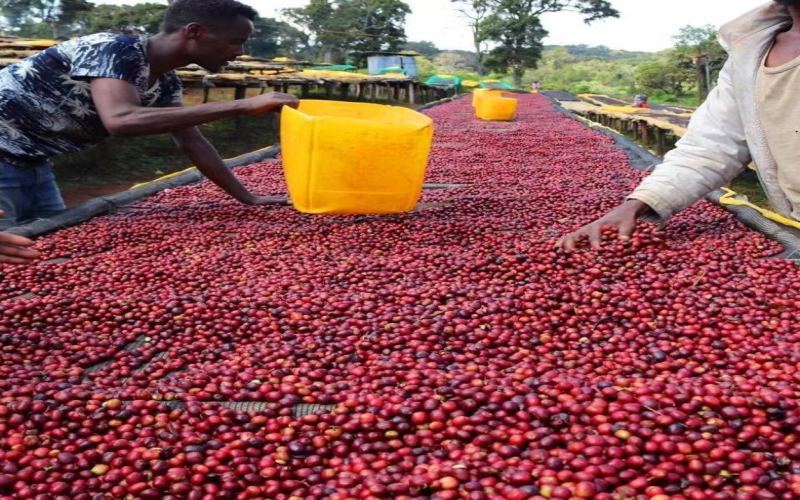
How to Choose Several Coffee Beans Suitable for Pour-Over: Plan Your Bean List Based on Drinking Volume and Budget
Put a bean into a pour-over, espresso machine, or moka pot, and it will show three different faces. Pour-over highlights aroma and clarity, the espresso machine emphasizes intensity and sweetness, and the moka pot requires a balance among pressure, heat, and the coffee bed. The brewing device determines the approach to bean selection, while the roast level determines the direction of the parameters. The flavor direction of pour-over is determined by origin, variety, and process [more…]

Types of Black Coffee | Is There a Big Difference in Flavor and Mouthfeel Between Ice-Drip Coffee and Cold Brew Coffee? Are the Extraction Principles of Ice-Drip and Cold Brew the Same?
For more specialty coffee knowledge, please follow: Front Street Coffee (Frontsteet Coffee). Many customers who come to Front Street to drink coffee discuss whether there is a difference in taste between ice drip coffee and cold brew coffee. Both are common methods of making cold coffee. Today, Front Street will conduct an experiment on these two [more…]
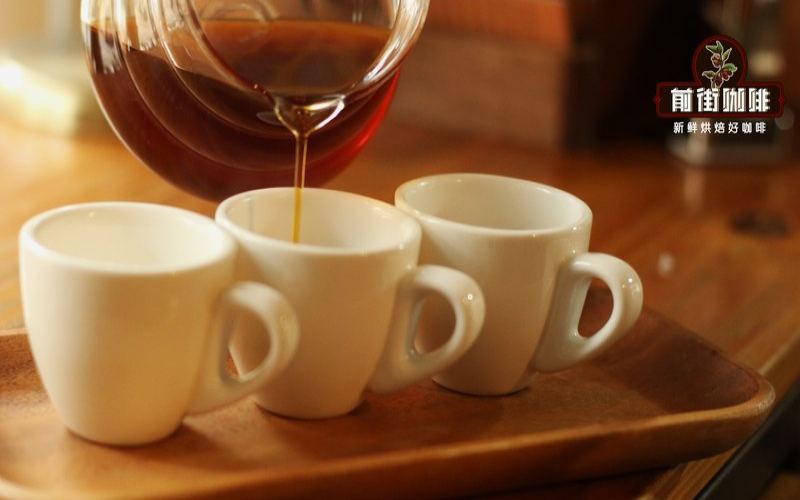
When to Open a Bag of Espresso Beans: A Tasting Timeline for Three Beans
When espresso beans have just been roasted, they don't necessarily reach their ideal state right away. Because espresso extraction uses higher pressure, too much gas inside the beans can cause the puck to expand noticeably and the crema layer to look rich, yet the flow rate tends to fluctuate easily. When selecting beans, besides reading the flavor description, you should also confirm the roast date and plan ahead for when to open the bag, adjust the grind, and finish drinking it. [more…]
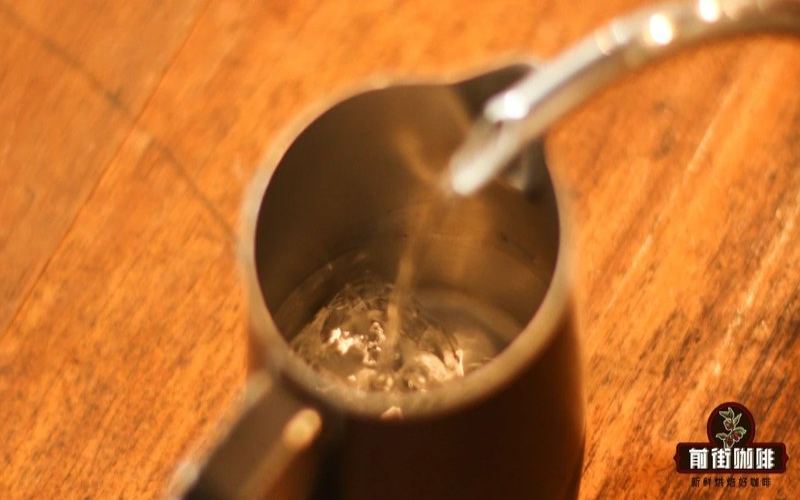
The Flavor Window of Moka Pot Latte: How to Plan from Opening to the Last Sip
When making a latte with a moka pot, the condition of the coffee beans directly affects the aroma and sweetness in the milk. If used too early, the cup may have a noticeable roasty note, and the brew can easily carry a restless acidity; if left too long, the aroma gradually weakens, and the coffee's backbone also declines. When choosing beans, besides looking at the flavor description, also pay attention to the roast [more…]
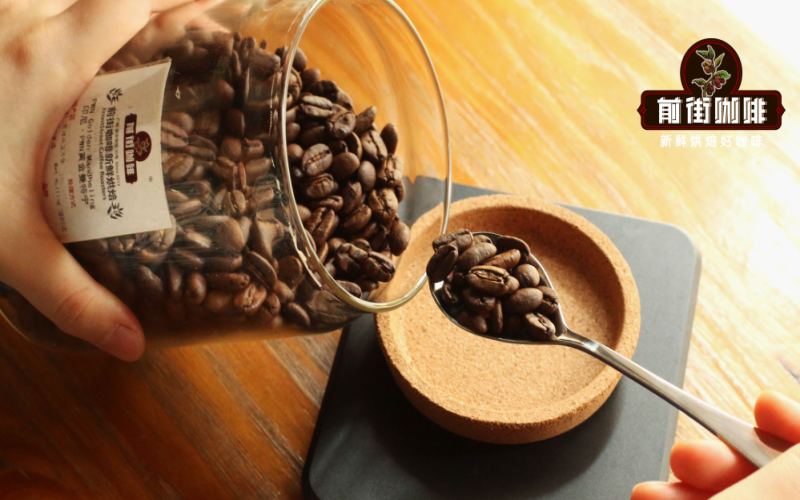
Multi-Serve Pour-Over Coffee Brewing Plan | Does the Amount of Coffee Grounds Affect the Flavor and Mouthfeel of Pour-Over Coffee? How to Adjust Extraction Parameters for Pour-Over Coffee for 4 People?
Front Street Coffee uses a standard dose of 15 grams of coffee per serving, so when sharing brewing methods, 15 grams is always used as the demonstration standard. However, the dose used to brew coffee varies widely. Based on Front Street Coffee's observations, the most common doses are multiples of 6—12 grams, 18 grams, and 24 grams—and these are mostly used to make a single serving of 120 [more…]

Coffee blend bean plans | What is the difference between single-origin pour-over beans and espresso blend beans? How do you determine the types of espresso blend coffee beans and the blending ratio?
What are blended coffee beans? What is the blending ratio for Front Street Coffee's espresso beans? Which beans are best for blended coffee beans? Recently, a friend asked Front Street Coffee: "Are all coffee beans suitable for making espresso?" No~ not all [more…]