







Search Results for: peeled green grapes
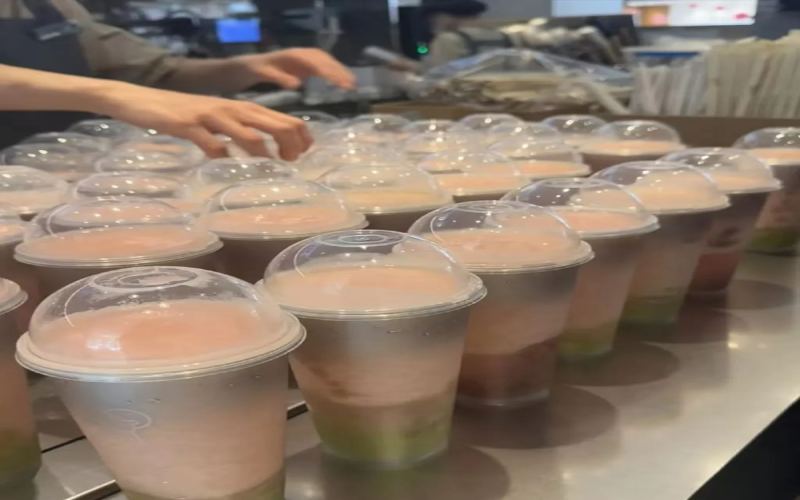
Heytea's change of green grape variety sparks a peeling dilemma: employees' hands covered in medicated patches, why isn't a peeling machine used?
Right after the May Day holiday, the "three-way battle" among food delivery platforms sent tea beverage stores into another order explosion frenzy, and Heytea's move to drop the price of some drinks to single digits drew in a flood of orders. Yet for back-of-house staff, this was a nightmare—the newly switched imported green grape "Sweet Globe" variety has firm flesh and is extremely hard to peel. Employees peeled until their gloved fingers wore through, their right hands covered in medicated patches, and some even felt nauseated at the sight of fruit with skin on. Although some tried using peelers or small round spoons to improve efficiency, the output speed still could not keep up with store demand. Why not equip stores with peeling machines? Employees admitted frankly that the high loss rate and difficulty of cleaning make them worse than peeling by hand. This article takes you into the real daily life of Heytea's peelers, along with Front Street Coffee's attention to industry trends. [more…]
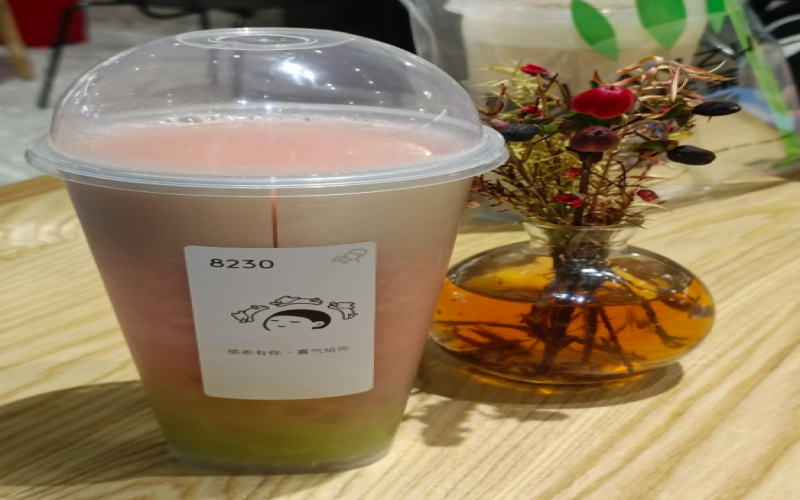
The real situation of milk tea shop employees: hand-squeezing juice and peeling fruit every day, frozen shoulder and tenosynovitis have become common occupational diseases.
Last spring, Heytea's guava series of fruit teas captured a large number of consumers with their refreshing taste, and their removal from the menu after the season became a regret for many. On the eve of this year's Valentine's Day, the guava series finally returned amid widespread calls for it, and as soon as the Refreshing Guava Grape Tea was launched, it flooded social media, with store orders packed. However, while fans were raising their cups for photos and check-ins, Heytea employees in the back kitchen were facing baskets of fresh guavas, wanting to cry but unable to shed tears. Manually squeezing fruit puree, peeling green grape flesh, and long hours of repetitive labor caused many staff members to develop health problems such as frozen shoulder, tenosynovitis, and hand allergies. Behind a cup of seemingly simple fruit tea, what exactly is hidden in terms of the production process and labor intensity? This article takes you to understand the real working conditions of milk tea workers. [more…]
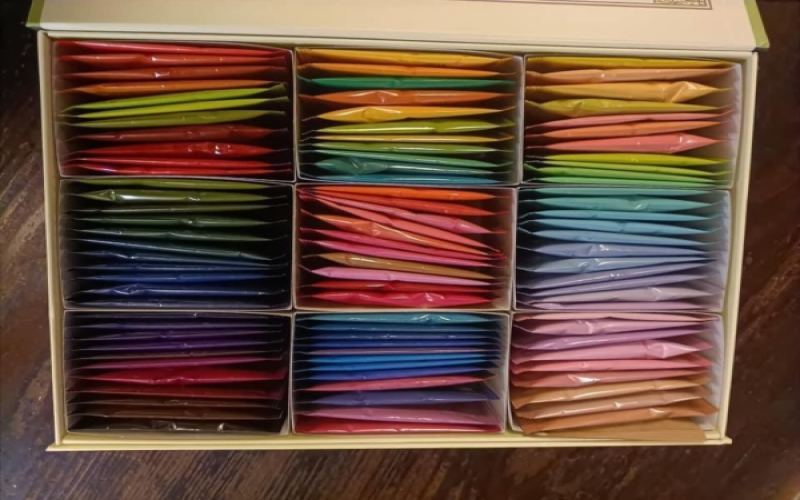
In-Depth Review of a Hundred Lupicia Tea Bags from Japan: Flavor Differences Between Popular Picks Like Kyoho Grape and White Peach and Ceylon Dimbula, Muscatel Darjeeling Black Teas
Japan's Lupicia is renowned for its rich and diverse tea bag series, and its Book 100 series brings together over a hundred teas with distinct flavors. Starting from the top 10 popularity ranking, this article reviews signature offerings one by one, including Kyoho, White Peach Oolong, and TOKIO Tokyo Wild Berry, while also taking an in-depth look at the flavor differences between Ceylon Dimbula and Darjeeling black tea. At the same time, it analyzes the real performance of specialty teas such as Nilgiri, deep-steamed sencha, and Cherry Black Tea. Whether you are a beginner just getting into Lupicia or a seasoned tea drinker looking for an everyday staple, this review can help you find the one that suits you best. Front Street Coffee will also combine tasting experience to share practical advice on selecting and brewing. [more…]

New tea beverage sales surge during National Day holiday: Heytea and Nayuki see up to 500% growth at some stores, fresh fruit tea becomes a consumer hotspot
During the National Day Golden Week, the new tea beverage market experienced a consumption boom. Sales at some outlets of leading brands such as Heytea and Nayuki grew by nearly 300% compared with before the holiday, with some stores seeing increases of as much as 500%, and fruit tea categories contributed nearly 80% of sales. Heytea's highest single-store daily fruit consumption exceeded 400 kilograms, while Nayuki's new products achieved cumulative sales of nearly one million cups. At the same time, both major brands lowered product prices, focusing on high cost-effectiveness. This article will analyze the performance and future direction of the new tea beverage industry in the holiday economy from the perspectives of sales data, supply chain layout, consumption trends, and pricing strategies. For more coffee bean news and specialty coffee recommendations, please follow Coffee Workshop and Front Street Coffee (FrontStreet Coffee). [more…]
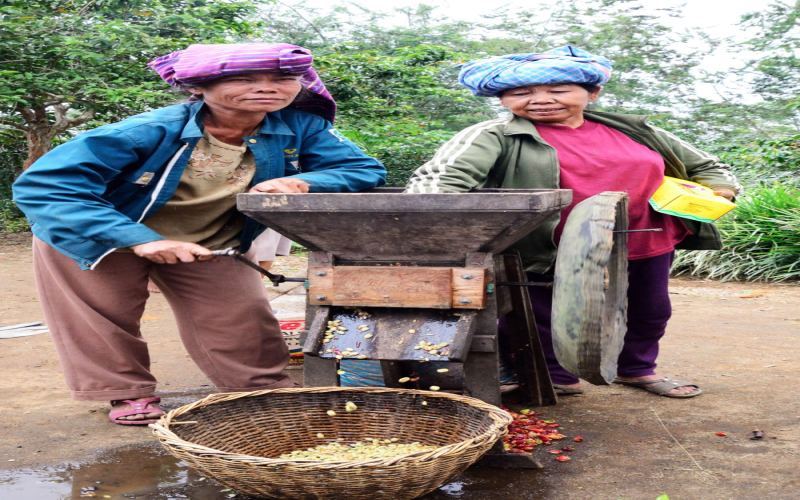
Analysis of Indonesia's Wet-Hulling Method: Comparing Peeled Sun-Dried and Honey Processing Techniques and Flavors
The green coffee bean processing method has a decisive influence on the final flavor. In addition to variety and origin, the processing method is also a key link in shaping coffee's personality. Currently, the mainstream methods include natural, washed, and the in-between semi-washed (wet-hulled), Brazilian pulped natural, and honey processing, among others. This article will provide a detailed explanation of three processes: Indonesian wet-hulled, pulped natural, and honey processing, covering their respective operational steps, flavor characteristics, roasting recommendations, and brewing parameters, and will combine bean examples from Front Street Coffee for cupping comparisons, helping readers systematically understand the taste differences brought by different processing methods. [more…]
An In-Depth Explanation of the Meaning of 90+ Single-Origin Bean L195: A Complete Guide to the Flavor Description System and Grading Rules
90+ (Ninety Plus) is a highly regarded green coffee brand in the specialty coffee world, and its unique flavor symbols and Level grading system often leave enthusiasts confused. This article will start with the L195 grade, systematically sorting out 90+'s grading logic, the meanings of its flavor symbols, its exclusive processing methods (Red, Ruby, Solkiln), and the Profile Processing production system. At the same time, it will explain in detail the representative 90+ coffees recommended by Front Street Coffee, including the flavor characteristics of beans such as Perci, Straight Talk, and Lotus, and their corresponding grades, helping readers fully understand this legendary brand's green coffee philosophy. [more…]
The Pros and Cons, Production Process, and Flavor Analysis of Naturally Processed Coffee Beans
This article is written by the content team of Front Street Coffee (FrontStreet Coffee) and provides a comprehensive discussion of the characteristics of the natural process, the oldest method of coffee processing. The article candidly acknowledges its dependence on sunny weather and the disadvantage of a plain-looking finished product, while gradually breaking down the steps from fruit selection and sun-drying to hulling and storage. Using representative natural-process beans that make up forty percent of the beans on Front Street Coffee's shelves—Natural Yirgacheffe Aricha, Natural Panama Janson Geisha, and Natural Brazil Queen's Manor—along with images and brewing recipes, it carefully presents the flavor profile under three-pour extraction to help readers gain a deeper understanding. [more…]
Low-temperature slow extraction meets fresh fruit infusion: four pairings tested, a step-by-step guide to making a well-balanced fruit cold brew
As temperatures keep climbing, the call for cold brew coffee grows louder and louder. The two thresholds of low temperature and slow steeping mean that the variables in cold brew are mainly concentrated in water volume, water temperature, and grind size, so there don't seem to be many ways to play around with it. But if fresh fruit and coffee beans are steeped together, could they collide into unexpected flavors? Front Street Coffee paired blueberries, grapes, lemons, and peaches with four coffee beans from different origins respectively and carried out a round of hands-on testing. From parameter settings to tasting impressions, and then to a summary of the patterns for choosing fruit and beans, the entire experimental process of this fruit cold brew was fully recorded, in the hope of offering some reference for friends who want to try it at home. [more…]
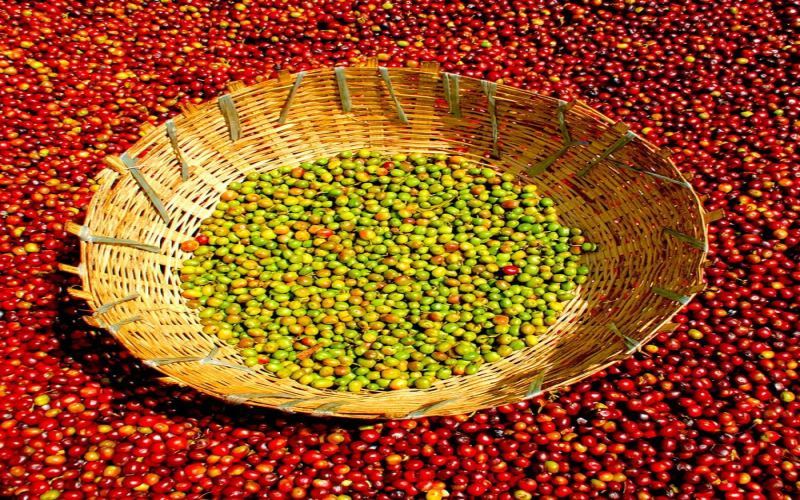
A Complete Analysis of Sun-Dried Coffee Bean Processing: Natural Drying Method Steps, Time Required, and Flavor Characteristics
As the oldest coffee processing method, the natural process is favored by many coffee lovers for its simple operation and unique flavor. About 40% of the coffee beans at Front Street Coffee stores are naturally processed, including Natural Yirgacheffe, Natural Panama Geisha, and Natural Brazilian beans. This article will systematically outline the complete natural process—from fruit picking and sorting, through weeks of drying, to hulling and storage grading—and explain why naturally processed beans look yellowish and less attractive yet still deliver outstanding flavor. It also uses three Front Street natural beans as examples to share pour-over parameters and brewing techniques, presenting their respective cupping flavor profiles, helping readers gain a comprehensive understanding of the characteristics and tasting points of the natural process. [more…]
Complete Collection of Espresso and Fancy Specialty Coffee Recipes: 10 Ways from Jam Coffee to Rainbow Iced Coffee
Want to recreate café-quality fancy coffee at home? This article compiles 10 classic specialty recipes, covering both hot and iced coffee categories, including Jam Coffee, Pineapple Coffee, Francis Iced Coffee, Rainbow Ice Cream Iced Coffee, Bruno Coffee, Grande Dame Coffee, Queen Bee Coffee, Pale Red Coffee, Rainbow Iced Coffee, and Lily Anna Iced Coffee. Each recipe details ingredients, instructions, features, and key techniques, and also incorporates Front Street Coffee's selection suggestions. Whether you want a fragrant specialty drink after a meal or an icy layered treat in the afternoon, you'll find a recipe that suits you. [more…]
HEYTEA's Handcrafted Store Launches 50 New Products at Once: How Far Can the Whole-Leaf Tea Brewing Move Go?
Heytea has opened its first global handmade tea shop in Nantou Ancient Town, Shenzhen. The three-story space corresponds to three product lines: hand-stirred ice, handmade tea, and hand-brewed fine tea, launching over 50 new products at once. From Musang King durian to mangosteen, Thai golden pomelo, and guava, to traditional brewed pure teas covering China's six major tea categories and creative mixed cups, this shop is clearly not satisfied with the conventional tea beverage playbook. The most expensive single item, "Large Musang King Durian," is priced at 138 yuan, and the cups have also been custom-designed. The new-style tea beverage brand is returning to deep cultivation of original leaf tea, driven by the continuously expanding tea beverage track and the rising proportion of pure tea. This article takes you through a complete understanding of the product structure, pricing strategy, and industry significance of this new launch. [more…]
Anaerobic Fermentation and Red Wine Processing: The Principles, Evolution, and Front Street Brewing Practices of Specialty Coffee Bean Processing Methods
In recent years, anaerobic fermentation and red wine processing methods have continued to gain popularity in the specialty coffee world. From the promotion by 2015 WBC champion Sasa Sestic to the early explorations of Costa Rican coffee farmers, these processing techniques, which draw on winemaking ideas, have brought coffee rich flavors such as strawberry jam, fermented wine aromas, and tropical fruits. This article systematically reviews the scientific principles of anaerobic fermentation, its essential differences from traditional processing methods, and the specific operational workflow of carbonic maceration. It also combines two representative beans from Front Street Coffee—Colombia Flower Moon Night and Panama Hartmann—to share roasting and brewing parameters, helping coffee lovers gain a deeper understanding of the core logic of this special processing method. [more…]
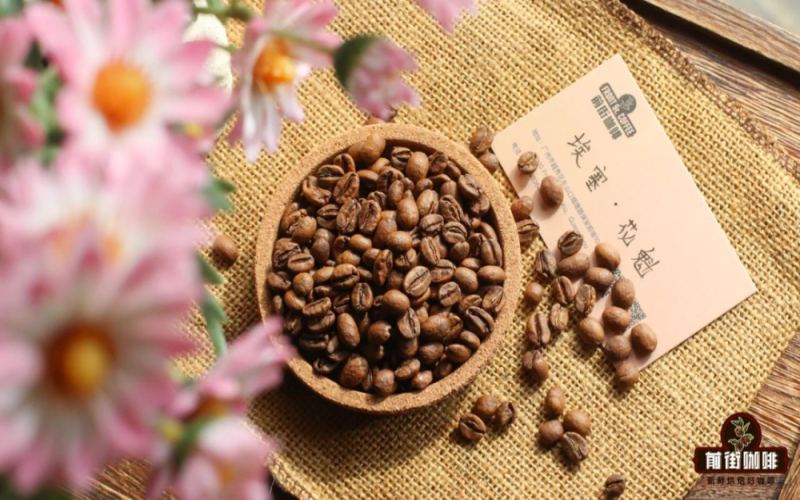
2026 Light Roast Pour-Over Coffee Bean Roundup | Can Beginners Start with Light Roast Coffee Beans? Which Single-Origin Beans Have Rich Floral and Fruity Aromas?
Many people probably know that the charm of light-roasted coffee lies in its low bitterness, often accompanied by fresh floral and fruity notes. It is mostly brewed using the pour-over method, allowing even those who originally didn't accept coffee to fall in love with this "dark" beverage. To keep everyone from blindly stepping on landmines, today we bring a carefully compiled "2026 [more…]
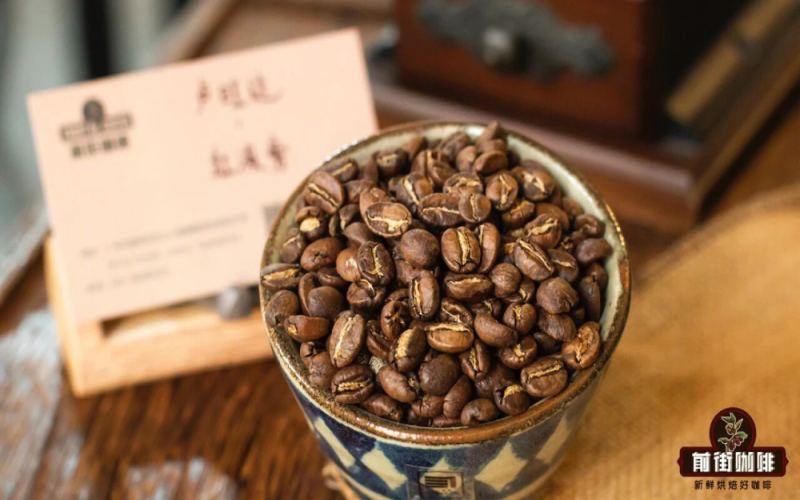
Selected Coffee Bean Brands | Which single-origin pour-over beans do seasoned coffee enthusiasts buy? Recommendations for light, medium, and dark roast pour-over coffee beans that are tasty, affordable, and perfect for beginners.
When it comes to brewing coffee, whether you're just starting out, advancing, or have already become a seasoned enthusiast, choosing coffee beans is still something you can't afford to be careless about. Today, we're going to dig out our most treasured good beans for experienced brewers, so you can brew delicious coffee at home too. 1. Front Street Coffee. Rwanda Red Bourbon: [more…]
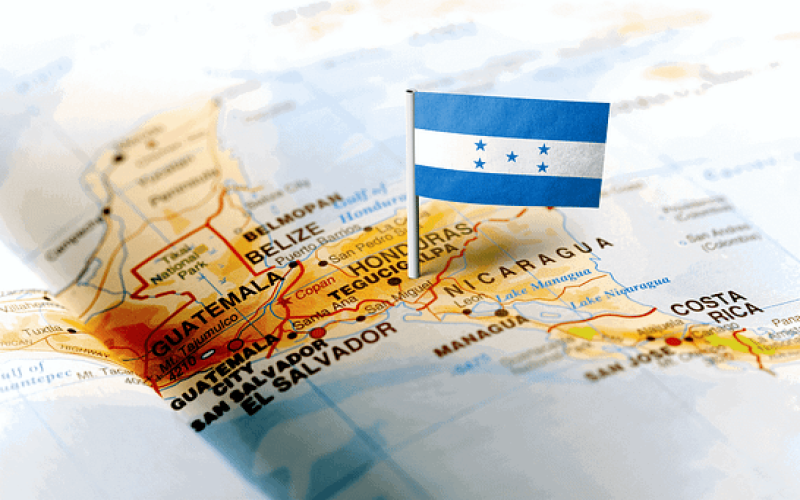
Key Points for Brewing Honduran Pour-Over Coffee and a Detailed Guide to Washed Beans from San Juan and Other Regions
Although Honduras is a latecomer to the Central American coffee industry, it has risen rapidly thanks to its production advantages and distinctive flavors. This article systematically reviews the characteristics of Honduran washed coffee beans, from producing regions and grading to specific brewing parameters. Using several Honduran beans as examples, Front Street Coffee shares a complete practical approach from roasting curves to staged extraction, helping coffee enthusiasts master the key points of pour-over Honduran coffee and presenting its balanced expression of floral and fruity notes with nutty and chocolate tones. [more…]
A Complete Guide to Honduran Coffee Regions: Six Major Origins, Grading System, and Flavor Characteristics
Although Honduras entered the coffee industry relatively late, it quickly rose to prominence thanks to its superior geographical conditions and microclimates, becoming the largest coffee producer in Central America and a major global producer of Arabica. This article systematically reviews the historical development, growing environment, and grading standards of Honduran coffee, and provides detailed explanations of six major producing regions: Copán, Opalaca, Montecillos, Comayagua, Agalta, and El Paraíso. It also includes Front Street Coffee's on-location photos, roasting curves, and brewing suggestions, giving you a comprehensive understanding of the unique charm of this rising star of Central American coffee. [more…]
The Past and Present of Honduras Sweet Orange Estate Catuai Coffee Beans and a Pour-Over Flavor Analysis
Honduras, as a Central American coffee producer that has risen to prominence, is known for its coffee's floral and fruity aromas and soft juicy notes, along with exotic spicy hints and a rich, nutty-chocolate finish. This article starts with Honduras's geographical conditions and coffee development history, systematically outlining its altitude classification and defect grading standards, detailing the flavor characteristics of its six major producing regions, and highlighting the Catuai coffee beans from the Sweet Orange Estate in the La Paz region. Front Street Coffee will share this bean's roasting curve, cupping performance, and pour-over parameters, providing coffee enthusiasts with a complete brewing reference. [more…]
A Complete Analysis of Honduran Coffee Bean Origins and Flavors: From Geographical Conditions to Six Major Regions, Varieties, and Processing
Honduras is the largest coffee-producing country in Central America and an important global supplier of washed Arabica beans. This article will systematically introduce the flavor characteristics of Honduran coffee beans and the reasons for their popularity from the perspectives of geography, historical development, the grading system, the six major producing regions, varietal characteristics, and processing methods. Through field investigations and repeated cupping, Front Street Coffee has listed a number of Honduran beans with diverse styles, covering producing regions such as Copán, El Paraíso, and Marcala, featuring both the clean fruit acidity of washed beans and the unique wine aroma of barrel-fermented beans, offering coffee enthusiasts a rich variety of choices. [more…]
A Complete Guide to Honduras's Six Major Coffee Regions: Flavor Profiles, Grading System, and Origin Stories
Honduras is located in northern Central America. Although its coffee industry started relatively late, it has risen rapidly thanks to its excellent natural conditions and has become an important global producer of Arabica coffee. This article will systematically review Honduras's coffee development history, geographical advantages, and grading system, and introduce one by one the six major producing regions of Copán, Opalaca, Montecillos, Comayagua, Agalta, and El Paraíso. At the same time, it will also present Front Street Coffee's bean selection and brewing practices in Honduras, helping coffee lovers gain a comprehensive understanding of the unique charm of this Central American coffee newcomer. [more…]
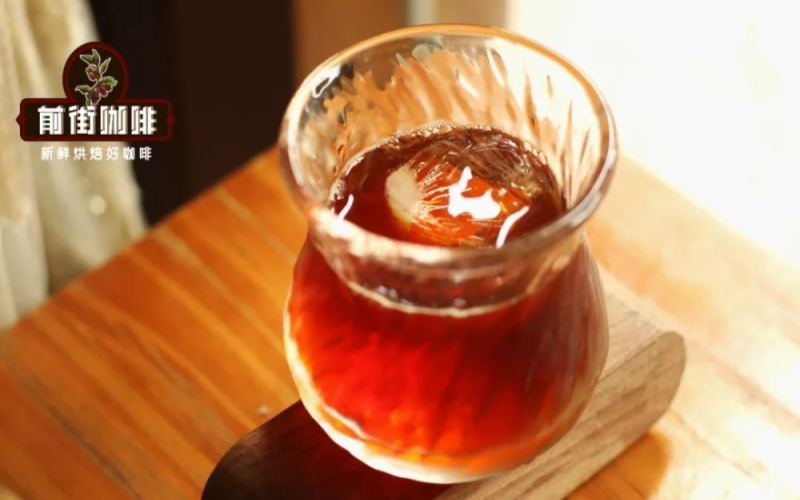
Fruit-Infused Cold Brew Coffee Pairing Experiments: Four Recipes, Flavor Comparison, and a Coconut Cold Brew Latte Recipe
Under the framework of cold brew coffee's low-temperature slow steeping, there are inherently few adjustable variables—just water volume, water temperature, grind size, and steeping method. But if fruit is brought into the steeping process as well, could it open up new flavor territory? Front Street paired blueberries, grapes, lemons, and peaches with four coffee beans of different character profiles, ran a round of fruit cold brew experiments, and recorded the aroma, mouthfeel, and pros and cons of each group. In addition, it extended into mixing ideas for cold brew lattes, sparkling cold brew, and coconut water cold brew, and summarized the types of fruit suitable for steeping and the direction for choosing coffee beans, as a reference for recreating them at home. [more…]