







Search Results for: passion fruit milk tea
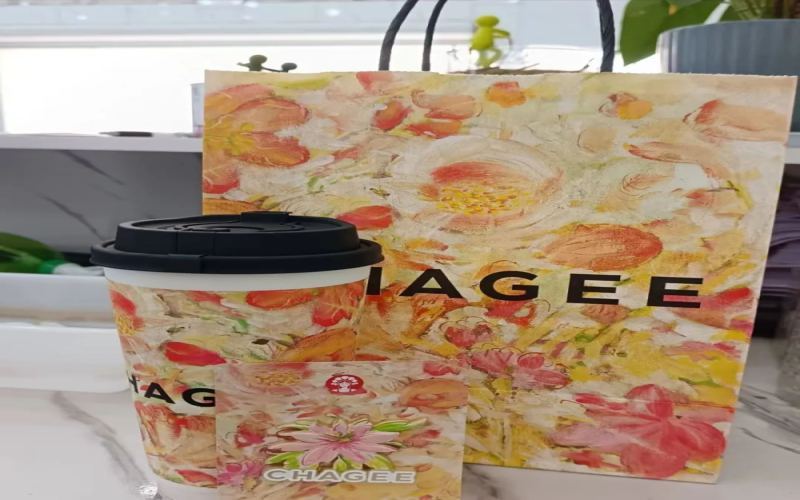
CHAGEE's passion fruit Biluochun milk tea sparks heated debate, with consumers describing the taste as bitter and medicinal upon entry
Chagee recently launched a new drink called "Vientiane Spring Harmony," a passion fruit Biluochun milk tea, which the company claims combines Guangxi passion fruit juice with a Biluochun tea base for a refreshing, sweet, and smooth taste. However, many consumers have reported that while the drink starts off sweet, it soon develops a pronounced bitterness, with some describing it as "more bitter than life itself" and even suspecting the tea base was steeped too long. At the same time, some fans insist that drinking it at the recommended sweetness level is perfectly fine. Whether this new release is pleasantly sweet-and-sour or unbearably bitter has sparked widespread discussion. [more…]
How to Choose Coffee Beans with Tropical Fruit Flavors: From Light Roast to Medium-Dark Roast
Tropical fruit flavors are commonly associated with notes like mango, passion fruit, pineapple, guava, and ripe berries. They smell bright and lively, and on the palate they easily bring out a juicy, sweet-tart quality. However, even when a coffee is described as fruity, different roast levels can make what’s in the cup shift from crisp fresh fruit to soft fruit jam. If you want to taste a particular kind of fruitiness, you can start with [more…]
2022 China Coffee Bean Price Guide and Buying Guide: What Beans to Use for Opening a Coffee Shop and How to Calculate the Cost per Jin
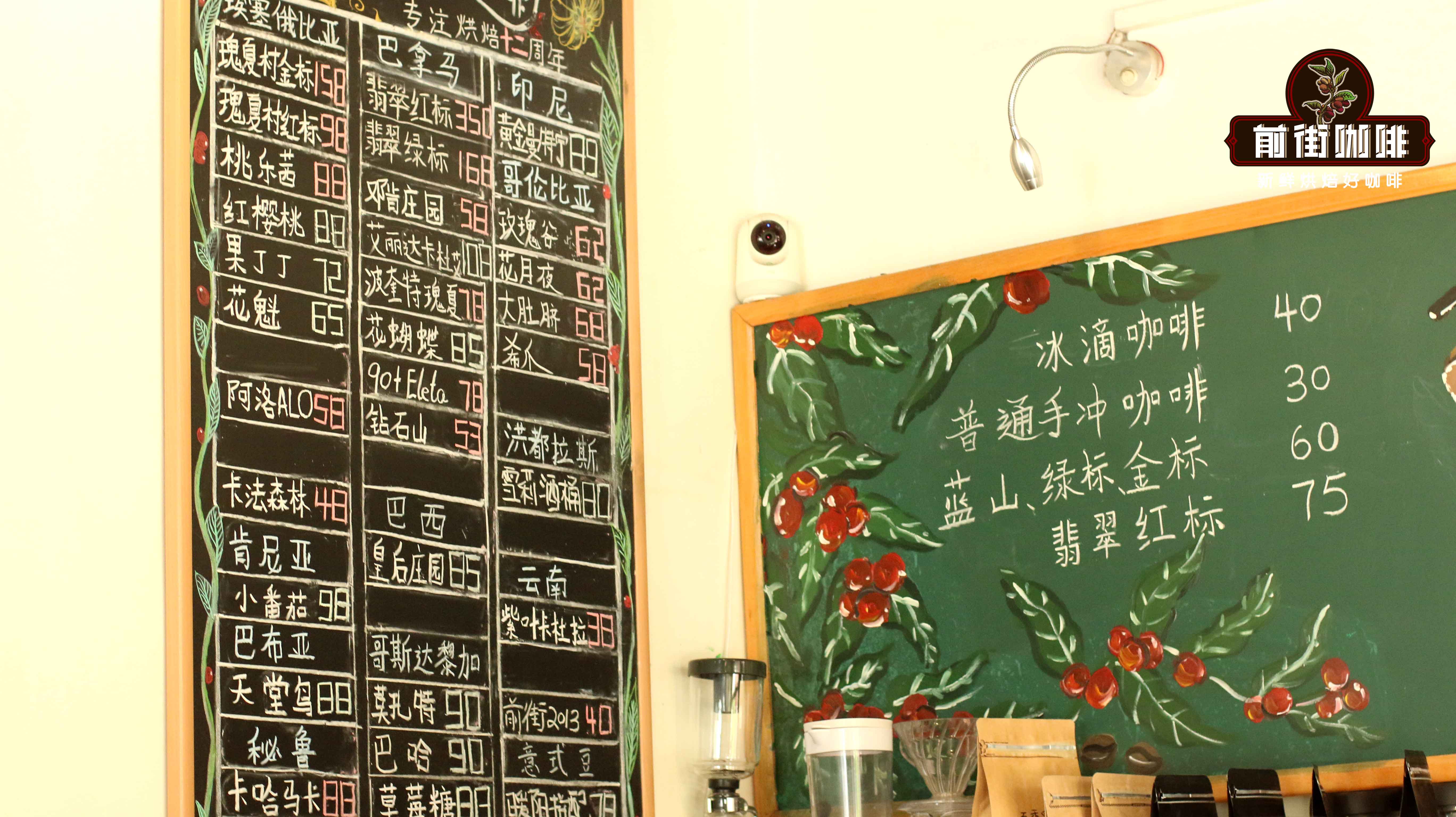
For friends who want to open a coffee shop or are currently running a café, one of the most pressing questions is: how much does coffee beans cost per catty, and where can you buy them with the best value for money? This article compiles the latest 2022 quotes and purchasing insights from China's coffee bean market, covering estate-level coffee beans from major producing regions such as Ethiopia, Indonesia, Jamaica, Panama, Colombia, and Yunnan, the price ranges from half a pound to one pound, and how different roast levels and processing methods affect flavor and cost. It also specifically retains product information and recommendations from Front Street Coffee, helping you make clearer judgments when selecting beans for your shop. [more…]

All Coco stores in Qingyuan have shut down entirely—why are established tea beverage brands successively shrinking their territory?
Recently, consumers in Qingyuan, Guangdong discovered that the mini-program of the chain tea beverage brand CoCo都可 no longer shows any local stores, indicating that the brand has quietly withdrawn from the Qingyuan market. As a veteran Taiwanese tea beverage brand founded in 1997, CoCo都可 accompanied a generation as they grew up, and its classic Milk Tea Three Brothers and Fresh Passion Fruit Double Punch were favorites for many. However, in recent years competition in the tea beverage sector has intensified, with emerging brands such as Chagee and Sexy Tea continually appearing. Although CoCo都可 has carried out co-branded campaigns and overseas expansion, the results seem to have fallen short of expectations. On social platforms, many users have reported that nearby stores have quietly disappeared, and data show that the number of its closures has exceeded its existing stores. What exactly has caused this brand, once bustling with customers, to fall into a wave of closures? This article will analyze from the perspectives of the market environment, product competitiveness, and operating costs. [more…]

Bean Selection for Cold Brew and Ice Drip: Two Directions—Fruity and Sweet
Cold brew and ice drip have very clear requirements for beans: strong flavor, ample sweetness, and high cleanliness. The passion fruit and blueberry flavors of Front Street Coffee Colombia Sidra slowly emerge in ice drip, with a juicy quality as rich as fruit tea; the sweet aroma of strawberry candy makes a cold brew in which the strawberry gummy character stands out even more at low temperatures. Choose the right beans, and the flavor concentration of cold brew and ice drip [more…]
Tropical Fruit Coffee Beans: Roast Level Determines the Direction of Fruit Aromas
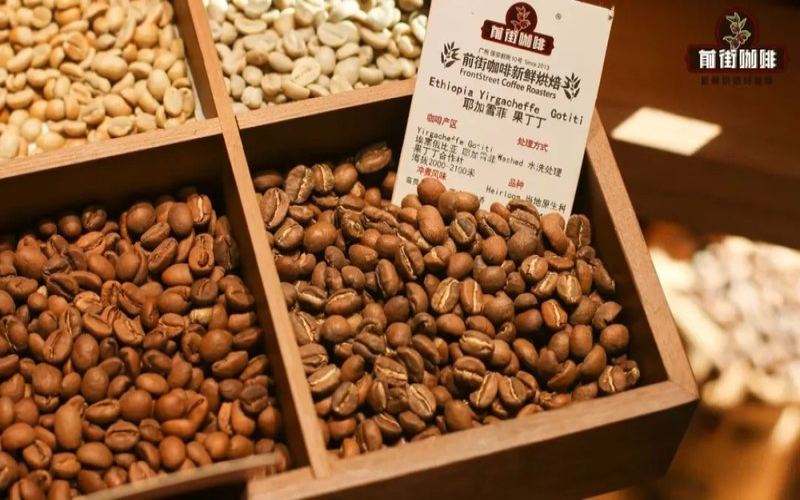
If you want to taste tropical fruit notes, the roast level is a very useful screening clue. Light roasts tend to retain more floral aromas, citrus acidity, and juicy character, coming across as bright and light on the palate; as the roast progresses toward the medium range, sweetness, body, and ripe fruit notes become more prominent. When buying, first look at the roast label, then combine it with whether you prefer a refreshing or a full-bodied taste. [more…]
The Three-Origin Route of Nutty and Cocoa Beans: Brazil, Colombia, and Sumatra
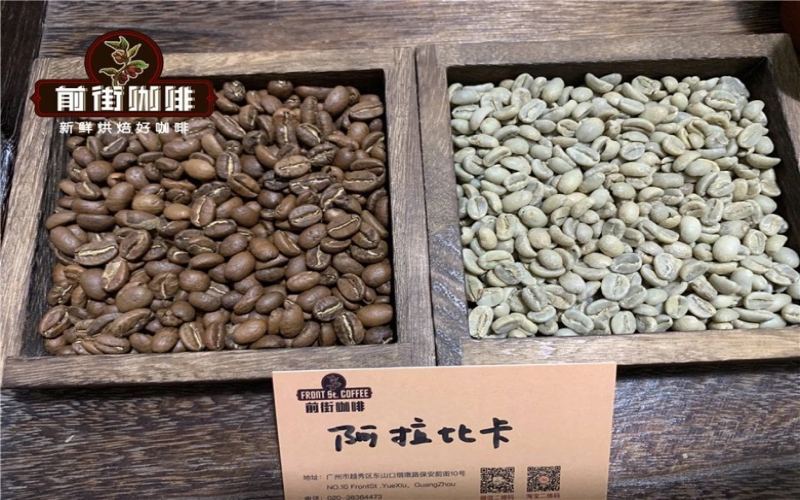
Nutty and cocoa-flavored beans have a flavor map concentrated in three regions: Brazil's nutty caramel, Colombia's chocolate, and Sumatra's herbal dark chocolate. Front Street Coffee's Colombia Sidra is an exception—it blends fruity notes with cocoa, layering the brightness of passion fruit and blueberry over a rich cocoa base, a rare find in the nutty-cocoa direction. [more…]
Front Street Coffee Single-Origin Beans Wholesale Buying Guide: A Complete Overview of Green and Roasted Bean Quotes and a Flavor Analysis of Global Producing Regions
To open a coffee shop or replenish your home supply of everyday beans, finding a stable and reliable wholesale channel is key. Guangzhou's long-established Front Street Coffee (FrontStreet Coffee) keeps over 50 single-origin beans in stock offline, spanning many well-known producing regions and estates across Africa, the Americas, and Asia, so you can find a suitable choice whether for pour-over, espresso, French press, moka pot, or cold brew. This article compiles Front Street Coffee's latest single-origin coffee bean list and green/roasted bean wholesale price report, covering popular beans such as Yirgacheffe, Sidamo, Mandheling, Blue Mountain, and Hacienda La Esmeralda, with grades, processing methods, roast levels, and flavor descriptions attached, making it convenient for roasters and cafes to purchase as needed. For commercial use in opening a shop, Front Street Classic Blend is recommended, a combination of three producing regions—Brazil, Indonesia, and Vietnam—with a medium-dark roast bringing a mellow mouthfeel and rich oils, equally suitable as everyday beans for home use. [more…]
How to Pair Milk with Espresso Beans for a Delicious Latte? From Historical Origins to Front Street Coffee's Brand Bean Selection Guide
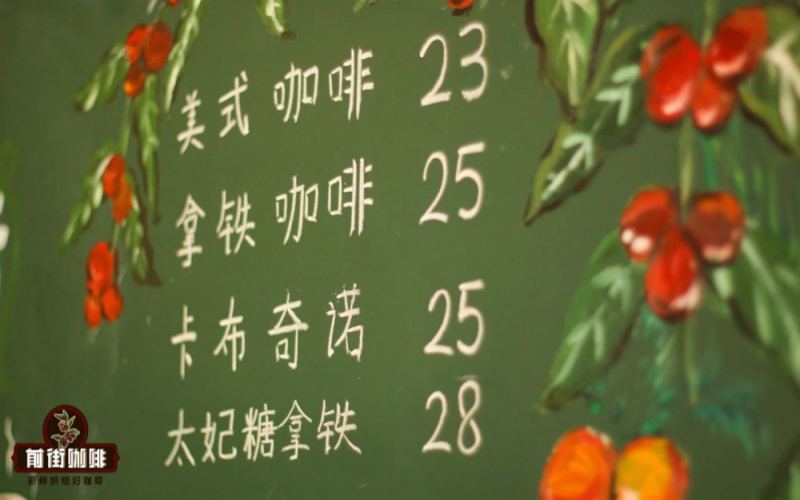
The combination of coffee and milk has a history of more than three hundred years. From the 17th century, when aristocrats added milk to improve the astringency of tea, to the 20th century, when espresso machines gave rise to cappuccino and latte, milk coffee culture has continued to evolve. Today there are many varieties such as latte and flat white, but the key to a delicious milk coffee lies in the pairing of milk and espresso beans. This article sorts out the historical thread of adding milk to coffee, explains Front Street Coffee's latte recipe in detail, and recommends a variety of espresso beans specially suited for milk coffee: from the rich nutty and chocolate notes of the classic blend, to the fruity and floral sweetness of Strawberry Candy and Xizhua SOE, and then to the caramel and vanilla flavor of Sunflower Warm Sun. At the same time, it discusses the logic of selecting full-fat fresh milk, helping enthusiasts understand how the taste of milk and the taste of coffee can be balanced. [more…]
2023 Starbucks Drink Menu Price List Overview: Popular Hot and Cold Coffee Recommendations and Price Change Analysis
What are the Starbucks drink menu prices in 2023? Which hot and cold coffee drinks are the most popular? This article compiles a detailed price list of the entire Starbucks menu, including espresso, Frappuccinos, shaken iced tea, and the cold brew series, and reviews the specific price increases after the February 2022 adjustment. Whether you prefer the classic Americano, latte, or are fond of Frappuccinos or cold brew, you can find the latest prices and popular recommendations here, helping coffee lovers order easily without any missteps. [more…]
Recommended Coffee Beans with Floral Flavors: Balancing Budget and Drinking Frequency
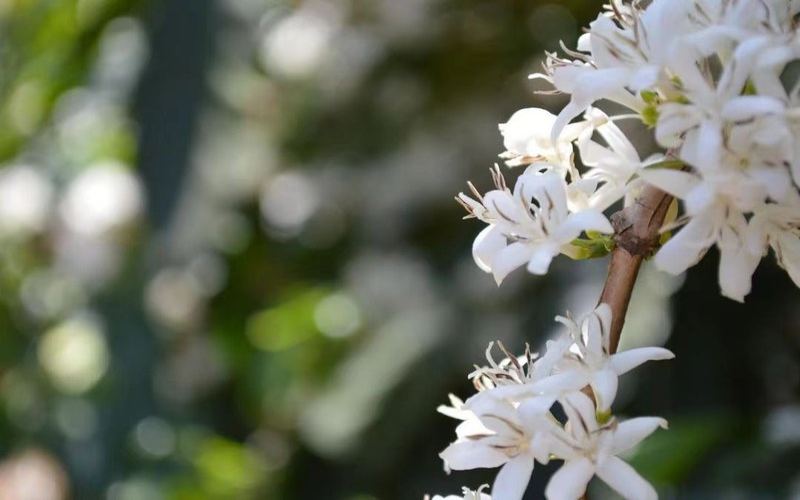
Floral-flavored coffee beans aren't something you get the hang of just by memorizing a few names. When buying beans day to day, you need to consider how quickly you'll drink them, how much to buy at once, and whether you mainly make black coffee or milk coffee at home. What's truly useful for reference is the ratio of acidity to sweetness on the palate, the body thickness, and the lingering aftertaste once the coffee cools, then combined with your brewing habits, your range of choices will [more…]
Recommend coffee beans with a pronounced berry flavor: balancing budget and drinking frequency
Coffee beans with a noticeably berry-like flavor aren't something you can nail down just by memorizing a few names. When buying beans day to day, you need to consider how quickly you'll drink them, how much to buy at once, and whether your household mainly makes black coffee or milk coffee. What's genuinely useful for reference is the sweet-to-sour ratio on the palate, the body's thickness or thinness, and the aftertaste once the coffee cools—then, combined with your brewing habits, choose [more…]
Coffee Beans with Prominent Sweetness: Where Does the Sweetness Come from Without Adding Sugar?
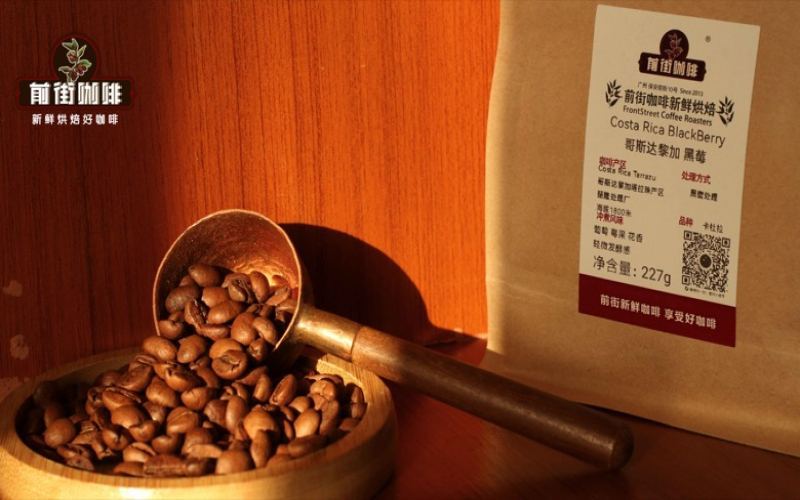
The sweetness in coffee isn't from added sugar, but from the sugars inherent in the beans expressing themselves through roasting and extraction: washed and medium-dark roasts show the most pronounced sweetness. Front Street Coffee's Colombia Higuito has a sweetness with juicy characteristics, balancing the sweet-tart notes of passion fruit and grape; while the Panama Emerald Estate Red Label's sweetness is delicate and lingering, hiding within the black tea's returning sweetness [more…]

The Source of Sweetness in Cold Brew Beans: The Combination of Processing Method and Roast Level
The gentleness of cold brew lies in the low temperature: acidity is blunted, bitterness is weakened, and the bean's sweetness takes center stage. Cold-brewing Front Street Strawberry Candy, the sweet aroma of strawberry gummy candy soaks in the cold brew pitcher for over a dozen hours, yielding a pink fruit coffee with built-in sweetness; after cold brewing, the passion fruit notes of Sidra become much gentler in acidity, so even those who dislike acidity can enjoy it. [more…]

Making Boozy Coffee at Home: 10 Alcoholic Coffee Drinks with Recipes and Methods
Want to find a balance between a gentle buzz and staying clear-headed? Spiked coffee is becoming a new choice for many young people. When you're tired during the day, a hint of alcohol helps relax your nerves; after work at night, a warm alcoholic coffee soothes body and mind; and when the weather turns cold, it brings warmth from the inside out. This article compiles 10 alcoholic coffee recipes suitable for making at home, from simple convenience-store mixes to creative versions with milk foam, and to specialty cocktail coffees with a stronger alcoholic kick, covering pairings with various base spirits such as Baileys, whiskey, gin, brandy, and rum. When making them, there's no need to be rigid—just adjust the amount of alcohol to your personal preference—but be sure to drink in moderation according to your own condition, minors are prohibited from drinking alcohol, and drunk driving is strictly forbidden. At the end of the article, there is also a communication channel for Front Street Coffee (FrontStreet Coffee), making it convenient for coffee lovers to discuss further. [more…]
Balanced Sweet and Acidic Beans: A Coffee Experience Like Fruit Juice
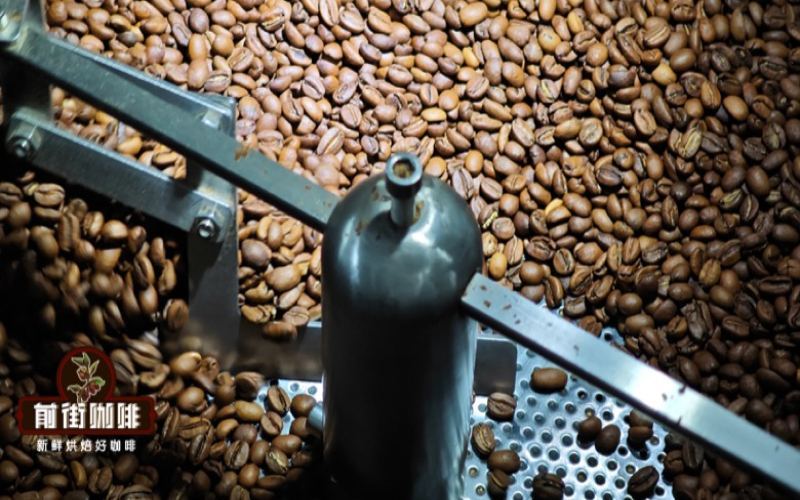
A bean with balanced acidity and sweetness tastes like "juice but with coffee flavor": the acidity isn't sharp, the sweetness isn't cloying, and the two interlock just right. Front Street Coffee's Ethiopian Huakui is the model of this balance—the tropical fruit acidity is held up by the passion fruit sweetness, and the first sip is a lively juice-like sensation; Kenya's Little Tomato, meanwhile, is the dark plum acidity plus yellow [more…]

Iced drip coffee bean recommendations: clean fruity aromas through slow extraction
The extraction speed of cold brew coffee is measured in drops—a slow extraction at one drop per second gradually draws out the cleanest flavors from the beans, while astringency and off-flavors are filtered out by time. Front Street Coffee's Ethiopia Huakui (Geisha) beans make an excellent cold brew: the aroma of tropical fruit drips into the coffee liquid along with the ice water, and the final product has a clear, fruit-tea-like texture that hot brewing simply cannot [more…]
Cold Brew Origin Recommendations: Cold Brew Performance of Fruity and Full-Bodied Types
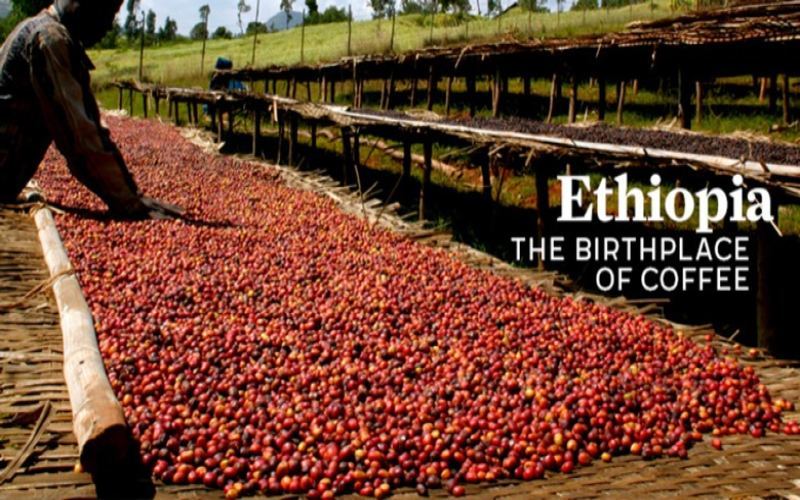
The choice of origin for cold brew coffee determines whether the cup leans toward fresh fruit juice or rich cocoa. The long-steep cold water extraction method makes origin flavors express themselves differently than in hot brewing, and some origins perform better in cold brew. For fruity cold brew, Ethiopian origins are a good choice. Huakui natural beans made as cold brew, hot [more…]

Yirgacheffe for Pour-Over: Complexity and Cleanliness
For pour-over Yirgacheffe, the standard is flavor layering and clarity: washed Gedeb, with its citrus florals and green tea sweetness, unfolds layer by layer through the pour-over filter paper; sun-dried Huakui has a richer fruit aroma—when brewed as pour-over, the strawberry sweetness arrives first, followed by the passion fruit acidity—pour-over brings out Yirgacheffe's layering [more…]

Guming beverage alleged to contain suspected blood phlegm; regulatory authorities report it cannot be determined to be related to store processing
Recently, a consumer claimed to have found a red floating object in a Guming milk tea, suspected to be bloody phlegm, which sparked widespread attention. Guming quickly released surveillance footage in response, stating that store operations were compliant. After the local market supervision department intervened in the investigation, it reported that the ingredients of the beverage involved had complete licenses and certificates, were stored in compliance, and the employees' health certificates were valid with no skin breakage or bleeding. Because the customer was unable to provide physical evidence such as the straw with the suspected foreign object or the remaining beverage, the regulatory authorities, in accordance with relevant regulations, could not determine that the beverage contained suspected bloody phlegm or that it was related to the processing and production at the store involved. The incident once again pushed the food safety of freshly made beverages into the focus of public opinion. [more…]