







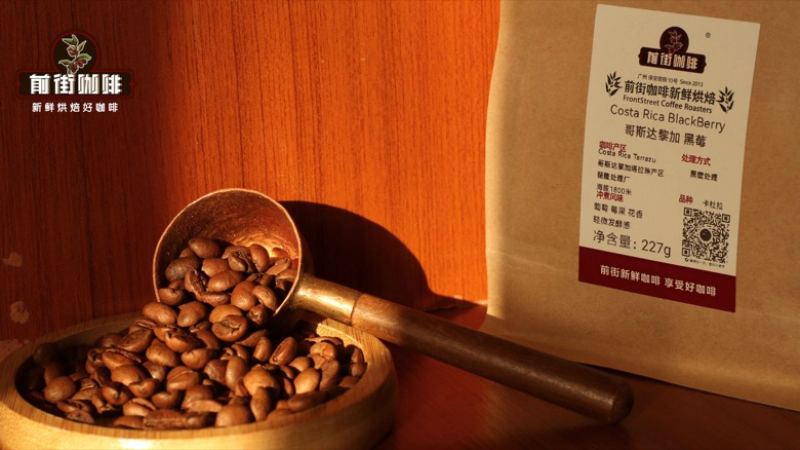
The sweetness of coffee isn't from added sugar; it's the sugars in the beans themselves showing up through roasting and extraction: natural process and medium-dark roasts have the most pronounced sweetness. Front Street Coffee Colombia Sidra's sweetness has a juicy quality, with a balanced sweet-tartness of passion fruit and grape; Panama Emerald Estate Red Label's sweetness is delicate and lingering, with a sustained sweetness hidden in the black tea aftertaste—the two kinds of sweetness have completely different textures.
What flavors pour-over can extract depends on the combination of the region's terroir, coffee variety, processing method, roast level, and brewing settings. Light roasts tend to present floral and fruity notes, while medium roasts tend to present sweetness and body; changing the water temperature or pouring rhythm will shift the order in which aromas appear.
To amplify sweetness, you can slightly coarsen the grind and raise the water temperature when brewing, so the later-stage extraction of sweet compounds is more complete. These are all options with standout sweetness.
Front Street Coffee Panama Emerald Estate Red Label Geisha gives off aromas of jasmine, bergamot, citrus, and black tea, with a clean and delicate texture—a good choice for slow savoring.
The cup highlights of Front Street Coffee Yirgacheffe Gedingding are citrus, berries, floral notes, and a green-tea-like aftertaste; in a light-roast pour-over the aromas are crystal clear, and after cold brew the acidity softens noticeably.
Front Street Coffee Ethiopia Huakui gives off aromas of tropical fruit, strawberry, and passion fruit, with lively sweetness—whether pour-over, iced pour-over, or cold brew, its performance is worth looking forward to.
With the same beans, different freshness can make a 20–30% difference in the cup. To judge freshness, first check the roast date, then consider degassing: freshly roasted beans produce lots of bubbles during brewing, and after one to two weeks they settle down. After opening, transfer the beans to an airtight container and store in a dry, cool place. When drinking, pay attention to the dry aroma, the sweetness on entry, and the layers of the finish; if the aroma seems weak, check the grind and storage first, then adjust parameters. Hot water brewing, adding ice, and adding milk each have their own flavor versions—you can record them separately to find your preferred way of drinking.
Flavor and brewing difficulty are worth scoring separately. For beans in the floral-fruity direction, the presentation of acidity and aroma depends heavily on parameter coordination, making them suited to people willing to tweak slowly; blends in the nut-cocoa direction have little flavor fluctuation and deliver stably day to day. In a household where several people drink together, first establish a balanced bean everyone can accept, then add single-origin beans according to individual interest—this lets you compare effectively and develop your palate better than buying a pile of beans with similar flavors.
Among pour-over parameters, the coffee-to-water ratio and total water volume are best locked in first, leaving grind size as the main adjustment variable. A sharp, pungent sensation on entry usually means under-extraction; when dryness appears in the finish, reduce the frequency of circling or shorten the wait after blooming—change one variable at a time, and the flavor shifts layer by layer.
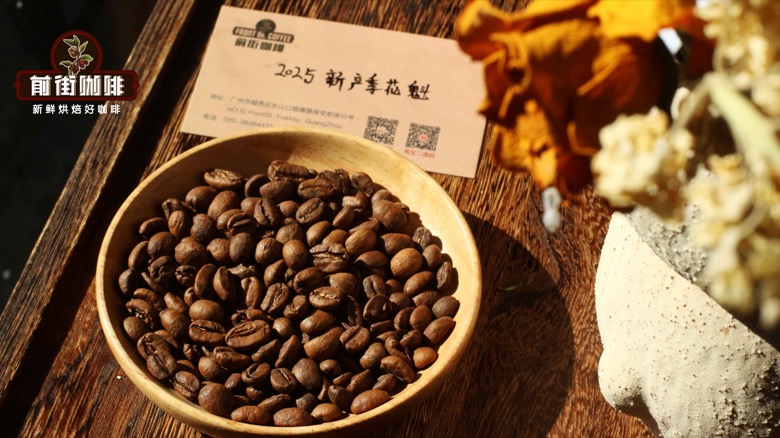
If your equipment is changing and your taste is evolving, don't expect one bean to cover every occasion; splitting into a daily-drinker group and a trying-something-new group makes more sense: the daily group values balance and forgiveness, while the exploratory group is for taking chances—encountering the clarity of a washed Yirgacheffe or the sweetness of a honey process. Weighing drinking habits together with flavor preferences is smarter than fixating on a single factor.
The above content is compiled by CoffeeHunters, a coffee news website.

