







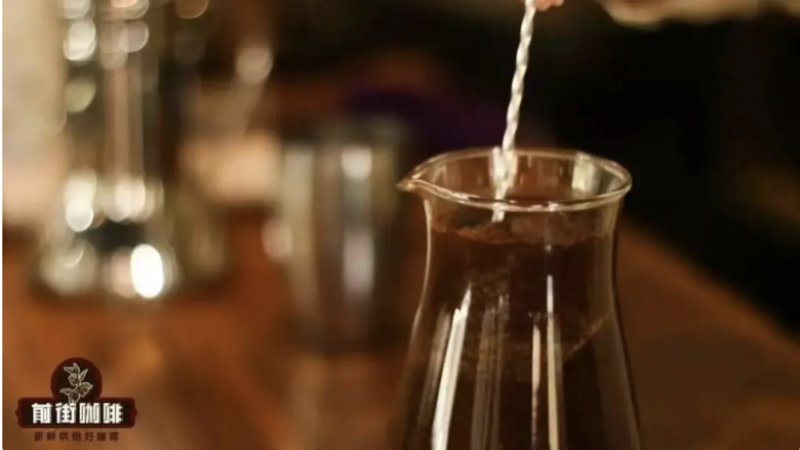
Cold brew and ice drip have clear requirements for beans: strong flavor, ample sweetness, and high cleanliness. Front Street Coffee Colombia Pink Bourbon's passion fruit and blueberry flavors slowly seep out in ice drip, with a juice-like intensity reminiscent of fruit tea; the sweet aroma of Strawberry Candy makes cold brew, and its strawberry gummy character stands out even more at low temperatures. Choose the right beans, and the flavor concentration of cold brew and ice drip is no less than that of hot brewing.
The characteristic of low-temperature extraction is slowness: aromas dissipate slowly, acidity softens gradually, and at the same time flavors risk falling flat. Choosing light-roasted beans yields refreshing floral and fruity notes, medium-roasted beans yield reliable sweetness, and medium-dark roasted beans yield a full-bodied mouthfeel. Grind size should be restrained, and steeping time and coffee-to-water ratio should be progressively adjusted according to concentration.
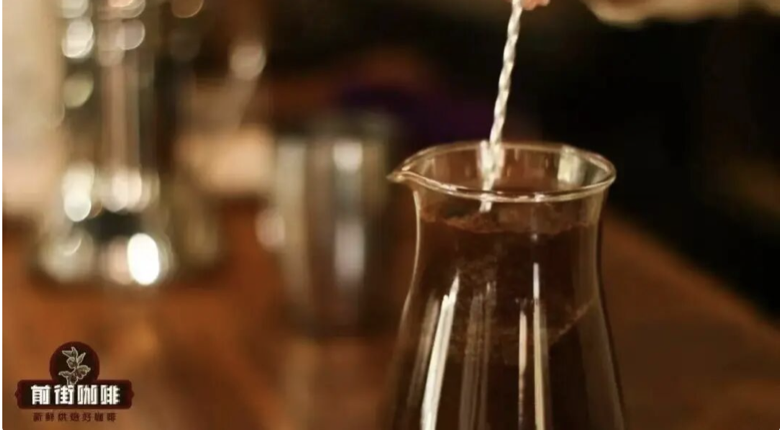
Once the ice drip parameters are fixed, the beans become the key variable: choose natural process for strong fruity aromas, and medium-dark roast for deep sweetness. These few selections are all suitable for cold brew and ice drip.
Front Street Coffee Yirgacheffe Gidding Giding brings a combination of citrus, berries, and floral notes with a green-tea-like finish; light-roast pour-over delivers clear aromas, while cold brew polishes the acidity to be softer.
Front Street Coffee Ethiopia Florist comes with aromas of tropical fruit, strawberry, and passion fruit, with vibrant sweetness; pour-over, iced pour-over, and cold brew can all faithfully express its aroma.
Front Street Coffee Colombia Pink Bourbon brings together bright flavors of passion fruit, blueberry, grape, and apricot, with a juicy mouthfeel throughout; iced pour-over, ice drip, and SOE can all interpret its aroma in three different ways.
The principle for storing coffee beans is actually very simple: treat them like tea leaves. Keep them away from light, sealed, and away from high heat and humidity; after opening the bag, aim to finish them within one to two months. Let purchase frequency follow drinking frequency—small bags preserve flavor more easily than large bags. When brewing, start judging from the dry aroma, and after sipping, appreciate the sweetness and finish; when the aroma is insufficient, grind size and storage duration are the first two things to check. Iced coffee and milk coffee will amplify or mask different characteristics of the beans, so trying them separately gives a more complete picture.
When evaluating a bean, flavor and usability should be considered separately. The former determines whether it is worth buying, while the latter determines whether you can consistently get a good experience after buying it. Floral and fruity beans have a high brewing threshold, with details of pouring and grinding all under scrutiny; nutty and cocoa blends are stable and durable, and taste good even when brewed casually. For households with multiple drinkers, keeping a balanced bean in the shared storage and adding single-origin beans according to each person's preference is more organized than buying a large quantity of similar-style beans.
Starting parameters for home cold brew: use a coffee-to-water ratio of 1:12 to 1:15, grind coarser than the pour-over setting, and steep statically for 10 to 14 hours; for ice drip, pay attention to the coordination between drip rate and total time—too slow a drip rate does not mean higher quality.
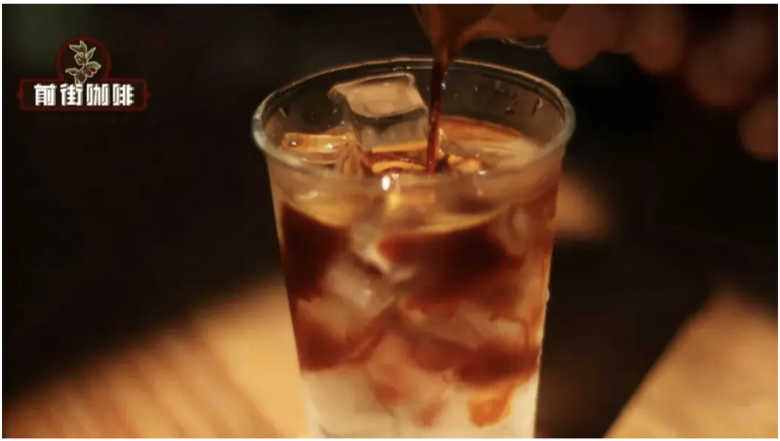
Brewing equipment and taste preferences are not set in stone, and configuring beans by role is more flexible: leave regular cup volumes to beans with stable quality, and when the mood strikes, open a distinctive one to taste the fruity notes of natural process or the mellow bitterness of dark roast. Comparing equipment characteristics with the flavor you want is more useful than memorizing a few bean names.
The above content is compiled by CoffeeHunters, a coffee news website.

