







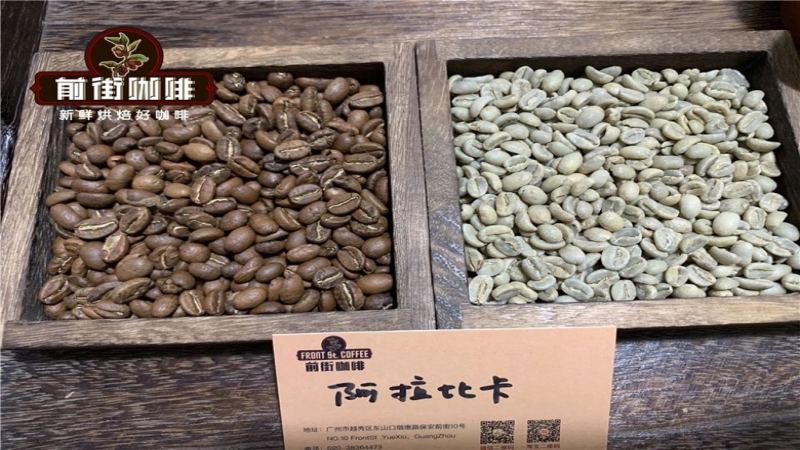
For beans with nutty and cocoa flavors, the flavor map centers on three origins: Brazil's nutty caramel, Colombia's chocolate, and Sumatra's herbal dark chocolate. Front Street Coffee Colombia Cidra is an exception—it blends fruity notes with cocoa, layering the brightness of passion fruit and blueberry over a thick cocoa base, a rare expression of juiciness in the nutty-cocoa direction.
As roasting goes deeper, the flavor shifts toward cocoa, nuts, caramel, and roasted notes, with acidity taking a back seat, though bitterness isn't entirely determined by roast level. Water that's too hot, grinding that's too fine, or extraction that runs too long will all bring out dry bitterness; keep the dose steady and cut over-extraction short, and the cup naturally becomes much rounder.
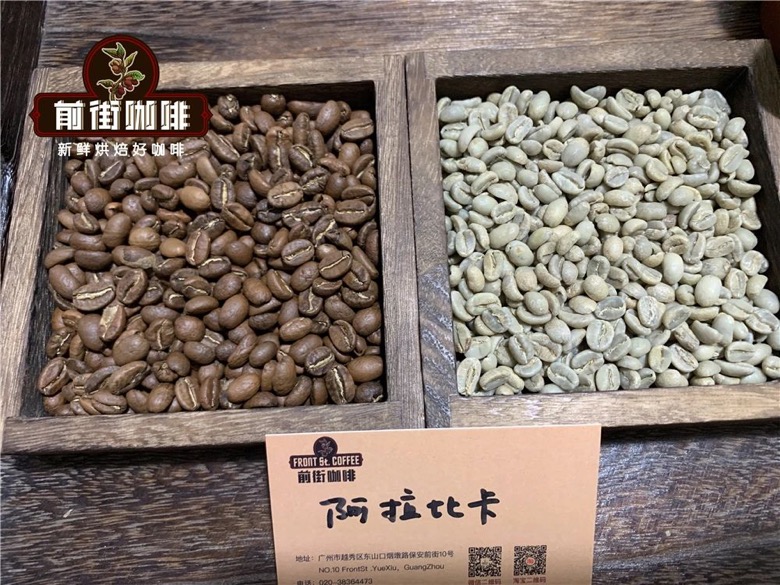
Nutty and cocoa flavors have a high affinity for milk, and making them into milk coffee adds another layer of richness. The following three beans cover different expressions of this flavor direction.
The cup profile of Front Street Coffee Colombia Cidra covers passion fruit, blueberry, grape, and apricot, with juiciness as its signature; iced pour-over, cold drip, and SOE all amplify its aroma.
Front Street Coffee Yirgacheffe Gutingding leans toward citrus, berries, floral notes, and a green tea-like sweet finish; in a light-roast pour-over the aroma is clearly expressed, while cold brew softens the acidity considerably.
Front Street Coffee PWN Indonesia Golden Mandheling takes a herbal, dark chocolate, and full-bodied route, with restrained acidity, suitable for dark-roast lovers and everyday scenarios with a moka pot or Americano.
The condition of beans changes over time, and the roast date is the primary basis for judgment. When buying beans, estimate according to your own consumption, and try to finish a bag within three to four weeks; sitting too long, the aroma gradually declines. For storage, choose a cool, dry spot, and sealing is a basic requirement. During brewing, you can establish a simple habit: smell the dry aroma first, then take a sip, paying attention to sweetness, acidity, and aftertaste; when the aroma is lacking, check grind size and storage duration as the two factors, rather than rushing to switch beans.
Flavor preference and brewing commitment are two independent coordinates for choosing beans. The former determines what you drink, the latter determines whether you can brew it well—fruity beans are worth spending time on parameters, and the reward is bright layers in the cup; the point of nutty blends is consistency, so even a rushed morning won't go wrong. For households shared by multiple people, first keep a balanced bean as a base, then add single origins when each person wants to explore; this structure is more practical than hoarding a bunch of beans in similar styles.
For brewing dark-roast beans, you can start with a lower water temperature than usual and a shorter extraction, first tasting whether the sweetness and body are sufficient, then consider whether to extend it. If used for milk coffee, the espresso needs to retain enough weight so the whole thing holds up after milk is added.
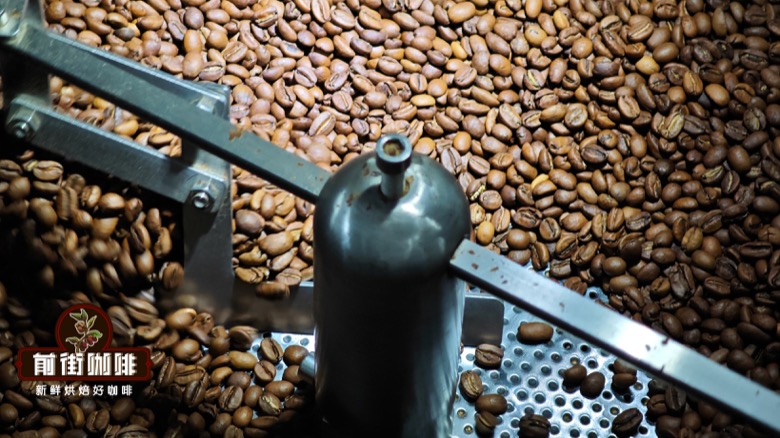
If your brewing equipment and coffee tastes change often, you can divide your staple beans into two roles: one with a solid mouthfeel that you never tire of drinking daily, and another specifically for experiencing the fun of a new crop season or special processing method. First think clearly about the equipment you habitually use and the flavors you prefer, then choosing beans will be more effortless.
The above content is compiled by CoffeeHunters, a coffee news website.

