







Search Results for: pH Value
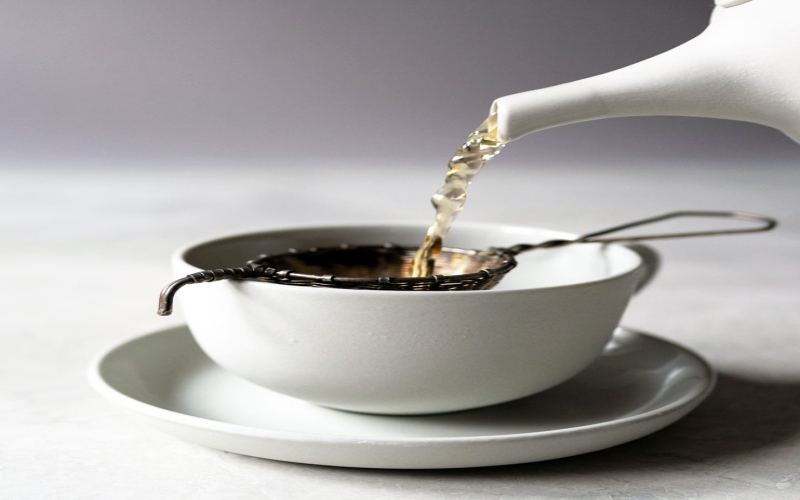
Where Does the Acidity in Tea Come From? A Guide to Drinking Tea with Acid Reflux and Recommendations for Acidic Black Teas
Whether tea is acidic is especially critical for people suffering from heartburn or acid reflux. The pH values of different types of tea vary significantly: black tea tends to be acidic, while green tea may be close to neutral or even alkaline. The factors affecting the acidity of brewed tea go far beyond the type of tea—the amount of leaves used, brewing temperature, steeping time, and whether tea bags are used all influence the final result. In addition, the caffeine in tea relaxes the esophageal sphincter, which may worsen reflux symptoms. If tooth pain occurs after drinking tea, it may also be related to acidity. This article systematically sorts out the relationship between tea and acidity, and includes recommendations for tart black teas, helping coffee and tea lovers enjoy flavor while also looking after their health. [more…]
Pour-Over Coffee Water Guide: TDS Standards, Hardness, pH, and Key Points for Choosing Mineral Water or Purified Water
When brewing pour-over coffee, water quality is one of the key variables that determines flavor expression. This article focuses on the two core indicators of water: hardness and pH, explaining the TDS range recommended by the SCAA as well as the water quality range that more easily yields good taste in actual brewing, and explaining the effects of calcium and magnesium ions on coffee acidity, sweetness, and aroma. The article will also analyze one by one whether tap water, filtered water, purified water, and mineral water are suitable for brewing coffee, reminding readers to pay attention to the TDS and mineral content on labels, and to avoid judging water quality based on price alone. Finally, it offers practical advice on water for daily brewing to help coffee enthusiasts reproduce coffee flavors more consistently. [more…]

Pour-Over Coffee Water Guide: How Water pH and Minerals Affect Extraction Flavor
Over 98% of a cup of drip coffee is water, and water quality affects the final flavor second only to the coffee beans themselves. From the perspective of Front Street, this article systematically sorts out the pH range of brewing water, the roles of calcium and magnesium ions and bicarbonate, and verifies through comparative experiments the flavor differences when using purified water, mountain spring water, and mineral water to extract the same beans. It also answers whether tap water is suitable for brewing coffee and provides practical reference for choosing water in daily life, helping coffee lovers find a more stable brewing water solution. [more…]
Pour-Over Coffee Water Quality
To brew a delicious cup of coffee, you need not only good beans but also good water. In brewed coffee, water accounts for over 98% of the final cup. Therefore, choosing the right water for brewing is also crucial. So what kind of water is actually suitable for brewing coffee? First, Front Street Coffee will explain the requirements for water suitable for brewing coffee. One [more…]
Which type of bottled water is more suitable for brewing coffee? A practical comparison and selection approach for mineral water vs. mountain spring water
Water is the largest component of black coffee and directly participates in and influences the extraction process, so differences in water quality often bring about completely different flavor expressions. There are many types of bottled water on the market, with prices ranging widely from high to low, and whether more expensive water is more suitable for brewing coffee has become a question for many brewing enthusiasts. This article uses two types of bottled water with明显 price differences as test subjects, and adds Nongfu Spring, commonly used in stores, as a control, conducting blind tasting comparisons with two coffees, Yirgacheffe Red Cherry and Diamond Mountain. At the same time, from the perspectives of acidity and alkalinity, softness and hardness, TDS, and calcium and magnesium ions, it explains the principles by which water quality affects extraction, helping coffee enthusiasts understand how to choose more suitable water for brewing coffee. [more…]

Drinking Water Quality | What Kind of Water Is Suitable for Pour-Over Coffee? Which Water Factors Affect Coffee Extraction? How Can Coffee Beginners Choose Drinking Water for Brewing Coffee?
As the primary raw material, water not only makes up the vast majority of a cup of black coffee, but also influences the extraction of different substances, thereby producing distinct flavors and mouthfeel. Therefore, all of us should understand the importance of water to coffee. Common drinking water on the market varies from brand to brand, in the ingredients it contains, and in its purification processes. [more…]
What Conditions Are Needed for Growing Coffee Trees? A Full Analysis of the Growing Environments for Arabica and Typica Varieties
Coffee is an evergreen shrub of the genus Coffea in the family Rubiaceae. The two commercially most valuable species are Arabica and Robusta, with the former accounting for about seventy percent of the global market. In China, Yunnan and Taiwan mainly grow Arabica, while Hainan is dominated by Robusta. So what kind of growing conditions does Arabica actually require? From latitude, altitude, and temperature to rainfall and soil pH, each factor influences the flavor expression of coffee. Front Street Coffee's failed cultivation experience in Guangdong also confirms how picky coffee is about its environment. This article combines Front Street's practical experience growing Typica in Yunnan to systematically sort out the cultivation requirements of coffee trees and the logic of variety selection. [more…]
Front Street Colombia Wine Process Coffee Beans: A Complete Guide to Flavor Characteristics, Grind Parameters, and Cloud Estate Origins
In recent years, red wine processing has attracted much attention in the specialty coffee world. Drawing on the fermentation control concepts used in winemaking, it intervenes in pH, temperature, humidity, and microbial conditions to give coffee beans a rich acidity and complex aroma reminiscent of red wine. This article will start with the flavor differences between lactic acid fermentation and acetic acid fermentation, outline the specific operational process of red wine processing, and combine it with the origin information of Front Street Colombia Red Wine Process—the eastern slopes of the Andes in Cundinamarca Department, a growing altitude of 1,800 to 2,000 meters, and the anaerobic fermentation practice of Remi Sultan in sealed metal containers—to provide coffee lovers with a complete set of flavor descriptions and grinding setting references. [more…]
Introduction to Anaerobic Fermentation in Coffee | What Is the Anaerobic Fermentation Processing Method? What Is the Difference Between Anaerobic Natural, Anaerobic Washed, and Double Anaerobic Coffee Processing Methods?
Anaerobic Fermentation has been very popular in the coffee world in recent years, mainly because Sasa Sestic, the Australian competitor who won the 2015 WBC, started this trend, and even in 2018 WB [more…]
Guide to Buying Low-Acid Coffee Beans: Is Dark Roast Really Less Acidic Than Light Roast?
Many coffee lovers are sensitive to acidity and prefer coffee with a smooth body and low acidity. However, the acidity of coffee does not refer to pH value, but is an important dimension that, together with body, aroma, sweetness, and other factors, forms the flavor profile. The level of acidity is influenced by the degree of roast, processing method, and regional characteristics. This article will analyze the relationship between roast level and acidity, and recommend five delicious low-acid coffee beans, including Front Street PWN Bird of Paradise, Front Street Brazil Queen's Estate, Front Street PWN Golden Mandheling, Front Street 2013 Yunnan Typica, and Front Street Colombia Huila, to help you make a choice based on your taste preferences. [more…]
How Does Water Quality Shape Cold Brew Flavor? Coffee Brewing Recommendations After Testing Four Types of Drinking Water
In a cup of black coffee, water makes up the vast majority, so its impact on flavor must not be underestimated. Different brands of drinking water vary in mineral composition, hardness, and pH, so the coffee brewed with them naturally takes on different characteristics. To investigate this variable, Front Street Coffee selected four common drinking waters—Baisui Mountain, Nongfu Spring, Ganten, and C'estbon—and used the same Costa Rica Mozart coffee beans to make cold brew, measuring TDS, coffee liquid concentration, and recording flavor performance one by one. The experiment found that the amount of calcium and magnesium ions in water affects extraction efficiency and taste direction, while Nongfu Spring with medium TDS and C'estbon purified water each showed distinct stylistic differences. This article will present the full experimental process and tasting results, and offer water selection suggestions for different taste preferences. [more…]
Comparing Washed and Natural Coffee Processing Methods: Flavor Characteristics of Washed Beans, Common Brewing Methods, and Front Street Coffee Examples
Washed and natural are two completely different paths in coffee post-processing. The former centers on fermenting and washing after removing the pulp, while the latter dries the beans with the pulp still intact. The washed method breaks down pectin through soaking and fermentation during processing, ultimately presenting a clean, bright acidity with citrus-lemon notes; the natural method relies on continuous sunlight and yields a richer, fuller-bodied flavor. Each method has its own processing advantages and limitations, and each directly shapes the direction of the flavor in the cup. A 2001 study confirmed the cause of the higher acidity in washed beans from the perspective of pH and organic acid changes. Front Street Coffee offers both the balanced, full-bodied "Front Street Jamaica Blue Mountain" and the bright, elevated-acidity "Front Street Kenya" and "Front Street Washed Yirga," with brewing parameters varying from bean to bean. [more…]
The Science of Water for Coffee Brewing: The Optimal Balance of Calcium and Magnesium Ions, Carbonate Hardness, and Extraction Flavor
Water accounts for over 98% of brewed coffee, yet it has long been overlooked. Different types of water—RO water, tap water, mineral water, soft water, hard water—have a huge impact on extraction flavor. In 2014, Christopher Hendon and Maxwell Colonna-Dashwood published research revealing how sodium, calcium, and magnesium ions influence the extraction efficiency of flavor compounds, and subsequently published the book "Water for Coffee," which systematically discusses the dynamic balance between GH (total hardness) and KH (carbonate hardness), and proposes the reverse thinking of "Roasting to water." This article will sort out these key findings to help coffee lovers understand how water quality shapes the flavor in the cup, and will retain relevant recommendations for the Front Street brand. [more…]
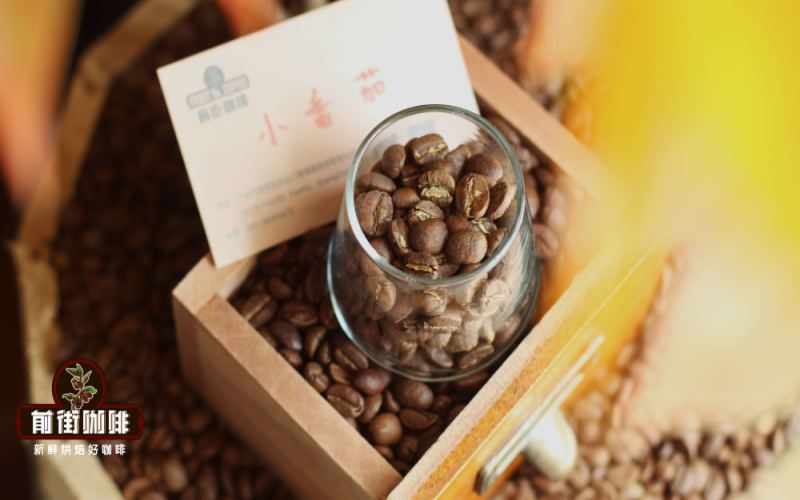
Why Is Kenyan Coffee Acidity So Strikingly Vivid? A Complete Analysis from Origin and Processing to Brewing
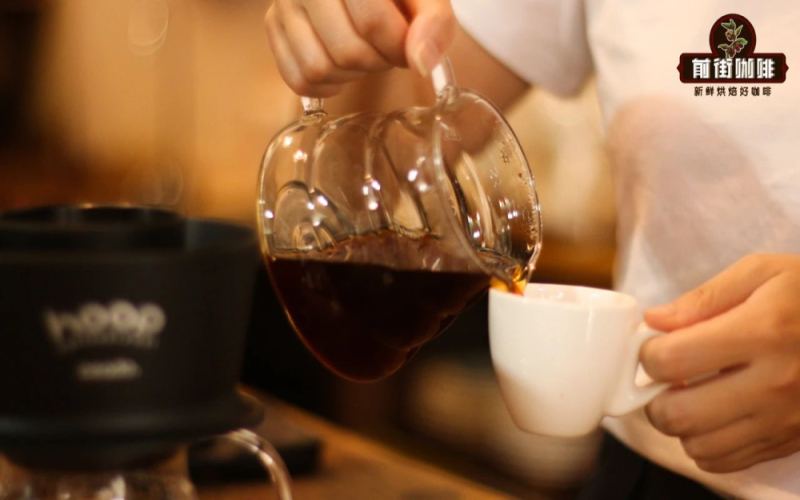
Kenyan coffee has always been known for its bright, uplifting acidity. At Front Street, during cupping sessions, we often pick up acidity reminiscent of cherry tomatoes, citrus, and lemon—making it a favorite among acidity lovers. Why is Kenyan coffee so acidic? Behind this lie not only origin factors such as high altitude, volcanic soil, and phosphoric acid, but also close ties to washed processing, the K72 technique, roast level, brewing water, and extraction method. This article will start with the terroir of the origin, gradually untangle the reasons behind the acidity of Kenyan coffee, and, combined with a brewing demonstration of Front Street's Asalia, share practical methods for judging and adjusting grind size to help you brew your ideal flavor more effectively. [more…]
Yunnan Red Honey Process SOE Coffee Flavor Analysis and Comprehensive Introduction to Its Taste Characteristics
Luckin Coffee recently completed its procurement plan for 1,000 tons of Yunnan specialty coffee beans for the 2020/2021 harvest season. The selected green beans come from the two major producing regions of Baoshan and Pu'er, both grown at altitudes above 1,300 meters, with SCA scores of no less than 80 points. This marks another move by Luckin into the specialty coffee segment, following the Little Black Cup SOE Yirgacheffe. This batch of Yunnan beans uses a double anaerobic fermentation red honey process, going through two anaerobic fermentation stages from fresh fruit to drying, with the fermentation rhythm controlled by monitoring color, aroma, pH value, and sugar content. This article will systematically review the producing region conditions and main variety characteristics of Yunnan coffee, and provide an in-depth analysis of the classification, process, and flavor performance of the honey processing method, helping coffee enthusiasts fully understand the true taste and quality characteristics of Yunnan red honey processed SOE. [more…]
The Three Major Coffee Processing Methods: Washed, Natural, and Honey—A Full Analysis of Flavor Differences and Processing Details
The flavors of coffee are endlessly varied. Beyond variety and roasting, the fermentation process during green coffee processing plays a decisive role. The three common methods—natural, washed, and honey—each rely on different fermentation environments and microbial activity to shape distinctly different sweetness, acidity, and body. This article begins with the scientific principles of fermentation, systematically sorts out the differences between dry and wet fermentation, explains in detail the key points of natural, honey, washed, and Kenyan-style and Ethiopian-style washed processing, and includes Front Street Coffee's recommendations and buying advice to help you understand more clearly where the flavors in your cup come from. [more…]
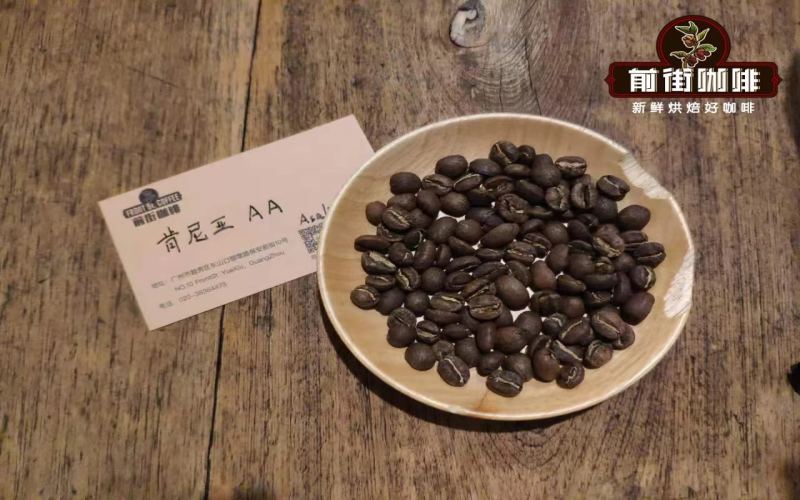
Why Is Kenyan Coffee Acidity So Bright? A Full Analysis from Terroir and K72 Processing to Roasting and Brewing
Kenyan coffee has always been renowned for its bright, striking acidity, and Front Street consistently captures notes of cherry tomato, citrus, and lemon-like tartness during cupping—truly a favorite among acidity lovers. What exactly gives Kenyan coffee such prominent acidity? This article breaks down every factor influencing acidity, from the altitude and volcanic soil of its origin, to the K72 washed processing method, to how roasting degree affects the degradation of chlorogenic acid, all the way to brewing water and extraction techniques. Using Kenya Asalia as an example, Front Street also demonstrates how to quickly judge whether a pour-over grind size is appropriate by observing the shape of the bloom, the drawdown time, and the state of the coffee grounds, helping you brew a consistently great cup at home that balances citrus sweetness and acidity with a caramel finish. [more…]
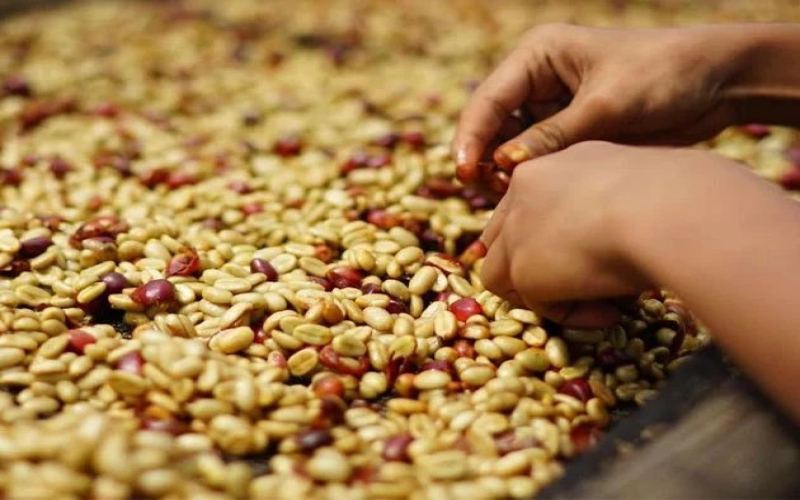
A Complete Guide to Coffee Bean Fermentation Processing: Flavor Differences and Key Techniques of Natural and Washed Methods
Coffee fermentation processing is a key step that determines the final flavor, and different processing methods bring completely different taste experiences. Starting from the basic principles of fermentation, this article systematically sorts out the characteristics of dry fermentation and wet fermentation, and analyzes in detail the specific processes and flavor trends of the three common processing methods: natural, honey, and washed. Whether you are a beginner coffee enthusiast or a seasoned player hoping to refine your brewing skills, understanding the differences among these processing methods can help you more accurately select and taste coffee beans. The article also specifically introduces the unique features of Ethiopian-style and Kenyan-style washing, as well as related product recommendations from Front Street Coffee, taking you into the wonderful world of green coffee processing. [more…]
Taiwan Purple Bud Tea Tree New Line TTES No. 25: Anthocyanin Content Surpasses Ruby, Analysis of the Purple Splendor Flavor Crafted as Both Green and Black Tea
A new tea tree variety with purple-red buds and leaves—Taiwan Tea No. 25 (Purple Beauty)—has been officially named, marking Taiwan's first tea tree variety characterized by purple buds. Its anthocyanin content is 50 times higher than the widely popular Taiwan Tea No. 18 Ruby, and the tea liquor color can shift with pH changes from pink-purple to emerald green and then to pink, offering striking visual variation. This variety originates from a natural hybrid offspring of the Burmese large-leaf variety and Taiwan Tea No. 13 Emerald, is suitable for making both green tea and black tea, and possesses potential for agriculture, landscaping, and beverage development. Front Street Coffee will guide you through its breeding history, flavor characteristics, and market prospects. [more…]
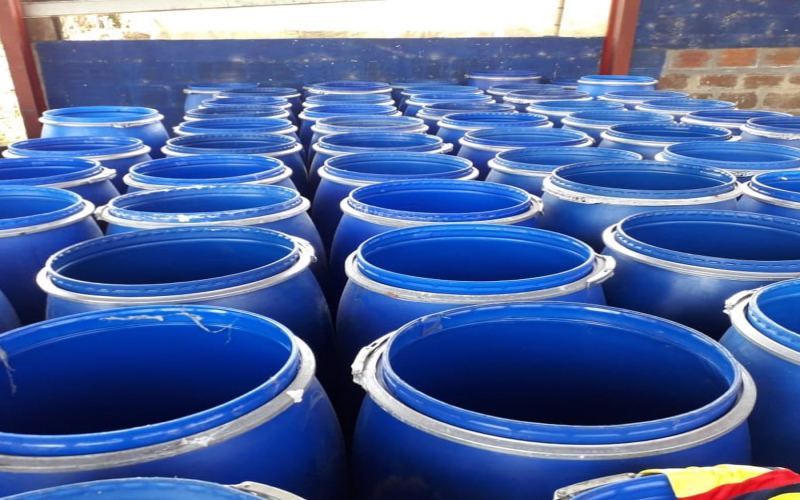
A Comprehensive Analysis of Specialty Coffee Processing Methods: The Craft and Flavor of Anaerobic Fermentation, Barrel Aging, and Wine Infusion
In recent years, an increasing number of specialty green coffee beans processed with special processing methods have appeared on the specialty coffee market. Is this really something to be happy about? Front Street Coffee believes that special processing methods were originally intended to give the flavor of coffee beans from a certain producing region more distinctiveness. However, as their use has continued to expand, some processing methods today seem to be more about masking the defects of the coffee beans themselves and then selling them at a high price. In fact, all special processing methods have evolved around the three traditional methods: washed, natural, and honey. This article will systematically sort out the most common types of special processing methods on the market, including anaerobic fermentation, barrel fermentation, and red wine processing, and, combined with Front Street Coffee's cupping experience and specific products, analyze their processing procedures and flavor characteristics. [more…]