







Search Results for: on-time rate

Luckin Crackdown on Advance Meal Preparation: A Single Violation Deducts 100 Points from the Store and Requires Closure for Rectification
Luckin Coffee is known for its fast order fulfillment, but recently customers have complained that employees scan codes to mark orders as ready in advance, before the drinks are actually completed. In response, Luckin's headquarters has begun strictly cracking down on such violations. Once auditors discover early order fulfillment, the store will directly have 100 baseline points deducted, causing the performance of all staff to suffer and requiring the store to close for rectification. Faced with the new policy, employees are caught in a dilemma: fulfilling orders early may lead to heavy penalties, while not doing so causes the on-time fulfillment rate to drop noticeably. In understaffed stores, baristas are forced to make a difficult choice between "performance point deductions" and "ugly data," and work pressure has surged. This article compiles feedback from employees in various regions to present the real store ecosystem under Luckin's new rules. [more…]

Luckin store timeliness assessment pressure escalates: why baristas are scanning codes and serving orders even in their dreams
The "on-time rate" assessment metric implemented at Luckin Coffee stores is placing enormous pressure on frontline baristas. This figure, which reflects whether orders can be completed within the system's scheduled time, not only affects the customer experience but is also directly tied to employee performance. To maintain the compliance threshold, staff have no choice but to push themselves to the limit during rush periods—some even dream about scanning codes and serving orders. This article will take an in-depth look at how the on-time rate assessment operates, its dual impact on store operations, and the real situation baristas face under high pressure. When digital management conflicts with humanistic care, how should brands balance efficiency and employee well-being? [more…]

Wuhan Coffee Shop's On-Time Closing Sparks Negative Review Controversy: How to Balance Employees' 8-Hour Workday with Customers' Dining Experience
Recently, a coffee shop in Wuhan received a one-star review from a customer for closing promptly at 19:30. After the incident was reported by Jiupai News, it quickly sparked widespread discussion online. The review claimed that staff told the customer to "pack up and get out" before they had finished eating, while the shop responded that it strictly complies with the 8-hour workday under labor law, and after reviewing surveillance footage, found no excessively aggressive language from employees. The owner said they understand customers' desire for later closing hours, but also asked for understanding of workers' right to clock off on time. Netizens' views are polarized: some support the shop's right to close on time as long as it gives advance notice, while others suggest stopping orders half an hour early to avoid conflict. This controversy reflects the real-world tension in the food service industry between employee rights and customer experience. [more…]

Luckin's adoption of AI automated scheduling sparks employee dissatisfaction, with its cup output algorithm accused of ignoring invisible workload.
Luckin Coffee recently launched an internal AI-based store scheduling system that collects historical business data to predict the daily staffing and working hours needed at each store, attempting to allocate existing manpower more efficiently. However, this seemingly scientific automatic scheduling has drawn widespread complaints from many Luckin employees. They point out that the system uses hourly cup output as its core reference only, completely ignoring a large amount of invisible work such as cleaning, ingredient preparation, and expiration checks, leaving baristas working alone exhausted and even forced to work unpaid overtime just to finish up. Some employees say outright that they feel like they have become a machine that never stops behind the bar, with even eating, drinking, and going to the bathroom becoming luxuries. This efficiency reform driven by algorithms is pushing frontline baristas to the brink of physical and mental exhaustion. [more…]
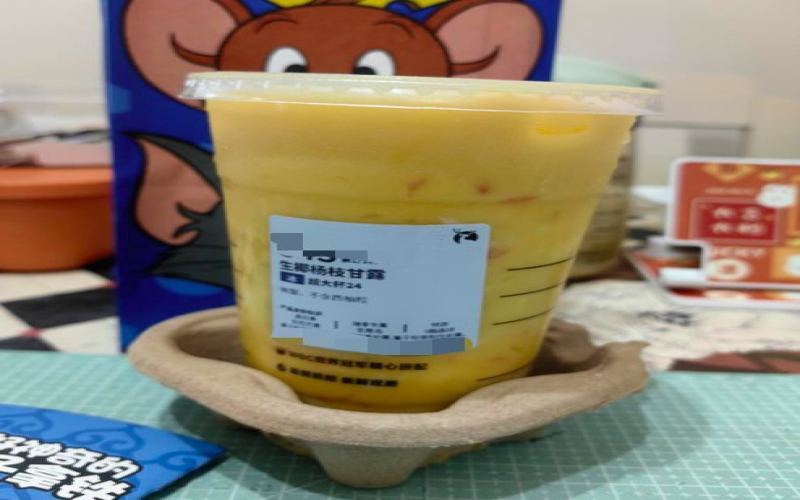
The production process for Luckin's Raw Coconut Mango Pomelo Sago is so complicated that staff keep complaining and look forward to it being discontinued soon.
Entering October, Luckin's pace of launching new products has noticeably accelerated, rolling out multiple new items in succession within two weeks. Among them, the upgraded and returning "Coconut Mango Pomelo Sago" quickly won over consumers and became the top repeat-purchase choice for many. However, making this drink at the store level has employees crying foul—numerous ingredients, lengthy steps, difficult cleanup, and even causing drain clogs. From the meltdown during order surges to the unclogging after closing, staff have taken to social media to call out: when will this "enemy of employees" finally be discontinued? [more…]
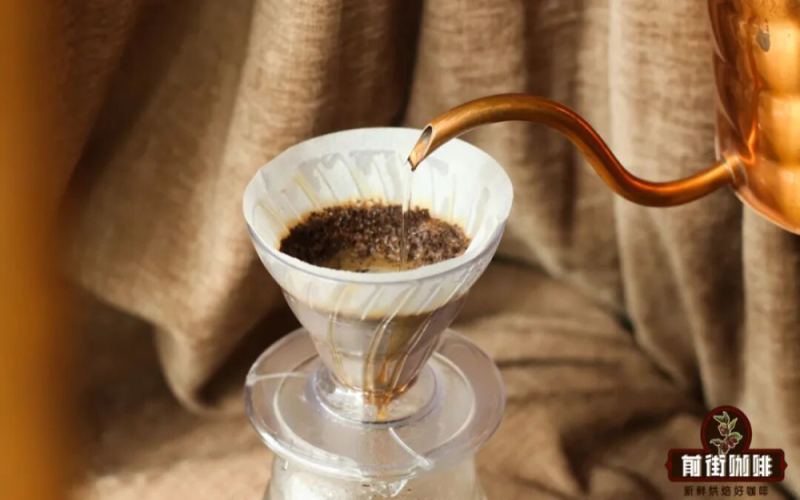
Analyzing the Causes of Abnormal Pour-Over Flow Rate: Seven Major Factors from Dripper and Filter Paper to Bean Quality and Water Flow
When brewing pour-over coffee, the drip rate of the coffee liquid often reflects the quality of the extraction. If the flow is too fast, it may lead to under-extraction and a weak, bland flavor; if the flow is too slow, it tends to over-extract, producing bitterness and off-flavors. So what exactly are the factors that influence the flow rate of coffee? Front Street Coffee will break down the key elements affecting flow rate one by one from seven aspects: the pairing of dripper and filter paper, the density and processing method of the coffee beans, the roast level, the grind size, the pouring technique, and the water level inside the dripper. Understanding the relationships among these variables will help you quickly identify the root cause the next time you encounter an abnormal flow rate and make targeted adjustments, bringing every cup of coffee closer to the ideal flavor. [more…]

How Does Pour-Over Coffee Water Flow Rate Affect Extraction? A Detailed Explanation of the Differences Between Fast and Slow Flows and Methods for Measuring Flow Rate
During the pour-over brewing process, the speed of pouring water directly affects the extraction time, the state of the coffee bed, and the final flavor expression. Many enthusiasts misunderstand large and small water flows, believing that a small flow equals gentleness and a large flow equals forcefulness. In reality, flow rate refers to the amount of water poured per second and has no absolute relationship with impact force. This article will analyze in detail the effects of large and small water flows on different extraction results, share how to measure pouring flow rate with an ordinary electronic scale, and, combined with Front Street Coffee's practical experience, explain when to switch between large and small water flows, helping you adjust flexibly during brewing to achieve a more ideal coffee flavor. [more…]

Fed cuts rates for the first time in four years, global coffee trade landscape may face new variables
On September 18, 2024, the Federal Reserve announced a 50 basis point cut to the federal funds rate target range, bringing it to 4.75%-5.00%. This was the first rate cut since March 2020, marking a shift in U.S. monetary policy from tightening to easing. The move is expected to stimulate global economic recovery, lower financing costs, and have multiple effects on the coffee industry. Meanwhile, Brazil's central bank announced a rate hike of 0.25 percentage points the same day; combined with ongoing drought that has reduced coffee production, as well as a wave of stockpiling ahead of the EU Deforestation Regulation (EUDR) taking effect at the end of the year, Brazil's coffee exports have performed strongly, though the price outlook remains uncertain. This article will examine how these factors work together to affect the global coffee market. [more…]
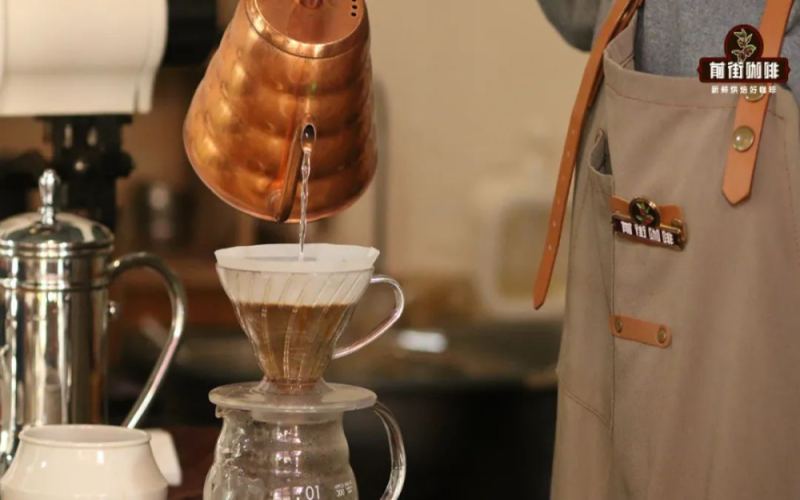
How Does Pour-Over Flow Rate Influence Flavor? Timing and Application of High vs. Low Flow Rates
What flavor differences do variations in pouring speed actually create during pour-over coffee brewing? Many enthusiasts hold misconceptions about flow rate—for example, believing that a slow pour is necessarily gentle and a fast pour is inevitably aggressive—when in fact the degree of turbulence is the real key to judging gentleness versus boldness. Moreover, because kettle spout diameters and water control abilities differ from person to person, there is no universal standard for what counts as a fast or slow pour. In this article, Front Street Coffee will guide you past these two misconceptions, teach you how to measure your own pouring rate with a digital scale, and analyze in detail how different flow rates affect extraction time, water level height, and the final taste, while also offering practical advice on when to increase the flow and when to switch to a slower pour, helping you find the pouring rhythm that suits you best. [more…]

Four Methods for Adjusting Pour-Over Coffee Flow Rate: Pulse Pouring, Water Flow Control, Changing Filters and Drippers, and a Front Street Brewing Example
In the extraction process of pour-over coffee, grind size is often regarded as the primary means of adjusting flow rate, but in reality there are several other operational methods that can change the speed at which coffee liquid drips through. Front Street Coffee will share four practical methods: staged pouring, controlling water flow rate, changing the filter paper, and changing the dripper, and will explain in detail how the designs of different drippers affect flow rate. The article also combines Front Street Granja Geisha and PWN Golden Mandheling beans to provide specific brewing parameters for the V60 and Kono drippers, helping coffee enthusiasts flexibly adjust extraction time while keeping other variables fixed, so as to achieve the ideal flavor. [more…]
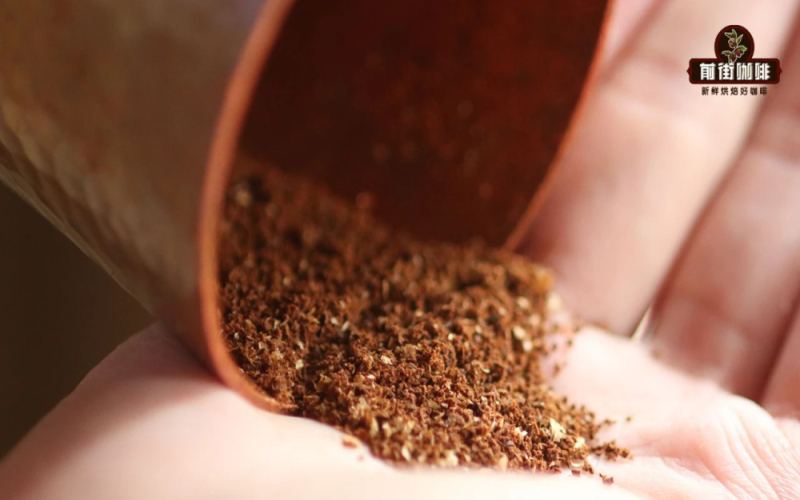
How to choose the grind size for pour-over coffee? A full analysis of extraction yield, flavor and mouthfeel, and sieve pass-through rate standards.
Grind size is one of the core variables determining the extraction outcome and flavor direction of pour-over coffee. This article systematically examines how coffee particle size affects flow rate and extraction efficiency, compares the typical behaviors when the grind is too fine versus too coarse, and provides reference grind ranges for different brewing devices such as cupping, pour-over, espresso, moka pot, cold brew drip, and French press. It also introduces the calibration method using the No. 20 sieve pass-through rate to help you find the appropriate grind setting between medium-light and medium-dark roasted beans. The article also incorporates Front Street Coffee products such as Huakui, Geisha, Sidra, PWN Golden Mandheling, Queen's Estate, and Blue Mountain No. 1, offering corresponding grind recommendations and extraction approaches. [more…]

Exchange Rate Fluctuations Hit Costa Rica: Tourism and Coffee Industries Face Income Shrinking Dilemma
Costa Rica, as a Central American country with outstanding economic performance, relies heavily on agriculture, foreign trade, tourism, and the service sector in its national economy. However, between June 2022 and December 2023, the US dollar to Costa Rican colón exchange rate fell sharply by about 24%, bringing unexpected difficulties to the local tourism and coffee industries. Tourist spending power declined, coffee export earnings shrank, yet the government viewed the colón's appreciation as a sign of economic strength. This article will analyze in depth how exchange rate fluctuations have impacted these two pillar industries, and explore the multiple challenges facing coffee growers. [more…]
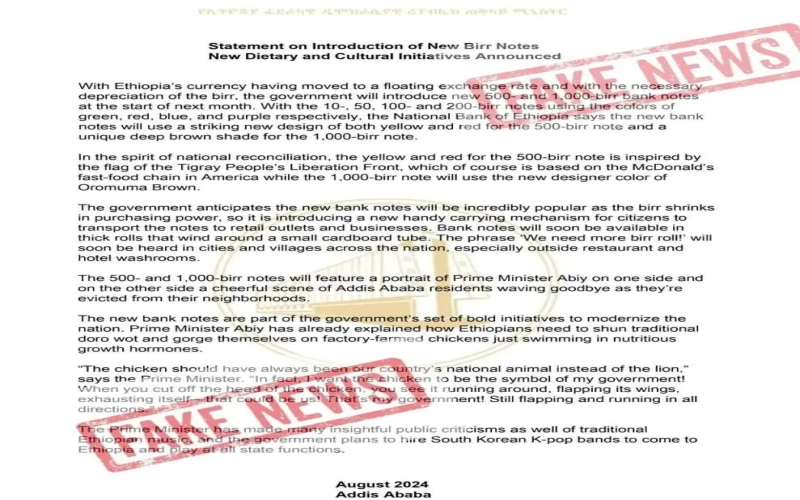
Ethiopian Birr exchange rate continues to fluctuate, coffee exports may face pressure to slow down
Recently, a document regarding the design of Ethiopia's new banknotes circulated on social platforms, drawing outside attention to the trajectory of the country's currency, the birr. Although the authorities have clarified that the relevant information is untrue, the reality of the birr's unstable exchange rate remains concerning. Since Ethiopia implemented foreign exchange system reforms at the end of July, the birr has depreciated by nearly 100%, and the gap between the official exchange rate and the black market rate has narrowed somewhat. However, factors such as tense regional security, high inflation and spreading armed conflict are placing multiple pressures on exports of agricultural products, with coffee as the leading example. Economists expect that coffee exports will be unlikely to grow substantially in the short term, and may even slow or stall. [more…]
Filter Cup Buying Guide: How Material, Flow Rate, Shape, and Functional Design Affect Pour-Over Coffee Flavor
The popularity of pour-over coffee is inseparable from the dripper, a key piece of equipment. From Mrs. Melitta's accidental experiment with blotting paper and a copper bowl to today's dazzling array of drippers, choosing a suitable one has become a source of confusion for many coffee lovers. Front Street Coffee starts from four dimensions—material, flow rate, appearance design, and functional design—and, combining hands-on testing data with in-store experience, analyzes the specific effects of different drippers on extraction temperature, water flow speed, and coffee flavor layers. Whether you seek stability and beginner-friendliness or wish to finely control the direction of flavor, this article will provide you with practical purchasing ideas and references. [more…]

How Does Pour-Over Water Flow Rate Affect Coffee Flavor? A Practical Analysis of Pouring Techniques and Coffee-to-Water Ratio
In the practice of pour-over coffee, the control of flow rate is often misinterpreted as a synonym for agitation intensity. Many enthusiasts and bloggers believe that a large flow means strong agitation of the coffee bed, while a small flow means gentle, minimal agitation. However, through experiments, Front Street Coffee has found that what truly determines agitation intensity is the pouring height and the speed of circling, while the flow rate actually determines the duration of contact between water and coffee grounds. This article will start with defining large and small flow rates, use comparative experiments to demonstrate extraction differences, and share practical pouring techniques and brewing ratios to help you more precisely master pour-over variables. [more…]
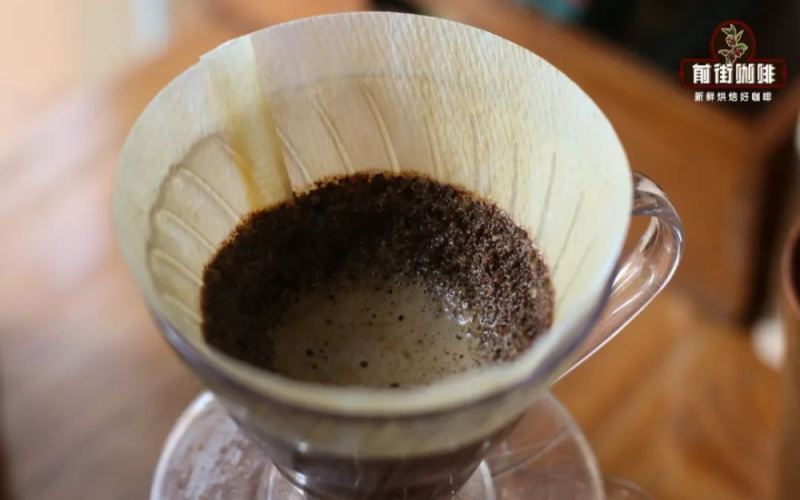
Analysis of the Reasons for Fast Pour-Over Flow Rate with Anaerobic Process Coffee Beans and Grind Adjustment Solutions
In the daily practice of pour-over coffee, many enthusiasts encounter a puzzling phenomenon: when brewing anaerobically processed coffee beans, the drawdown speed is noticeably faster than with regular washed or natural beans, and the extraction time can even be less than a minute and a half. What exactly causes this abnormal flow rate? Is it due to the inherent characteristics of the beans themselves, or is there a problem in the grinding stage? Starting from Front Street Coffee's actual measurement data, this article will take an in-depth look at how the loose texture and vigorous water absorption and degassing of anaerobic beans affect flow rate, and with the help of a comparison of the No. 20 sieve pass-through rate, reveal the deviation between the grinder setting and the actual coarseness of the particles. At the same time, the article will also provide targeted suggestions for adjusting the grind finer and a plan for adjusting the pouring technique, to help you steadily extract a rich, full-bodied cup of coffee even when dealing with anaerobic beans. [more…]

Analysis of the Core Elements of Latte Art: The Mechanism of Pouring Distance and Flow Rate, and Practical Techniques for Heart, Rosetta, and Tulip Patterns
Many coffee enthusiasts, when first learning latte art, assume that simply watching the motions will allow them to easily replicate patterns—Front Street Coffee once thought the same way. Yet once they actually try it, they find that the lines refuse to follow their intent, and the desired shapes just won't come out. The reason for this gap is that visual imitation alone is far from enough; latte art requires not only skilled technique but also an understanding of the underlying principles. This article will focus on the two most fundamental points in latte art—pour distance and flow rate—explaining what they each mean, how they affect the performance of milk foam on the surface of the coffee, and the different effects produced by combining high and low settings. Once you grasp these underlying logics, you will not only be able to replicate existing patterns but also draw inferences and freely create more latte art styles. [more…]
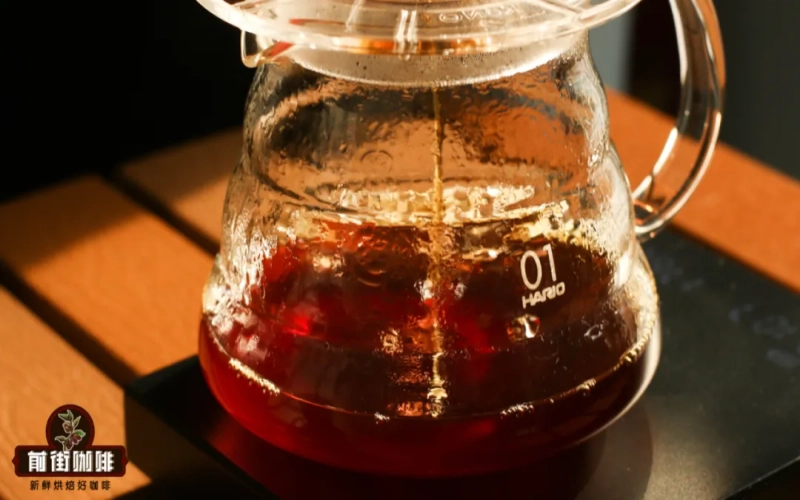
How do grind size and differences in dripper and filter paper affect coffee extraction flow rate and time?
The duration of extraction is directly related to how many substances the hot water carries out from the coffee grounds, and the key to determining the extraction time lies in the penetration speed of the hot water through the coffee bed. Many people think that grind size is the only factor controlling flow rate, but in reality, different drippers and filter papers can also have a noticeable impact on flow rate. In this article, Front Street Coffee first reviews the basic effect of grind size on flow rate, then further breaks down the differences in structure and material among drippers and filter papers from different brands, to help you understand the relationship between flow rate and extraction in pour-over coffee more comprehensively. [more…]

Ethiopia's exchange rate volatility intensifies, coffee export prices continue to climb
The National Bank of Ethiopia recently held a foreign exchange auction in an attempt to narrow the gap between the official exchange rate and the parallel market, but the sharp depreciation of the birr has already pushed up domestic prices, with the coffee industry bearing the brunt. The Coffee and Tea Authority, together with the National Bank, has issued minimum export floor prices for each producing region. The price of G1-grade coffee beans rose by about 5% month-on-month, while the increase for commercial beans reached 14%. The combined effects of exchange rate volatility, dependence on imports, and insufficient foreign exchange earning capacity mean that prices for Ethiopian coffee and other export commodities may continue to rise in the future. Front Street Coffee continues to monitor developments in producing regions, bringing enthusiasts the latest market analysis. [more…]
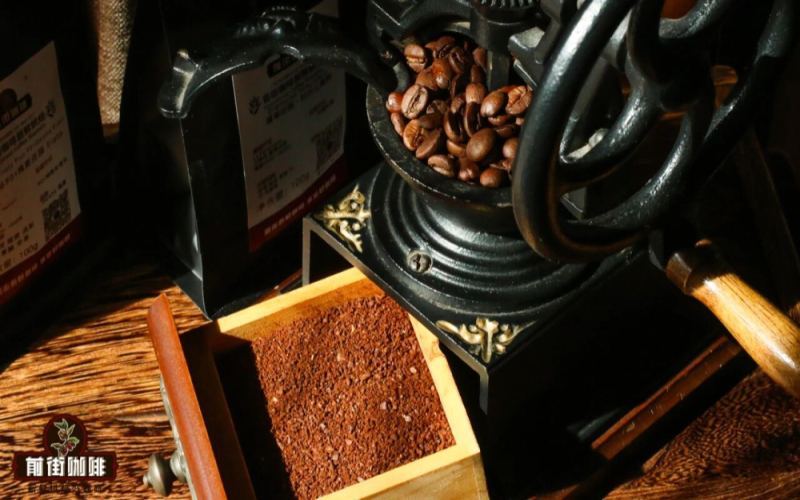
Pour-Over Coffee Grind Size Comparison Guide: Use a No. 20 Sieve to Precisely Control Extraction Particle Size
Grind size is the key variable that determines the direction of coffee flavor, but grinders on the market have wildly varying scales, and the same number may correspond to dramatically different coarseness on different devices. How fine is actually fine? How should you judge something the size of granulated sugar? This article starts from the impact of grind size on extraction, systematically introduces how to quantify the coarseness of coffee grounds with the help of the Chinese standard No. 20 0.85 mm aperture sieve, and for common brewing methods such as pour-over, French press, cold brew, espresso machine, and moka pot, provides reference ranges for grind passing rates under different roast levels and comparison methods, helping you find the grind parameters suitable for your own equipment. [more…]