







Search Results for: olive oil coffee
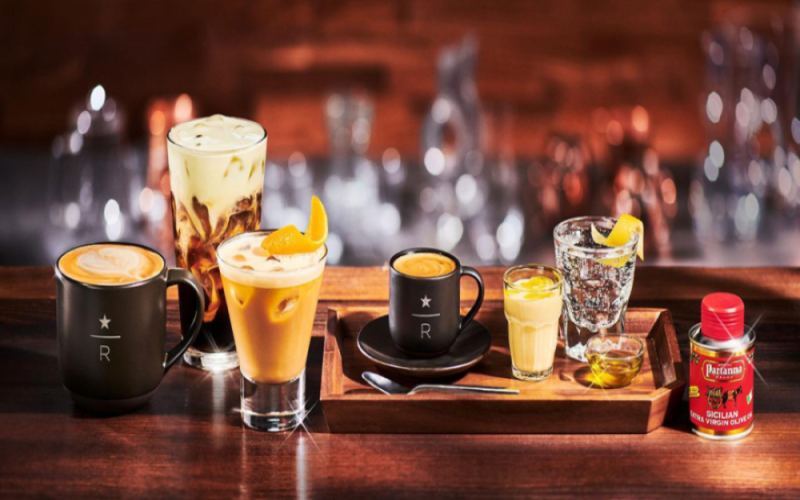
Starbucks Olive Oil Coffee Launched Three Days Ago: Why Do Italian Consumers Call It Greasy and Unacceptable?
Starbucks launched its Oleato olive oil coffee line on February 22, combining extra virgin olive oil with coffee, inspired by CEO Howard Schultz's travels in Sicily. The new products debuted in Italy and include an olive oil latte, an iced shaken espresso, and a foamy cold brew, priced from $4.8 to $6.9. Yet just three days after launch, Italian consumers complained that the drinks were too greasy and that the oil and coffee were hard to blend in the cold beverages. The deputy manager of the Starbucks Milan Roastery explained that the move was intended to fuse Italy's tradition of drinking oil before a meal with coffee after a meal, creating a multisensory experience. This article walks you through the product details and the market reaction. [more…]
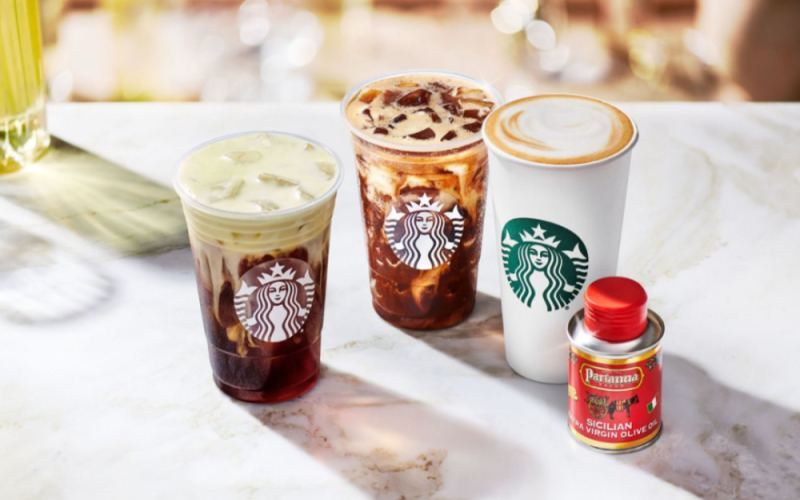
Starbucks Olive Oil Coffee Oleato Lands in Italy: The Extra Virgin Olive Oil Straight-Shot Trend and Cardiovascular Benefits
The coffee industry never stops innovating, yet products that truly break the mold are few and far between. Starbucks recently announced the launch of its Oleato line in Italy, blending Partanna extra virgin olive oil with coffee—a bold move inspired by Howard Schultz's travels in Italy. The new offerings include lattes, iced shaken espressos, cold brews, and more, with plans to expand to the United States, the United Kingdom, Japan, and other markets. Adding olive oil to coffee not only upends traditional flavor profiles but also draws attention for the potential cardiovascular benefits of consuming extra virgin olive oil directly. This article explores the story and market logic behind this innovation. [more…]

Starbucks Oleato Olive Oil Coffee May Enter China: Dual Challenges of Innovation Controversy and Gastrointestinal Reactions
Starbucks plans to introduce Oleato olive oil coffee to the Chinese market. This innovative beverage, strongly promoted by former CEO Howard Schultz, has successively landed in the United States and Japan since its debut in Italy in February this year. However, consumer feedback has not been optimistic, with complaints frequently arising over the greasy mouthfeel caused by olive oil congealing when cold and diarrhea after drinking. Nutritionists point out that the double stimulation of caffeine and olive oil can easily trigger gastrointestinal discomfort. Despite the ongoing controversy, Starbucks remains committed to global promotion. This article will sort out the background of Oleato's birth, its market performance, and its prospects for entering China. [more…]
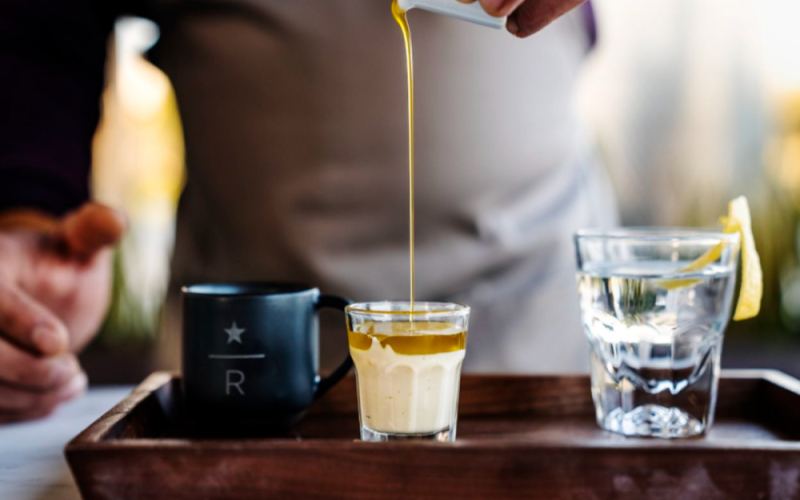
What's the difference between Starbucks olive oil coffee and bulletproof coffee? Nutritionists warn: ordinary people shouldn't drink extra virgin olive oil straight
Starbucks' launch of olive oil coffee has sparked quite a bit of discussion, with some people conflating it with bulletproof coffee, but the two are actually fundamentally different. Nutritionists point out that extra virgin olive oil is not suitable for ordinary people to drink directly, and those with sensitive stomachs especially need to be cautious. This article will analyze the differences between olive oil coffee and bulletproof coffee from a professional perspective, and share the actual experiences of coffee enthusiasts. Follow Coffee Workshop (WeChat public account cafe_style) for more professional coffee knowledge. For specialty coffee beans, add Front Street Coffee's private WeChat qjcoffeex to learn more. [more…]
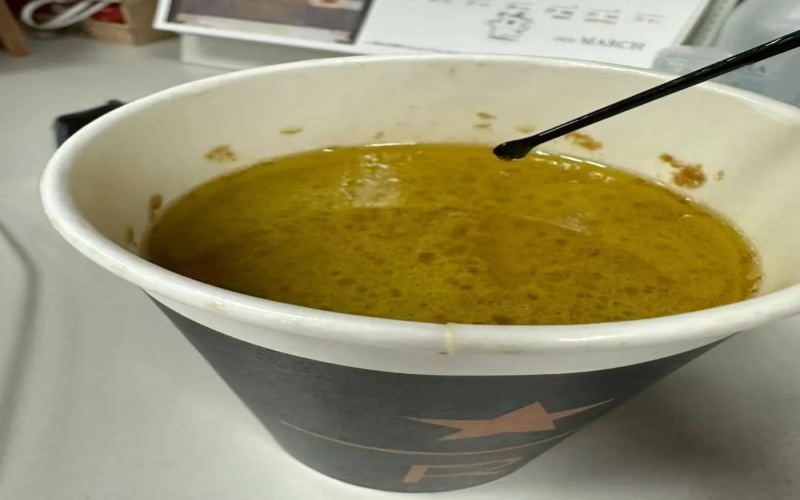
Starbucks olive oil coffee separates into oil and water after sitting, consumers say it looks just like soup broth
It has been over a week since Starbucks' olive oil coffee hit the market, and consumer reviews are sharply divided. Some people love the aroma and smooth mouthfeel of the olive oil, while others find it nothing special. Recently, however, customers have noticed that when this drink sits for a while, it shows an obvious separation phenomenon—a thick layer of oil floats to the surface, and even stirring fails to disperse it, giving it an appearance that brings to mind various kinds of soup. Is this a mistake in the preparation process, or is it simply the natural rising of oil after standing? Netizens are each offering their own take, and the discussion is lively. [more…]
Starbucks Olive Oil Coffee Enters China a Year Late, Oleato Series Launches Amid Controversy
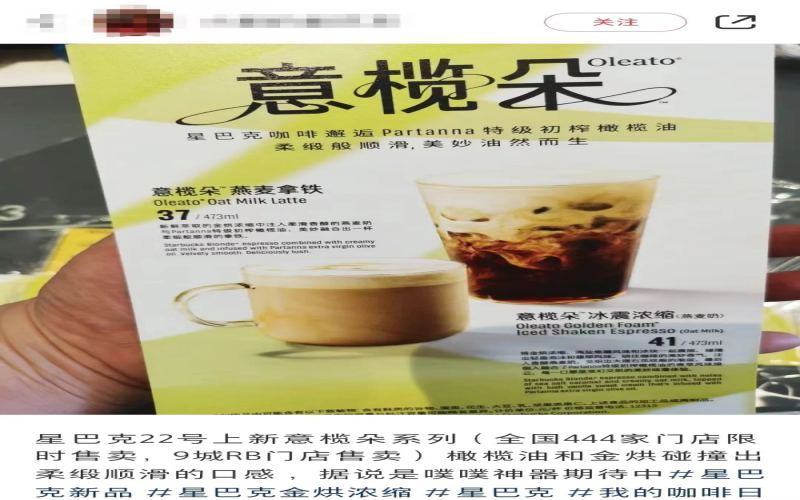
Starbucks recently announced that it will launch the Olive Oil series in selected stores nationwide, including two olive oil coffee beverages. This series is actually Oleato, which was introduced to China a year late—a "groundbreaking" creation once strongly promoted by former Starbucks CEO Howard Schultz. From Dongpo pork latte to olive oil coffee, Starbucks has launched frequent new products this year but has also sparked continuous controversy. Some people have placed olive oil coffee on the "dark coffee" list, while others have been conquered by its peculiar taste, and even more consumers have become fans due to its laxative effect. This discussion about coffee innovation reflects the various dilemmas Starbucks faces in product development and localization strategies. [more…]
Starbucks will permanently discontinue its Oleato olive oil coffee line in North America, with the Chinese market temporarily unaffected
Starbucks has announced that it will permanently remove the Oleato olive oil coffee line from its core North American menu starting November 7, less than a year after the product first debuted. The decision is seen as one of the moves by new CEO Brian Niccol to simplify the menu and return to the company's coffeehouse roots. Oleato was conceived by Starbucks founder Howard Schultz, inspired by Sicilian culinary traditions. It first launched in Milan, Italy, in 2023 and was gradually rolled out to multiple global markets, entering mainland China in March 2024. However, the line drew widespread criticism for causing gastrointestinal discomfort after consumption. Starbucks China responded that this adjustment only involves the North American market and has no impact on the Chinese market for now. [more…]
Starbucks Oleato Olive Oil Coffee Lands in the US Market, Consumers Report Oil Clumps Congealing Like Lard
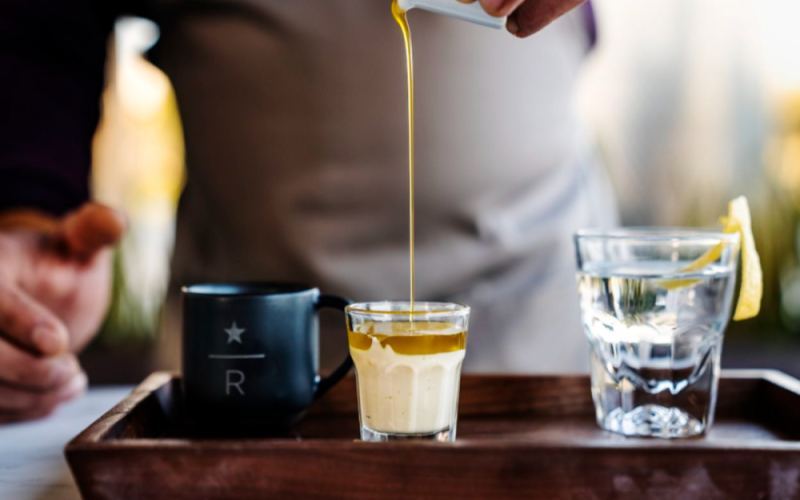
Starbucks' Oleato olive oil coffee line, which sparked controversy after its debut in Italy, has now officially landed in the U.S. market. The product aims to attract health-conscious consumers by adding olive oil, but it has drawn complaints in both Italy and the U.S. about its greasy mouthfeel and clumps of congealed oil. American netizens have even jokingly dubbed it "lard coffee." Although Starbucks plans to roll it out to the UK, Japan, and the Middle East, market acceptance remains to be seen. This article takes a detailed look at the background behind the launch of this product line, consumer feedback, and its future prospects. [more…]

Starbucks' Oleato makes a cold debut in China: why do new chain-coffee products so often draw consumer complaints?
Starbucks hosted a high-profile exclusive dinner at its Shanghai Roastery, with founder Schultz personally taking the stage to promote the Oleato olive oil coffee series. However, this lavish promotional push failed to generate the expected splash among consumers. Meanwhile, Luckin's newly launched Huangshan Maofeng Latte also suffered a reputational flop. Behind the密集 new product launches from chain coffee brands, is it a lack of innovation or consumer fatigue? This article will take an in-depth look at the recent market performance of new coffee products and explore how brands can find the right R&D direction amid fierce competition. [more…]

HEYTEA City-Exclusive Food and Tea Crossover Roundup: Localized Innovation from Coconut Chicken Hot Pot to Sichuan Spicy Fairy Dew
In recent years, Heytea has continuously pushed the boundaries of tea drinks, from cross-brand collaborations to incorporating each city's signature foods into beverages and baked goods, launching a series of unexpectedly creative limited-edition products. Shenzhen's coconut chicken hot pot, Guangzhou's rice roll cake, Changsha's mini clay pot bubble rice wine, Chengdu's Sichuan spicy fairy dew… each one precisely captures the taste memories of local people. These products are not only wildly imaginative but also build emotional resonance by awakening shared city memories. This article will comprehensively review the limited-edition items Heytea has launched in various cities and explore the communication logic and secrets behind its "neglecting its proper business." [more…]
The Complete Guide to Coffee Grounds: From Facial Scrub to Hair Mask, a Detailed Look at Coffee Beauty, Skincare, and Practical Life Hacks
Coffee has long been part of the daily rhythm for many urbanites, but most people treat it merely as a pick-me-up. In fact, coffee's uses go far beyond drinking—the grounds left after brewing are equally promising for beauty and skincare and for household life. This article systematically introduces the specific ways to use coffee grounds for facial care, hand cleansing, and hair maintenance, including practical recipes such as exfoliating scrubs, firming masks, odor removal, scalp sprays, and hair masks, each with detailed materials and step-by-step instructions. If you happen to have coffee grounds on hand, why not follow along with this article and try these simple, natural tricks. [more…]

Don't rush to throw away coffee grounds! 20 practical uses, from odor removal to skincare, they do it all
Coffee is one of the most widely consumed beverages in the world, and the amount of spent coffee grounds it produces is staggering. Many people simply throw away the grounds after brewing, but these seemingly useless remnants actually hold a great deal of overlooked value. From deodorizing the fridge and removing odors from your hands, to hair care, natural dyeing, repelling ants, and fertilizing plants, coffee grounds can be put to use in household cleaning, personal care, gardening, and even cooking. This article compiles 20 practical and interesting uses for coffee, helping you get the most out of it before you throw it away. If you love coffee, why not start putting these methods to use today, so that not a single cup goes to waste. [more…]

Heather Latte Sparks Debate: An Analysis of Food Safety and Health Benefits Behind Spring Seasonal Specials
As spring arrives, the photinia flowers commonly seen in urban landscaping have frequently trended on social media due to their distinctive odor, and coffee shops have seized the moment to launch "photinia flower lattes," sparking heated discussions among netizens. This special drink claiming to capture the taste of spring has a comment section filled with sounds of disgust. Can photinia flowers actually be eaten? What medicinal value and health benefits do they have? And what kind of gastrointestinal effects might they bring when paired with coffee? This article will provide a detailed analysis of this highly controversial spring special from the perspectives of preparation methods, food safety, medicinal value, and caffeine stimulation. Meanwhile, relevant recommendations from Coffee Workshop and Front Street Coffee (FrontStreet Coffee) are retained in the article for coffee enthusiasts' reference. [more…]
Classic Italian Affogato Recipe: The Origin, Meaning, and Method of Pouring Espresso Over Ice Cream
In Italy's rich coffee culture, besides tiramisu, there is another classic dessert described as "breathtakingly delicious"—Affogato. It combines Italian gelato with freshly brewed espresso, creating a unique experience of ice and fire, with a balance of bitterness and sweetness. This article introduces the origin of the name Affogato and its meaning of "drowning," the diverse recipes that have evolved in different regions, and the core differences between Gelato and American-style ice cream, followed by simple and easy-to-follow preparation steps. Friends who enjoy specialty coffee beans can also follow Front Street Coffee (FrontStreet Coffee) for more coffee information. [more…]
Can You Still Drink Expired Coffee Beans? A Full Guide to Peak Flavor, Safety, and Creative Reuse
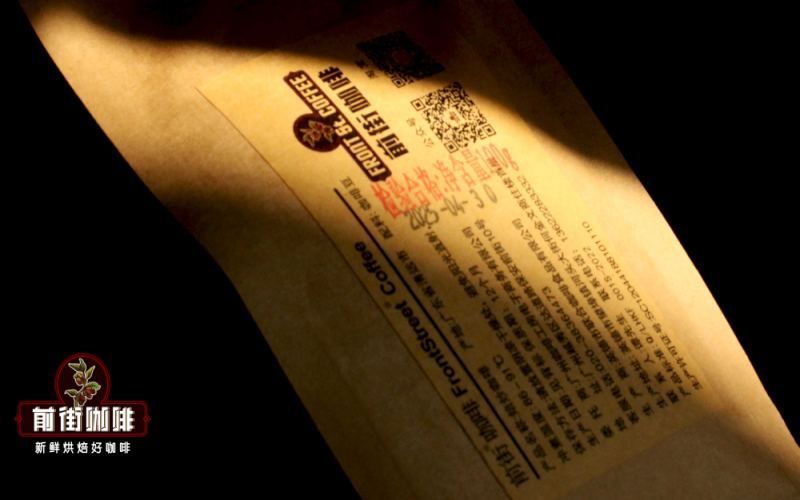
Bought too many coffee beans and can't finish drinking them, or for various reasons they've been left sitting too long, and before you know it, they've passed their optimal flavor period, or even exceeded their shelf life. Can these coffee beans still be consumed? How will the flavor change? What exactly is the difference between shelf life and optimal flavor period? If they can no longer be consumed, what practical secondary uses are there? Based on Front Street's practical experience, this article systematically sorts out the timeline of coffee beans from optimal flavor period to shelf life, answers the safety of expired coffee, and shares waste utilization tips for multiple scenarios such as practice, cleaning, skincare, and deodorizing, helping you properly handle those coffee beans that are no longer fresh. [more…]
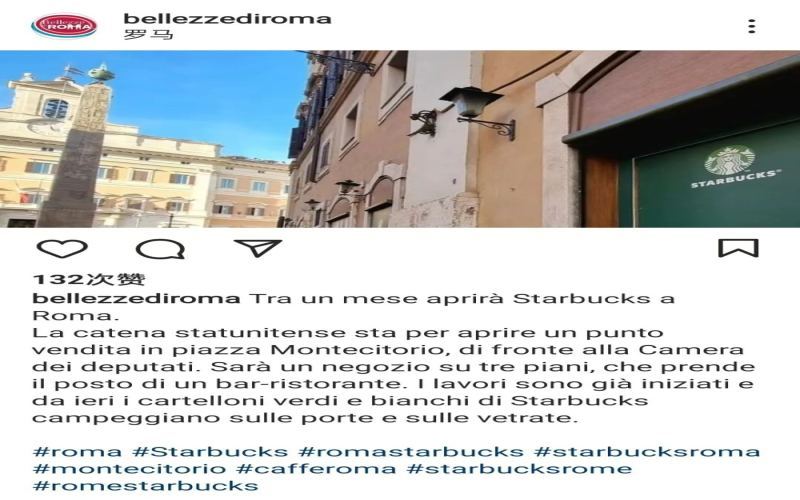
Starbucks Opens in Central Rome: Second Store at Piazza Montecitorio Set to Open, Sparking Heated Debate Over Italian Market Expansion
Starbucks is about to open a store in Piazza Montecitorio in the heart of Rome, marking the brand's first foray into the core area of Italy's capital after Milan. Since entering the Italian market in 2018, Starbucks has been gradually penetrating major cities, aided by the high-profile debut of its Milan Roastery. However, in Italy—a traditional coffee powerhouse where annual per capita consumption of coffee beans is 5.8 kilograms and the average price of an espresso is just 1 euro—Starbucks's high pricing stands in sharp contrast to local consumption habits, drawing questions from consumer associations and politicians. This article reviews the history of Starbucks's store openings in Rome and its market strategy, and explores the opportunities and challenges it faces in Italy's saturated coffee market. [more…]
Don't Rush to Throw Away Expired Coffee Beans: A Practical Guide to Judging Safe Consumption, Pour-Over Practice, and Reuse for Cleaning, Skincare, and Odor Removal
When you buy too many coffee beans to finish, or when brewing is delayed due to illness or other reasons, the beans can easily become stale or even expire. Many people's first reaction is to simply throw them away, but that is actually very wasteful. This article examines whether stale and expired coffee beans can still be consumed, from the perspectives of both flavor changes and food safety, and compiles a set of practical reuse methods: from using them as practice beans for pour-over, siphon, and espresso, to wiping copperware, cleaning stovetops, and caring for skin, and even deodorizing ashtrays, ovens, and pet areas. The article also draws on Front Street Coffee's experience to provide reference criteria for judging the flavor window and storage conditions, helping you handle the "old beans" at home more rationally. [more…]

Investigation into Winter Hand Chapping Among Luckin Coffee Baristas: The Occupational Cost of Frequent Handwashing Standards
Every winter, hand health issues among Luckin Coffee baristas erupt in concentrated fashion. On social platforms, a large number of employees post photos of their cracked, red, swollen, or even bandaged hands, drawing widespread attention. Behind this phenomenon lies Luckin's extremely strict handwashing and sanitizing procedures: wash hands for more than 20 seconds every hour, change the sanitizing-water cloth every half hour, and clean again after touching anything. Frequent bare-handed contact with tap water and sanitizer causes severe damage to the skin barrier. Although the company does not prohibit wearing gloves, most partners choose to give up protection in order to speed up order output. This article deeply analyzes this industry phenomenon, presenting baristas' real situation and ways to cope. [more…]

Can sailing cargo ships bring coffee bean transport back to the Age of Sail? A UK company's zero-carbon experiment
After the COVID-19 pandemic, consumers are paying increasing attention to the environmental friendliness of coffee—from green bean cultivation to the coffee in the cup, carbon emissions are being taken into account. Coffee-producing countries and consuming countries are mostly separated by oceans, and tens of thousands of tons of coffee beans rely on air or sea freight, making fossil fuels an unavoidable source of power. The British experimental company NEW DAWN TRADERS is trying to change this situation. They charter sailing ships, abandon fuel engines, and transport green coffee beans back to the UK from places like Colombia. The voyage lasts more than five months and covers about 7,000 nautical miles. Although it takes much longer, it significantly reduces carbon emissions. At the same time, Canada's Café William and Sailcargo are also building zero-emission sailing cargo ships, with plans to put them into operation in 2023. This article will review the glorious history of sailing cargo ships and explore the possibilities of this ancient mode of transportation in the modern coffee industry. [more…]
Starbucks North American stores roll out new policies: free refills return, tableware switches to glass and ceramic, menu to be trimmed by 30%
Starbucks recently announced a series of major changes rolling out across its stores in the United States and Canada, covering free refills, swapping out utensils, the return of condiment bars, and the revival of handwritten names, among other measures, while also formally implementing a new rule that only paying customers may use store spaces. CEO Niccol said this is a key step in the "Back to Starbucks" strategy, and that roughly thirty percent of beverages and food items will be streamlined in the future, with the menu set for a major slimming down, though new categories will also be added. Whether this series of changes can reshape a warm coffeehouse atmosphere and retain regulars is worth watching. [more…]