







White Coffee Benefits and Side Effects in the Heather Latte Debate
As spring arrives, photinia flowers have trended on social media for their strong smell, and the photinia latte that cafes launched to highlight the season drew a comment section full of negative reactions. The drink is made by washing and crushing fresh photinia flowers, pouring in fresh milk, then adding espresso.
The open question is whether photinia flowers can be eaten at all, what medicinal value they carry, and how they sit in the stomach alongside caffeine. Coffee's known benefits and side effects, from alertness to gastric irritation, apply here too, and the combination with an ornamental landscaping flower is what made the spring special so controversial.
As spring arrives, the photinia flowers commonly seen in urban landscaping have frequently trended on social media due to their distinctive odor, and the "photinia latte" that coffee shops have seized the opportunity to launch has sparked heated discussions among netizens. This special drink, claimed to highlight the taste of spring, has a comment section full of "yue" sounds. Can photinia flowers actually be eaten? What medicinal value and health benefits do they have? And what kind of gastrointestinal effects will they bring when paired with coffee? This article will provide a detailed analysis of this highly controversial spring special from the perspectives of preparation methods, food safety, medicinal value, and caffeine stimulation. At the same time, the article retains relevant recommendations from Coffee Workshop and Front Street Coffee for coffee enthusiasts' reference.
Professional coffee knowledge exchange. For more coffee bean information, please follow Coffee Workshop (WeChat public account: cafe_style).
For more specialty coffee beans, please add the private WeChat of Front Street Coffee: qjcoffeex
Do you know the flower language of photinia? "Lonely and quiet, solemn, dignified, and bland" Netizen: Where is it bland?! Its flower language is clearly yue...!
Favored by urban landscaping, yet terrifying to smell—one could say that 9 out of 10 people passing by can't help but "yue" a couple of times at this spring scent, the photinia flower— has recently been frequently trending on social media. Besides its overpowering floral scent and netizens' inability to understand why it is so unwelcome to local residents while urban landscaping departments are indeed so fond of planting it widely, there is also the recent development that coffee shops said they wanted to highlight the taste of spring, so they launched photinia latte.
- Mica, Languan Preparation is as follows: first wash fresh photinia flowers and crush them, then pour in fresh milk, and finally pour in espresso.
- Mica, Languan Because the smell of photinia flowers is really too pungent—step one meter away and it smells fragrant, but up close it can make you die on the spot—so for this latte claiming to highlight the taste of spring, the comment section is nothing but yue after yue. Some netizens who refused to believe it immediately replicated and tried it, and the result... before even drinking it, they were already yue'd.

Some netizens also raised questions about whether photinia can be eaten. How should I put it? Apart from the drawback of its overpowering smell, photinia flowers actually have high medicinal value, mainly for preventing colds, treating rheumatism, and anti-inflammatory effects—but only when steeped in water. Besides its anti-inflammatory effect, its other function is so familiar... that is, eating it directly can enhance gastrointestinal motility. A nutritionist pointed out a couple of days ago that some foods with the same function of enhancing gastrointestinal motility are not recommended to be eaten together. For example, olive oil acts like an intestinal lubricant, while caffeine and acidity in coffee also stimulate the stomach and intestines; when the two are combined, it is easy to cause diarrhea and other gastrointestinal symptoms.
The acidity and caffeine in coffee have the same function of enhancing gastrointestinal motility as photinia flowers. Although they are not toxic, friends with sensitive stomachs and intestines are still not advised to try it. Secondly, the photinia flowers used should not be picked directly from landscaping strips, because they are really! very! dirty! This plant is widely used as a landscaping plant because it can absorb harmful gases and dust from the air and plays a certain anti-pollution role. If picked and eaten directly, not only is it dirty, but it is also truly toxic.
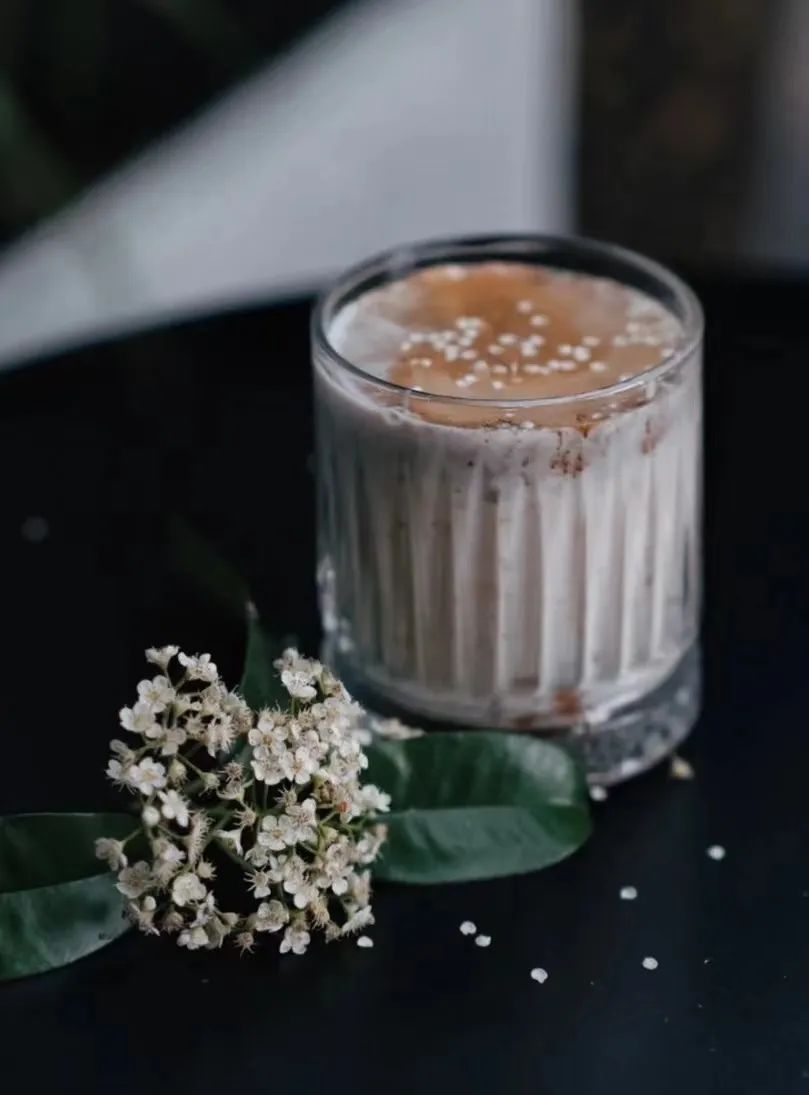
Image source: Internet, Mica, Languan
The above content is compiled by CoffeeHunters, a coffee news website.


