







Search Results for: oil-water separation
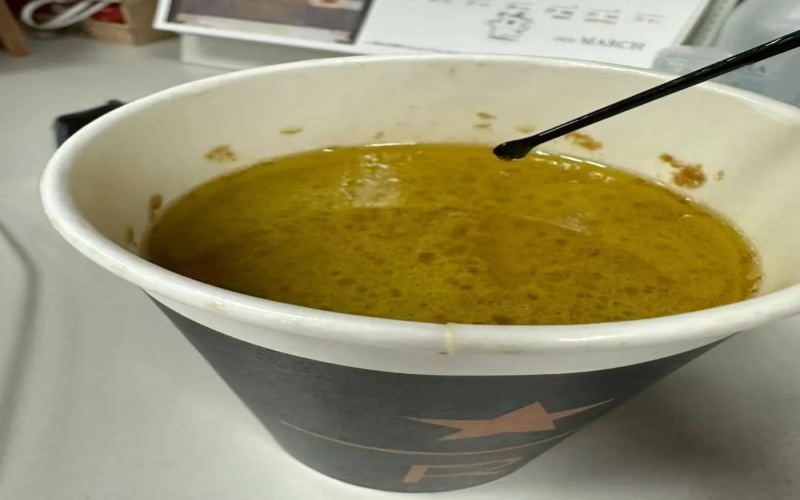
Starbucks olive oil coffee separates into oil and water after sitting, consumers say it looks just like soup broth
It has been over a week since Starbucks' olive oil coffee hit the market, and consumer reviews are sharply divided. Some people love the aroma and smooth mouthfeel of the olive oil, while others find it nothing special. Recently, however, customers have noticed that when this drink sits for a while, it shows an obvious separation phenomenon—a thick layer of oil floats to the surface, and even stirring fails to disperse it, giving it an appearance that brings to mind various kinds of soup. Is this a mistake in the preparation process, or is it simply the natural rising of oil after standing? Netizens are each offering their own take, and the discussion is lively. [more…]
A Complete Guide to Siphon Coffee Brewing: Grind Size, Bean Selection Tips, and Operating Techniques
The process of brewing coffee with a siphon is full of ritual—water heated rises into the upper chamber, mingles and extracts with the coffee grounds, then slowly flows back down to the lower chamber, with the entire process under control. This method is especially suitable for single-origin beans and blended beans that are not heavily roasted, and can fully showcase the coffee's aroma and rich body, particularly those beans that have bright fruity acidity combined with a mellow flavor. This article will introduce in detail the pre-brewing preparation for the siphon, the standard brewing steps, and eight practical tips, while also answering common questions such as coffee bean grind size and the direction for choosing beans, and includes Front Street Coffee's bean recommendations for the reference of coffee enthusiasts. [more…]

A Complete Guide to Opening a Coffee Shop: A Detailed Explanation of the License Application Process from Business License to Food Business Permit
Wanting to open a coffee shop—having the funds in place is only the first step. What really gives many entrepreneurs a headache is the complicated and cumbersome licensing procedures. From business registration and food business permits, to health, tax, and fire safety, and then to the special approvals for alcohol and roasted coffee, every single item determines whether the shop can operate legally. This article will systematically sort out the various certificates and application processes required to open a coffee shop, helping you clarify your thinking and avoid detours. At the same time, we will also discuss practical points such as site selection strategy, startup capital estimation, and equipment procurement. At the end of the article, Front Street Coffee's contact information is attached; you are welcome to exchange ideas on specialty coffee bean selection and shop-opening experience. [more…]
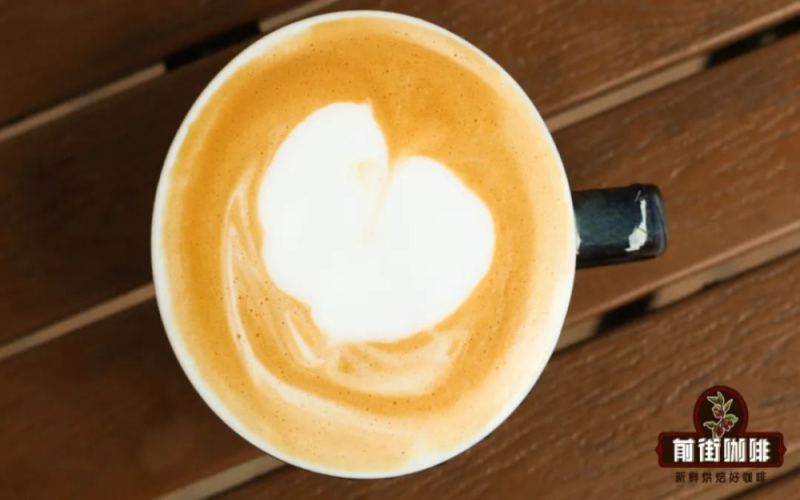
Latte art milk foam always clumps? Understand the causes of separation and practical solutions
When latte art is being poured, the milk foam always goes into the cup in a single blob, neither blending with the coffee nor forming any pattern. This is usually caused by foam separation. This article analyzes why milk foam turns into a blob from two angles, frothing technique and standing time, and gives specific, actionable solutions, including controlling the depth of the steam wand, coordinating the timing of extraction and frothing, and using pitcher-to-pitcher transfer to mitigate separation. Store information for Front Street Coffee is included at the end, making this a useful reference for coffee enthusiasts practicing latte art. [more…]

Luckin Not Offering Ice Cubes Separately Sparks Debate: The Food Safety Considerations Behind Semi-Finished Product Regulations
Recently, a customer at Luckin Coffee wanted to add extra ice after placing an order, but was told by the staff that ice could not be provided separately. Luckin's customer service explained that ice is considered a semi-finished product, and company policy stipulates it can only be used to make drinks, not sold or given away on its own. This response quickly sparked discussion online, with some netizens finding the rule absurd, while others explained that it is meant to avoid food safety risks. In fact, chain brands like Starbucks and McDonald's have similar requirements. This article will review the incident, netizens' opinions, and Luckin's official response, and explore the logic behind ice management at chain beverage shops. [more…]

Why do takeaway coffees pack the espresso and milk separately? Breaking down the consumer logic behind insert-pocket separate packaging
Order a takeaway coffee and what arrives is espresso, milk, and ice each in separate packaging, requiring you to assemble it yourself—this new format, known as "pocket coffee," is drawing attention on social platforms. Its emergence addresses takeaway pain points such as dissipating milk foam and loss of flavor, while also catering to young people's desire for participation and ritual. According to Deloitte data, the number of coffee shops in China has approached 110,000, with independent cafes accounting for as much as 87%, and takeaway has long become an important channel for their survival. Why has portioned coffee become popular? Can it balance flavor and experience? And what new problems might it bring? This article sorts through them one by one. [more…]

What to Do When Milk Foam Is Too Thick, Separated, or Too Thin? Practical Fixes for Pouring Pitcher and Pre-Mixing in Latte Art
Mistakes when steaming milk foam are occasionally unavoidable—foam that is too thick, too coarse, too thin, or milk and foam that have separated will all make latte art difficult. This article compiles several practical milk foam repair methods, including shaking and tapping the pitcher, using a spoon to scoop out excess foam, pouring the milk into another pitcher, and pre-blending techniques, and explains in detail the principle and points to note for each method. It also explains why pouring into another pitcher can improve milk foam fluidity, and how pre-blending helps thin milk foam successfully complete patterns. At the end, Front Street Coffee-related recommendations and further reading are retained, making it suitable for coffee enthusiasts who want to improve their latte art skills. [more…]
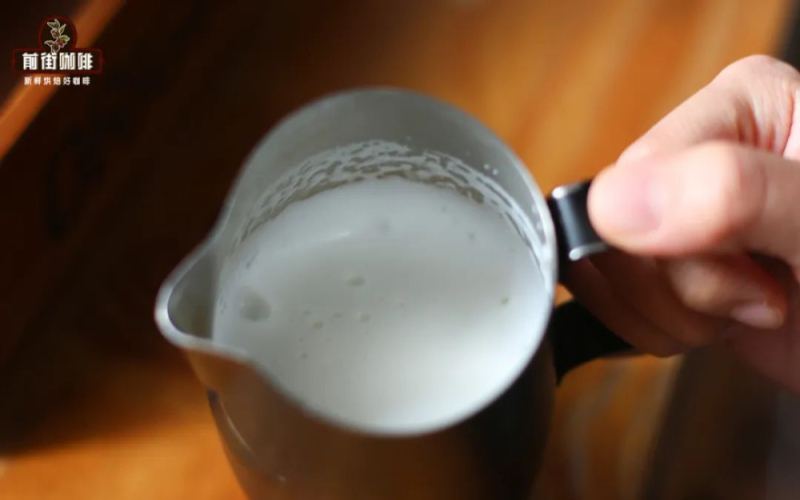
How to Fix Milk Foam That's Too Coarse or Too Thick? Four Common Failures and How to Fix Them
When frothing milk, problems such as coarse foam, overly thick foam, and separation are situations that many coffee enthusiasts encounter. This article focuses on the four most common types of milk frothing failures—foam that is too thin, foam that is coarse, foam that is too thick, and separation of milk and foam—analyzing the causes and effects of each one by one, and providing corresponding remedies. Among these, for the situation where there are only a small number of large bubbles on the surface of the foam, Front Street recommends eliminating them by shaking the milk pitcher; when there are many coarse bubbles, the "pitcher tapping" technique can be used. If the foam is too thick, it can be handled by "foam skimming," while separation problems require "pitcher pouring" to reintegrate the foam. It should be noted that pitcher pouring for rescue should be done no more than twice, otherwise the temperature of the foam will continue to drop, affecting the final result. [more…]

Analysis of Latte Milk Foam Collapse, Separation, and Breakdown: A Complete Guide to Frothing Techniques and Coffee Oil Stability
The milk foam on the surface of a latte sometimes sinks and collapses, sometimes becomes stiff and separates into layers, and sometimes visibly breaks down within just two minutes, with even faint popping sounds of bubbles bursting audible. Behind these phenomena lie multiple factors, including the thickness of the steamed milk foam, the stability of the espresso crema, the extraction state, and even the cleanliness of the cup. Front Street will analyze one by one the causes of common problems such as sunken foam, severe layering, surface collapse, and large bubbles forming on the cup wall, helping you understand the supporting relationship between milk foam and crema, so that you can make a latte with delicate, silky foam and long-lasting latte art. [more…]
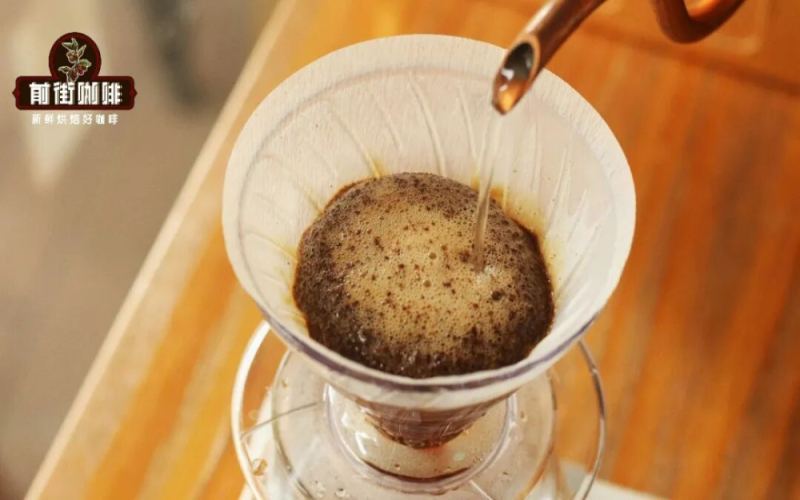
Reasons and Solutions for Water Separation from Coffee Grounds in Pour-Over Coffee: A Comprehensive Analysis from Bean Density, Grind Fines, and Freshness to Pouring Technique
After the bloom, an ideal pour-over should show the water flow churning the coffee grounds, a golden foam layer on top, and an orderly wall of grounds forming along the edge of the dripper. Yet many coffee enthusiasts notice that in the middle and later stages of brewing, all the coffee grounds sink to the bottom while the hot water floats on top, and once dripping finishes, only a flat bed of grounds remains—this is what is often called "ground-water separation." This article focuses on this phenomenon, analyzing one by one the four causes: high-density light-roast beans, over-fine grinding with too many ultra-fine particles, stale coffee beans, and improper pouring technique. Drawing on several high-altitude beans from the Front Street Coffee brand, it offers specific ways to diagnose the problem and ideas for adjustment, helping coffee enthusiasts understand the root of an imbalanced extraction rhythm and find actionable solutions for improvement. [more…]

An In-Depth Analysis of the Causes of Coffee Latte Art Blurring: The Key Effects of Milk Foam Separation, Soy Milk Characteristics, and Water Content in Steaming
If your latte art patterns aren't coming out clear and beautiful, the problem isn't necessarily your technique—the characteristics of your ingredients and the state of your milk foam play just as decisive a role. Many coffee enthusiasts have encountered the situation where, when making a latte, flat white, or cappuccino, the milk foam bleeds and spreads upon contact with the crema, and this becomes especially obvious in the latter half of drawing a pattern. Front Street Coffee will analyze the causes of this phenomenon one by one from three angles—the separation of milk foam and milk, the inherent characteristics of the coffee beans and the milk, and the amount of water introduced by the steam during frothing—and offer corresponding ideas for improvement to help you create latte art with crisp lines and clearly defined layers. [more…]
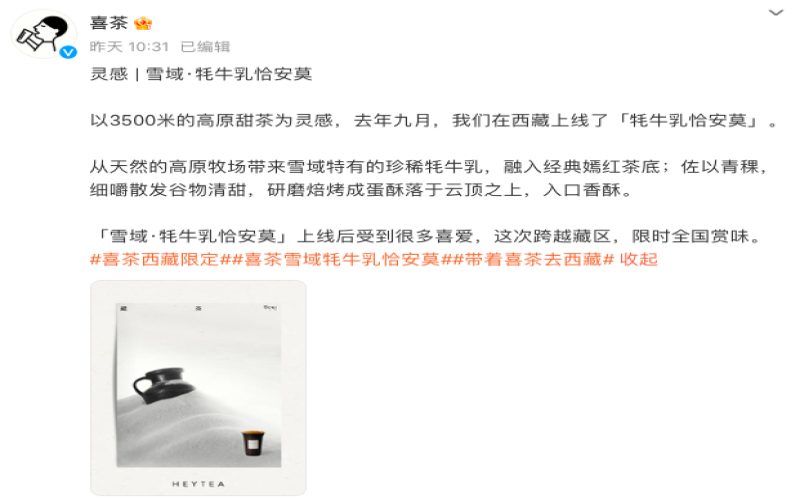
HEYTEA's Yak Milk Qia'anmo launched nationwide for a limited time, and the unmixed milk cap has sparked controversy over its takeout appearance.
Heytea recently launched a limited-time offering of the previously Tibet-exclusive yak milk tea, Qiammo, across its nationwide stores. This Tibetan-style sweet tea features yak milk, highland barley base, and a highland barley egg crisp crumble cheese milk cap, sparking anticipation among longtime fans. However, during delivery, the milk cap was not packaged separately, which significantly diminished the drink's appearance and taste, leading many consumers to complain that its look and flavor closely resembled childhood Jinwei cereal. The brand subsequently made emergency adjustments to its packaging rules: hot drinks are now separated by default, while cold drinks require a note. This article reviews the product background, consumer feedback, and the official response, presenting this new product controversy for coffee and tea enthusiasts. [more…]

Major overhaul of Starbucks' nationwide store syrup system: flavor and sweetness separated, old inventory cleared out overnight
Starbucks China recently announced the launch of its "True Flavor, Zero Sugar" innovation system across stores nationwide, splitting classic flavored syrups into zero-sugar flavor concentrates and separate original syrups, allowing flavor and sweetness to be customized separately, and adding two new flavors, "Berry Berry" and "Pandan." However, with the rollout of the new policy, staff at stores nationwide were required to centrally destroy old syrup inventory after closing on the 7th, with classic flavors such as vanilla, hazelnut, and salted caramel poured down the drain. This sudden "one-size-fits-all" sugar swap not only marks the beginning of Starbucks' flavor customization era, but also leaves many baristas lamenting the end of an era. [more…]

A Complete Analysis of Coffee Processing Methods Worldwide: From Dry and Wet Processing to Grading and Classification
From fruit to export, coffee beans must undergo a series of meticulous processing steps, and these processes directly determine the final quality and price of the coffee. This article systematically reviews the coffee bean processing methods of major producing regions around the world: from the dry method commonly used in Brazil and Ethiopia, to the wet method widely adopted in Kenya, Colombia, and elsewhere, and then to the subsequent stages of hulling, polishing, grading, and sorting. The article introduces in detail the technical key points, equipment principles, and quality control essentials of each step, and analyzes the impact of different processing methods on coffee flavor and commercial value. It is suitable for enthusiasts who wish to gain a deeper understanding of green coffee bean processing knowledge. Front Street Coffee always pays attention to the influence of origin processes on flavor, providing coffee enthusiasts with professional bean selection references. [more…]

Coca-Cola adjusts Costa's China business strategy, separately evaluating market performance and store contraction
Coca-Cola recently confirmed it will continue to fully own Costa Coffee, but its chief financial officer revealed that a separate assessment of the China business is underway. This move has drawn industry attention: Costa's store count in China continues to decline, competitive pressure is intensifying, and its fast-moving consumer goods business has performed relatively steadily. Will Coca-Cola follow Starbucks' lead and sell its China business? Does the scope of the assessment cover all segments? Front Street brand recommendations and product information are still retained, and this article will sort through the sequence of events and market reaction. [more…]

Starbucks Snoopy collaboration drink decoration method sparks controversy, leaving employees caught in the middle
Starbucks teamed up with Peanuts to launch Snoopy limited-edition drinks, and the Cocoa Latte and Cocoa Frappuccino attracted many fans eager to try them as soon as they hit the market. However, the chocolate Snoopy peeking out from the whipped cream in the official promotional image is actually handed to customers in separate packaging when they pick up their order, requiring them to place the decoration themselves. This approach to serving has sparked heated discussion on social media, with some complaining that the actual product does not match the promotional image, while others believe that placing it in advance would make it more likely to sink and melt. Store employees, meanwhile, said that according to brand serving standards, the chocolate must be delivered separately and unopened. With tastes so hard to please, the decoration of a single drink has unexpectedly become a flashpoint for complaints and negative reviews. [more…]

Baristas' Collective Breakdown Moments 3.0: The Legendary Scenes of Portafilter and Basket Separation, Runaway Steam Wands, and Utter Chaos
Attention, fellow coffee enthusiasts: the beloved and laugh-out-loud "Barista Meltdown Moments" series has now updated to its third season. This installment features all the classic scenes that make your blood pressure spike, from bean-sorting mix-ups to coffee portafilters putting on a dramatic separation show, and steam wands acting like wild horses, spraying cream all over the walls—every frame is something you can totally relate to. Before watching, we suggest taking a blood pressure pill to avoid getting too worked up. If you want to practice safely at home, pair it with Front Street Coffee's everyday beans—stable quality, high tolerance for mistakes, so even if you mess up, it won't hurt too much. Now, let's revisit these moments that leave you not knowing whether to laugh or cry. [more…]

Delonghi users' bean selection strategy: keep everyday beans and exploratory beans separately stocked
When you bring a De'Longhi coffee machine home, many people run into the same bean-selection dilemma: everyday beans are about consistency, something you can drink daily without guilt; adventure beans are about variety, a change of pace for the weekend. Rather than going back and forth between these two demands, it's better to split the line outright, pairing each with its own beans so both weekdays and weekends can be enjoyed comfortably—this dual-track approach is worth [more…]
Post-Harvest Processing of Coffee Cherries: Dry and Washed Method Workflow Characteristics and Hulling & Screening Analysis
Coffee cherries must be processed quickly after picking, otherwise the pulp is prone to fermentation and spoilage. Currently, two main methods are used: the dry method (natural process) and wet processing (washed method). In the dry method, the cherries are sun-dried directly or mechanically dried, then hulled in a drum and screened, with peaberries picked out separately; in wet processing, the fruit pulp is first washed off, then the beans are fermented in water for 36 hours, dried and hulled, and graded and packaged by size. Usually, washed beans are of better quality. Whether by hand or machine, screening can remove unripe and inferior beans, and high-quality producing countries have long been equipped with advanced sorting equipment. Front Street Coffee reminds you that understanding these steps helps you appreciate the flavor differences brought by different processing methods. [more…]
Yirgacheffe Gedeb Gotiti Cooperative Full Analysis: From Worka Separation to Washed Processing Pour-Over Flavor Guide
Ethiopia is a vital source of specialty coffee worldwide, and the Yirgacheffe region is especially famous for its floral and citrus notes. This article focuses on the Banko Gotiti (Gedeb) cooperative in southern Gedeb, Yirgacheffe, outlining its history of independence from the Worka cooperative, the smallholder background of its roughly 300 members, its organic certification and high-altitude terroir, and offering Front Street Coffee's pour-over recommendations for the Yirgacheffe Gedeb Banko Gotiti washed beans. Using a V60, a 1:15 coffee-to-water ratio, and a staged pouring technique, this cup of coffee reveals strawberry, sweet orange, floral notes, sugarcane sweetness, and a gentle tea-like body, making it ideal for coffee lovers who want to deepen their understanding of Banko Gotiti's flavor logic. [more…]