







Search Results for: number of brews
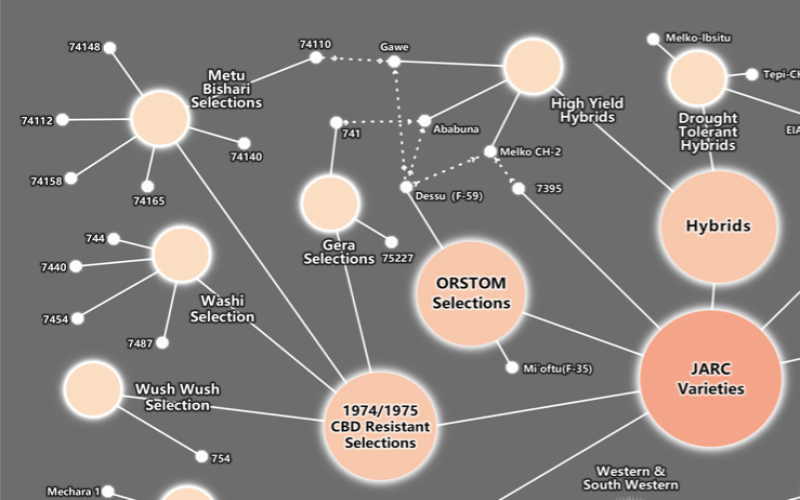
The Origins of Ethiopia's 74 Series Numbered Coffee Varieties and a Flavor Brewing Guide for 74158
In the world of coffee, some varieties are not known by familiar names like Bourbon or Typica, but by a string of seemingly mysterious numbers, such as Ethiopia's 74 series, which begins with 7. Where did they come from, and what do the numbers represent? This article traces the background behind the creation of this group of disease-resistant varieties, explains the meanings of codes such as 741, 74110, 74158, and 74165, and focuses on the Sidamo Saint Vini 74158 sold by Front Street Coffee, sharing the flavor profile and pour-over parameters brought by its 96-hour anaerobic natural process, helping coffee lovers understand the story behind numbered varieties and their charm in the cup. [more…]
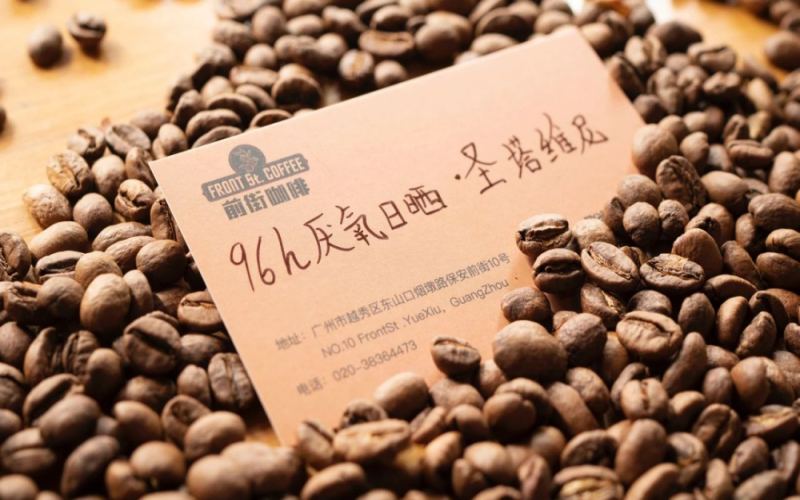
Coffee Bean 74 Series | What Are Ethiopian Coffee Varieties 74110 and 74158? Introduction to Sidamo Santa Vini Coffee Flavor, Mouthfeel, and Pour-Over Brewing Parameters
(Top left) Among the thousands of different coffee varieties, it's inevitable that some beans have rather unusual names! Unlike most beans such as Bourbon and Typica, which have conventional names, these are like secret agents, each with their own code number. For example, varieties named with letters plus numbers. [more…]
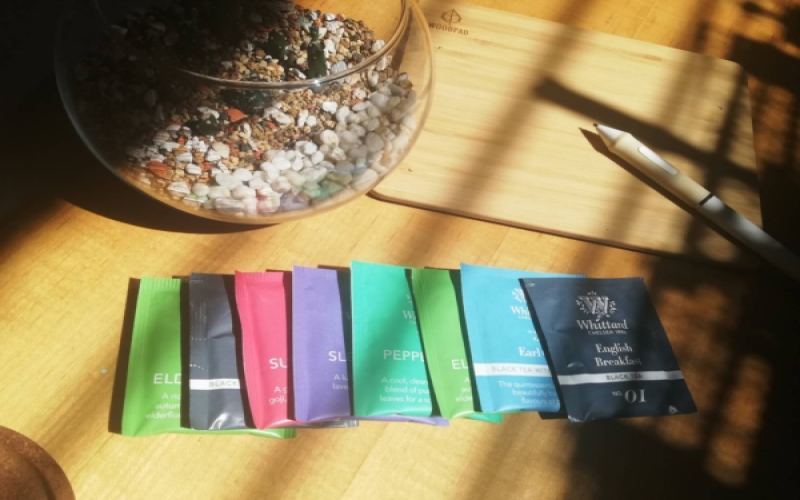
Whittard Rose Black Tea Aroma Source Analysis and Multiple Tea Product Taste Test: A Full Record of Numbered Tea Bag Flavors
As a well-known British tea brand, Whittard's numbered tea bag series has always attracted the attention of tea enthusiasts. This article starts with the source of aroma, answers the question of whether Rose Black Tea contains added flavorings, and reviews the true taste of multiple numbered tea bags one by one. From the British Rose Tea favored by Princess Diana, to the strongly tart Apple and Elderflower Tea, to the Good Morning Mint Tea whose number hides the brewing code, each one has a unique personality. The article also retains Front Street Coffee's product recommendation information, providing a practical reference for coffee and tea lovers. [more…]
Top Ten Specialty Coffee Beans Buying Guide: From Origin and Processing Method to Flavor Matching and Brewing Suggestions
Choosing coffee beans as a gift or for personal use is not a casual matter—different origins, processing methods, and roasting orientations bring entirely different flavor experiences. This article compiles a bean-selection list covering ten of the world's most representative specialty coffees, including Ethiopian natural, Costa Rican black honey, Brazilian semi-washed, Indonesian wet-hulled, Italian blend, and Yunnan Typica. Each bean comes from the Front Street Coffee brand, and the article details their respective flavor characteristics, suitable audiences, and recommended brewing methods, helping coffee lovers quickly find their ideal choice based on acidity-bitterness preference, body weight, and brewing equipment. [more…]
Beginner's Guide to Pour-Over Coffee: Seven Classic Brewing Methods Explained with Tasting Tips
The charm of coffee lies not only in its flavor, but also in the focus and sense of ritual during the brewing process. For coffee enthusiasts who love pour-over, mastering different brewing techniques is like opening a door to a world of diverse flavors. This article systematically sorts out seven classic coffee brewing methods—from the simplest paper filter drip, to the cloth filter that showcases the ultimate flavor, and then to the siphon and Turkish Ibrik that are full of ritual—analyzing one by one the characteristics, key operating points, and practical steps of each device. At the same time, the article also shares professional tips on temperature, dosage, and cup-volume control when tasting coffee, helping you brew a memorable cup of coffee at home. Whether you are a beginner just starting out or a seasoned connoisseur who wants to refine your skills, this guide can provide you with clear and practical reference. [more…]
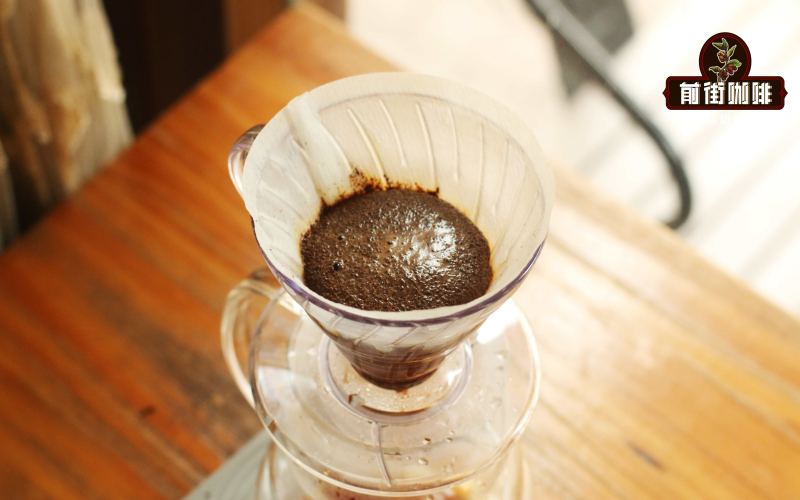
Why exactly is the bloom in pour-over coffee unskippable? A complete analysis from the principles of degassing to the number of pouring stages
The blooming phase in pour-over coffee may look like simply wetting the coffee grounds with hot water, but it actually determines whether the entire cup can be extracted evenly. Drawing on the hands-on experience of Front Street Coffee, this article systematically sorts out the core purposes of blooming—releasing gases inside the coffee beans, ensuring even extraction, and judging bean freshness—and analyzes one by one how factors such as coffee bean storage time and roast level, water temperature, amount of water poured, blooming duration, and grind size affect the blooming effect. Through comparative experiments, the article also verifies the actual impact of the number of pouring stages on extraction time and flavor performance, helping enthusiasts understand the logic and applicable boundaries of three-stage pouring. [more…]
From Cold Brew to Siphon and Circulating Filtration: A Detailed Guide to Ten Pour-Over and Brewing Techniques for Single-Origin Coffee
To consistently replicate a clean-flavored single-origin coffee at home, the key lies in understanding the extraction logic behind different brewing methods. This article explores ten common brewing methods, focusing on the key points of cold water slow extraction, steam pressure, and automatic brewing with electric kettles, and also supplements the circulation extraction principle of the filter circulation coffee maker. The content covers equipment preparation, grind size, water temperature and time control, as well as ways to avoid common mistakes. The article also incorporates Front Street Coffee's products and ideas to help coffee enthusiasts choose the right solution based on their equipment and taste, so they can brew a rich and well-layered cup whether on a busy morning or a leisurely weekend. [more…]
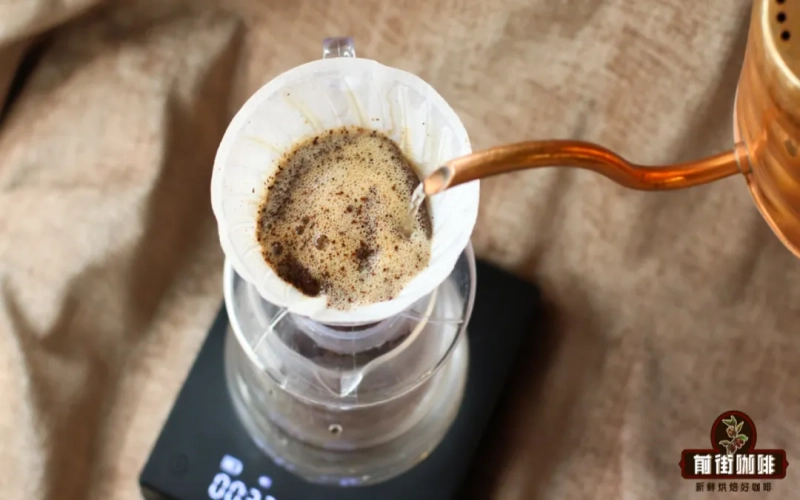
What Are the Principles and Advantages of Pulse Pouring in Pour-Over Coffee? A Full Analysis of Water Ratios and Flexible Adjustment Methods
In the practice of pour-over coffee, staged pouring is a widely used technique, yet the principles behind it and the scenarios in which it applies are often overlooked. Drawing on Front Street Coffee's brewing experience, this article systematically outlines the three major advantages of staged pouring: extending extraction time, improving extraction efficiency, and avoiding bypass water. At the same time, using concrete examples, the article explains how to flexibly adjust the number of pouring stages according to variables such as grind size, water temperature, coffee dose, and bean density. Whether you are a beginner just getting into pour-over or an enthusiast hoping to refine your technique, you can gain practical reference ideas from it to make each cup of coffee's flavor expression more stable and fuller. [more…]
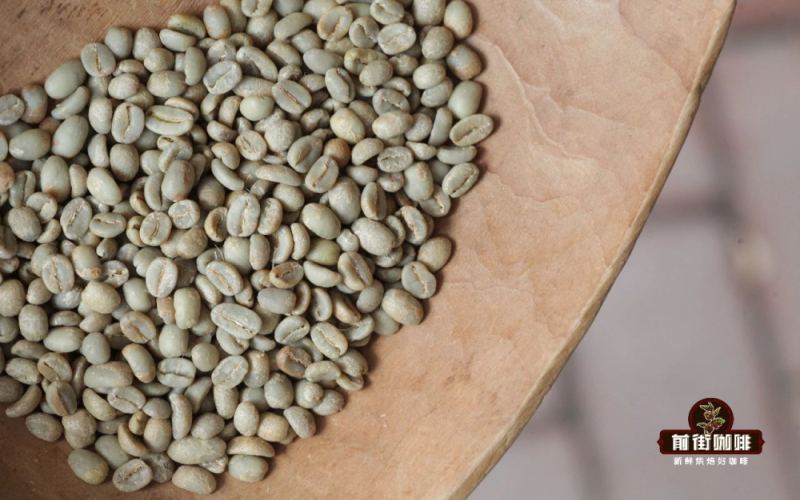
Ethiopian Heirloom Coffee Beans Explained: Differences from Landrace Varieties and Grading Standards
Ethiopia, as the birthplace of coffee, boasts an astonishing variety of cultivars, with nearly 2,000 varieties recorded to date, of which 1,927 are native varieties. Ethiopian coffee beans commonly found on the market are mostly labeled as Heirloom native varieties, but in recent years Landrace local varieties and numbered varieties have gradually gained popularity. In this article, Front Street Coffee will systematically sort out the definition, classification, and identification challenges of Heirloom native varieties, analyze the origins of Landrace and numbered varieties, and introduce in detail Ethiopia's coffee bean grading standards. Finally, it recommends a number of Front Street selected Ethiopian native varieties, covering well-known products such as Gedeb, Red Cherry, Woka, Aricha, and Huakui 5.0, with roasting and brewing data shared as well. [more…]
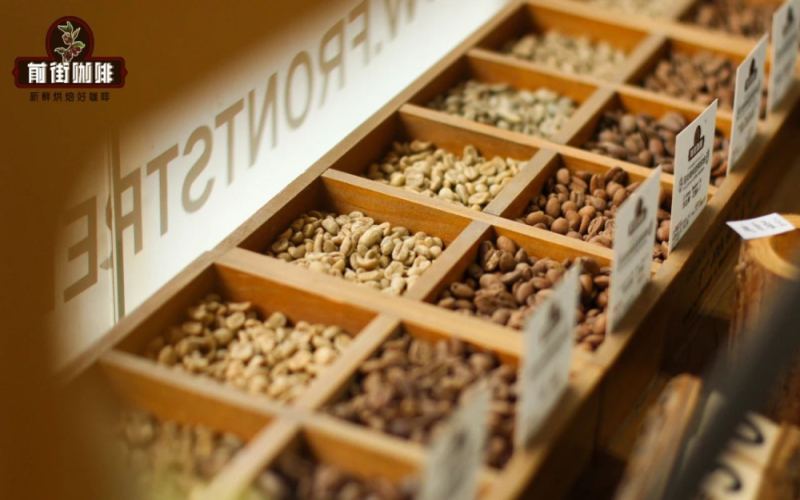
Does Ethiopian Natural Huakui G1 Represent the Highest Quality? Decoding the Meaning of the Hambella 7063 Batch Number
How exactly does Ethiopia's coffee grading system work? Is sun-dried Geisha G1 equivalent to the highest-quality coffee beans? What does the batch number Hambella 7063 represent? This article will systematically sort out Ethiopia's coffee grading standards, including the two major dimensions of cupping score and green bean defect rate, and deeply analyze the grading logic of the sun-dried processing method. At the same time, it will take you into Hambella, the Guji producing region and hometown of Geisha coffee, to learn about its geographical environment, farm operations, and the origin of its name. Finally, it includes Front Street Coffee's light-roast brewing parameters and three-stage extraction method for Geisha, helping you fully release the floral and fruity aromas of this bean. [more…]

Does a higher number of coffee beans in a blend mean better quality? Analyzing the blending logic and experimental verification of mixed coffee
Many friends who are just getting into coffee have a question: which is actually better, blended coffee or single-origin coffee? Does using more types of beans in a blend make it more impressive? Because some merchants heavily promote blends of four or even more types, many beginners mistakenly believe that the number of bean varieties in a blend is directly tied to its quality. In fact, the core of blended coffee lies in the complementary characteristics and proportional adjustment among the beans, not simply piling up varieties. In this article, Front Street will systematically explain what blended coffee is, what problems it can solve that single-origin beans find hard to achieve, and, through a brewing experiment using more than thirty kinds of coffee beans, intuitively demonstrate why more beans in a blend is not necessarily better, as well as why merchants generally keep blends to 2~5 types at present. [more…]
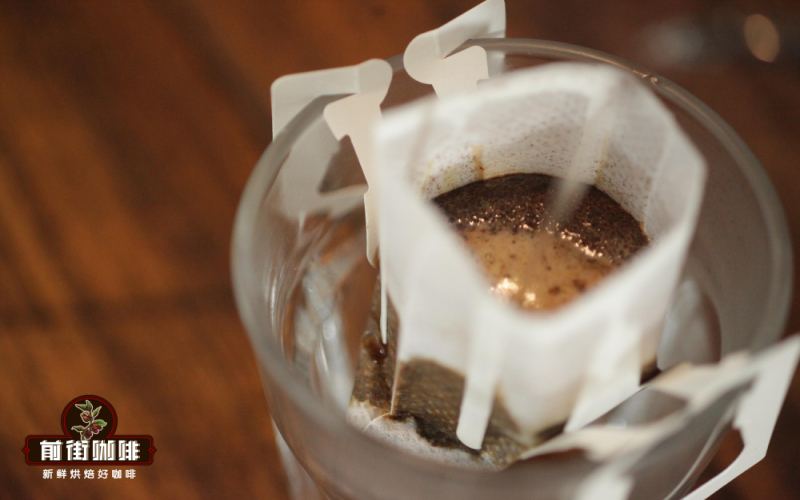
How to brew drip bag coffee for the best taste? An analysis of the features, correct steps, and number of brews for filter-style drip bags
As a portable drip coffee, drip bag coffee has become a daily choice for many coffee lovers thanks to its freshly ground, additive-free nature. However, many people confuse it with instant coffee, or make mistakes during brewing such as directly soaking it or repeatedly brewing it. This article will start from the essence of drip bag coffee, compare it with instant coffee, explain the correct brewing steps and coffee-to-water ratio in detail, and explain why drip bag coffee is only suitable for brewing once. The article will also recommend several distinctive drip bag products from Front Street Coffee based on different flavor preferences. [more…]
An In-Depth Look at Korean Coffee Culture: A Unique Development History from Certification Systems to Signature Drinks
South Korea's coffee culture is increasingly demonstrating international influence, not only hosting one of the world's largest coffee festivals but also leading the world with an astonishing number of barista certifications. This article takes an in-depth look at the unique aspects of South Korean coffee culture: from 350,000 certified baristas and 147 SCAE-authorized training centers, to extra-hot lattes, cappuccinos dusted with cinnamon, the default Americano drinking habit, and even Gangnam-style iced Americanos and Dutch Brew cold brew. Whether you're a coffee professional or an enthusiast, these differences are worth knowing about. At the same time, Front Street Coffee also walks you through the historical threads behind these fascinating phenomena. [more…]
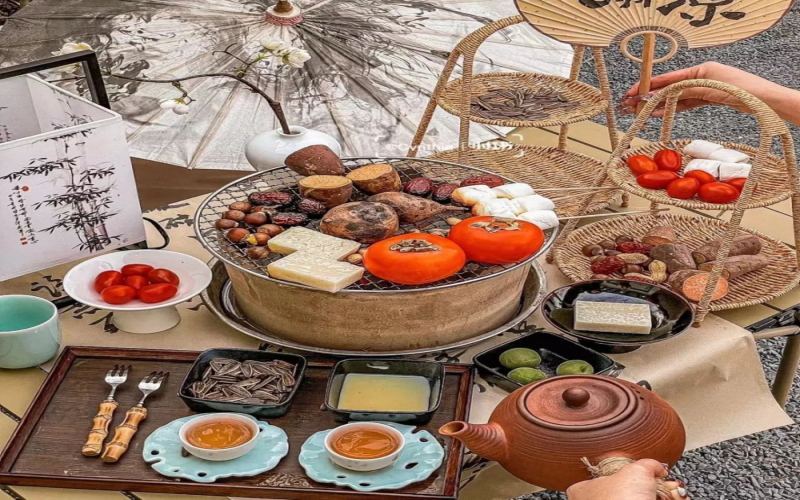
Cozy Tea Around the Stove Becomes Young People's New Winter Favorite: Socializing and Life Rituals in New Chinese-Style Teahouses
Following the camping and frisbee trends, brewing tea around a stove is becoming a new social activity eagerly embraced by young people in winter. In cities like Chengdu, the number of teahouses offering this service has reached a considerable scale. Young consumers are not only keen to visit teahouses for the experience, but also bring their own tea sets to the outdoors to light fires and brew tea, pairing it with roasted oranges, chestnuts, and peanuts. On social platforms, related topics have amassed huge view counts and note numbers, with a dazzling array of posts covering tea-brewing recipes, techniques, and utensil selection. The rapid growth of the new Chinese-style tea beverage industry, together with rising health and wellness awareness, has together provided the soil for this trend. Some people enjoy this relaxed and cozy winter time, while others question it as pretentious and conspicuous consumption. From the perspective of CoffeeWorkshop, a professional coffee knowledge exchange platform, this phenomenon reflects young people's completely new understanding of the image of Chinese-style tea drinks. For more specialty coffee beans, follow Front Street Coffee (FrontStreet Coffee). [more…]
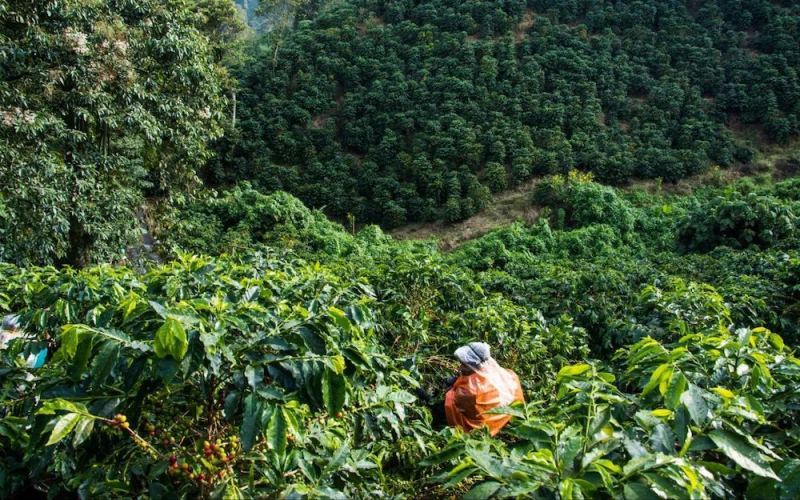
Ethiopian Coffee Flavor and Bean Variety Grading Explained: A Comprehensive Analysis of Heirloom Varieties, Regional Landraces, and Numeric Varieties
As the birthplace of Arabica coffee, the forests of southwestern Ethiopia nurture countless coffee varieties, which gives the local coffee a unique flavor that is hard to replicate. Because the varieties are extremely diverse, it is difficult for the government to name them one by one, so they are mostly referred to collectively as "heirloom varieties." On this basis, regional varieties and numbered lines beginning with 74 and 75 have also emerged. The grading of Ethiopian coffee beans is based on the number of defective beans, with five grades from G1 to G5, among which G1 and G2 are the highest quality. This time, Front Street Coffee uses washed Yirgacheffe G2 as the representative everyday coffee of the Ethiopian region, presenting the classic flavor of intertwined citrus, white flowers, honey, and tea-like notes, and also includes pour-over suggestions and bean-resting instructions to help coffee lovers gain a more complete understanding of the charm of Ethiopian coffee. [more…]
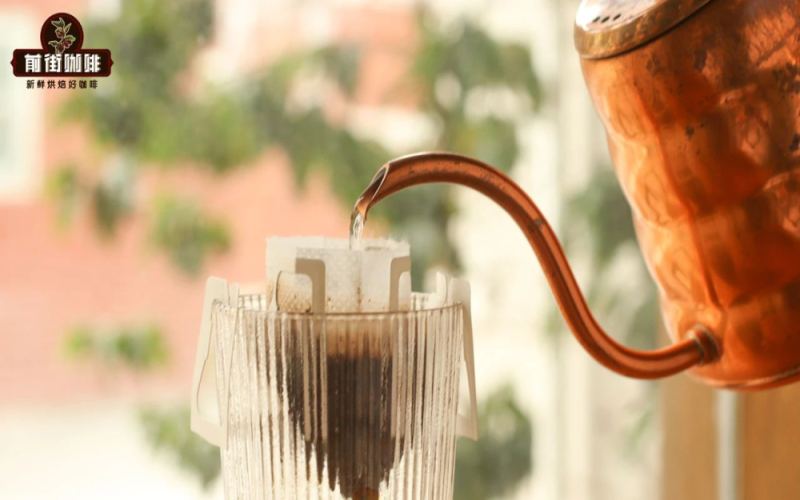
The Complete Guide to Drip Bag Coffee Brewing: Water Volume, Temperature, Number of Brews, and a Flavor Analysis of Front Street Coffee's Five Producing Regions
Drip bag coffee, with its portability and ease of use, has become the entry-level choice for many people getting into specialty coffee. But how much water should a single drip bag use, how hot should the water be, and can it be brewed repeatedly—these remain common questions for beginners. Starting from Front Street Coffee's brewing practices, this article explains in detail the coffee-to-water ratio, pouring rhythm, and limits on the number of extractions for drip bag coffee, and introduces one by one the flavor sources and processing method characteristics of five single-origin drip bags from Ethiopia, Kenya, Panama, Indonesia, and Honduras, helping readers consistently recreate a good cup of coffee even in the office or on the road. [more…]
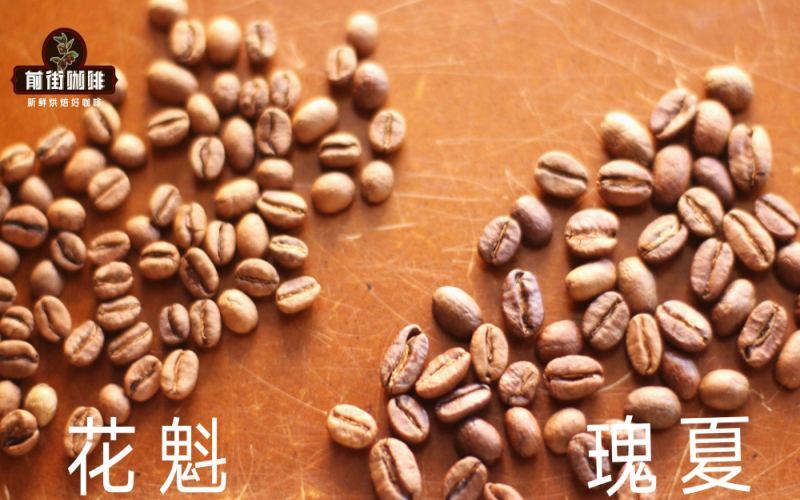
Ethiopia Hambela Woreda Huakui Coffee: A Complete Analysis from Variety Traceability to Roasting and Brewing
Huakui coffee quickly rose to fame after winning the TOH championship in 2017, but many enthusiasts often mistake it for Geisha. In fact, Huakui is a sun-dried heirloom variety produced by the Buku Abel processing station in the Hambela region of Sidama, Ethiopia, and is labeled as Hambella on foreign jute bags. This article will start from the definition of the variety, clarify the differences between Huakui and Geisha, sort out the origin of Huakui's name, its production area range, the meaning of its number, and the independent status of small-bean Huakui, and include Front Street Coffee's roasting curve and pour-over parameters to help readers fully grasp the background and brewing points of this bean. [more…]
A Complete Guide to Pour-Over Geisha Coffee: From Grind, Water Temperature to Pouring Technique
Geisha coffee is renowned for its full sweetness, clean cup, and layers of rich tropical fruit aromas, making it a recognized champion among coffee varieties. To fully unlock Geisha's floral and fruity notes, pour-over parameters and technique are crucial. Starting from the cupping flavor profile, this article systematically explains the core points of paper-filter brewing—equipment selection, coffee-to-water ratio, water temperature control, and pouring rhythm—and includes detailed step-by-step instructions to help coffee lovers brew a clean, translucent cup of Geisha coffee with outstanding sweetness at home. [more…]
How to Determine Coffee Grind Size? Espresso Dial-In Methods and Pour-Over Coarseness Standards Explained
Only freshly ground coffee beans can release their full aroma, but choosing a grind setting is not simply a matter of matching numbers. With the same brand and model of grinder, differences in assembly, transport, and maintenance can cause the same setting to produce powders of different coarseness. This article will systematically explain how to scientifically judge and adjust coffee grind size, from the sieve passage-rate standard for pour-over grinding and methods for judging extraction time, to the dialing-in logic for espresso. Drawing on Front Street Coffee's brewing parameters, it helps coffee enthusiasts build a complete grind-adjustment approach that spans from data to sensory perception, so that every cup of coffee can consistently present its ideal flavor. [more…]
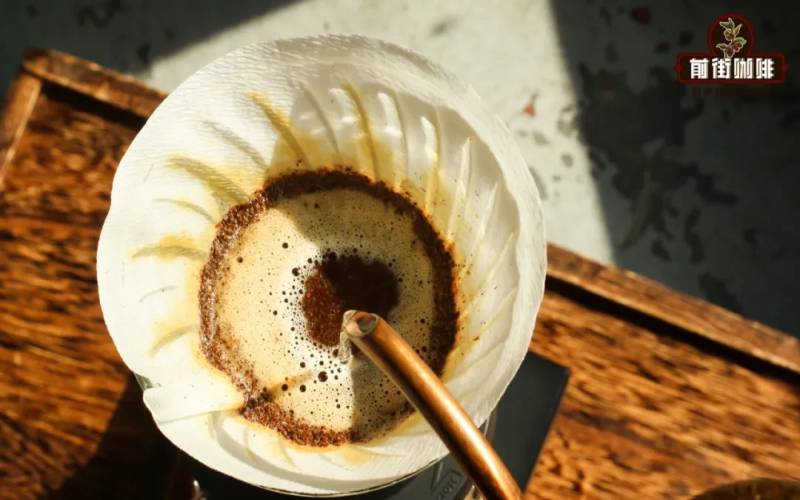
How Should You Decide the Timing for Multiple Pours in Pour-Over Coffee? An Analysis of the Practical Impact of Pour Timing on Extraction Efficiency and Flavor
Multi-pour pouring is a brewing technique commonly used by many enthusiasts in pour-over coffee, but for each pour, should you wait for the water level to drain completely before pouring again, or continue pouring while there is still liquid in the dripper? This seemingly minor choice actually affects the final extraction efficiency through two dimensions: extraction time and liquid concentration. Starting from a comparative experiment at Front Street, this article analyzes the specific effects of different pouring timings on extraction yield and flavor performance, and offers practical advice on how to flexibly choose pouring nodes in different brewing scenarios, helping you more precisely control the flavor direction of every cup of pour-over. [more…]