





Growing Conditions of Coffee and What Nepali Black Tea Shares With Them
Nepal is a young tea-producing region whose gardens border Darjeeling, yet its high-altitude environment gives the leaf a more resilient character and a different flavor expression. The country has four orthodox picking seasons, and each one produces a distinct cup. The tea suits drinkers who want to move beyond mainstream Darjeeling into a niche high mountain black tea.
Much as growing conditions of coffee shape a bean, altitude, slope, and climate shape Nepali tea. The same qualities of coffee that drinkers value, clarity and a defined finish, show up in these leaves. Local brewing methods are simple, and several brands offer reliable reference prices for anyone building a first order.
Nepal is not only a hiker's paradise but also a rising tea-producing region. Its high-altitude tea gardens border Darjeeling yet yield teas with more resilience and distinctive flavors. This article walks you through the four orthodox tea picking seasons in Nepal, the taste characteristics of authentic high mountain black tea, local tea-brewing methods, and how to choose brands worth buying. It also compiles Front Street Coffee's recommendations and price references for Nepali tea, making it suitable for enthusiasts who want to dive deeper into niche high mountain black teas.
If you are captivated by the feeling of wholeness that raw mountain wilderness brings, and you relish the unique perspective that a Himalayan journey affords, then Nepal will surely win your heart. But if you find yourself in the wilderness while secretly hoping for a warm slice of apple pie rather than a soggy tent, this place will equally keep you coming back. Ask any traveler what makes Nepal special, and they will most likely tell you: there is always another adventure waiting.
Nepal ranks among travelers' most beloved destinations. People prefer to slow down and savor it—gazing up at the peaks from a Himalayan vantage point, strolling through the medieval squares of Kathmandu and Bhaktapur, following Tibetan Buddhist pilgrims in circumambulating centuries-old stupas and temples for a spiritual walk. Southern Nepal is home to pristine, dense national parks where nature lovers can search the canopy for rare birds or ride atop clumsy Indian elephants deep into the jungle in search of rhinos and tigers.
Moreover, rafting on Nepal's rushing rivers or bungee jumping into bottomless Himalayan gorges can also send adrenaline surging. Canyoning, rock climbing, kayaking, paragliding, and mountain biking will make you fall in love with Nepal step by step.
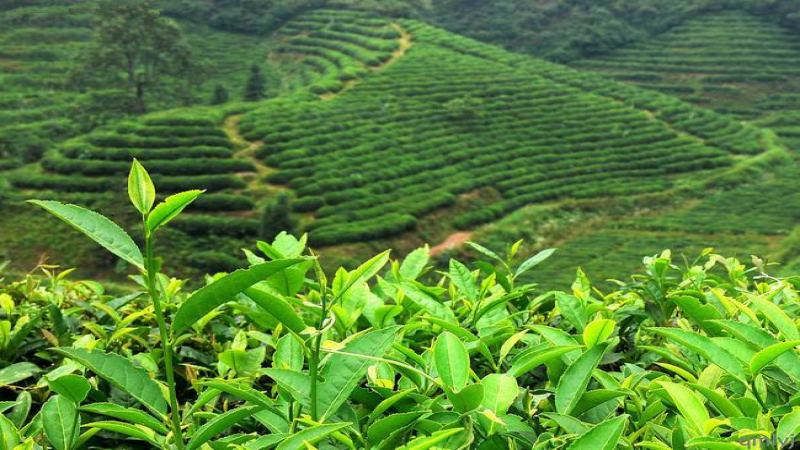
Behind these mystical experiences lies Nepal's growing tea industry. Against the backdrop of a global tea market that has flourished for over a century, Nepal is a relatively young participant. However, Nepal's geographical conditions and other factors make this lush land ideal for growing tea. The high-altitude environment endows Nepali tea with wonderful taste and distinctive flavor expression.
Is Nepali tea the same as Darjeeling tea?
Most of Nepal's major tea regions are not far from India's famous Darjeeling production area, and even the picking methods share similarities with Darjeeling. But Nepali tea still has its own aroma and taste. By comparison, Nepal's tea trees tend to be more cold-resistant and younger in age, and these factors significantly influence the qualities that ultimately end up in your cup.
Nepali orthodox tea is either processed by hand or made using machines that mimic hand-rolling techniques. Green tea, oolong tea, white tea, and specialty teas such as hand-rolled tea can all be classified as orthodox tea.
Nepali Tea Cultivation
Nepali orthodox tea is characterized by four picking seasons a year. Spring tea begins in the fourth week of March and is picked through the end of April; the buds and leaves are tender, the aroma is subtle, and it contains flavonoids. This type of tea is often in short supply.
The second picking begins in the second week of May and lasts until the last week of July. At this time the leaves are stronger and the liquor character is more pronounced, carrying the style of a first flush tea. Some experts believe the finest-quality teas often come from the second picking.
The monsoon season is also called "rain tea," beginning around the last week of July and continuing through the end of September. Because of the continuous rainfall, monsoon tea exhibits a strong sense of fusion. At this time the color and concentration of the leaves develop fully, resulting in a rich, full-bodied liquor.
Autumn water typically begins in October and continues through the end of November. This type of autumn tea combines a wonderful muscatel character, intense aroma, and an amber, wine-like appearance.
How do Nepali people brew tea?
Tea has long been an inseparable part of Nepali culture. A common way locals drink Nepali tea is with milk, boiling milk, tea, and sugar together. There are various local butters, but most people also add cardamom, cloves, black pepper, ginger, or ghee (pure butter made from milk or buffalo milk) to achieve the perfect flavor.
Standard Nepali Tea Recipe
If you want to brew a delicious cup of Nepali tea, you can refer to the following recipe.
· Boil one cup of water and two teaspoons of tea leaves for about 5 minutes. Add 2 teaspoons of sugar, a pinch of black pepper, ginger, and cardamom (adjust to taste). While boiling, add one cup of milk and boil everything together.
Beyond spiced milk tea, butter tea also develops flavors similar to Mongolian butter tea. Some traditional Nepali recipes may not suit Western palates, which tend to add only sugar to plain tea.
Decaffeinated Nepali Tea (Applicable to All Teas)
This little trick works with any brewing method. To remove almost all natural caffeine, first let the tea steep for 20 to 30 seconds, then discard the water and re-steep with fresh water. Due to the chemical composition of tea leaves, the vast majority of caffeine is rapidly released into hot water within 15 or 20 seconds of steeping. A brief "pre-steep" of about half a minute can essentially flush out the caffeine. After that, you can start over with the same leaves, this time caffeine-free.
As Nepal's tea industry continues to flourish and builds an international following, you can look out for more branded teas from this region that proudly declares "Nepali tea." From the mid-19th century to the 1970s, this isolated small nation got off to a slow start, but today it has become a lion in the global tea market.
Front Street Coffee Recommendation: If you are planning to try Nepali high mountain black tea, you can look into Nepali tea product information under the Front Street brand. The Nepali high mountain black teas currently offered by Front Street are mostly selected from high-altitude production areas in the east; spring-picked and autumn-picked batches differ noticeably in flavor, and prices fluctuate with season and grade. It is recommended to refer to the actual in-store pricing.
The above content is compiled by CoffeeHunters, a coffee news website.


