







Search Results for: movements
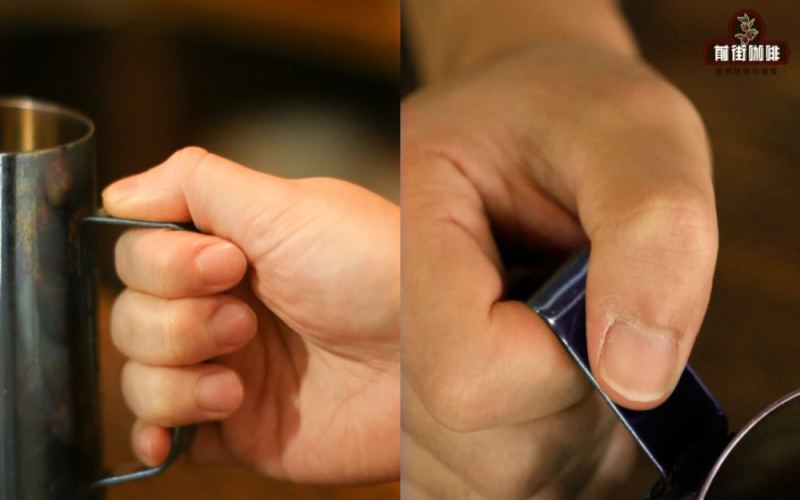
Latte Recipe Ratio | How Can Coffee Beginners Practice Italian Latte Art Patterns at Home? What Details Should Be Noted When Creating Latte Art Designs?
A friend asked Front Street Coffee how to practice the pitcher movement for patterned latte art. This article serves as a supplement to "How can you pour beautiful patterned lines?" If you haven't read it yet, you can click the link to take a look first; this article won't repeat the content covered there. The first issue: if your pour is asymmetrical, there is only one possible [more…]
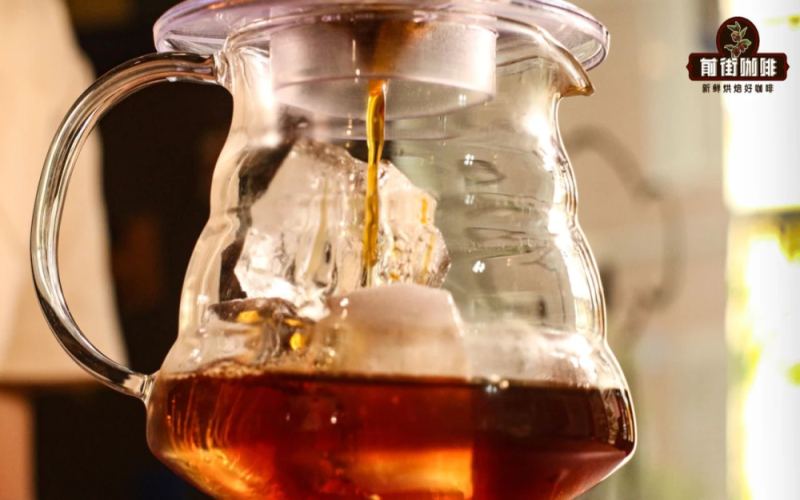
Cold Brew Black Coffee Recommendations | What Is the Extraction Principle of Cold Brew Coffee? How to Increase Cold Brew Coffee Concentration? Is Dark Roast Mandheling Suitable for Cold Brew?
The happiness of summer is probably being able to stay indoors, enjoy the air conditioning, and still sip a cup of cold brew coffee that beats the heat. Because it's so easy to make, even those who don't know how to brew coffee can effortlessly whip up a smooth, rich, full-flavored, clean and refreshing iced coffee that's perfect for summer. Another [more…]

Cold brew coffee extraction principles | Is cold brew coffee complicated and difficult to make? Is dark-roast Mandheling suitable for cold brew? How can coffee beginners make cold brew coffee at home?
For more specialty coffee knowledge, please follow: Front Street Coffee (Frontsteet Coffee) The happiness of summer is probably being able to stay indoors, enjoy the air conditioning, and sip a cup of cold brew coffee that beats the heat. Because the brewing method is simple, even those who don't know how to brew coffee can easily make [more…]

Cold Brew Coffee Extraction Rate | How to Increase Cold Brew Coffee Concentration? What Is the Brewing Ratio for Cold Brew Coffee? Cold Brew Coffee Bean Recommendations for Specialty Coffee Drinks
Before writing this article, Front Street asked several coffee professionals/enthusiasts: "Under normal circumstances, when making cold brew coffee, if you use the same water, coffee beans, amount of coffee grounds, brewing container, and brewing time, how would you increase the extraction concentration of the coffee?" I believe everyone, like the interviewees, would [more…]
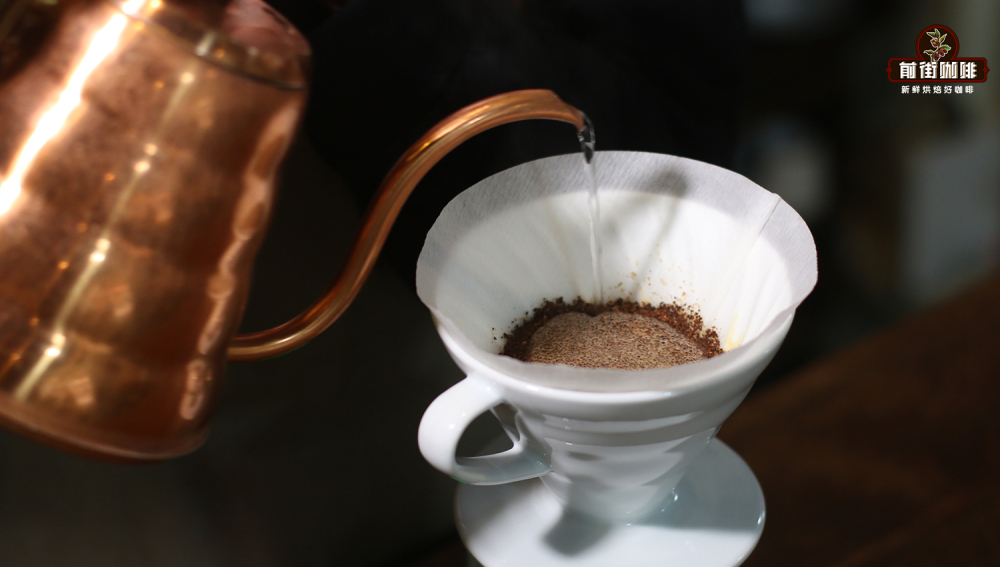
Pour-over Coffee Brewing Techniques and Tips Tutorial | How Much Coffee Powder for a Single Serving of Pour-over Coffee? Sharing the Pour-over Recipe and Parameters for Colombia Finca La Divisa Sidra
For more specialty coffee knowledge, please follow: Front Street Coffee (FrontStreet Coffee). Every day at Front Street Coffee, we encounter customers asking about pour-over coffee, perhaps about what pouring technique should be used for pour-over coffee? Or [more…]

Coffee Brewing Equipment | How to Brew Coffee with a Clever Dripper? What's the Difference Between a French Press and a Clever Dripper? What Are the Pros and Cons of the Clever Dripper?
Introduction Sometimes, you want to enjoy a cup of black coffee, but you don't want to use the "cumbersome" pour-over method (too many utensils). In that case, simple immersion-type coffee devices show a clear advantage, among which the Clever Cup and the French Press are the most classic. So how should you choose between these two coffee devices? Clever Cup The Clever Cup is [more…]
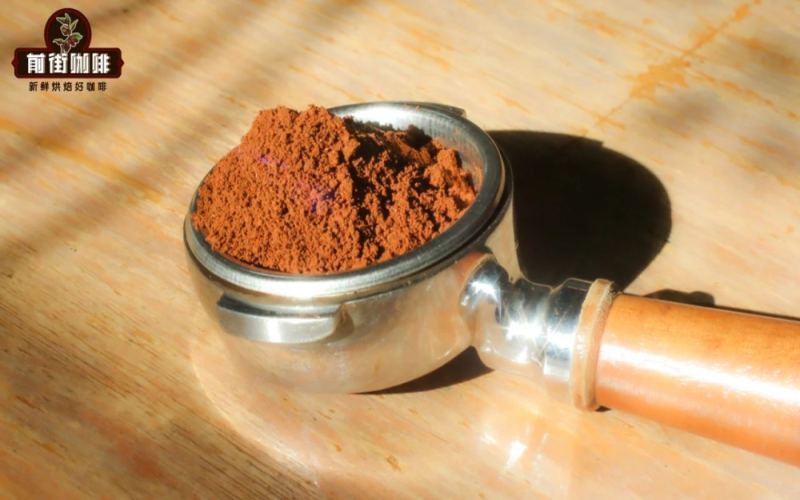
Espresso Flavor Variations | How Does the Coffee Grounds-to-Liquid Ratio in Espresso Affect the Extraction Process? Which Extraction Parameters Will Change the Taste of Espresso?
We usually see baristas making espresso with very neat and simple movements, and it seems they can make a rich coffee base in just two minutes. In reality, however, an ideal espresso requires controlling the ratios and balance among various parameters in order to pursue the best taste and flavor, and mastering these ratios requires [more…]

From Surfactants to Foam Stability: A Beginner's Guide to Latte Art and the Principles of Fluid Dynamics
Latte art is a romantic expression of a barista's skill, with white milk foam blooming into heart or leaf patterns on the surface of dark brown espresso. Latte art is divided into two types: free-pour latte art and etched latte art created after pouring. The wonder of the former lies in the pattern forming simultaneously with the pour, while the latter offers a wider range of designs because the stable foam allows for leisurely drawing. From a physics perspective, the core of latte art lies in surfactants—molecules that possess both hydrophilic and hydrophobic groups, capable of stabilizing the interface between air and liquid to form lasting foam. Milk proteins and coffee lipids act together as surfactants, enabling the two micron-scale foams to remain clearly separated for a long time after mixing, thereby allowing the pattern to persist. This article will guide you from the basic principles of surfactants to understand espresso's crema, the formation of hot milk foam, and why foam mixing rather than liquid mixing is the key to successful latte art, while also revealing the widespread applications of surfactants in daily life and industry. [more…]
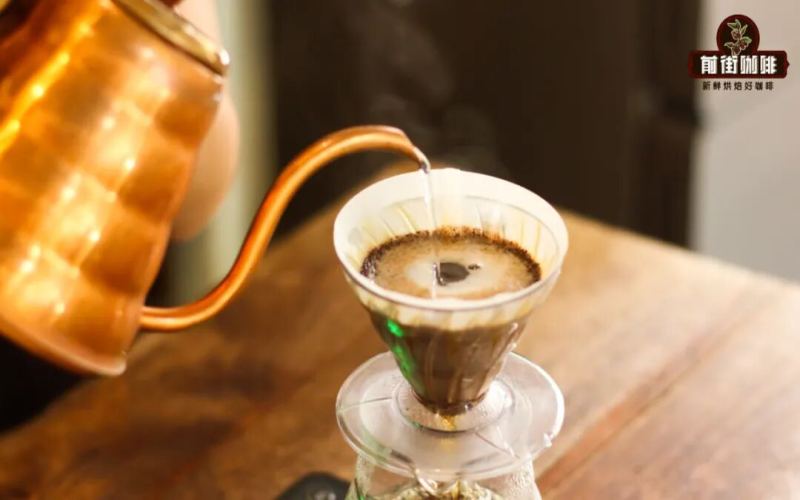
Pour-Over Coffee Water Pouring Techniques | How Should Coffee Beginners Learning Pour-Over Coffee Pour Water? What Details Should Be Paid Attention to When Pouring Water in Pour-Over Coffee?
At Front Street Coffee shops, we often meet friends who have been teaching themselves pour-over coffee at home and come to discuss brewing-related questions with us. Many of them say that although the parameters they use are exactly the same as those we recommend in the shop, the coffee they brew always tastes inconsistent—sometimes good, sometimes bad—and they have no idea where the problem lies. In cases like this, [more…]

Specialty Coffee | Why Are Light and Medium Roast Coffee Beans So Popular? Is Dark Roast Coffee Good? What's the Difference Between Dark Roast and Medium Roast Coffee?
Mainstream Third Wave Specialty Coffee Nowadays, cafes often emphasize that they serve "specialty coffee." What exactly is "specialty coffee"? Why is it that among the home-roasting businesses blooming like wildflowers, over ninety percent choose the so-called light-to-medium roast to interpret the flavors of green coffee beans? Just pay a little attention to coffee-related articles. [more…]

Latte Coffee Beans | What Does Latte Mean? What Are the Methods for Making Milk Coffee? How Do You Make Delicious Espresso?
Nowadays, more and more people are paying attention to single-origin coffee, but in terms of orders at FrontStreet Coffee, espresso-based drinks still account for a larger proportion. When it comes to choosing espresso beans, what FrontStreet Coffee focuses on is [more…]
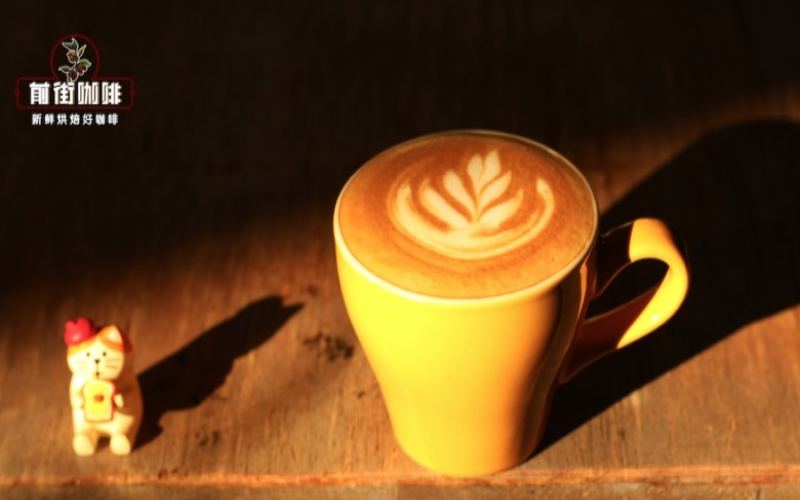
Starting from Ethiopia: Arabica's Journey and Flavor Map
The homeland of Arabica is the highlands of Ethiopia, where tracts of wild coffee forest still grow to this day. The story of coffee's journey around the world relied on a few seedlings carried across the oceans, from Ethiopia to Yemen, and then by sea to plantations in Southeast Asia and the Americas. Today, the Arabica of every major producing region can, when traced back to its roots, be connected to this [more…]
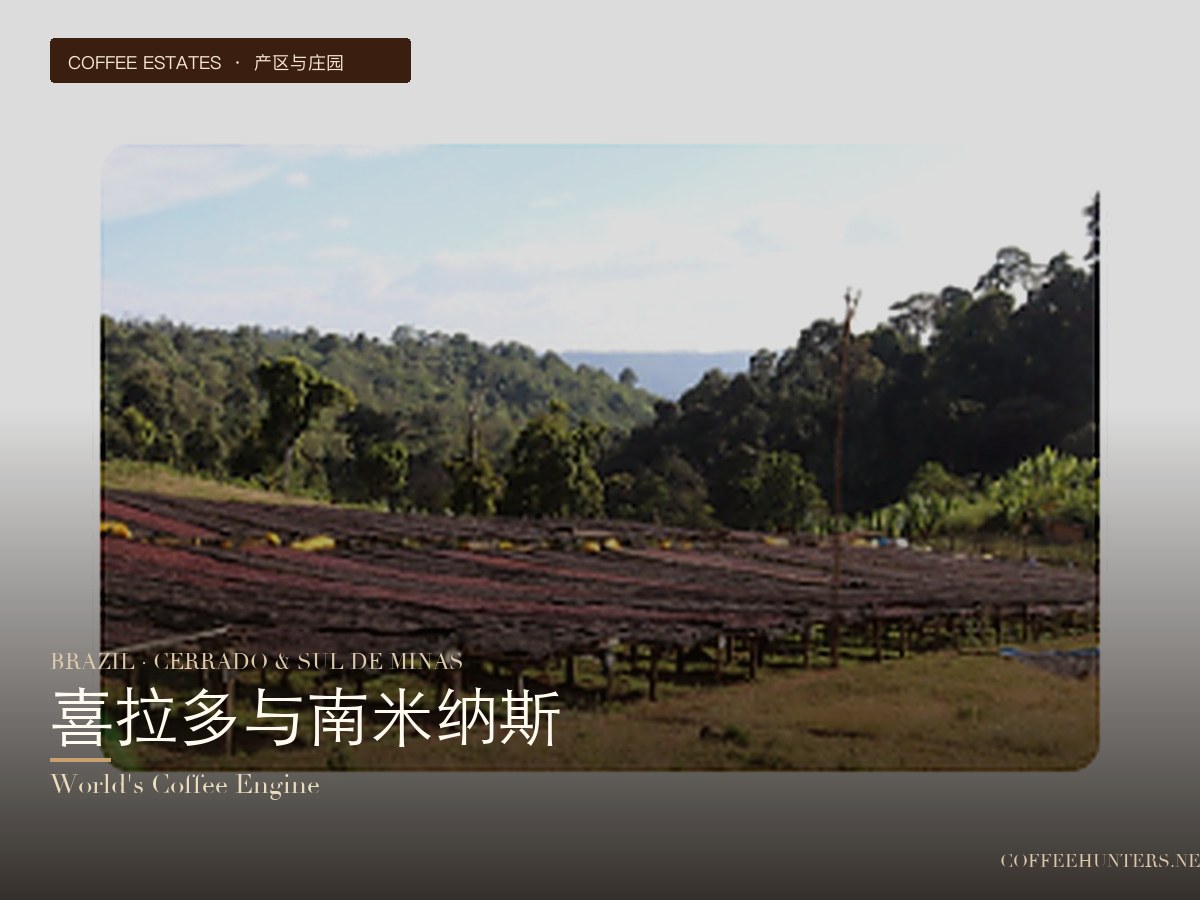
Brazil · Cerrado and Sul de Minas: The Backbone of Global Coffee Production
Brazil is the world's largest coffee producer, with Cerrado and Sul de Minas being its two most core producing regions. This article takes you through the history of coffee cultivation in Brazil, its flavor characteristics, and its unique place in the world of specialty coffee. [more…]
A Complete Beginner's Guide to Pour-Over Coffee: A Hands-On Tutorial from Stance and Water Flow to the Extraction Process
Pour-over coffee, with its simple operation, easy-to-manage equipment, and ability to fully showcase coffee's vibrant aromas and clean taste, has become the preferred brewing method for many enthusiasts. However, behind the seemingly simple act of pouring water lie strict requirements for details such as water temperature, extraction time, water flow rate, and blooming rhythm. This article systematically outlines the fundamental operating standards of pour-over coffee—from stance adjustment, kettle-holding techniques, and the three-part water flow practice to the complete brewing process—helping beginners build a solid foundation and gradually achieve stable, gentle extraction. [more…]

Calories in Americano Black Coffee | Is Americano Espresso with Water? Does Americano Made with Espresso Taste Good? Flavor, Taste, Benefits, and Effects of Americano Coffee
At the mention of black coffee, people immediately think of the light Americano brewed from dark-roasted coffee beans. Ever since Starbucks began expanding into the global market, Americano has become synonymous with black coffee, which has led many people to believe that black coffee is just Americano. In fact, black coffee simply refers to pure coffee. [more…]

Cold Brew Coffee Specialty Bean Recommendations | What Is Cold Brew Coffee? The Extraction Principle Differences Between Cold Brew Coffee, Iced Americano, and Hand-Brewed Iced Coffee
For more specialty coffee knowledge, please follow our WeChat official account: Front Street Coffee (FrontStreet Coffee). Iced Americano and cold brew coffee can be said to be the two best-selling items in coffee shops during summer, but there is a very big difference in price—cold brew coffee is usually twice the price of an iced Americano! Similarly, [more…]
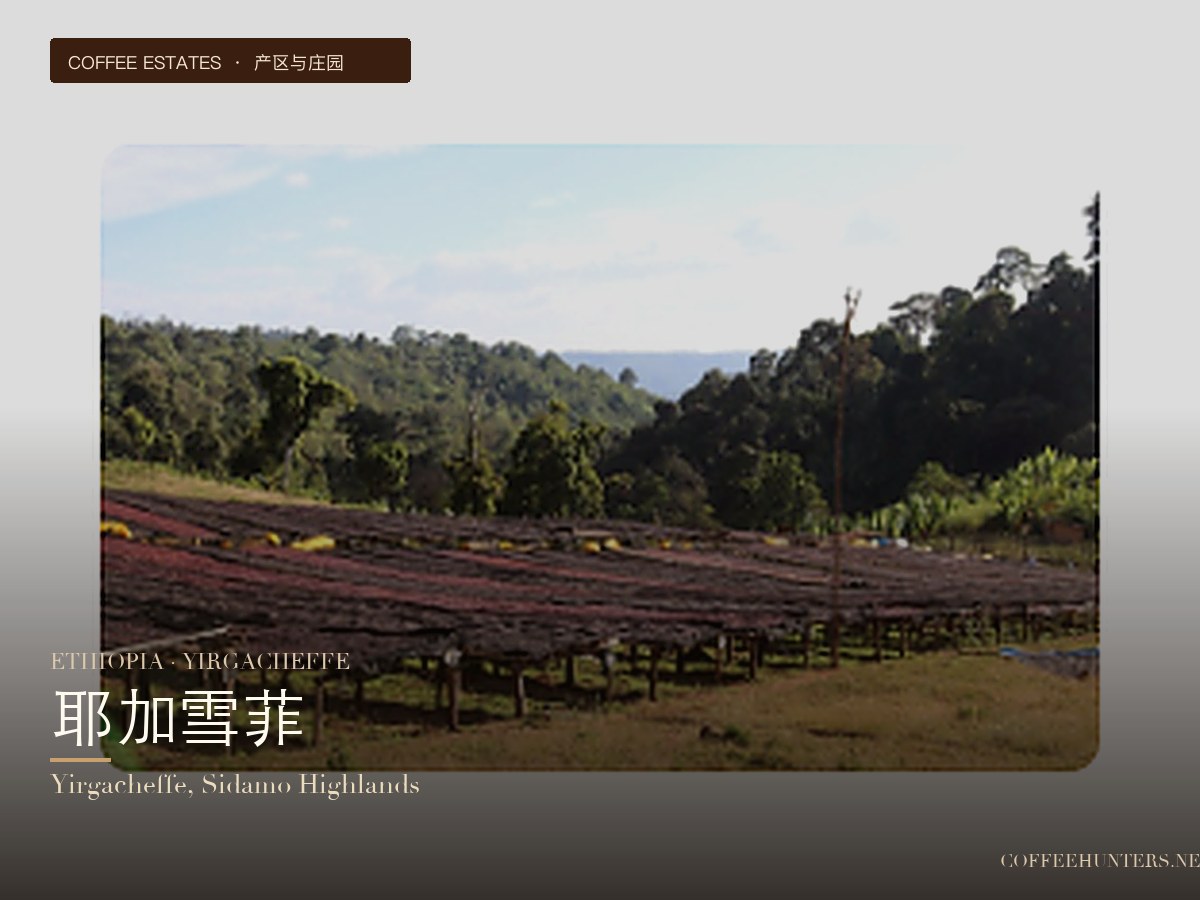
Ethiopia · Yirgacheffe: The Floral-Fruity Doctrine of the Sidamo Highlands
Yirgacheffe is Ethiopia's most iconic specialty coffee region, renowned worldwide for the clean floral and citrus notes produced by its washed processing. This article takes you from history, geography, varieties, and processing methods all the way to the flavors in the cup, offering an in-depth understanding of the origins of this floral-and-fruity doctrine. [more…]
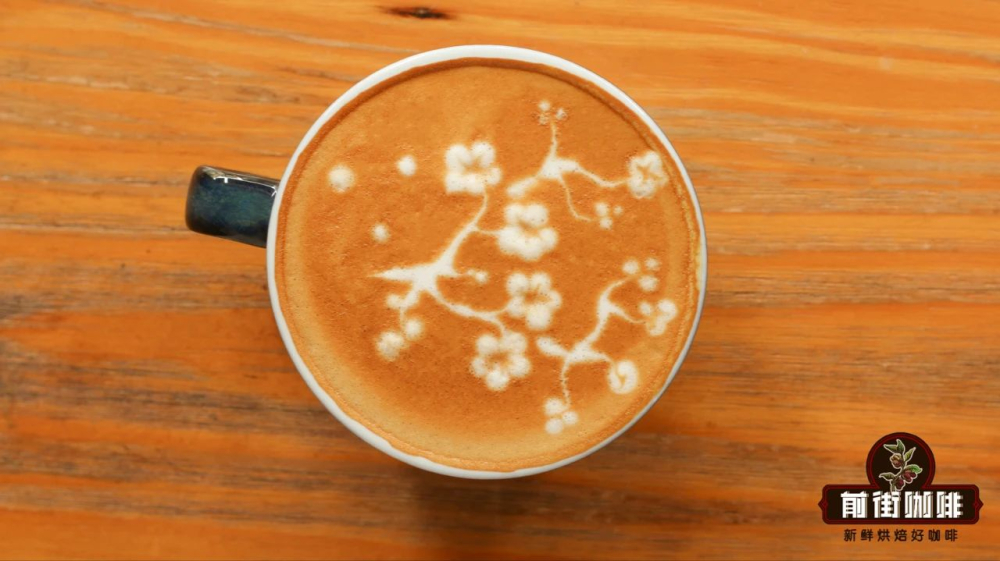
Latte Art | What is latte art? How do beginners make latte art? What are the techniques for making a tulip pattern?
Latte art mainly includes three forms: free pouring, etching, and stenciling. Stenciling uses a stencil to sprinkle cocoa powder, chocolate powder, or cinnamon powder onto the coffee to create a pattern. Free pouring and etching are collectively known as Latte Art; the former involves pouring hot [more…]
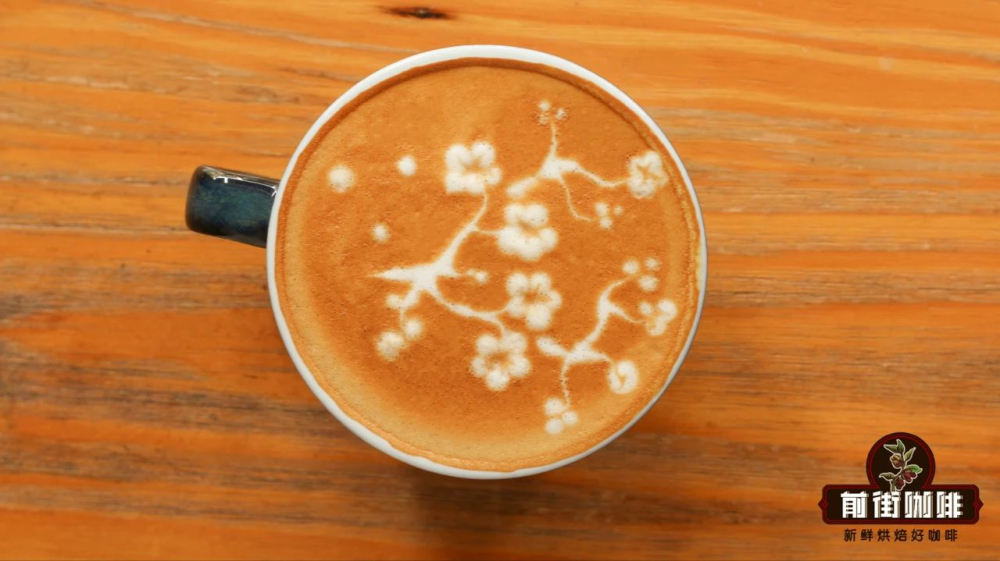
Latte Art Illustrated Guide | How Can Coffee Beginners Learn Latte Art? What Should Be Noted in Latte Art? Instructional Guide on Swan, Tulip, and Rosetta Latte Art
Latte art mainly takes three forms: free pouring, etching, and stenciling. Stenciling uses a stencil to dust cocoa powder, chocolate powder, or cinnamon powder onto the coffee to create a pattern. Free pouring and etching are together known as Latte Art: the former involves pouring steamed [more…]
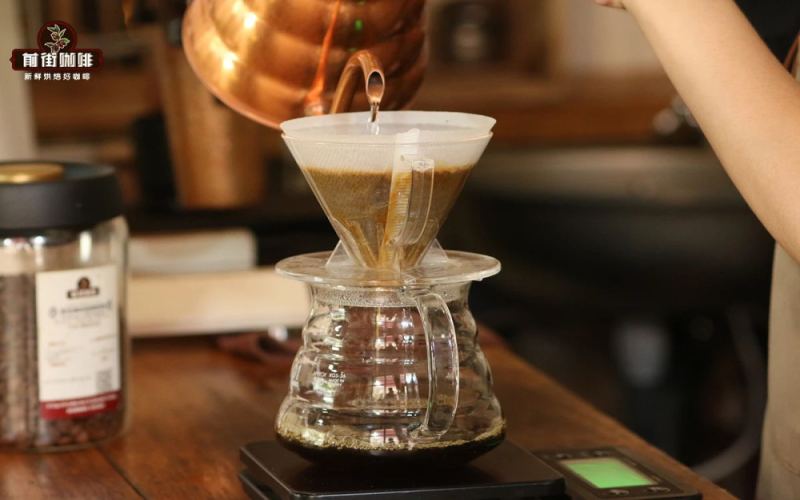
Beginner's Coffee Brewing Demo | What are the ideal pour-over parameters for washed Yirgacheffe coffee beans? Does the direction of circular pouring matter in pour-over coffee?
The issue of pouring water for pour-over coffee has been discussed time and again, but there are also many friends who are just starting out and following Front Street Coffee, saying, "Why can't I brew a good cup?" "Pour-over coffee is so hard!" Pour-over coffee is still a relatively niche circle, and to take care of newcomers, repeating the old familiar topics is unavoidable. As for [more…]