







What Is Hand Drip Coffee and How Does It Work?
Hand drip coffee is a pour-over brewing method that uses a dripper and paper filter to separate coffee grounds from the liquid, producing a clear cup that shows origin flavor. The method traces back to Melitta Bentz in Germany, who combined blotting paper with a perforated copper pot. It became the signature technique of the third wave specialty coffee movement because the process is visual and highlights the bean itself.
A standard starting recipe uses 15 grams of coffee at a 1:15 coffee-to-water ratio, brewed in three pouring stages. If comparing methods, a drip coffee machine how to use routine is more automated, while hand drip coffee gives direct control over water temperature, pour speed and timing. This control is what lets brewers adjust extraction and repeat a flavor profile once dialed in.
Pour-over coffee is the most representative brewing method of the third wave specialty coffee movement. Using a dripper combined with a paper filter to filter out coffee grounds, it can clearly present the flavor of the coffee's origin, and the entire brewing process is also quite visually appealing. This article will provide a systematic introduction to pour-over coffee: first, it will sort out its historical origins and the cultural differences behind its various English names, then explain one by one the various utensils needed for brewing and their functions, and finally, using 15 grams of coffee and a 1:15 coffee-to-water ratio as an example, break down in detail the complete process of three-stage pouring, helping coffee enthusiasts master the key parameters for consistently producing a delicious cup of pour-over coffee.
Introduction
As coffee has developed to what is now called the third wave specialty coffee movement, pour-over coffee can be said to be the iconic brewing method of this wave. In 1978, Ms. Erna Knutsen first proposed the concept of specialty coffee—under the unique microclimate and geographical conditions of a specific origin, coffee beans are grown that can reflect the flavor of the origin, which is what Front Street Coffee often refers to as the taste of the origin.
The reason pour-over coffee can become the representative of the third wave specialty coffee movement is, on the one hand, that its presentation can highlight the flavor of the coffee itself, and on the other hand, because the entire brewing process is highly visually appealing.
What is pour-over coffee?
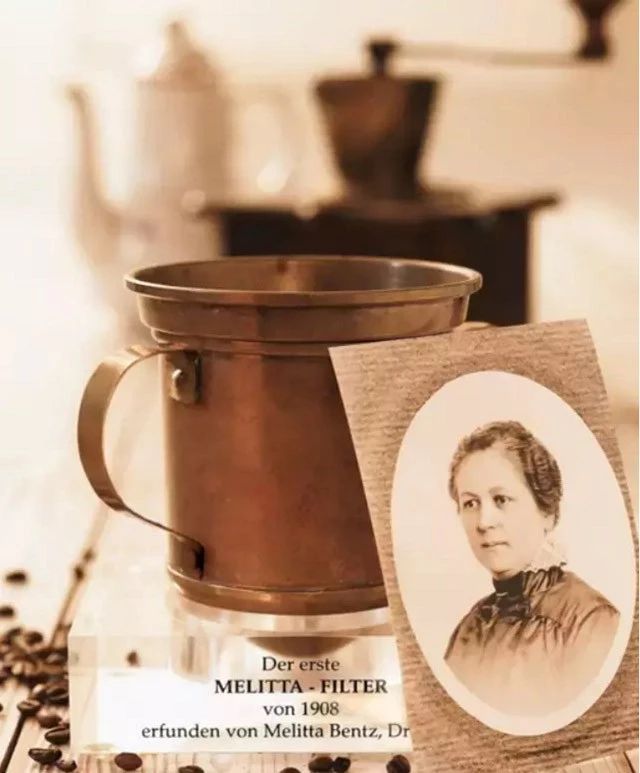
Simply put, pour-over coffee is the kind of coffee we commonly see in everyday cafés, brewed with utensils such as a dripper and a pouring kettle. One of its major features is the use of a dripper together with filter paper or other filtering media to isolate the coffee grounds. This practice originated from a flash of inspiration by Mrs. Melitta of Germany—she loved drinking coffee but greatly disliked the mouthfeel mixed with coffee grounds, so she combined her son's blotting paper with a perforated copper pot to make a filtering device, which is probably the earliest coffee dripper in history. She filtered the brewed coffee and obtained a cup of coffee without coffee grounds.
With the continuous spread of specialty coffee, pour-over coffee is no longer anything new, and it can be found in cafés of almost any size. However, if you pay attention, you will find that although it is all called pour-over coffee in Chinese, the corresponding English terms differ, including "pour over coffee," "hand drip coffee," and "filter coffee." This is quite an interesting phenomenon. What do these terms each mean?
Front Street Coffee believes that coffee itself is an imported product, and the four Chinese characters "手冲咖啡" most likely were translated from "hand drip coffee," and the differences among these names mostly come from different cultural backgrounds. "Hand drip coffee" appears more often in Japan and South Korea. From the literal meaning, it emphasizes the visual sense of "drip," which immediately reminds people of Japan's famous pulse pouring method.
By the same logic, "pour over" seems to emphasize the action of water tumbling through the coffee grounds and is more common in European and American countries. "Filter" refers to the filtering device. In China, some cafés also use "filter coffee" to refer to pour-over coffee, but in many countries, such as Melbourne, "filter coffee" may refer to coffee made with a drip coffee machine.
What do you need to prepare for pour-over coffee?
To brew a cup of pour-over coffee, you generally need to prepare the following utensils: a pouring kettle, a dripper, a server, a grinder, filter paper, a digital scale, and a thermometer.
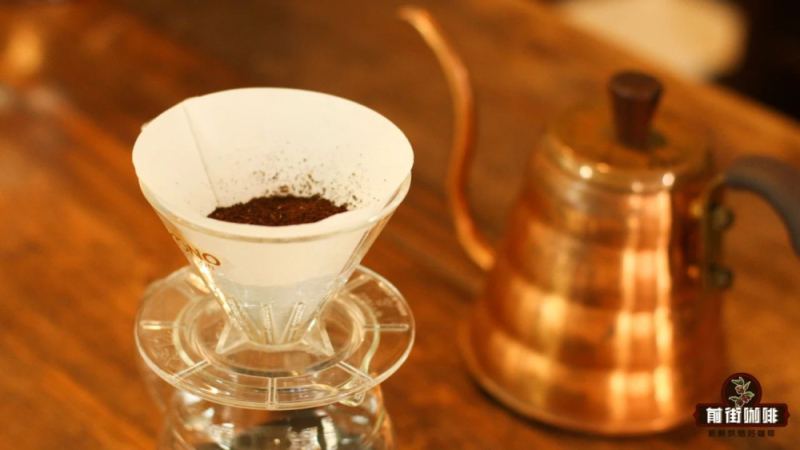
Among them, the dripper and filter paper are responsible for filtering out coffee grounds and also absorb the oils in the coffee, making the mouthfeel cleaner. Front Street Coffee's stores routinely use the V60 and Kono drippers for their daily offerings. The V60 is mainly responsible for lighter-roasted coffee beans, while the Kono is used for darker-roasted coffee beans.
The role of the digital scale is to weigh the coffee beans and the poured water. Only by quantifying every parameter can there be any talk of replication and only then can consistency of the final product be ensured. The thermometer works on the same principle: before each pour, you must confirm that the water temperature falls within the appropriate range—when brewing lighter-roasted beans with a V60 dripper, choose a water temperature of 90 to 92°C, while for darker-roasted beans, choose 88 to 89°C.
The grinder is equally critical. The coarseness of the coffee grounds directly affects the taste of a cup of pour-over coffee: if the grounds are too coarse, the taste is weak; if too fine, the taste is bitter. Front Street Coffee recommends controlling the grind size for pour-over coffee to medium-fine, with a passing rate of about 80% when measured with a 0.85 mm standard sieve.
How do you brew pour-over coffee?
Brewing pour-over coffee is actually quite simple. The key is to control several factors that affect the taste: the coffee-to-water ratio, grind size, water temperature, and extraction time.
When Front Street Coffee makes it, it first weighs 15 grams of coffee beans, with a coffee-to-water ratio of 1:15, meaning 225 grams of hot water need to be poured.
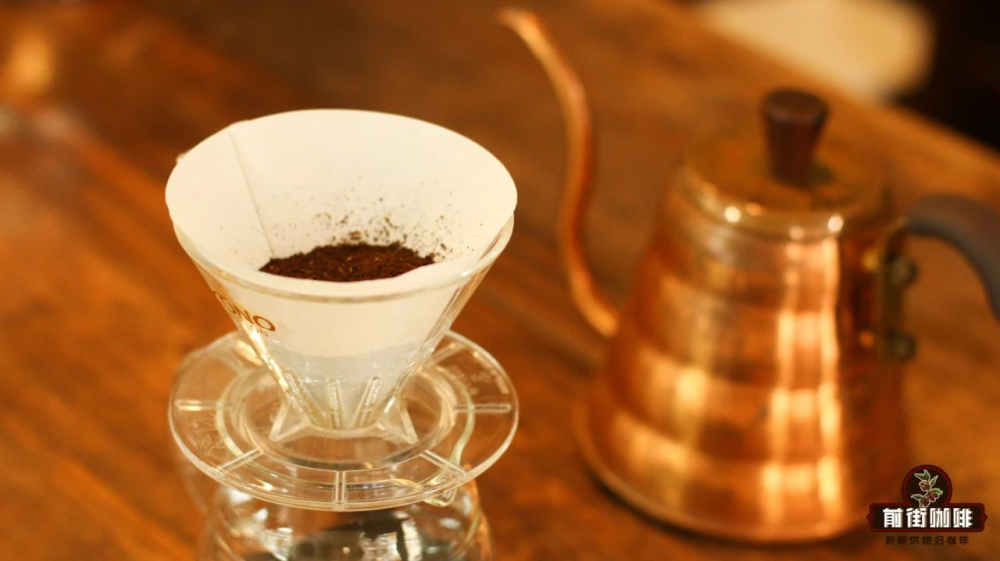
Before brewing, first rinse the filter paper with hot water so that the dripper and filter paper fit more tightly. Then grind the coffee beans to the coarseness we need, that is, the medium-fine level mentioned earlier.
Pour the ground coffee into the dripper, and once the water temperature reaches the brewing requirement, you can begin pouring. The entire brewing process is divided into three pours: in the first stage, pour 30 grams of water for blooming, ensuring all the coffee grounds are wet. The blooming time is 30 seconds, with the purpose of releasing carbon dioxide so that the subsequent water can extract the coffee better; in the second stage, pour until 125 grams, then wait for the coffee liquid to drop by half; finally, pour the third stage until 225 grams, and likewise wait for the coffee liquid to finish filtering. The total extraction time is 2 minutes.
For more specialty coffee knowledge, please follow the WeChat public account: Front Street Coffee
The above content is compiled by CoffeeHunters, a coffee news website.


