







Search Results for: monk roasting
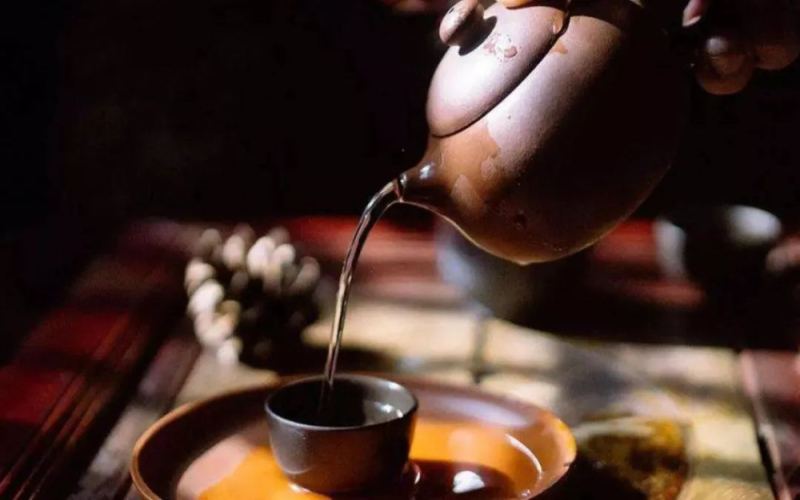
Monks Also Love Pour-Over Coffee: Ancient Temples Across Asia Open Cafés, Monks Buy Green Beans to Roast and Brew Themselves
Famous mountains and ancient temples have long been known for tea, but in recent years monks at temples in many parts of Asia have begun to take a keen interest in coffee, and cafes have quietly appeared within temple grounds. From the Starbucks at Zenko-ji in Japan, to the vegetarian coffee at Yongfu Temple in Hangzhou and Longhua Temple in Shanghai, to Korean monks who buy green beans themselves, purchase roasters, and personally brew coffee to serve visitors, coffee is gradually becoming part of temple life. This article introduces this intriguing phenomenon of traditional culture blending with an imported beverage, and explores the cultural significance behind temple coffee. At the end, it also includes netizens' profound comments on the changing role of temples. [more…]

Exploring the Temple Coffee Trend: Why Ancient Temples Like Hangzhou's Yongfu Temple Attract Young People to Check In
In recent years, a coffee trend has quietly emerged in ancient temples across Asia. From the Starbucks outlet at Zenko-ji Temple in Japan, to the café at Yongfu Temple in Hangzhou, and to South Putuo Temple in Xiamen recruiting baristas, the combination of temples and coffee has repeatedly drawn attention. Young people are flocking to temples, sipping specialty coffees named "Cleansing Worries" and "Stopping Snow" while soaking in the serene atmosphere of ancient temples. This sense of contrast born from the collision of Eastern and Western cultures, combined with the immersive scene experience, has made temple coffee quickly go viral online. This article will walk you through the reasons behind the popularity of temple coffee, as well as the monks' true attitudes toward coffee. [more…]

A Complete Analysis of the Origins of Espresso Drink Names: The Stories and Differences Behind Cappuccino, Latte, and Americano
Cappuccino, latte, Americano—where exactly do these familiar Italian coffee names come from? And what are the essential differences between them? Starting from Front Street's production practices, this article provides a detailed breakdown of the recipe ratios, flavor characteristics, and naming origins of these three classic coffees. You'll learn how cappuccino got its name from monks' attire, why ordering a latte in Italy can lead to an embarrassing misunderstanding, and how Americano was born from the drinking habits of American soldiers. The article also includes the specific parameters and flavor performance of Front Street's classic blend and Huakui beans when making different coffees, making it suitable for coffee enthusiasts who want to gain a deeper understanding of Italian coffee culture. [more…]
Exploring African Specialty Coffee: The Origin Story and Iconic Flavor Profile of Yirgacheffe
In Ethiopia, the ancient birthplace of coffee, Yirgacheffe has conquered the taste buds of coffee lovers worldwide with its unique floral and fruity aroma. This small town, situated at an altitude of 1,700 to 2,100 meters, benefits from the humid microclimate of the misty valley rift, nurturing a captivating flavor profile interwoven with citrus, lemon, and jasmine, and has become the benchmark for African washed specialty coffee. From its initial cultivation by monks to its inheritance by farmer cooperatives, Yirgacheffe has carved out a legendary path from forest gardens to international auction stages. This article will take you into the historical origins of Yirgacheffe, detailing the dry and wet aroma expressions, sweet-acidity layers, and roasting compatibility of Front Street Coffee's Yirgacheffe, so you can experience that marvelous sensation of "coffee on the palate, a hundred flowers in bloom." [more…]
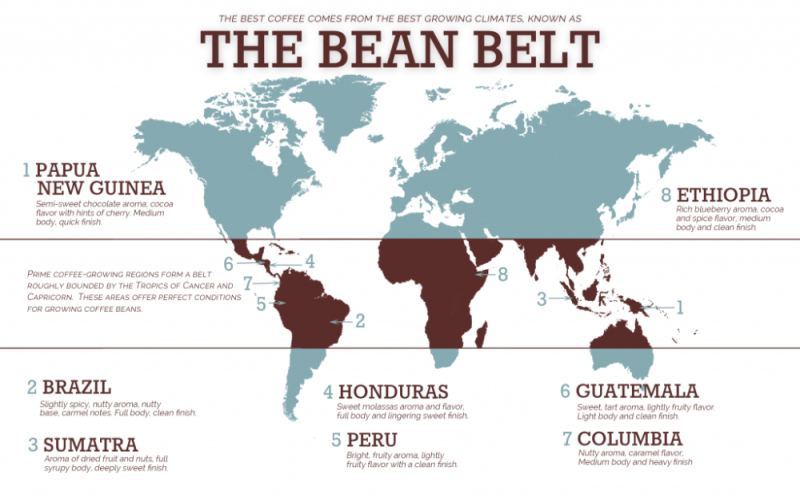
A Comprehensive Analysis of Arabica Coffee Beans: From Origins and Spread to Front Street Coffee's Seven Major Producing Regions' Daily Staple Bean Recommendations
Arabica coffee beans have always held a core position in both commercial and specialty coffee thanks to their outstanding aroma and acidity. Their cultivation span stretches across multiple producing regions in South America, Central America, Africa, and Asia. Tracing their history, they were first used as medicine by Islamic monks, and only in the 13th century did the practice of roasting them for drinking develop. After spreading to Europe via the Arab world in the 16th century, they gradually became popular worldwide. Arabica coffee began spreading around the world from the mid-18th century, and most existing varieties originate from Typica, evolving into distinctive new varieties as they adapted to different climates and terroirs. In the 19th century, a large-scale outbreak of leaf rust caused massive coffee tree deaths, prompting breeders in the mid-20th century to begin developing disease- and pest-resistant varieties. Today, the Arabica family has more than a hundred varieties. Altitude has a significant impact on flavor, and this article will also introduce seven daily-drinker beans from key producing regions selected by Front Street Coffee. [more…]
Sun-Dried Yirgacheffe Worka Coffee: A Full Analysis of Its Medium-Bodied, Non-Intense Flavor and Origin Cultivation
Yirgacheffe, as one of the highest coffee-growing regions in the world, is renowned for its terroir characterized by a unique interweaving of floral and fruity aromas. This article provides a comprehensive analysis of the estate cultivation background, origin terroir conditions, and flavor and taste characteristics of natural-process Yirgacheffe Woka coffee. From the wetland environment at an altitude of nearly two thousand meters, to the historical origins of cultivation pioneered by European monastic scholars, and further to the complex expression of Front Street Coffee Yirgacheffe's dry and wet aromas, the article meticulously presents the unique character of this coffee—not intense, with a medium body and a lively, bright acidity. Whether a coffee enthusiast or a professional in the industry, readers can gain an in-depth understanding of why Yirgacheffe has become synonymous with Ethiopian specialty coffee. [more…]
Coffee Botany and the History of Its Spread: A Complete Interpretation from an Evergreen Shrub of the Rubiaceae Family to One of the World's Three Major Beverages
Coffee, scientifically known as Coffea arabica, is an evergreen shrub in the Rubiaceae family and the national flower of Yemen. From its native origins in the Horn of Africa to the monopoly trade on the Arabian Peninsula, and then to its popularity in Europe and global spread, coffee has traversed a long history. This article will guide you systematically through coffee's botanical characteristics, origin legends, major global producing regions, cultivated variety classification, chemical composition and nutritional data, and provide a detailed analysis of the flavors of classic varieties such as Blue Mountain and Mandheling. Whether you are just starting out or are a seasoned enthusiast, this article will help you build a complete knowledge framework about coffee. Front Street Coffee will also recommend classic beans worth trying. [more…]

Tracing the Origins of Espresso Drink Names: An Analysis of the Origins of Espresso, Americano, Latte, Cappuccino, and Mocha
Behind every classic espresso drink lies an interesting piece of history. Why is Espresso called "fast"? Was Americano really invented by American soldiers? Is latte originally just milk in Italian? Does cappuccino really get its name from a monk's robe? And mocha—does it refer to a port, a coffee bean, or that chocolate-flavored drink? In this article, Front Street Coffee walks you through the naming logic and historical origins of these common espresso drinks, from the espresso machines of the early twentieth century, to the U.S. military cafés of World War II, to the arrival of caramel macchiato in the 1990s, explaining the stories behind the names all at once. [more…]
A Complete Analysis of Yirgacheffe Specialty Coffee Beans: Origin, Variety, Grade, Roast, Flavor, and Mouthfeel
Yirgacheffe is one of Ethiopia's most representative specialty coffee regions, renowned worldwide for its citrus notes, jasmine aroma, and delicate body. This article provides a systematic introduction to the unique flavor characteristics of Yirgacheffe coffee beans from the perspectives of the region's history, microclimate, processing methods, and grading system. The article notes that the first coffee trees were planted by European monks, and cultivation later shifted to farmers and cooperatives, with the region encompassing mountain villages such as Idido, Hafursa, Hama, and Biloya. Yirgacheffe is divided into two main categories by processing method: washed and natural. Under SCAA standards, washed grades are classified as Gr-1 and Gr-2, while natural grades range from Gr-1 to Gr-5. The high-quality Yirgacheffe recommended by Front Street Coffee originates precisely from specialty lots in these classic producing areas. [more…]

Common Types of Italian Coffee | What Are the Classic Milk Coffee Recipes? What's the Difference Between a Latte, Macchiato, Cappuccino, and Dirty?
Espresso is a must-have beverage in every café. Many people's first impression of espresso is that it's unbearably bitter. In fact, espresso isn't limited to such bitter shots. If you want an espresso that isn't bitter and suits your taste, the first thing you need to understand is the different types of espresso. Front Street Cof [more…]
Ethiopian Coffee Legends: The Flavor Codes of Yirgacheffe, Sidamo, and Harar
As the birthplace of coffee, Ethiopia holds an irreplaceable position in the global coffee landscape. It is not only a genetic treasure trove of Arabica coffee but also the cradle of three legendary regions: Yirgacheffe, Sidamo, and Harar. From the ancient legend of the shepherd Kaldi to today's rich and varied flavor expressions, Ethiopian coffee has always been fascinating. This article will take you into this coffee holy land, exploring its cultivation history, processing methods, and unique taste, and understanding how Front Street Coffee interprets these precious bean varieties. [more…]
Yirgacheffe Red Cherry Natural Coffee: Terroir, the Red Cherry Project, and Flavor Analysis
Yirgacheffe is one of the highest-altitude specialty coffee regions in Ethiopia, and its unique terroir cultivates a coffee flavor woven with floral and fruity notes. The Red Cherry Project was launched in 2007 by the Dutch green bean trader Trabocca, aiming to improve the quality of smallholder farms by hand-picking 100% ripe red cherries. Front Street Coffee's Natural Red Cherry performs in a balanced way in terms of ripeness and cleanliness, using a light-medium roast to highlight floral notes, fruity acidity, and fermented sweetness. This article will sort out the background of the Yirgacheffe production area, the working method of the Red Cherry Project, and introduce the specific flavor characteristics of Front Street Natural Red Cherry. [more…]
Ethiopia Yirgacheffe Natural Aricha G1 Flavor Analysis and Pour-Over Parameters
Yirgacheffe is one of Ethiopia's most representative specialty coffee regions, and its natural process lots are highly sought after for their intense fruity aromas and full body. This article focuses on the natural G1 grade Yirgacheffe produced by the Kebel Aricha processing station, a lot belonging to the Project Origin green coffee sourcing project initiated by Sasa Sestic, the 2015 World Barista Champion. The article will guide you through Yirgacheffe's growing background, processing methods, and flavor characteristics, and share a complete set of pour-over extraction parameters. It also introduces information about Front Street Coffee's related products, making it suitable for coffee lovers who enjoy bright acidity and berry notes. [more…]

Front Street Yirgacheffe Natural Aricha G1 Coffee Bean Flavor Analysis and Brewing Suggestions
Yirgacheffe is one of Ethiopia's most representative specialty coffee regions, and the naturally processed Aricha G1 is among its most sought-after lots. This article focuses on Front Street Coffee's Ethiopia Yirgacheffe Red Cherry G1, outlining its regional background, grade classification, processing method, and flavor characteristics, while also introducing the origin story behind the Project Origin green coffee project. The article also breaks down the key tasting points and everyday brewing approaches for naturally processed Yirgacheffe, helping coffee enthusiasts gain a more comprehensive understanding of this bean's appeal. Whether you prefer bright acidity or are drawn to rich berry notes, you'll find useful information here. [more…]
Exploring Africa's Star Region: The Flavor Code and Grading of Ethiopian Yirgacheffe Coffee Beans
Yirgacheffe is Ethiopia's most representative specialty coffee region and Africa's most renowned coffee calling card. This small town, situated at an altitude of 1,700 to 2,100 meters, takes its name from an ancient phrase meaning "let us settle here on this wetland," and has won over coffee lovers worldwide with its distinctive citrus florals and silky, full-bodied mouthfeel. From its initial cultivation by European monastic monks to today's landscape shaped jointly by surrounding coffee communities and cooperatives, Yirgacheffe is divided into two main categories—washed and natural—based on green bean processing methods, each with different grading standards. This article will take you deep into the terroir secrets, flavor characteristics, and grading system of this legendary region, and Front Street Coffee will also recommend classic selections worth savoring. [more…]

A Comprehensive Analysis of Ethiopia's Yirgacheffe Region: Flavor Code from a Wetland Town to World-Class Specialty Coffee
Yirgacheffe, a highland town located at an altitude of 1,700 to 2,100 meters in Ethiopia, has now become one of the most recognizable names on the global specialty coffee map. Having emerged as a separate origin from the Sidamo region, it presents a captivating flavor profile woven from jasmine floral notes, citrus acidity, and blueberry sweetness through both washed and natural processing methods, and has been praised as "coffee on the palate, a garden of flowers in bloom." This article will take you deep into Yirgacheffe's geographical origins, cultivation traditions, grading system, and flavor characteristics, and recommend several Front Street Coffee Yirgacheffe products to help you find the cup that suits you best. [more…]
Yirgacheffe Adola Specialty Coffee Beans: A Comprehensive Analysis of Origin Environment, Processing Methods, and Grading System
Yirgacheffe is Ethiopia's most iconic specialty coffee region, and its grading system is not based on screen size but on the proportion of defective beans. Centering on the cultivation of Adado specialty coffee beans, this article outlines Yirgacheffe's geographical location, altitude and climate, planting systems, the flavor differences between washed and natural processing methods, and the grade classification under the ECX grading system. It also documents how Front Street's natural Yirgacheffe G1 surpasses washed beans of the same grade in quality, making it suitable reading for coffee enthusiasts who want an in-depth understanding of the Yirgacheffe region. [more…]

Origins of Espresso | What Are the Common Espresso Drinks? Introduction to Espresso Milk Drinks, Fancy Coffee, Espresso Extraction Ratios, and Preparation Steps
Italian coffee refers to espresso (Espresso). According to the Oxford Dictionary, espresso is a highly concentrated coffee extracted under pressurized conditions, and is a type of coffee with a strong taste. Italian coffee originated in Italy during the Industrial Age, when people, in order to make the most of a brief break, [more…]
Yirgacheffe Adado: A Comprehensive Analysis of Variety Classification, Terroir, and Washed/Natural Flavor Profiles of Ethiopian Specialty Beans
Yirgacheffe is both a highland town in Ethiopia and one of the most recognizable flavor symbols in the global specialty coffee world. This article systematically sorts through the variety classification system of Yirgacheffe specialty coffees such as Adado, the terroir conditions of the origin, the process differences between the two processing methods of natural and washed, and the signature flavors of citrus, jasmine, and fermented fruit sweetness that arise from them. From red cherry picking standards to the ECX grading system, from the innovation of traditional natural processing to the introduction of washed techniques, and then to Front Street Coffee's brewing suggestions, this takes you through a comprehensive understanding of why this wetland area can give rise to Africa's most famous specialty coffee. [more…]

An In-Depth Guide to Front Street Yirgacheffe Red Cherry Natural G1 Pour-Over Parameters and Flavor Profile
Yirgacheffe is Ethiopia's most iconic specialty coffee region, and the sun-dried G1 under the Red Cherry Project is the cream of the crop. This article provides a comprehensive analysis of the unique charm of Front Street Yirgacheffe Red Cherry coffee beans, covering everything from the region's geography, historical origins, processing methods, and grading standards to roasting recommendations and pour-over parameters. You will learn how the Kebel Aricha processing station uses refined sun-drying methods to create stunning fruity flavors, and how to use a V60 dripper to extract the alluring aroma of berries and lightly fermented red wine. Whether you are a beginner just getting into specialty coffee or a seasoned enthusiast in search of the ultimate flavor, this guide will help you better savor this sun-dried Yirgacheffe, hailed as the "King of Fruits." [more…]