







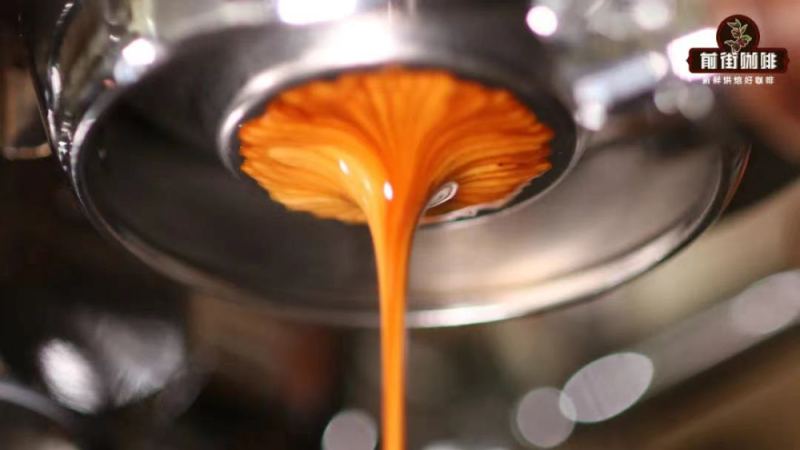
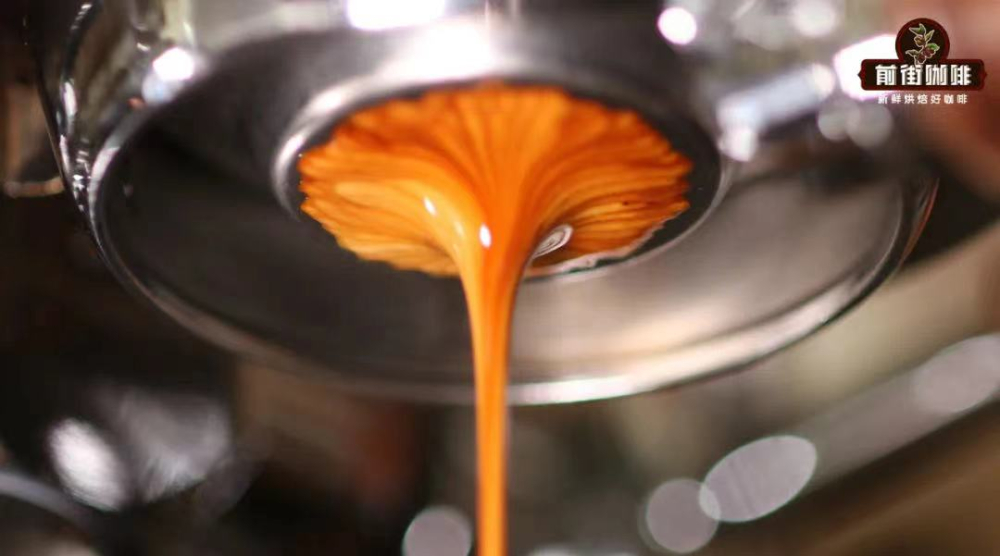
Espresso refers to Italian-style concentrated coffee (Espresso). According to the Oxford Dictionary, espresso is a highly concentrated coffee extracted under pressure, a type of coffee with a strong taste.
EspressoIt originated in Italy during the industrial age. At that time, in order to quickly drink a cup of refreshing coffee during short breaks, someone used the pressure generated by steam power to invent a pressure-based coffee machine, which could extract a small amount but extremely concentrated coffee liquid in just a few dozen seconds.
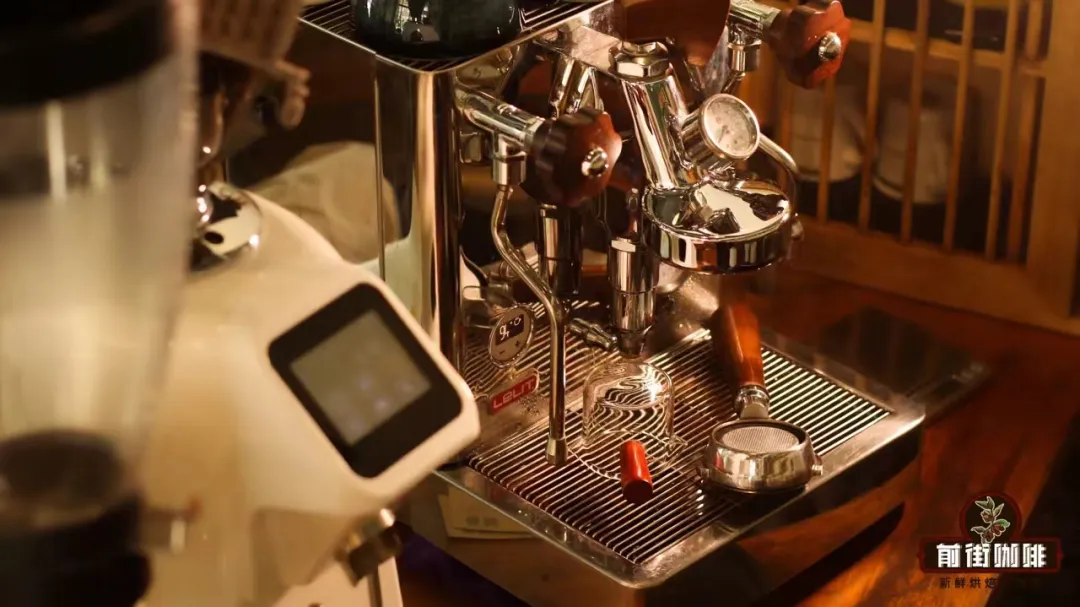
Due to its extremely high concentration, after espresso spread around the world, people in different regions gradually added different ingredients according to local taste preferences, creating various world-famous espresso products, such as Americano, Latte, Cappuccino, Mocha, and so on.
Today, the production of espresso is much more refined than when it was first invented, and the quality of the coffee beans used for espresso is also continuously improving. Therefore, many coffee shops' espresso products taste only bitter. Front Street Coffee believes that a good cup of espresso is intense and rich but clean in taste, bitter without being burnt, and with a strong sweet aftertaste.
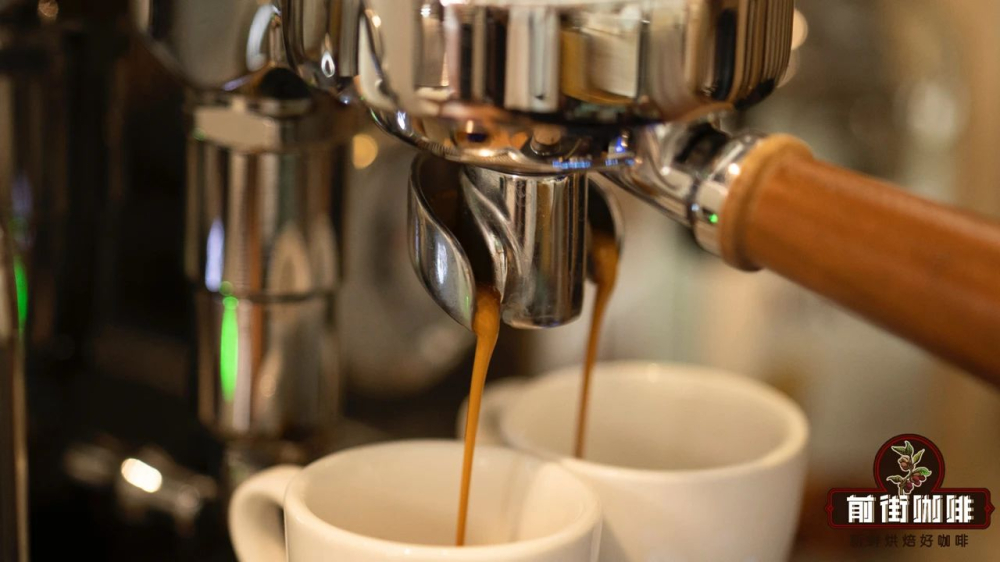
Front Street Coffee's daily store offerings use blended coffee beans to extract espresso, because compared with single-origin coffee beans, blended coffee beans can better stabilize the taste and quality performance of each cup of espresso. Front Street Coffee has also launched four blended coffee beans specially made for espresso according to the taste needs of mass consumers.
"Front Street Coffee Front Street Specialty Blend Coffee Beans" uses Brazilian Arabica + Colombian Arabica. The extracted espresso shows dark cocoa, roasted nuts, and a caramel-like finish, with a mellow mouthfeel and a strong sweet aftertaste.
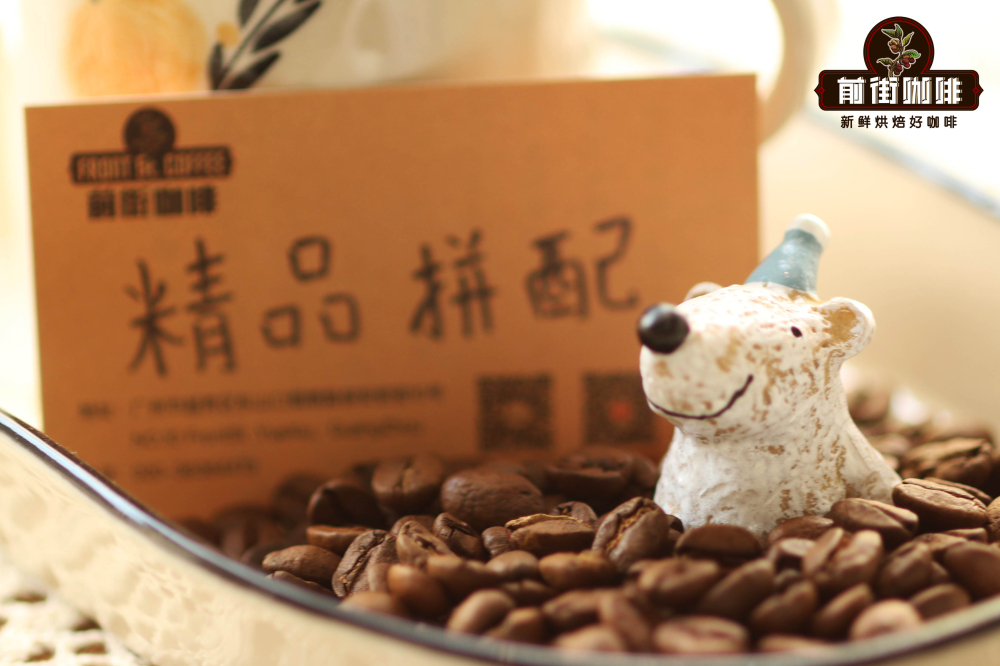
"Front Street Coffee Front Street Commercial Blend Coffee Beans" uses Brazilian Arabica + Colombian Arabica + Vietnamese Robusta. The extracted espresso shows cocoa and nuts, with a mellow and intense mouthfeel and a strong sweet aftertaste.

"Front Street Coffee Front Street Dark Cocoa Blend Coffee Beans" uses Yunnan Arabica + Brazilian Arabica. The extracted espresso shows slight fruity acidity, dark chocolate, and nuts, with a rich and slightly acidic mouthfeel.

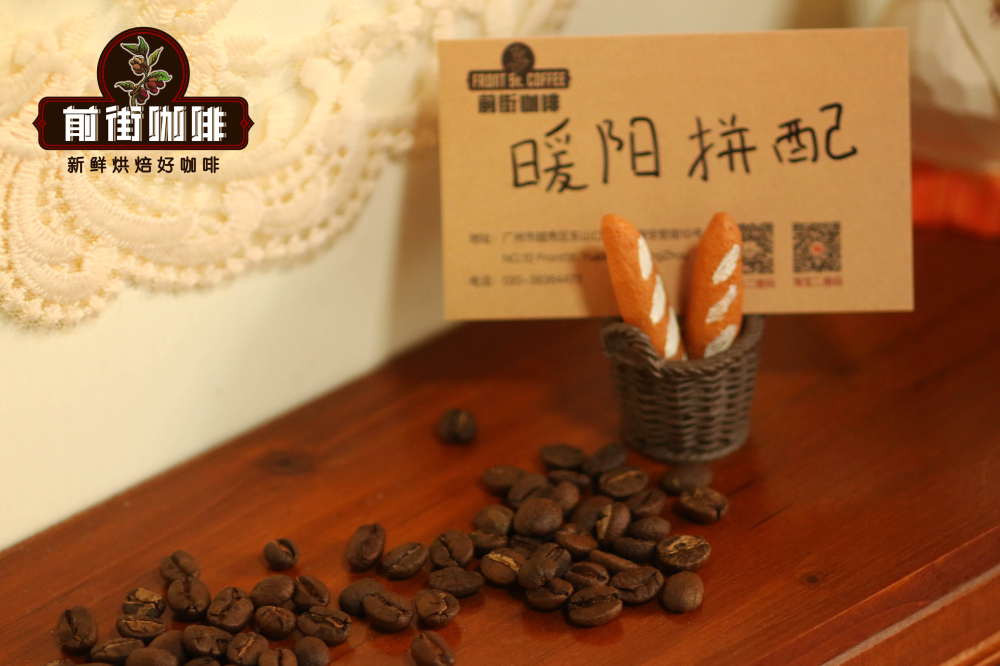
"Front Street Coffee Warm Sun Blend Coffee Beans" uses Ethiopian natural Yirgacheffe + Honduras Sherry. The extracted espresso shows fermented wine aroma, berries, vanilla cream, and nutty caramel, with a rich and smooth mouthfeel and a distinctive flavor.
Because the taste is rich and intense, it is very suitable as the base for coffee products. By pairing it with different amounts of milk, milk foam, water, and so on, a great many espresso products can be made.
1. Latte (Caffe Latte)
Latte means milk in Italian. If you go to a coffee bar in Italy and tell the barista you want a cup of "Latte," the barista may look at you with a confused expression, and then give you a cup of milk. To drink a coffee latte in Italy, you must say "Caffe Latte" to get the latte you want.

Front Street Coffee baristas usually use a double espresso (40g) as the base to make a latte, add 200 ml of hot milk or iced milk steamed with smooth milk foam, and blend it evenly.
2. Cappuccino (Cappuccino)
Compared with latte, cappuccino has thicker and denser milk foam. This is because its appearance resembles the monks of the Italian Franciscan Order, with a white hood covering a dark brown robe. In Italian, Cappuccin refers to a Franciscan monk, and Cappuccino got its name from this.
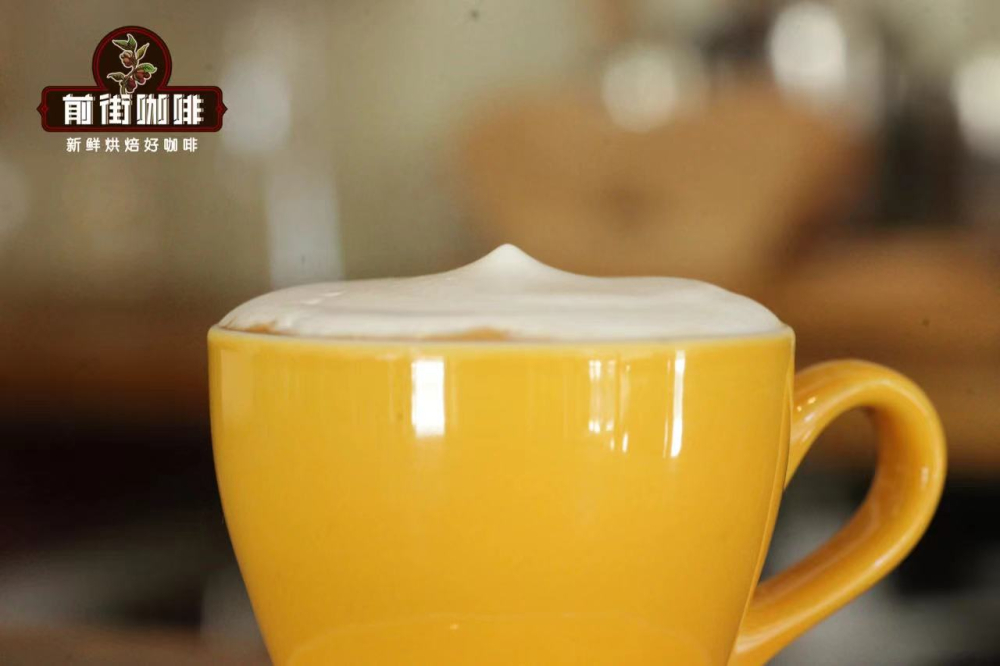
In order to highlight the characteristics of cappuccino, Front Street Coffee baristas generally only make hot cappuccino, because this allows you to taste a richer coffee flavor. The method is not complicated: first use a double espresso (40g), add 150 ml of hot milk, and when steaming it, create about 3 cm of dense milk foam. When you take the first sip, it is all a rich mouthfeel from the combination of aromatic coffee crema and fluffy foam.
3. Mocha (Mocha)
At the earliest, the word mocha referred to a port in Yemen, that is, coffee beans produced locally and exported from there to nearby countries and regions. These coffee beans had a rich chocolate flavor, so mocha coffee was also broadly used to refer to special coffee bean varieties with a chocolate aroma. But later, after the port was demolished, in order to drink coffee with the same flavor, Europeans came up with the idea of adding chocolate sauce or cocoa powder to milk coffee, and it became what we now know as espresso mocha coffee.
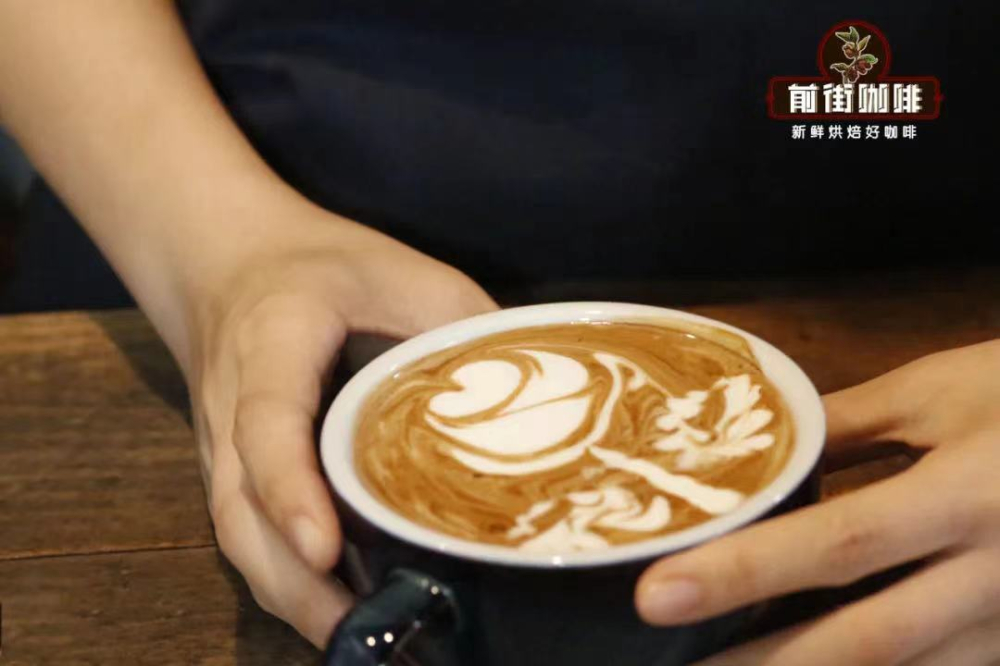
Front Street Coffee baristas usually make espresso mocha coffee with a double espresso (40g) + 20–30g of chocolate sauce/cocoa powder. After stirring evenly, use 200 ml of fresh milk to steam smooth milk foam, and control the temperature at 50–60°C. Finally, combine it with the chocolate espresso base, pour a pattern you like, and a cup of rich and fragrant mocha coffee is complete.
4. Americano (Americano)
During World War II, American soldiers came to Italy. They were not used to the coffee made by Italian espresso machines, so they added a large amount of hot water to espresso to dilute the taste.
This action amazed the Italians, so they called this American way of drinking it "Americano," which means "American" in Italian. When Americans heard this slightly mocking name, not only did they not take offense, but they actually felt pleased with it, so the name Americano spread and specifically referred to the drinking method of diluting espresso with hot water.
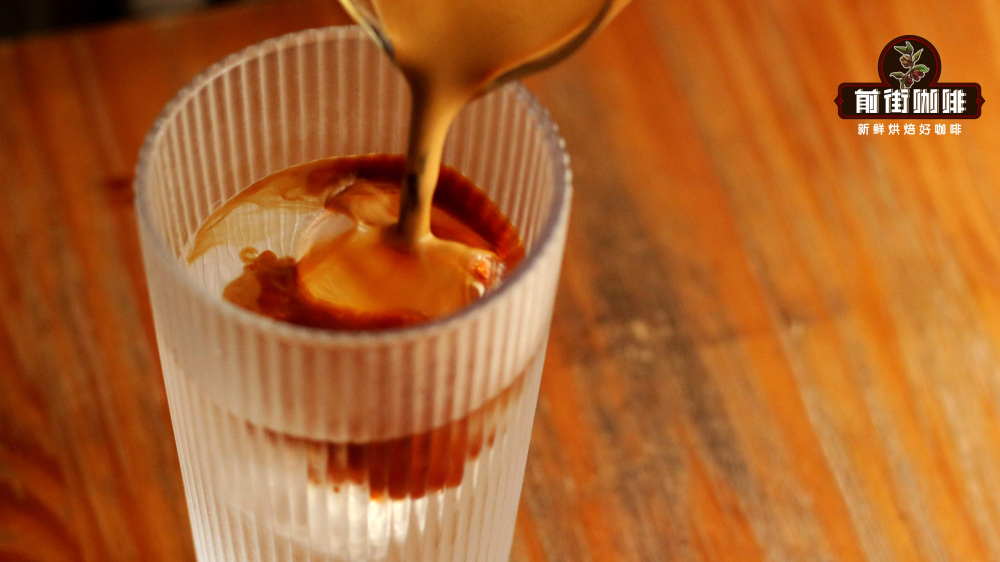
In fact, there is no strict rule for the amount and temperature of water in Americano, and everyone can adjust it according to their preference for strength. After many experiments, Front Street Coffee baristas came up with a ratio of 1:6: pour 40 grams of double espresso into 180 grams of hot water at 80°C, and hot Americano is complete. If you like a refreshing and thirst-quenching iced Americano, simply replace the hot water with 90 grams of ice + 150 grams of room-temperature water, and finally pour double espresso over it in the same way.
The above content is compiled by CoffeeHunters, a coffee news website.


