







What Is Behind the Temple Coffee Trend in Asia?
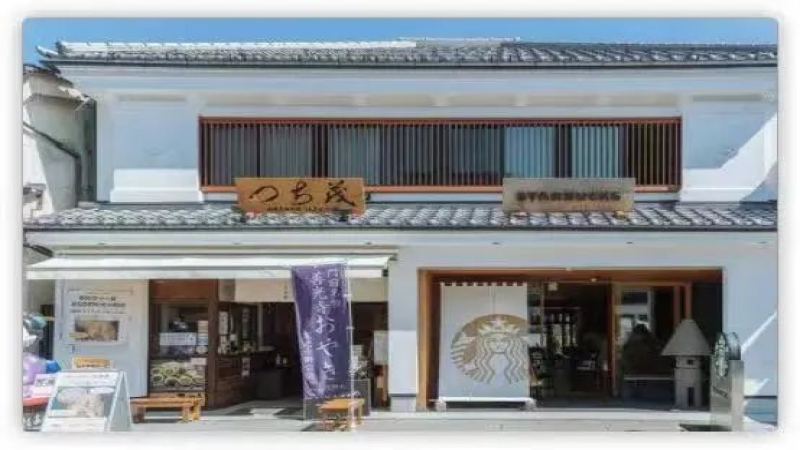
Ancient temples across Asia have become unexpected coffee destinations. Starbucks Japan opened a store inside the 1,300-year-old Zenko-ji Temple in 2020, Yongfu Temple in Hangzhou opened a café in 2021, and South Putuo Temple in Xiamen has recruited baristas. Young visitors order drinks named Cleanse Worries and Stop Snow, then linger in the temple grounds, turning a visit into a check-in stop.
The appeal comes from contrast. A coffee counter inside a centuries-old shrine mixes East and West, and the setting itself becomes the experience people share online. Business at every temple café mentioned is strong, which has led more temples to approve third-party coffee shops on their premises. For broader coffee knowledge, the trend shows how place and atmosphere shape what drinkers value as much as the beans do.
In recent years, a coffee trend has quietly emerged in ancient temples across Asia. From the Starbucks outlet at Zenko-ji Temple in Japan, to the café at Yongfu Temple in Hangzhou, to South Putuo Temple in Xiamen recruiting baristas, the combination of temples and coffee keeps drawing attention. Young people flock to temples, sipping specialty coffees named "Cleanse Worries" and "Stop Snow" while soaking in the serene atmosphere of ancient shrines. This contrast born of East-meets-West cultural collision, combined with the immersive scene experience, has quickly made temple coffee go viral online. This article will walk you through the reasons behind temple coffee's explosive popularity, and the real attitudes of monks toward coffee.
For professional coffee knowledge exchange and more coffee bean information, please follow Coffee Workshop (WeChat official account cafe_style)
For more specialty coffee beans, please add our private WeChat Front Street Coffee (FrontStreet Coffee), WeChat ID: qjcoffeex
How good is the temple coffee business? It's unclear when exactly it started, but people in various regions have been flocking to drink coffee in temples. In recent years, a coffee wave has begun to sweep through some ancient temples across Asia. Perhaps it's a hope to use coffee as a medium to give more young people a further understanding of traditional architectural culture, or perhaps monks have also developed a strong interest in coffee—either way, every temple café is doing very well. In 2020, Starbucks Japan opened a store in the precincts of Zenko-ji Temple, which has a history of over 1,300 years, winning unanimous praise from the temple and its monks. More than two years on, as netizens make their pilgrimage to check in and grab a coffee, more and more of them are gaining new awareness and understanding of this millennium-old temple.
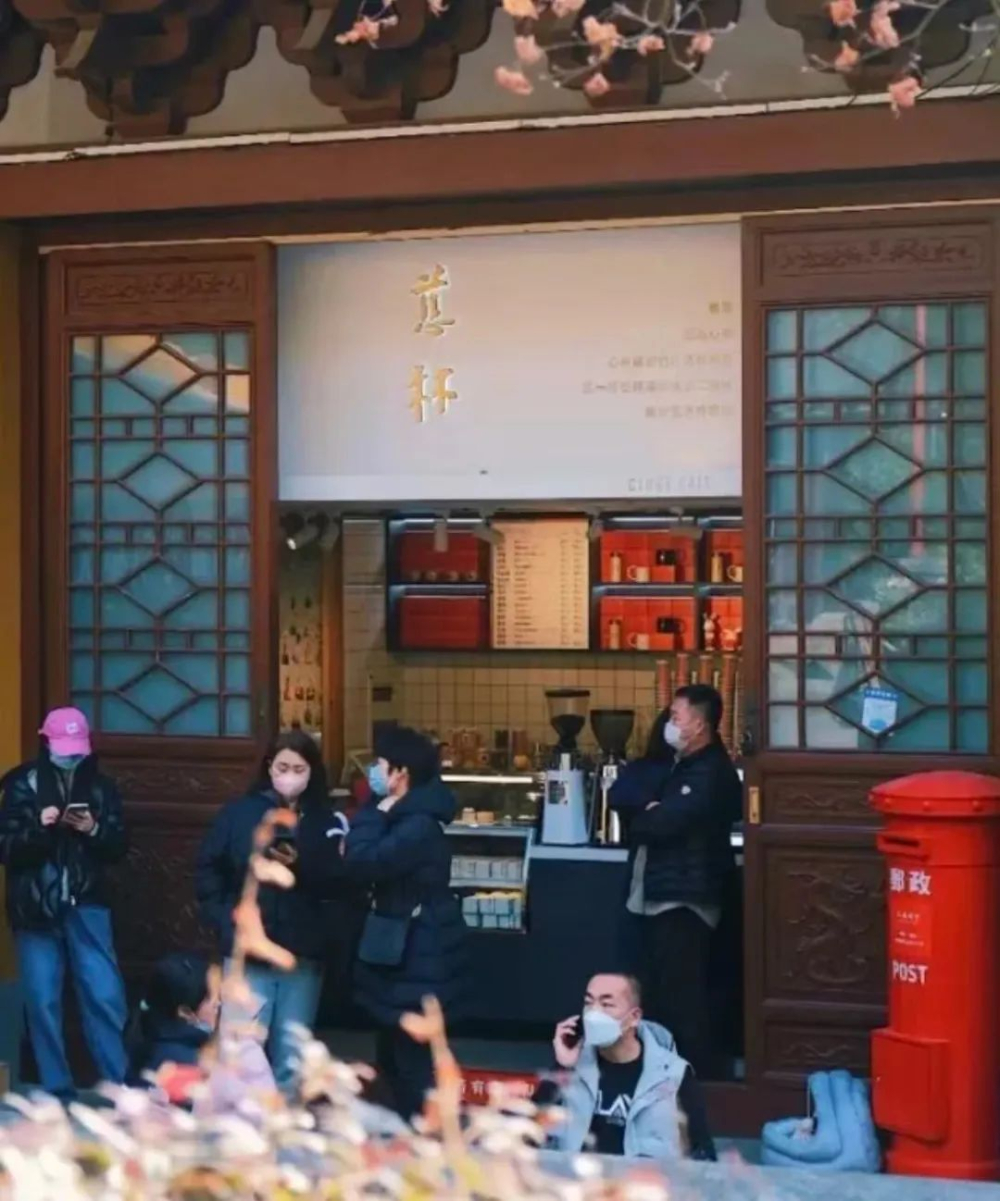
Then in 2021, Yongfu Temple in Hangzhou, China quietly opened a café, and the tag "monk selling coffee" made it an instant hit, with drinking coffee at the temple becoming a "must-check-in" destination for netizens. Every weekend and holiday, many young people flock to the temple, sipping coffee while enjoying the happiness and tranquility the environment brings to their inner selves.
With the popularity of the Yongfu Temple café, more and more ancient temples have approved third parties to open coffee shops on their premises over the past two years, and some temples have gone directly into the coffee business themselves.
A while ago, the HR department of South Putuo Temple Industrial Society in Xiamen posted a barista job listing. As for the requirements, many netizens noted that this temple café does great business, especially on weekends and holidays when you have to queue up. As for the four days off per month, some netizens joked: not a shred of compassion 😂
Why do today's young people love drinking coffee in temples?
One reason is people's acceptance of innovative promotion of Chinese tradition, another is consumers' curiosity, and another is the contrast the combination creates.
Compared to dry informational materials and educational content, a cup of Americano named "Cleanse Worries," a latte named "Stop Snow," a caramel macchiato named "Mo Bai"... people can feel the temple's beauty and tranquility simply through the product names.
Tags like "monk selling coffee" and "drinking coffee in a temple" going viral online are essentially a subversion of people's preconceptions. One is the subversion brought by the fusion of Eastern and Western cultures, and the other is the subversion of the positioning of a monk (actually a temple) selling coffee. This kind of contrast has firmly captured the hearts of young people who love novel things.
At the same time, the product packaging and names blend with the setting, giving consumers a greater sense of participation and delivering an immersive experience.
Is it only tourists who are interested in temple coffee? Monks are young people too.
Besides tourists and worshippers visiting temples, monks themselves have a strong need for coffee. Although monks have always given us an image of steadiness, monks are also young people, and they too pay attention to new things. It's just that the traditional image of monks makes everyone think they only drink tea and chant sutras~
Some monks at temples even buy green coffee beans themselves to roast, and then personally brew coffee for visiting guests. A while ago, a Korean variety show captured exactly this scene. When a guest said, "I thought monks only drink tea," the monks laughed and replied, "It seems you're still living in the past—monks have to keep up with the times too."
After the episode aired, the temple immediately caught the attention of young netizens, who then set off in droves hoping to drink coffee brewed by the monks. But in the end, the temple monks said: coffee is only served to visitors with reservations, and there are currently no plans to sell coffee at the temple. Image source: Internet
The above content is compiled by CoffeeHunters, a coffee news website.


