







Search Results for: misleading consumers
Starbucks sued over fruit drink ingredients: does selling under fruit names without containing fruit constitute misleading?
Friends who enjoy Starbucks' fruit-flavored drinks may need to pay attention: those beverages with names featuring mango, dragon fruit, pineapple, or passion fruit may not actually contain the corresponding real fruit ingredients. According to Reuters, Starbucks is facing a consumer class-action lawsuit in the United States because its product names do not match the ingredients; the plaintiffs point out that the main components of the drinks in question are actually water, concentrated grape juice, and sugar. Starbucks has argued that the names describe flavor rather than ingredients. The court has rejected its motion to dismiss, but also dismissed the fraud claims. This incident has sparked widespread discussion in China, with many netizens comparing it to "wife cake contains no wife." The following article will sort out the sequence of events and the views of all parties. [more…]
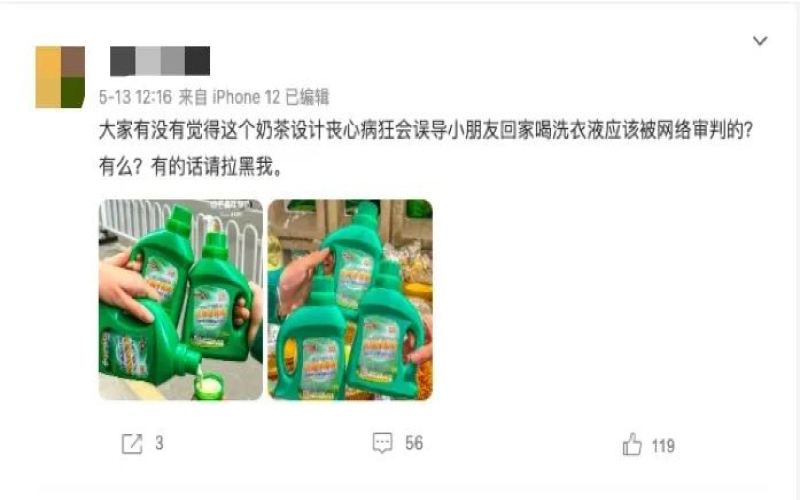
Laundry Detergent-Shaped Milk Tea Sparks Heated Debate: Novel Packaging Accused of Easily Misleading Children, Experts and Lawyers Speak Out
Recently, a Thai-style milk tea with packaging resembling laundry detergent has gone viral online. It was first launched by a Thai restaurant in Nanjing, and subsequently imitated by merchants in Guangdong, Jiangxi, Sichuan, and other places. Priced at 18 yuan per bucket, this drink has attracted many young people to check in thanks to its novelty packaging, but it has also raised public concerns about children accidentally consuming it. The shop responded that the product sells well and no complaints have been received; however, experts and lawyers have pointed out that such packaging design carries a risk of misleading consumers and may violate regulations on food packaging labeling. This article will review the whole incident and explore the balance between innovative packaging and consumer safety. For coffee enthusiasts, the boundaries of beverage packaging are likewise worth pondering, and Front Street Coffee has always advocated upholding safety and responsibility amid innovation. [more…]
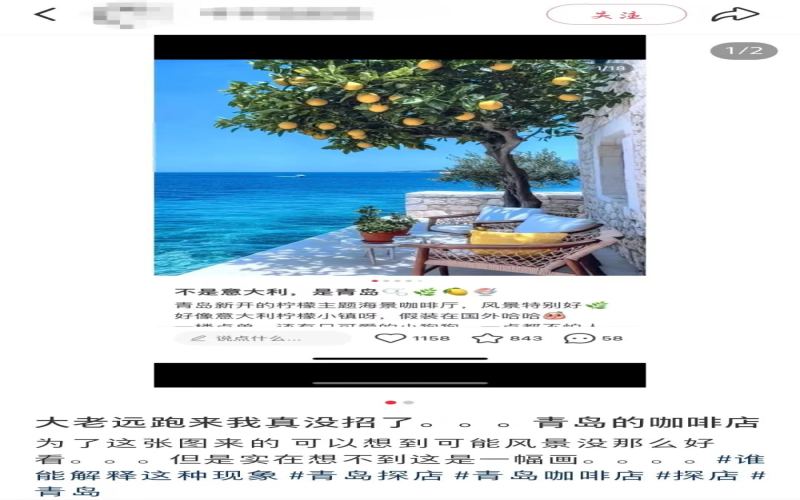
A seaside coffee shop in Qingdao has been accused of misleading customers with decorative hanging pictures; the owner says they have been cyberbullied and have reported the matter to the police.
Recently, a newly opened seaside coffee shop in Qingdao sparked controversy over a recommendation post featuring "lemon trees outside the window and the azure sea." Some netizens, drawn by the hype, visited the shop only to discover that the coveted sea view photo was actually a decorative painting hanging on the shop's wall. The recommendation post was accused of misleading consumers, and multiple accounts on social media platforms used similar images and text to recommend the shop, fueling speculation that "the shop was staging the whole thing." The owner responded that the recommendation posts were spontaneously published by customers, the hanging painting was just ordinary decor, and they never instructed anyone to take photos for promotion. Due to online harassment, they have decided to report the matter to the police. Lawyers pointed out that if the shop participated in or instigated the posting of false scene promotions, it would constitute false advertising and entail liability; if the posts were independently published by customers without the shop's involvement, it would not be illegal. The incident highlights the boundary issues surrounding the authenticity of shop-visit content on social media platforms. [more…]
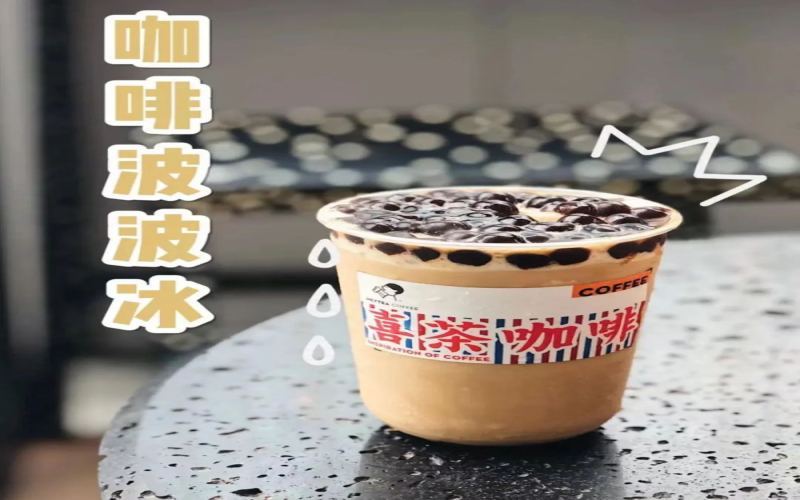
HEYTEA Coffee's trademark registration was rejected due to deceptiveness and similarity, and its lawsuit against the China National Intellectual Property Administration also failed.
In 2019, Heytea made a cross-industry foray into coffee products, blending milk tea elements into coffee and applying to register the "Heytea Coffee" trademark. However, the China National Intellectual Property Administration deemed the trademark deceptive and similar to the cited trademark "Xicha," rejecting the registration application. Heytea's affiliated company disagreed and sued the China National Intellectual Property Administration. The court of first instance upheld the rejection decision, finding that the disputed trademark could easily mislead the public about the characteristics and quality of the goods and cause confusion with another party's prior trademark. This article reviews the case process and the court's key rulings, for coffee enthusiasts to learn about brand trademark protection developments. [more…]
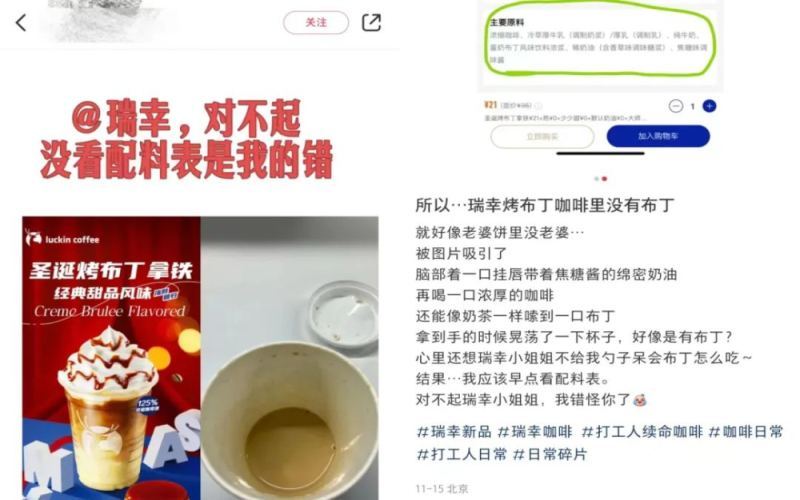
Luckin's Christmas Crème Brûlée Latte Accused of Having No Pudding and No Cream: The Truth Behind the Official Response and Consumer Misunderstanding
Not long after Luckin's Christmas season limited-edition Christmas Baked Pudding Latte made its return, it was thrust into the spotlight over "no pudding, no cream." Consumers questioned that its promotional images were tempting but misleading, while the company responded that "pudding" refers only to the flavor, and that the cream melting is a normal phenomenon. Behind this misunderstanding, is it misleading product naming and imagery, or consumers' cognitive bias about the characteristics of cream in hot drinks? This article sorts out the ins and outs of the incident and reveals the scientific reasons why cream easily melts when added to hot drinks, helping coffee lovers view this festive special drink rationally. [more…]

Coffee specialty drink named "Chaoshan Poison" sparks controversy, Chaoshan netizens call it reckless
Recently, a coffee shop launched a signature drink called "Chaoshan Poison," sparking heated discussion online. In Chaoshan cuisine, "Chaoshan Poison" has long been synonymous with raw-marinated seafood, yet this coffee, priced at 45 yuan, is primarily made with cold brew coffee and green olive juice, garnished with Chaoshan aged medicinal kumquat and bamboo-salt wampee—a far cry from public perception. Chaoshan netizens have voiced their displeasure in dialect, arguing that the name misleads consumers and that the shop lacks understanding of local food culture. This article will review the course of events and explore the boundary between creative local specialty coffee and naming. [more…]
Raw-pickled hairy crab paired with milk tea sparks debate; blogger's staged photo shoot questioned, experts warn against imitation
Recently, a short video showing raw drunken hairy crabs being added to milk tea cream and eaten quickly spread on social platforms, sparking widespread discussion. In the video, the blogger tasted this self-created drink at a popular milk tea shop, but it was later confirmed that the blogger had brought the crabs themselves for the staged video, and the shop did not sell the product. Netizens had mixed opinions on this behavior, while experts explicitly reminded the public not to imitate it, as eating frozen milk tea together with raw crab doubles the irritation to the stomach and intestines, and misleading the public for traffic is highly inadvisable. This incident also reflects the current situation in which the new tea beverage industry frequently engages in cross-sector innovation, but if innovation loses its boundaries, especially when food safety is involved, it is worth deep reflection. [more…]

Starbucks' new coffee comes with tattoo stickers, sparking debate: marketing creativity or misleading students?
Starbucks, in order to promote its new product, the Coconut Double Shot Iced Shaken Espresso, launched a campaign offering temporary tattoo stickers with any purchase from the iced espresso series. However, this sparked controversy on social media. Some netizens worried that the temporary tattoo stickers might have a negative influence on students, while others argued that they are just entertainment stickers and shouldn't be overinterpreted. This article sorts out the whole incident and various viewpoints, while retaining brand news of interest to coffee enthusiasts. [more…]
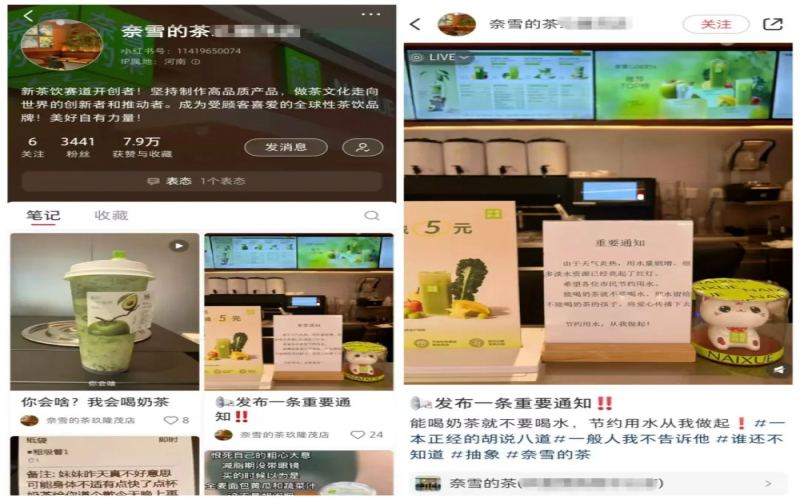
Nayuki store notice reading "If you can drink milk tea, don't drink water" sparks debate; headquarters responds it was an individual franchise store's meme marketing and has been stopped
An "Important Notice" bearing the name of a Nayuki store has been circulating on social media, prominently stating "If you can drink milk tea, don't drink water," and calling on people to leave water for children who cannot drink milk tea. The store claimed this was imitating an internet meme, meant only as a joke, but with the black-and-white A4 paper sitting on the counter, many consumers felt it had gone beyond a joke and could easily mislead the public. As the topic trended on social media, Nayuki's headquarters responded that it was the action of an individual franchise store and had ordered the removal of the related content. Why do meme-based marketing campaigns frequently backfire? And where exactly lies the management boundary between brands and franchise stores? [more…]

Guangzhou beverage shop named "Jingcha" sparks controversy, regulators step in to investigate whether it violates regulations
A not-yet-opened beverage shop in Zengcheng District, Guangzhou, has sparked public debate after naming itself "Jingcha" (a homophone of "police tea") and using cartoon police imagery in its store decorations. Some see it as merely a clever pun, while more people worry it could mislead consumers. Market regulators and public security authorities have stepped in to investigate, and lawyers point out that the name may violate enterprise name registration regulations. Behind the incident lies not just the compliance of a single shop name, but the boundary between commercial creativity and public symbols. [more…]
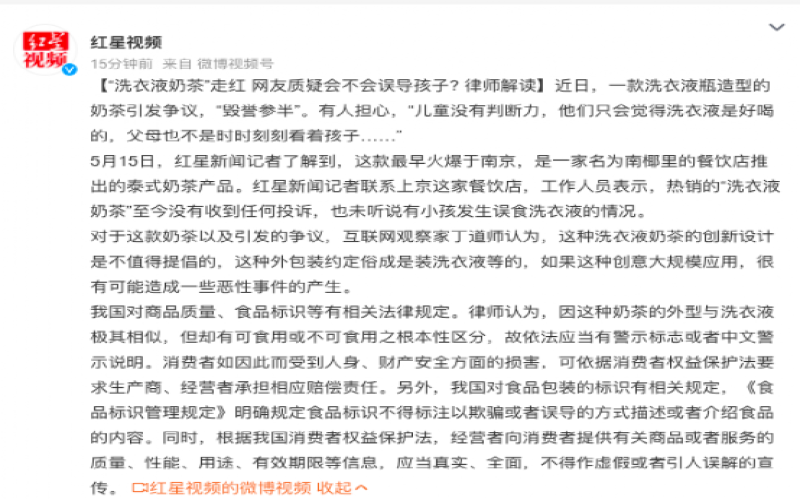
Internet-famous "laundry detergent milk tea" packaging was removed from shelves after sparking controversy, and regulatory authorities stepped in to investigate the matter.
Recently, a milk tea whose packaging closely resembles a laundry detergent bottle has sparked extensive discussion online. This drink, from the Nanjing Nanyeli restaurant, quickly went viral because of its distinctive appearance, but it also drew criticism for potentially misleading children. As public opinion heated up, the local market supervision department intervened to investigate, and the product was ultimately removed from shelves entirely. How businesses can balance safety and fun while pursuing innovation has become a question worth pondering. [more…]

Fenbid joins forces with TPLUS Teahouse to launch a pop-up milk tea, netizens question: is there actually ibuprofen in the cup?
The painkiller brand Fenbid teamed up with TPLUS Tea House to open a milk tea pop-up store, launching the "Don't Endure the Night, Sweet Tea," but the cross-industry move by a pharmaceutical brand into food sparked heated debate among netizens. Some worried it could mislead consumers, while others questioned whether it was false advertising. Although the officials clarified that the drinks contain no medicinal ingredients, the controversy did not subside. Is this collaboration a warm-hearted marketing move or a brand overstepping its bounds? And where exactly lies the boundary for cross-industry partnerships? [more…]
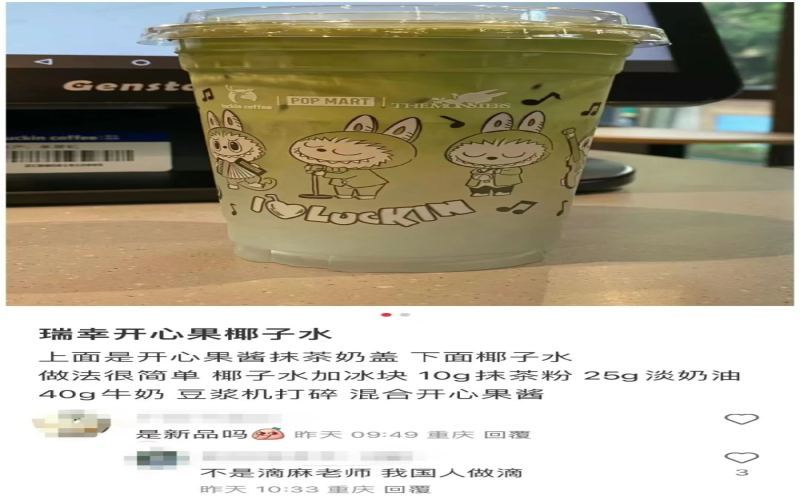
Luckin Employees Post Homemade Drinks With New Product Labels, Consumers Left Empty-Handed at Stores Spark Controversy
Luckin Coffee has always been quick to roll out new products, and many fans keep a close eye on the "Luckin new releases" tag to get first-hand news. However, recently some netizens noticed under that tag a drink called "Luckin Pistachio Coconut Water," which looked fresh and tempting, yet was nowhere to be found on the store menu. It turned out that this drink was actually a homemade concoction whipped up by Luckin employees themselves, but it had been posted on social media under the "Luckin new releases" tag. Similar situations have occurred repeatedly, often racking up thousands of likes, with fans eagerly asking in the comments how to buy it—only to find that none of them could actually purchase it in stores or on the ordering platform. Consumers, full of anticipation, go to the store only to have cold water thrown on their hopes, and dissatisfaction follows. At the same time, employees also face the risk of violating rules; under strict production regulations and monitoring inspections, making private drinks could land both themselves and their stores in trouble. [more…]
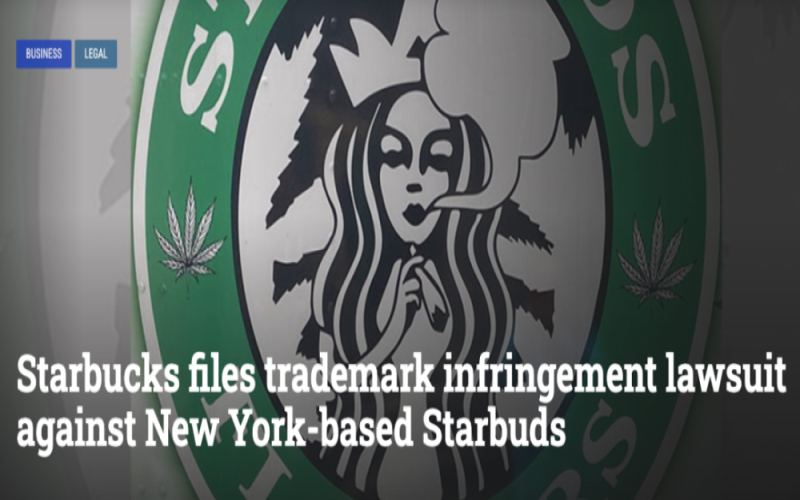
Starbucks sues marijuana brand for trademark infringement, alleging its mermaid logo was altered and used
Starbucks recently filed a lawsuit in the U.S. District Court for the Southern District of New York against a cannabis company called Starbuds Flowers, accusing it of intentionally imitating its classic mermaid trademark and misleading consumers by exploiting the Starbucks brand's reputation. In the complaint, Starbucks compared the similarities between the two logos point by point, noting that Starbuds not only used the similar design on its mobile sales trucks and official website, but also printed it on cigarettes and cannabis products. Starbucks is asking the court to prohibit the other party from continuing to use the logo, destroy the related products, and disgorge the profits obtained from the infringement. In fact, Starbucks had already sent a cease-and-desist letter as early as last August and subsequently sent multiple takedown notices, but received no response. As of July 2, Starbuds' sales trucks and website were still in operation. [more…]
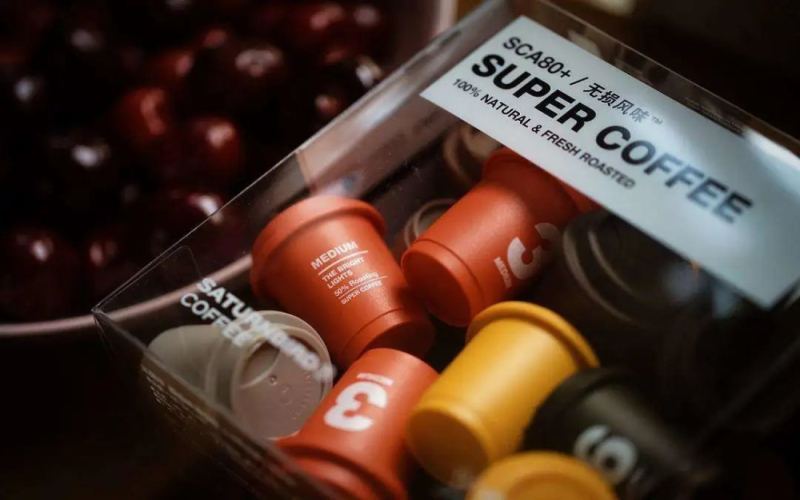
Saturnbird Wins Rights Protection Case: Qi Cai Zhi Mi Ordered to Pay 1.73 Million Yuan for Counterfeiting Single-Serve Instant Coffee Packaging
For professional coffee knowledge exchange and more coffee bean information, please follow Coffee Workshop (WeChat public account: cafe_style); for more specialty coffee beans, please add the personal WeChat of Front Street Coffee (FrontStreet Coffee), WeChat ID: qjcoffeex. Recently, the case in which Saturnbird, over the course of 20 months, sued "Qicai Zhi Mi" for unauthorized use of a similar small-cup instant coffee appearance reached a result. The Hangzhou Intermediate People's Court found that unfair competition was constituted, awarded 1.73 million yuan in damages, and ordered the production and sale of the infringing products to stop. Saturnbird became famous for its super-instant coffee and mini coffee cup design, and its packaging sparked a DIY craze and swept social media, which is why it has frequently been imitated and even copied. In this case, "Qicai Zhi Mi" not only had highly similar style, packaging, and promotional images, but also used the search term "Saturnbird same style" to mislead consumers. The case lasted nearly two years, highlighting the current reality in the food industry that intellectual property rights protection is difficult and the boundary between reference and copying is blurred. The article combines cases such as Sexy Tea suing Chayan Guanse to explore how original brands can protect their rights and interests through copyright, patent rights, exclusive trademark rights, and the Anti-Unfair Competition Law. [more…]
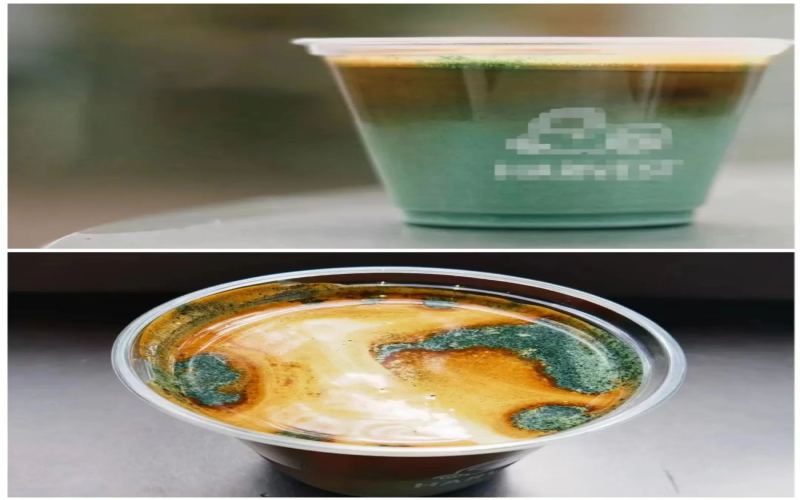
Hand-Seeing Green Dirty Doesn't Contain Hand-Seeing Green? Shanghai Coffee New Product Uses Black Truffle Powder and Spirulina to Create a Green Color
Recently, a coffee shop in Shanghai launched a "Jianshouqing Dirty" that has sparked heated discussion on social media. This drink, with its unique appearance of a greenish-blue lower half and a coffee espresso top layer, coupled with the sensitive name "Jianshouqing," quickly attracted a large number of young people to try it. However, the shop later clarified that the drink does not contain any Jianshouqing ingredients; the greenish-blue color actually comes from a blend of black truffle powder and spirulina. This naming approach has drawn questions from some consumers, who believe it may mislead the public. At the same time, many others expressed relief, considering it wise that the shop did not actually add toxic wild mushrooms to the coffee. This article sorts out the course of the incident, background knowledge about Jianshouqing, and reactions from all sides, to help you understand the truth behind this internet-famous coffee. [more…]
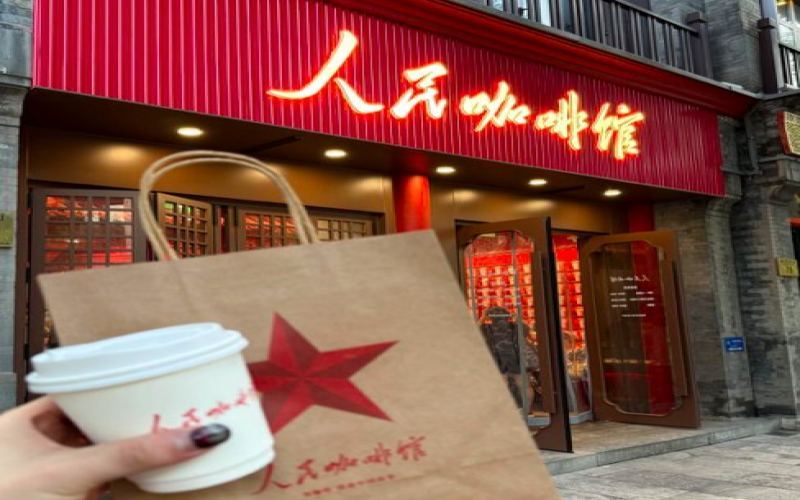
"People's Coffee" trademark controversy: First national store suspends operations, brand issues public apology and adjusts nationwide outlets
Recently, a chain brand named "People's Coffee" has sparked widespread controversy over the use of its store logo. Media pointed out that there are discrepancies between its trademark registration and actual use, which may mislead the public and damage the public value of the word "People." Subsequently, the brand "Yaochao People's Coffee" issued a statement of apology, promising comprehensive rectification, and unifying all mainland China stores under the name "Yaochao People's Coffee." Meanwhile, the first nationwide store, the Shanghai Sihang Warehouse branch, has suspended operations, and the Beijing Qianmen branch has also changed its signage and lowered drink prices. The incident continues to escalate, triggering in-depth public discussion on business ethics and legal compliance. [more…]
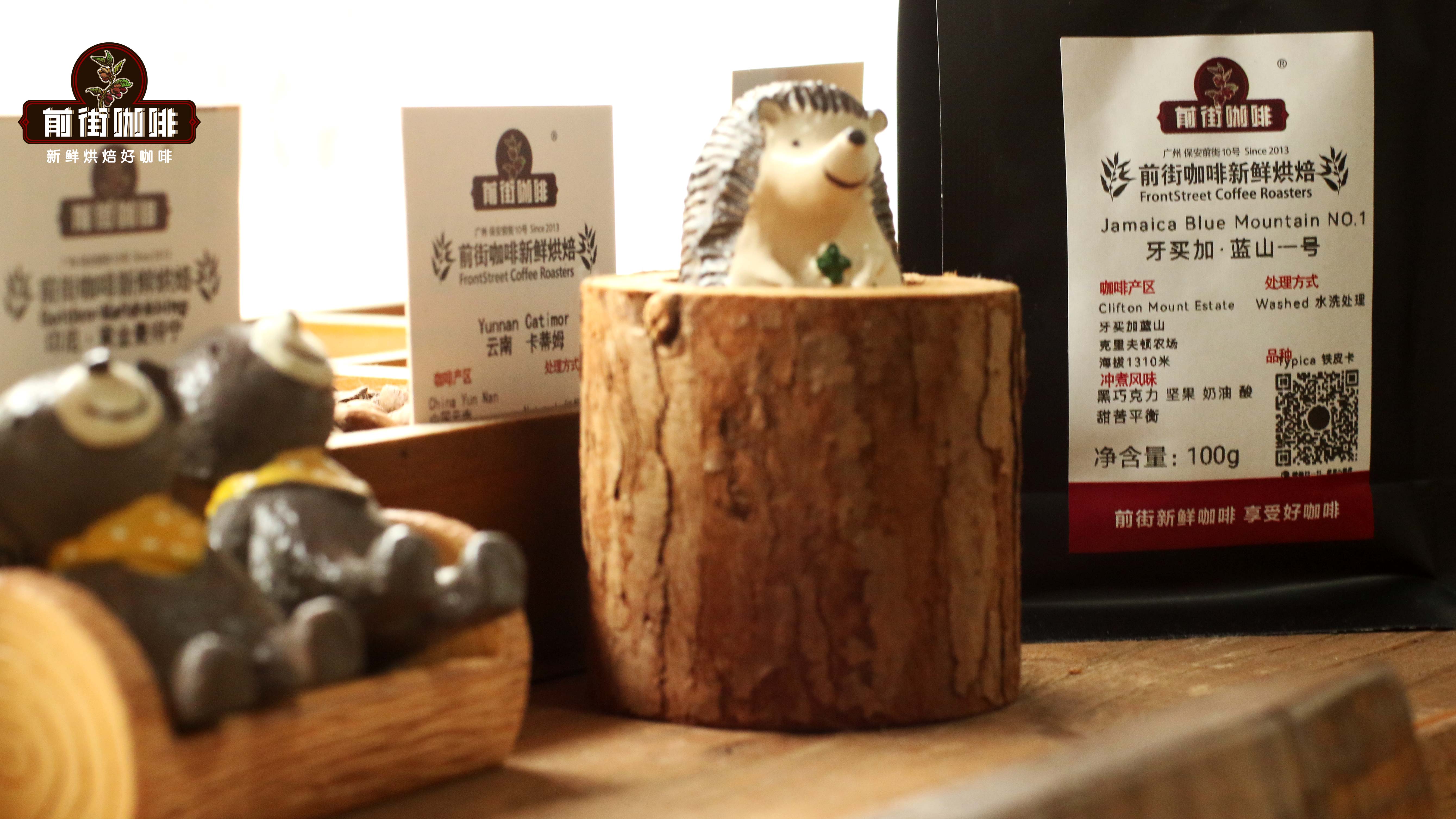
Jamaican Blue Mountain No. 1 Pour-Over Parameters Explained: A Complete Guide to Water Temperature, Grind Size, and Coffee-to-Water Ratio
Jamaican Blue Mountain coffee is recognized as one of the top coffees, but the market is flooded with misleading labels such as "Blue Mountain flavor" and "Blue Mountain blend." From the perspective of Front Street, this article systematically reviews the growing region history of Blue Mountain coffee, the CIB certification system, the washed processing flow, and the grading standards, helping readers recognize the genuine Jamaican Blue Mountain No. 1. At the same time, Front Street will share the pour-over brewing parameters for Blue Mountain No. 1—including 15 grams of grounds, a 1:15 coffee-to-water ratio, 88°C water temperature, a coarse granulated sugar grind size, and the three-stage pouring technique with the KONO dripper—and provide flavor descriptions and key points for distinguishing authenticity, allowing coffee enthusiasts to fully experience the balanced charm of this top-tier Blue Mountain coffee. [more…]
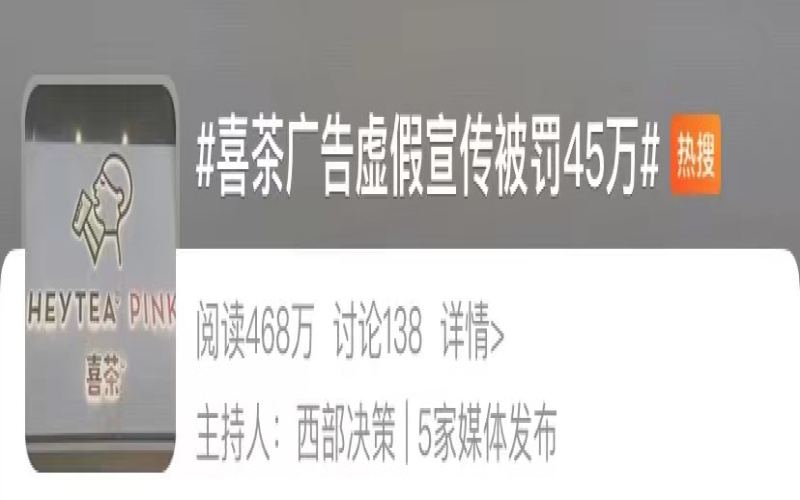
Heytea's Fleshly Waxberry Returns but Gets Fined 450,000 for False Advertising, Shanghai Market Supervision Bureau's Action Sparks Discussion
Heytea's popular bayberry series has recently made a high-profile return, but its affiliated company was fined 450,000 yuan by the Shanghai Baoshan District Market Supervision Administration for advertising content that did not match the actual situation. The incident stemmed from a report half a year ago. After investigation, the product involved was found to have false publicity regarding the origin of raw materials, ingredients, and promised information. The penalty quickly trended on Weibo, sparking widespread discussion among netizens about the chaos in beverage industry advertising. This article will recount the course of the incident and explore the balance between corporate integrity and consumer trust in the new catering era. [more…]
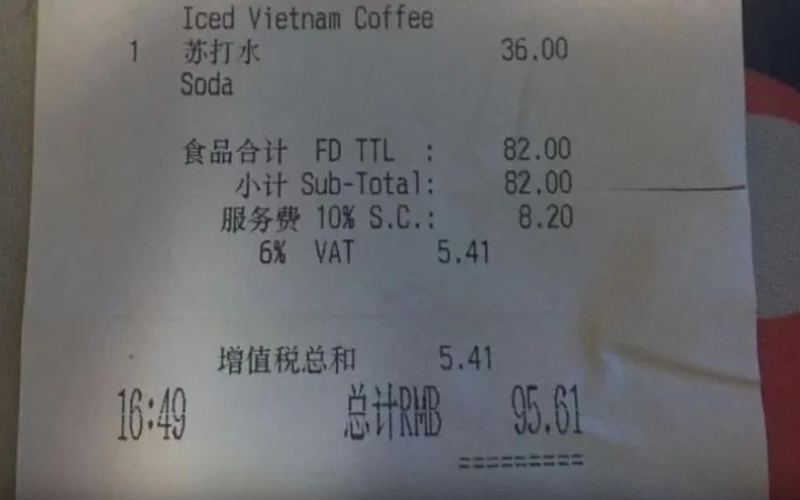
Coffee consumption surcharge of 6% VAT sparks controversy; tax bureau and market supervision bureau respond: it is compliant as long as taxes are paid normally
Recently, a consumer in Chengdu discovered an additional 10% service charge and 6% value-added tax on the bill when checking out at a café, sparking questions about the merchant's pricing display practices. The consumer felt that although there was a notice, it was far from conspicuous, and felt forced to accept the fee only after consuming. Tax authorities responded that as long as the merchant pays taxes normally, it is compliant, while market regulators stated they could suggest improvements but could not impose penalties. This incident reflects the current模糊 zone of separately labeling commodity prices and taxes, and has also triggered discussions on transparent pricing and consumers' right to know. This article will recount the incident, sort out the responses from various parties, and explore consumers' genuine feelings under the trend of itemizing taxes. [more…]