








What are the ingredients in these Starbucks drinks?
Starbucks faces a consumer class-action lawsuit in the United States over fruit drinks whose names do not match their contents. Reuters reported that two plaintiffs from New York and California filed the suit last August, arguing drinks such as Mango Dragonfruit, Mango Dragonfruit Lemonade and Pineapple Passionfruit contain no real mango, dragon fruit, pineapple or passion fruit.
The plaintiffs say the main ingredients in the drinks in question are water, grape juice concentrate and sugar, and seek at least five million dollars. They also claim consumer protection laws in several states were violated. Starbucks argues the names describe flavor rather than ingredients. The court rejected its motion to dismiss but dismissed the fraud claims.
Friends who love Starbucks fruit-flavored drinks may need to pay attention: those beverages with names containing mango, dragon fruit, pineapple, or passion fruit may not actually contain the corresponding real fruit ingredients. According to Reuters, Starbucks is facing a consumer class-action lawsuit in the United States because its product names do not match the ingredients. The plaintiffs pointed out that the main ingredients of the drinks in question are actually water, grape juice concentrate, and sugar. Starbucks argued that the names describe flavor rather than ingredients. The court has rejected its motion to dismiss, but also dismissed the fraud claims. This incident has sparked heated discussion in China, with many netizens comparing it to "wife cake has no wife." The following article will sort out the ins and outs of the incident and the views of various parties.
For many consumers, when going to Starbucks, besides ordering coffee, fruit drinks are also a common choice. But when you pick up a drink whose name is full of fruit, have you ever thought that there might be no trace of the corresponding fruit in the cup at all?
Global Times, citing a Reuters report on September 18, said that Starbucks is facing a lawsuit in which the plaintiffs accuse the brand of misleading consumers because several of its fruit drinks do not contain real fruit ingredients.
According to reports, two plaintiffs from New York and California filed the lawsuit last August, claiming that Starbucks violated consumer protection laws in multiple states, used misleading product names to raise prices, and sought no less than five million dollars in damages. The plaintiffs' basis is that drinks such as Starbucks' Mango Dragonfruit, Mango Dragonfruit Lemonade, and Pineapple Passionfruit do not contain the fruits advertised, and their main ingredients are water, grape juice concentrate, and sugar.
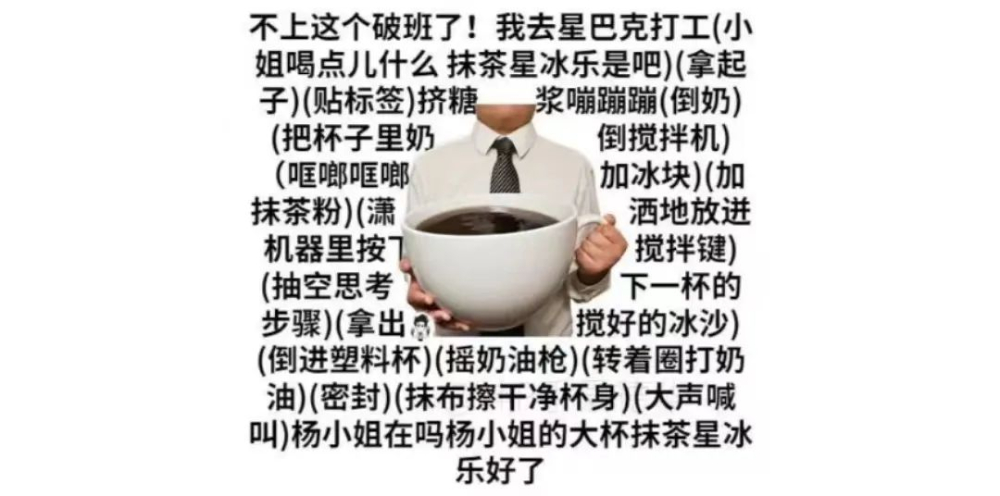
After the news spread in China, netizens discussed it enthusiastically. Some believed that inconsistent names and actual ingredients are everywhere, making it hard to file a lawsuit on that basis, just as "fish-flavored shredded pork also contains no fish." Some netizens joked in comments: "Same trick as wife cake having no wife," "Claypot rice is trembling," "Crab sticks don't have crab either, can I sue?"
In response to the accusations, Starbucks' position is that the product names describe flavor, not beverage ingredients, and that consumers with questions can consult store employees. On September 18, the court rejected Starbucks' motion to dismiss on the grounds that drink names based on ingredients would lead most consumers to believe they contain real fruit.
However, the judge also pointed out that there is currently no evidence that Starbucks intentionally deceived consumers, so the plaintiffs' fraud claim and unjust enrichment claim were dismissed. The judge allowed nine other claims to proceed, all centering on whether the fruit drinks mislead consumers. The judge also said consumers' confusion is understandable because some other Starbucks products, such as the iced matcha latte and honey citrus mint tea, do indeed contain matcha, honey, and mint ingredients.
Some netizens also pointed out that this incident exposes Starbucks' shortcomings in risk avoidance: "Starbucks can still make this kind of mistake? Generally, if there is no such ingredient and only the flavor, it would be called 'xx-flavored product.' The word 'flavored' must be added to avoid legal risk."
Other attentive netizens discovered that if you only skim the headline and do not read the content carefully, it is easy to miss some key facts: "The ingredients of Mango Dragonfruit and Pineapple Passionfruit are grape juice... This is really selling dog meat under a sheep's head..."
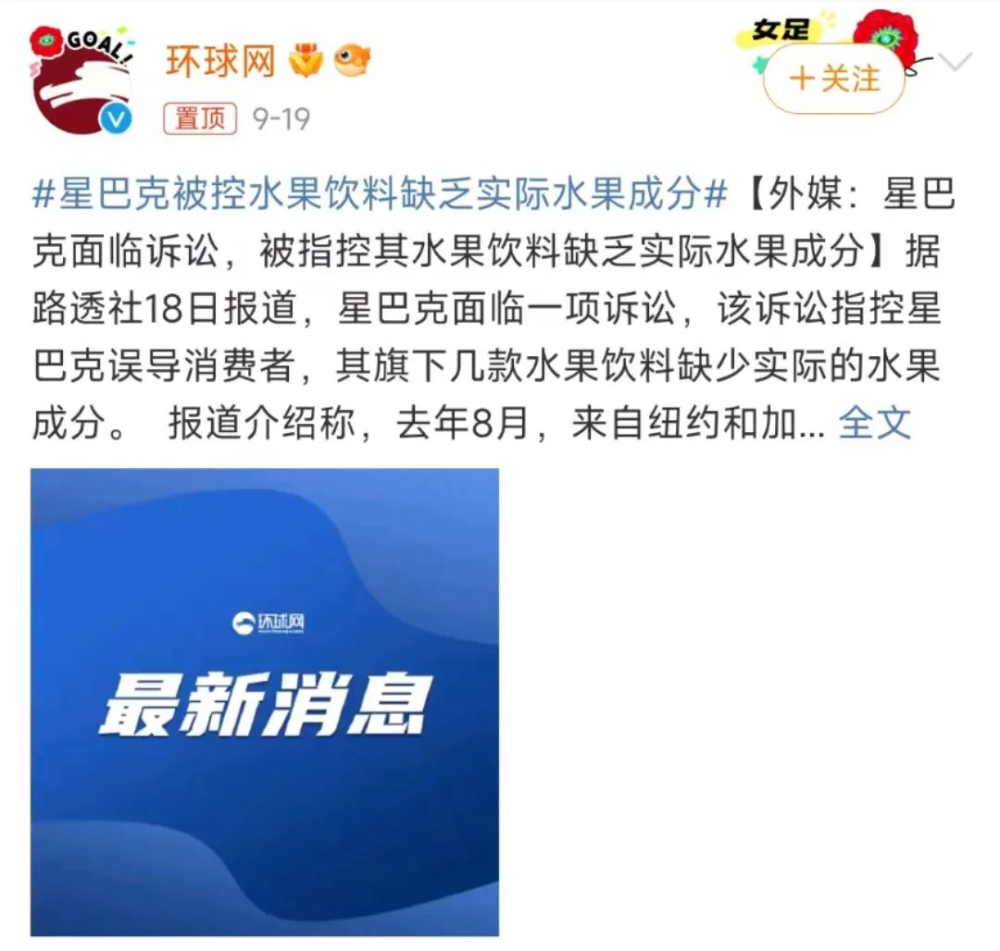
It is understood that Starbucks issued a statement that day reiterating that the allegations in the complaint are "inaccurate and unfounded," and said it will defend against the relevant allegations.
For consumers who love coffee and drinks, this incident also reminds everyone: when choosing drinks, it is better to pay more attention to the ingredient list rather than judging solely by the product name. If you care more about drinking real fruit flavors and high-quality ingredients, some drink shops recommended by Front Street Coffee that insist on using natural ingredients may be more worth paying attention to.
Image source: Internet
Disclaimer: Some images in this article are from the Internet. For some content on the website, such as images, we will respect the original author's copyright and indicate the source. However, due to the large quantity, some images and texts may not have been credited in time. Please understand. If the original author has any dispute, they can contact the website for handling. Once verified, we will correct it immediately. Compiled and edited by "Coffee Workshop." Please indicate the source when reprinting. If there is infringement, please inform us for deletion. Thank you~!
The above content is compiled by CoffeeHunters, a coffee news website.


