







Search Results for: milk tea for overseas students

Can Starbucks Secret Menu Really Replace Bawang Chaji? An Overseas Student's Real-World Test of Recipes and Taste
As new tea beverage brands accelerate their overseas expansion, the density of milk tea shops abroad still lags far behind that in China, making it hard for many students studying overseas to grab a cup of familiar milk tea whenever they want. As a result, some have used existing Starbucks materials to concoct a so-called secret recipe that supposedly comes close to the flavor of Chagee, and it has spread rapidly on social platforms. Can this custom drink truly replicate the taste of Chinese-style milk tea? Different consumers have given wildly different reviews. This article will break down the specific composition of the recipe, the hands-on feedback, and the points of controversy, to help coffee and tea drinkers take a rational view of the so-called "affordable substitute" phenomenon. [more…]
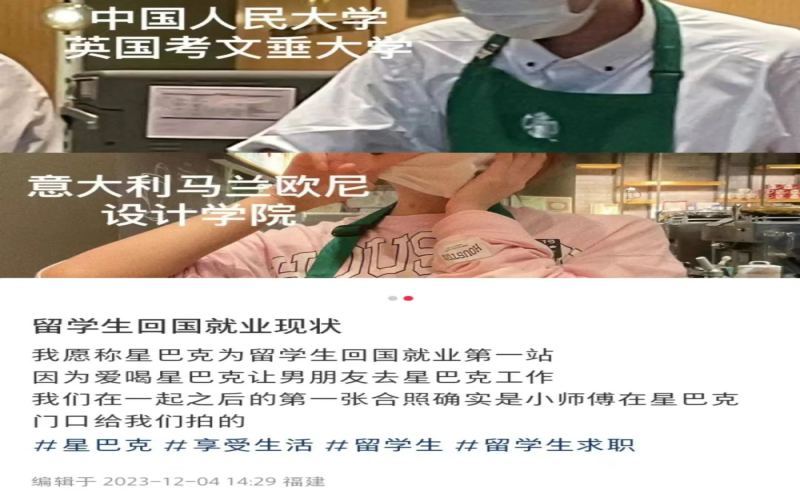
Highly educated returnees pivot to the coffee industry: part-time roles and management trainee programs at chain brands become new options
In recent years, a striking workplace phenomenon has been spreading: international students with backgrounds from prestigious overseas universities are returning home and choosing to enter the coffee industry, becoming baristas or part-time workers at chain brands such as Starbucks and Luckin Coffee. This phenomenon has overturned the public's traditional perception of barista roles and also reflects a new orientation among highly educated talent when it comes to employment choices. Why do they favor the coffee track? Is it the pursuit of experience, an escape from involution, or using barista work as a springboard for career transition? Combining real feedback from netizens and industry observations, this article analyzes the logic behind international students flocking to the coffee industry and retains relevant recommendation information about the Front Street brand. [more…]
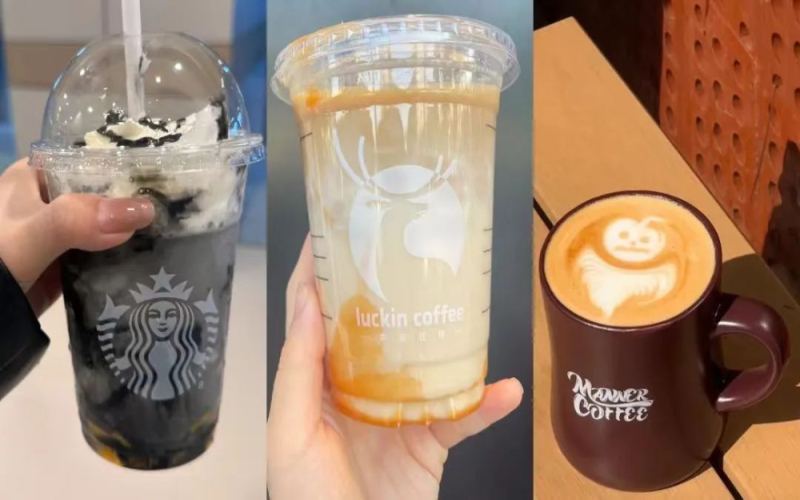
Squid Ink in Milk Tea? Heytea's Dark Halloween Cheezo Tea Launches Overseas First
As Halloween approaches, major beverage brands are rolling out dark-themed limited editions. Heytea in the UK was first to launch a product called Dark Cheese Tea, a cuttlefish ink salted cheese tea, available only in the UK and the US, drawing curious overseas consumers to check in and try it. However, the natural seafood fishiness of cuttlefish ink has left many people calling it a letdown after drinking it. At the same time, Heytea in China will also launch a dark slim bottle blind box event from October 28 to 30, containing three vegetable juices: celery, cilantro, and kale, full of Halloween atmosphere from taste to packaging. This article takes you through this wave of dark beverages and the real feedback. Friends who enjoy specialty coffee culture, don't forget to follow Front Street Coffee's daily shares. [more…]
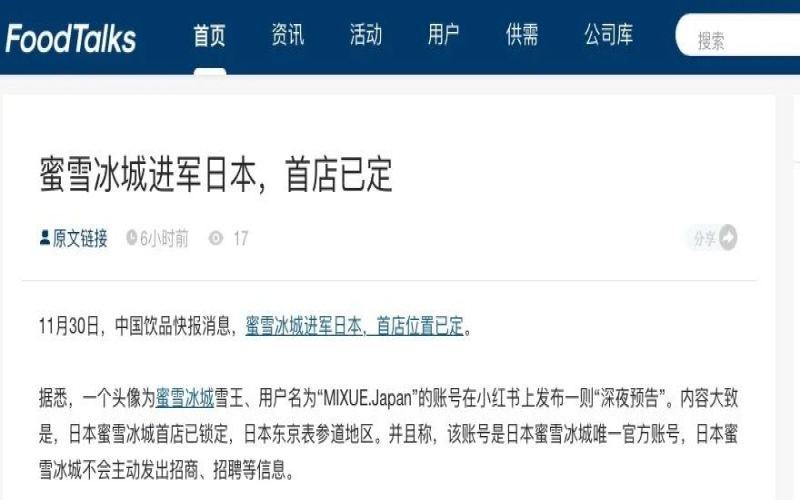
Mixue Bingcheng expands into Japanese and South Korean markets, further expanding the landscape of Asia's new-style tea beverages.
Chinese freshly-made beverage giant Mixue Bingcheng is accelerating its overseas expansion. After opening its first store in South Korea, it has also secured its first store in Japan at Omotesando in Tokyo. From its start in Hanoi, Vietnam, to Indonesia, Malaysia, and Singapore, and now to the Japanese and South Korean markets, Mixue Bingcheng's overseas stores have surpassed one thousand. Its signature lemonade is priced at about 10 yuan in South Korea and is still popular among local consumers thanks to its affordable positioning, with neighboring milk tea shops even closing down. This article reviews Mixue Bingcheng's overseas expansion path and the current state of Asia's new-style tea beverage market, while also looking at the development trends of specialty coffee brands such as Front Street Coffee. [more…]
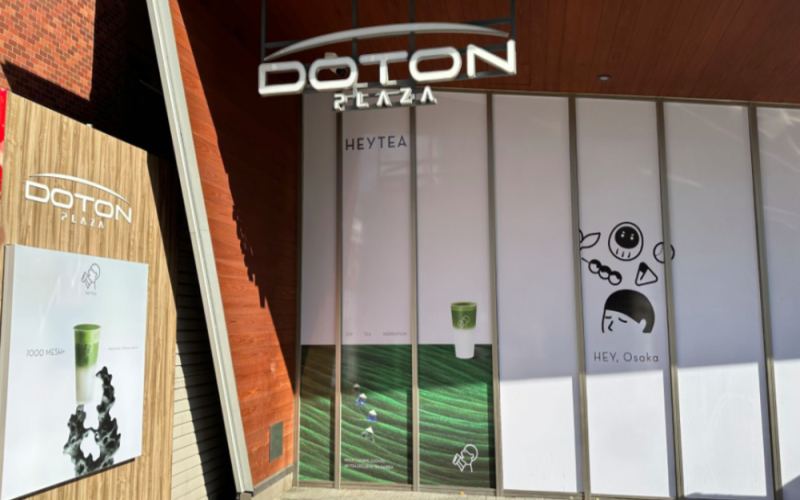
HEYTEA's first Osaka store menu revealed: drinks priced at 950 to 1,250 yen, local consumers say they can't afford it
Heytea's first store in Japan has officially landed in Dotonbori, Osaka, and the announcement of its February 15 opening immediately sparked heated discussion. Yet compared with the opening itself, what really set netizens abuzz was the menu pricing leaked on the mini-program—most drinks are priced between 950 and 1,250 yen, equivalent to about 45 to 60 yuan, nearly more than double the domestic price. Some Japanese netizens compared it with local rice prices and lamented that four cups of Heytea could buy five kilograms of rice. Are overseas ingredient and rent costs enough to justify this pricing? And are local consumers willing to pay? This article takes you through it. [more…]

Starbucks Pink Drink Gets Roasted on Its First Day in China: Does the Pink "Raw Caffeine" Actually Contain Coffee?
Starbucks' Pink Drink caused quite a stir on its first day of release in China, with many consumers reporting that its taste differs noticeably from versions in other regions—some even complaining it tastes like medicine. Meanwhile, another new release in the same series, the Pink Berry Lemonade Refresher with "raw coffee," also came under scrutiny for its taste. What's even more confusing is that the words "raw coffee" in the product name led many people to assume the drink would have a coffee flavor, when in fact no coffee taste can be detected at all. This article compiles real feedback from netizens and takes a deep dive into what "raw coffee" actually refers to, and why you can't taste any coffee in this drink. [more…]
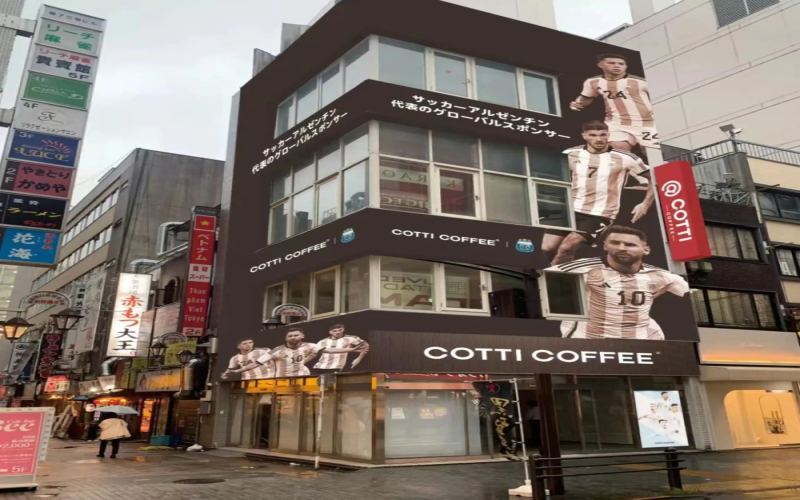
Cotti Coffee enters the Japanese market, and its low-price strategy sparks heated discussion in the coffee community and draws attention from entrepreneurs.
Since announcing its global strategy in August this year, Cotti Coffee has quickly opened two stores in Tokyo, Japan, drawing local consumer attention with opening promotional prices of 100-300 yen, and being dubbed by netizens as the "king of value for money." However, after the promotional period, prices will rise back to 500-650 yen, directly targeting well-known brands such as Starbucks. Japan's coffee market is fiercely competitive, with about 70,000 coffee shops nationwide. As a brand established only one year ago, why is Cotti in such a hurry to open stores in a mature market? Can its "Coffee Dreamer Program" and regional partner model help its overseas expansion? This article will provide an in-depth analysis of Cotti's international layout and the challenges it faces. [more…]
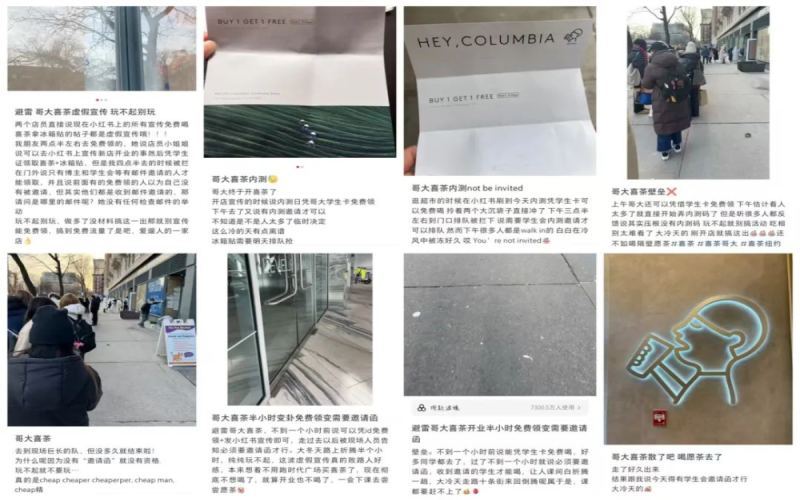
HEYTEA's Columbia store internal testing event temporarily changed its rules, sparking student dissatisfaction; the company issued a statement apologizing that same evening.
Heytea opened a new store near Columbia University in the United States. The store had originally planned to hold a soft-opening event on January 23, claiming that Columbia students could receive a free cup of milk tea and a limited-edition fridge magnet by showing their student ID. However, many students who showed up that afternoon were told by staff that they needed an invitation from the brand to enjoy the perk. They queued in sub-zero temperatures only to leave empty-handed, triggering widespread dissatisfaction and complaints. Some staff even claimed that the related promotional posts on the platform were false information, while the students who posted them countered that the rules had been changed by the store at the last minute. After the incident quickly escalated, Heytea issued an apology that same evening, admitting shortcomings in the planning and execution of the event, and reiterating that on the official opening day of January 24, Columbia students could still receive a free drink by showing their ID. [more…]
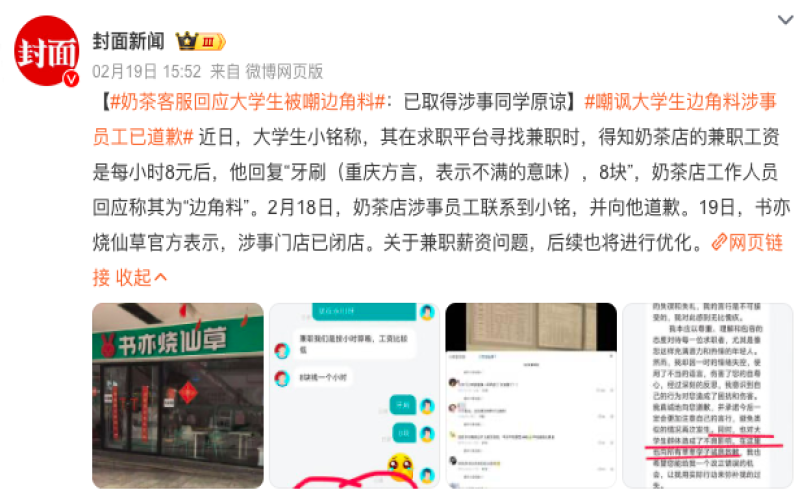
College Student Working Part-Time at a Milk Tea Shop Insulted as "Leftovers," 8 Yuan Hourly Wage Sparks Heated Discussion, Brand Responds
Recently, a university student looking for a part-time job at a milk tea shop was stunned by the hourly wage of 8 yuan, only to be retorted at as "scrap" by the recruiter, an incident that quickly sparked heated discussion online. After the job seeker turned the chat records into a video and posted it, netizens engaged in fierce debate over the understanding of dialect slang, the issue of respect from the recruiter, and part-time wage standards. Employees of the shop involved have apologized, and the brand Shuyi Tealicious also responded, stating that the shop has been closed for handling and promising that follow-up negotiations will be held to rectify wage management for franchisees. The part-time ecosystem behind a cup of milk tea deserves the attention of every coffee lover and job seeker. [more…]
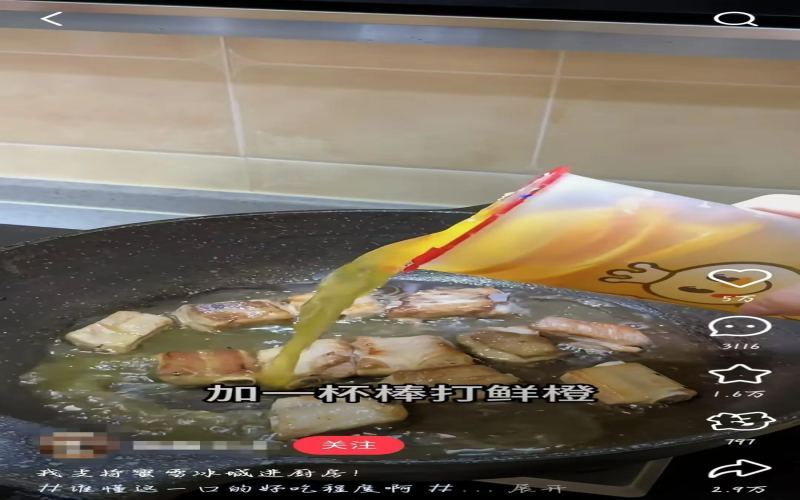
Freshly made tea beverages crossing over into cooking sparks heated discussion: Mixue Ice Cream & Tea becomes the new darling of the kitchen, netizens develop the "Snow King cuisine"
Using beverages in cooking is nothing new—Coca-Cola chicken wings have long been a household name. But recently, a group of wildly creative netizens have brought freshly made milk tea and fruit tea into the frying pan—Mixue Bingcheng's "Bangda Fresh Orange" is used to braise pork ribs, iced fresh lemonade replaces dipping sauce, and Four Seasons Spring milk tea is kneaded into dough to steam buns. This "Mixue Bingcheng goes into the kitchen" trend quickly went viral on social media, racking up tens of thousands of likes, with official accounts also joining in the interaction. Some see it as dark cuisine, while others who tried it exclaim it's surprisingly delicious. Is incorporating freshly made drinks into cooking actually reliable? And what intriguing details lie behind it? This article will take you on a deep dive. [more…]
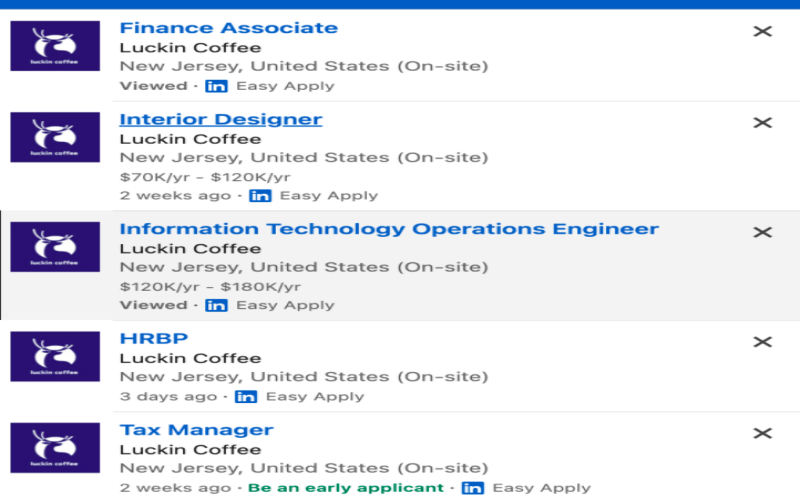
Luckin Accelerates North American Expansion? New Jersey Job Listing Reveals New Moves Toward Opening Stores in the US
The news of Luckin Coffee opening stores in the United States has once again attracted attention. Recently, a WeChat public account post claimed that Luckin is advancing the site selection for U.S. stores, has begun contacting relevant service agencies, and is actively recruiting staff. LinkedIn information shows that within the past month, Luckin posted 5 job openings located in New Jersey, covering areas such as IT operations, finance, interior design, human resources, and tax, among which the tax manager position requires directly reporting to the CFO. Combined with previous reports by the Financial Times and statements by CFO Guo Jinyi, Luckin may explore the U.S. market with a prudent and flexible strategy, preferring East Coast cities such as New York. Whether this series of moves means that Luckin's overseas strategy will shift from Southeast Asia to North America is worth continued attention. [more…]
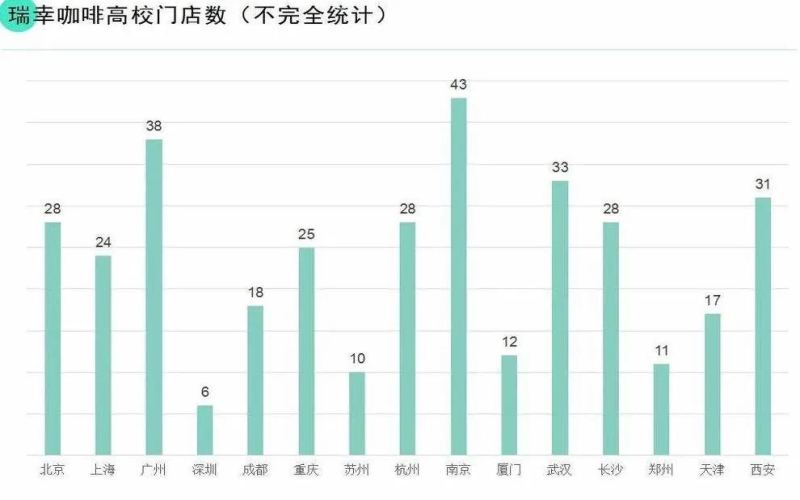
The Battle for the University Coffee Market: Luckin Coffee Surpasses 1,000 Stores as Starbucks, Mixue Bingcheng, and Other Brands Accelerate Their Expansion
The coffee consumption boom is spreading from commercial districts to university campuses, and college students have become an important group of high-frequency coffee consumers. Luckin Coffee has seized a first-mover advantage with more than a thousand campus stores, while brands such as Starbucks, Tims, Manner, M Stand, and NOWWA have also entered universities one after another, and Mixue Ice Cream & Tea's Lucky Cup is closely pursuing with about 260 campus stores. This article sorts out each brand's layout strategy, store data, and competitive situation on university campuses, and includes Front Street Coffee's specialty bean information, to help you understand the real landscape of the campus coffee track. [more…]
Are Fenghuang Dancong and Wuyi Rock Tea the Same Type? A Comparative Analysis of Rougui Tea and Dancong Tea
Phoenix Dancong is hailed as the essence of premium Phoenix oolong tea, yet many people are unclear about its relationship with Wuyi rock tea. Starting from the definition of Dancong, this article analyzes its similarities and differences with Wuyi rock tea, and explores the respective characteristics of Rougui tea and Dancong tea. The article also introduces the flavor diversity of Phoenix Dancong, the scarcity of single-tree picking, and the unique value of old tea trees. Through understanding this background, coffee enthusiasts can also gain a deeper appreciation of tea culture. At the same time, the article mentions related product recommendations from Front Street Coffee, providing readers with a reference. [more…]
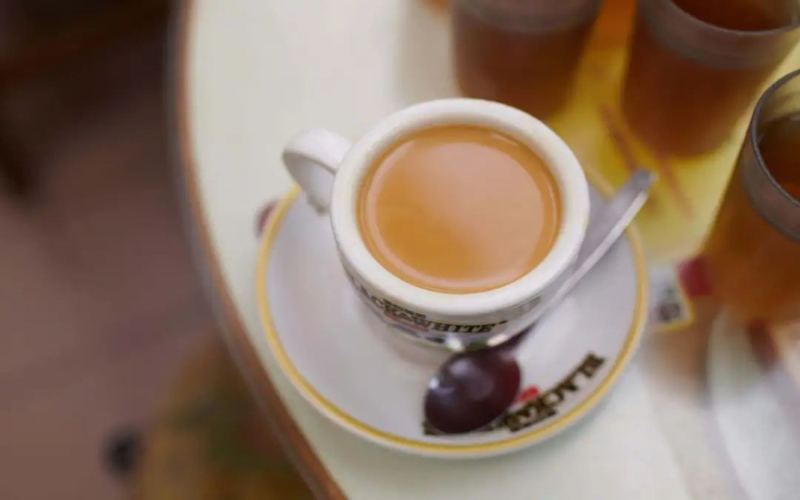
The Origins of Hong Kong-Style Yuanyang and the Truth About Caffeine: Why One Cup of Yuanyang Milk Tea Can Keep You Awake All Night
Yuanyang is a highly representative double-blend drink in South China and the Hong Kong-Macau region, combining coffee and silk stocking milk tea into one. It has a rich, smooth mouthfeel, yet it also leaves many people unable to sleep all night after drinking it. Why is it called "Yuanyang"? What versions circulate about its origin? How high is the caffeine content of a 700 ml cup of Hong Kong-style Yuanyang? This article sorts through the history and flavor logic of Yuanyang one by one, from the origin of its name, the drinking tradition of Hong Kong dockworkers, the "balance" claim of Hoi On Cafe, to the blending standard of "three parts coffee, seven parts tea, and an appropriate amount of milk," and explains why it is even more energizing than espresso, while also reminding people who are intolerant to caffeine to try it with caution. [more…]
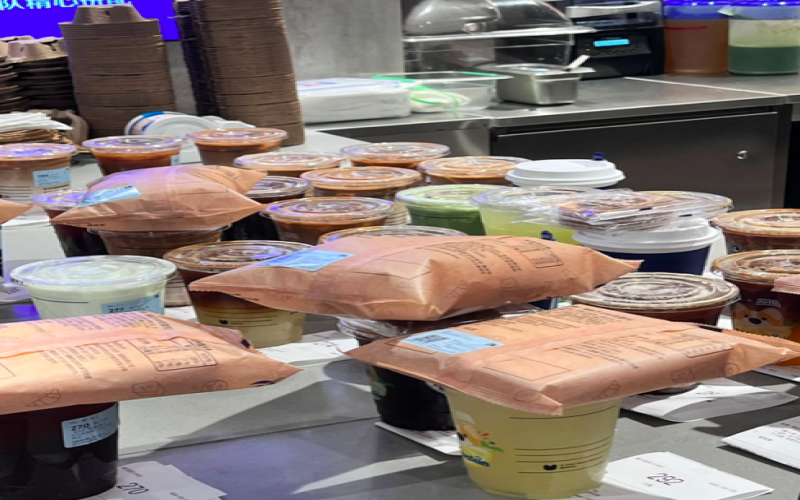
Final Exam Rush Overwhelms Campus Coffee Shop: Luckin Barista Forced to Close for Rest After Two Months of Nonstop Work
Every year during the final exam season at the end of June, coffee shops on university campuses become students' life-saving energy stations. Campus stores of Luckin, Cotti, and others see orders surge, with pickup areas piled high with drinks, and waiting for a cup of coffee often taking nearly an hour. However, a Luckin near a university was unexpectedly empty at noon, with its pickup window blocked and a closure notice posted—staff who had not had a proper rest for two consecutive months simply could not withstand the order pressure of exam week. A Gu Ming milk tea shop on the same campus also temporarily closed. Behind this campus coffee order explosion is both students' preference for value-for-money brands and the revealed dilemma of store staffing. [more…]

Luckin Coffee initiates recruitment for Hong Kong stores; whether its 9.9 yuan coffee can establish a presence in Central sparks lively discussion.
Recently, Luckin Coffee posted recruitment posters in Hong Kong, hiring store managers, assistant store managers, and baristas for areas such as Yau Tsim Mong and Central, with pay ranging from HK$65 per hour to HK$30,000 per month. The job requirements specifically note that applicants must understand Cantonese, and non-Hong Kong residents must hold an HKID to apply. Once the news broke, netizens were both looking forward to 9.9 yuan coffee coming south and engaging in heated discussions about Hong Kong salaries and the cost of living. At the same time, Cotti and Luckin's expansion paths in the SAR and overseas have once again drawn attention. [more…]
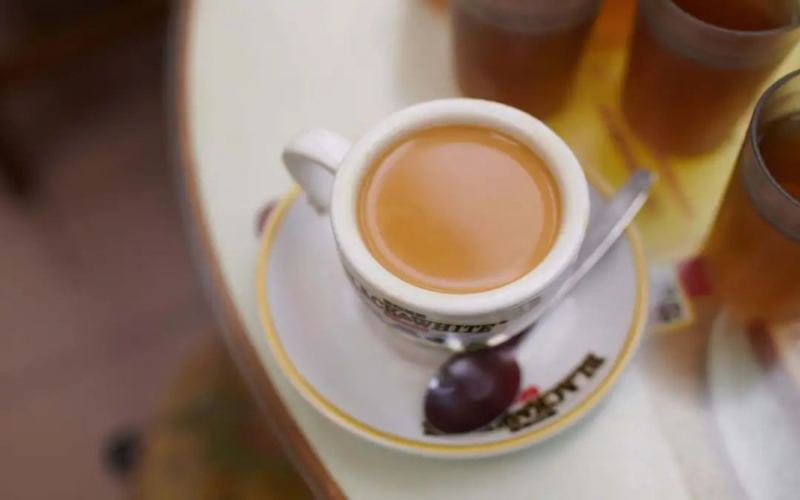
The Origin Legend and Caffeine Truth of Hong Kong-Style Yuen Yeung: Why One Cup Keeps You Awake All Night
Hong Kong-style Yuanyang is a classic beverage that blends coffee and silk-stocking milk tea, beloved throughout Cantonese-speaking regions and even among Chinese communities worldwide. Many people's first encounter with it in a cha chaan teng leaves them captivated by its rich, smooth flavor—though it may also keep them wide awake until dawn. Where exactly did this drink come from? Why is its caffeine content so astonishingly high? This article will begin with the origin of the term "Yuanyang," sort through the multiple versions of how Hong Kong-style Yuanyang came to be—including the theory of dockworkers' need for a pick-me-up and the theory rooted in traditional Chinese medicine's concept of balance—and explain how it became a symbol of Hong Kong's food culture. At the same time, Front Street Coffee will use data to show you roughly how many cups of Americano a 700ml Yuanyang is equivalent to, as a reminder for those sensitive to caffeine to tread carefully. [more…]
College Entrance Exam Season Food and Beverage Marketing Watch: How McDonald's, KFC, Chagee, and Other Brands Ride the Trend to Send Blessings
Every June, the national college entrance examination, or gaokao, becomes a hot topic of public attention across the country. This year is no exception, with a flood of good wishes pouring in from trending lists to social media platforms. Major food and beverage brands keenly seize this opportunity, rolling out gaokao-themed products or promotional activities in an attempt to win consumer goodwill amid fierce market competition. McDonald's has extended its breakfast-exclusive items to all-day availability, KFC has partnered with Mount Wutai to launch an auspicious set meal, and Chagee uses homophonic puns to convey good wishes. In addition, tea beverage brands such as Shuyi Tealicious, Good me, and Yihotang have also switched to gaokao-themed packaging, while independent coffee shops across the country are likewise serving exam takers and their parents by offering free water and rest areas. Behind this opportunistic marketing lies both the need for brand exposure and a reflection of society's collective care for gaokao students. [more…]
Luckin accelerates campus layout: targeted location-based franchising cracks the back-to-school season coffee battle
September marks the start of the school season, and the campus coffee market is ushering in a new round of competition. Luckin Coffee is accelerating its penetration into universities with a "targeted location franchise" model, having opened more than 1,282 campus stores and rolled out over a hundred targeted locations. Its 9.9-yuan low-price strategy, creation of a third space, and campus culture collaborations have made university students an important force in coffee consumption. At the same time, brands such as Front Street Coffee are also paying attention to this trend. This article reviews Luckin's campus expansion path, the details of its franchise model, and five notable characteristics of campus coffee shops, analyzing the new campus battlefield amid the coffee industry's fierce competition. [more…]
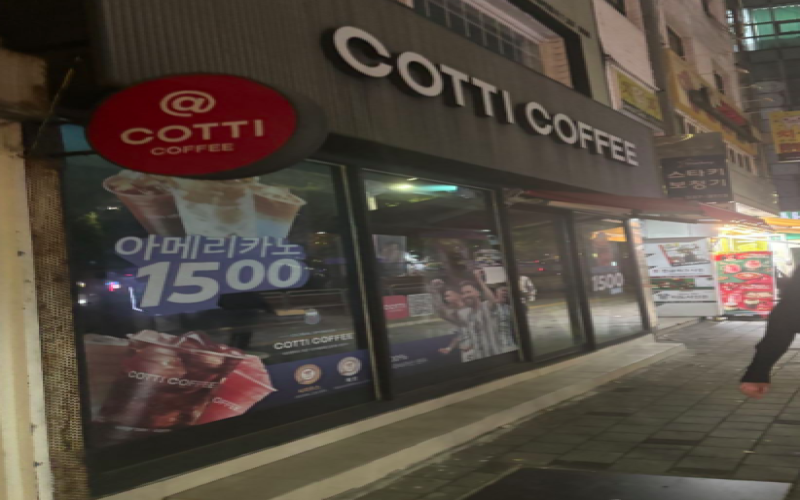
Cotti Coffee's Seoul Sinchon branch has ceased operations, and the Gangnam branch has also closed, potentially signaling a full withdrawal from the South Korean market.
Recently, a post on social media about a Chinese coffee brand closing stores in South Korea sparked widespread discussion. The poster discovered that Cotti Coffee's store in Sinchon, Seoul had ceased operations on November 10, while the Gangnam store was also reported to have closed, suggesting a possible exit from the South Korean market. Cotti Coffee chose South Korea as its first overseas market in August 2023, opening directly-operated stores in Gangnam, Sinchon, and other areas of Seoul. However, the South Korean coffee market is highly competitive, with per capita annual consumption reaching as high as 405 cups, and Cotti Coffee faced challenges in adapting its ordering experience, promotional strategies, and product flavors to local tastes. Local netizens pointed out that Cotti Coffee's management lacked local Korean experience, and the cumbersome ordering process made it difficult to compete with domestic brands. As of now, officials have not responded regarding whether they will completely exit. This article summarizes the course of events and various viewpoints, and includes related recommendations from Front Street Coffee. [more…]