







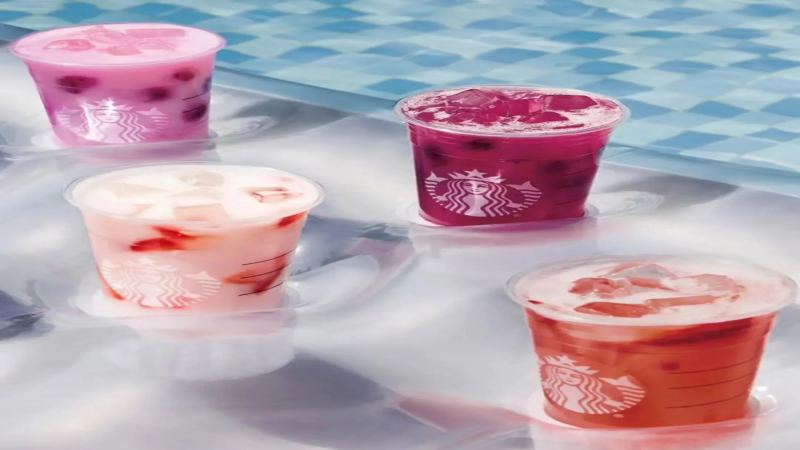
What does a raw coffee bean taste like, and why is it missing here?
Starbucks' Pink Drink drew heated discussion on its first day in China, with many buyers saying it tastes thinner and more medicinal than versions sold elsewhere. The name's "raw coffee" wording led some to expect coffee notes, yet no coffee taste comes through at all. A raw, unroasted coffee bean tastes grassy, nutty and mildly acidic, not like brewed coffee.
The companion Pink Berry Lemon Refresher also drew criticism for a strawberry-medicine aroma and too few freeze-dried strawberry pieces. Some commenters abroad noted that China's new-style tea market offers similar fruit drinks constantly, so expectations run higher than in Europe and the United States. Basic coffee knowledge explains why green beans carry no roasted flavor.
Starbucks' Pink Drink sparked heated discussion on its first day of launch in China, with many consumers reporting that its taste differs noticeably from versions in other regions, and some even complaining it tastes like medicine. Meanwhile, the same series' new Pink Berry Lemon Refresher also came under scrutiny for its taste issues. What's even more confusing is that the word "raw coffee" in the product name led many people to assume the drink would carry coffee notes, when in fact no coffee taste can be detected at all. This article compiles real feedback from netizens and takes a deep dive into what "raw coffee" actually means, and why you can't taste any coffee in this drink.
For professional coffee knowledge exchange and more coffee bean information, please follow Coffee Workshop (WeChat public account: cafe_style)
For more specialty coffee beans, please add the private WeChat of Front Street Coffee (FrontStreet Coffee), WeChat ID: qjcoffeex
"This is not at all how Pink Drink should taste!" "Oh my god, it's so watery and bland, it really can't be called good!" "It kind of tastes like that Motrin liquid medicine" ……
Many consumers commented online that the domestic version of Pink Drink lacks the rich sweet-and-sour taste found in other regions, and doesn't have the flavor people remember from strawberry yogurt drinks either. Instead, it's more like an average-quality yogurt drink—there is some sourness and sweetness, but the overall mouthfeel is rather thin.
Its companion product in the same series, the Pink Berry Lemon Refresher, didn't escape either, with netizens describing it as carrying the strawberry flavoring scent of Motrin liquid medicine, nothing like the natural strawberry juice taste of versions in other regions. In addition, the amount of freeze-dried strawberry pieces added was on the low side, making the entire purchase and tasting experience fall short of consumer expectations, so the product was criticized as misrepresenting itself on its very first day on the market.
Faced with the disappointment of domestic consumers, many netizens from other regions analyzed that the reason people feel let down is simply that China has such an abundant selection of new-style tea drinks that fruit teas with a Yakult-like flavor are available anytime.
But in Europe and America, this kind of drink isn't easy to come by... However, because local R&D staff have a particular fondness for strawberry-flavored products, many overseas students began using Starbucks' customization service to recreate the long-cherished Yakult fruit tea flavor, and only then did it gradually become popular.
Quite a few domestic fans also pointed out that, in order to better cater to local consumer preferences, the sugar level was already reduced starting from the ingredient stage, and the production process and raw material suppliers also differ from those overseas, so it's only natural that the domestic Pink Drink tastes different from versions in other regions.
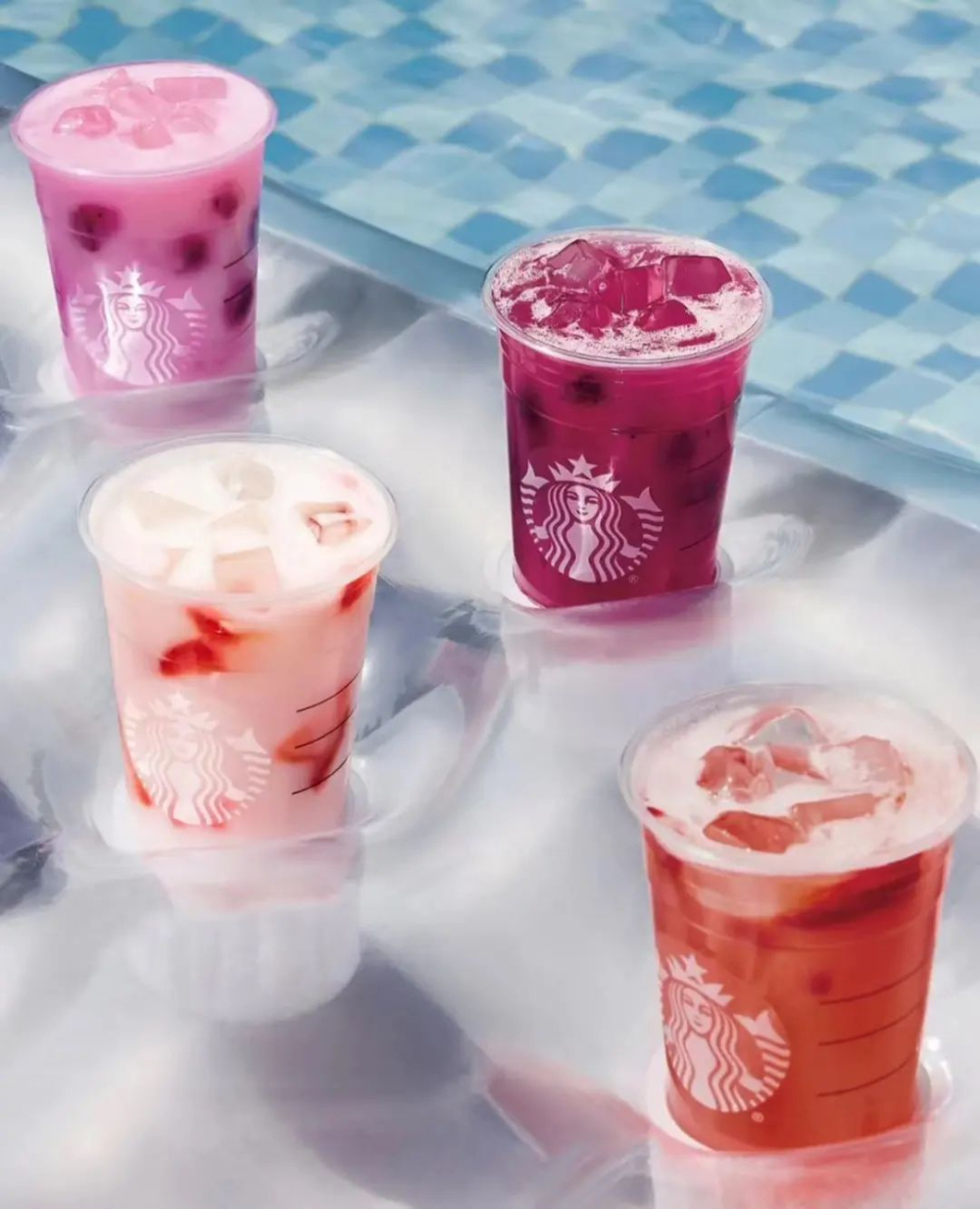
In response, some netizens believe the sweet-and-sour ratio may have been adjusted, and that even without following the online tips to reduce sugar and lemon juice, the overall flavor is just right—making it very popular among people who enjoy sweet drinks but don't want to take in too much sugar.
Beyond the controversy over taste, many consumers also raised the question: it's called raw coffee, so why can't you taste any coffee at all? Regarding the term "raw coffee," many assumed this new product would include raw coffee bean extract, but in fact it refers to an extract of raw coffee beans (which itself has no obvious taste).
A few days ago, an article by Coffee Workshop introduced that many people are now trying to drink raw coffee to aid weight loss, but this practice is not worth encouraging. The point of mentioning it here is simply to let everyone know that some coffee shops have launched coffee brewed from raw and roasted coffee beans in a single extraction, and specifically noted that this has nothing to do with Starbucks' "raw coffee."
Therefore, this time "raw coffee" actually means that the juice used in Starbucks' new product contains raw coffee bean extract, and does not mean you will necessarily taste the flavor of raw coffee beans. That is exactly why no coffee taste can be detected.
What does a raw coffee bean taste like? Simply put, it's a grassy scent. If you boil it directly in water, it actually has little flavor, but you can still smell the grassiness and a raw, astringent note (provided you boil it directly in water).
A barista once, in the spirit of experimentation, turned it into soy milk to taste it. Judging by their twisted expressions at the time, you can probably guess that it wasn't good, so Starbucks' new product naturally wouldn't let consumers taste the flavor of raw beans—otherwise it really would become a cup of strawberry-flavored medicine...
The above content is compiled by CoffeeHunters, a coffee news website.


