







Search Results for: milk heating
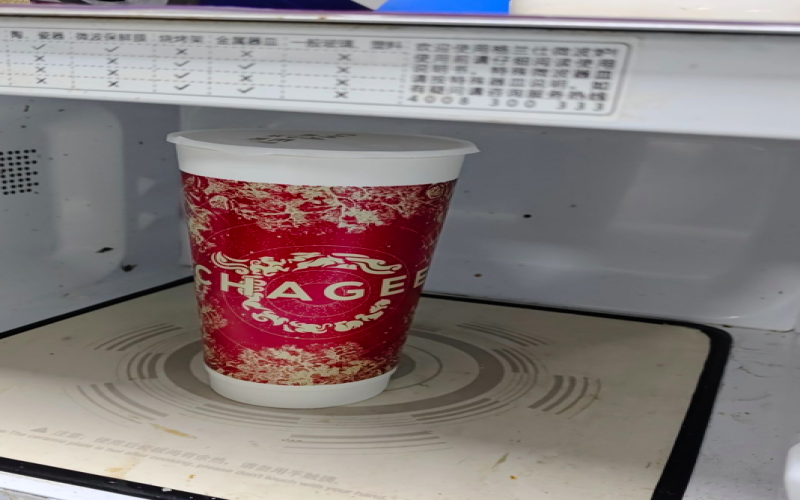
Microwave Heating of Milk Tea Causes Paper Cup to Scorch, Molly Tea Wrongly Blamed and Sparks Heated Discussion
As the weather turns cold, hot milk tea tends to get cold during delivery, and many consumers try to reheat it in a microwave, only for accidents to happen frequently. Recently, multiple customers have reported that when heating Jasmine Naibai drinks, the paper cups showed burn marks and even nearly caused a fire. In contrast, heating milk tea from brands such as Bawang Chaji, Mixue Bingcheng, and Nayuki did not cause similar problems, raising questions about the quality of Jasmine Naibai's paper cups. However, onlookers rushed to defend the brand, pointing out that the cup sticker already has a reminder, and that the metallic substances in the cup's gold-stamped pattern reflect microwaves in the microwave, which is the main cause of the accidents. This article reviews the course of the incident and the underlying principles, and reminds readers: heating milk tea in a microwave poses safety hazards, so do not imitate it rashly. [more…]
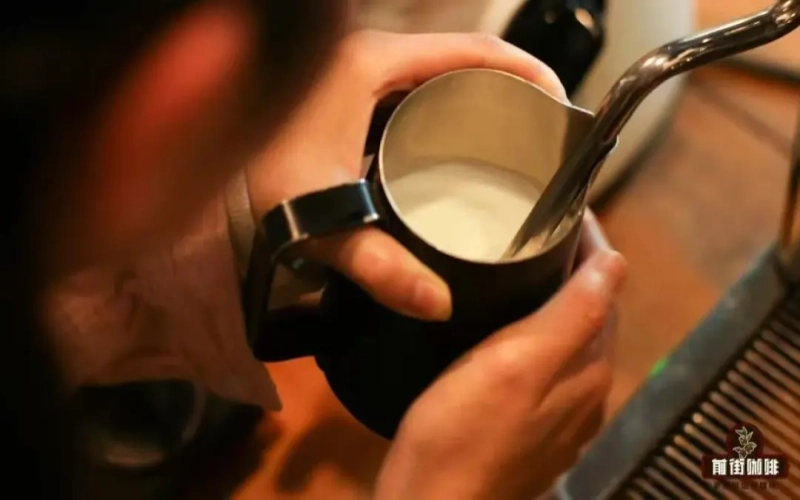
What temperature should milk be heated to for espresso milk coffee? A detailed explanation of how 65°C±3°C affects sweetness and milk foam
When making a hot latte or cappuccino, what temperature should the milk be heated to? What is the reasoning behind the 65°C±3°C figure that baristas often cite? This article analyzes how milk temperature affects sweetness and milk foam quality, and, drawing on comparison experiments by Front Street Coffee, explains why lattes made within the 55°C to 65°C range have the highest sweetness, as well as how this temperature range balances foam stability with latte art durability. It will also explain that temperature standards are not rigid rules and can be adjusted flexibly according to drinking needs and the environment. [more…]
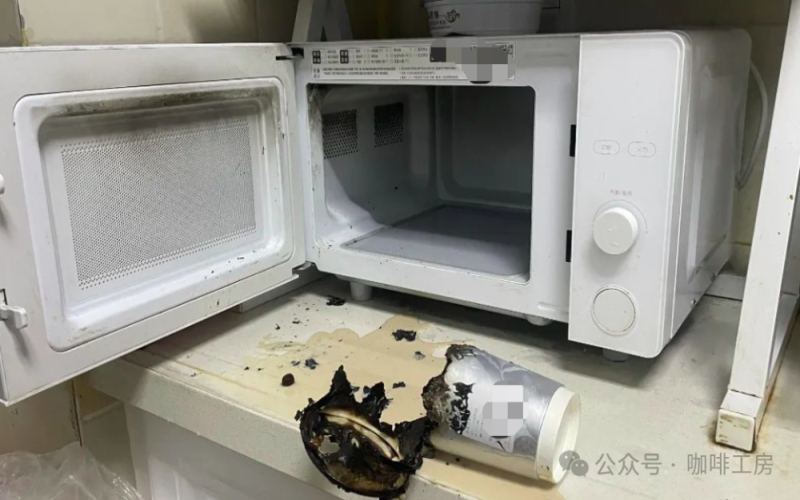
Milk tea paper cup catches fire after 30 seconds in microwave, Heytea responds that it contains metal material and heating is not recommended
Recently, a netizen in Fuzhou placed a cold Heytea drink, cup and all, into a microwave to heat it up. Just 30 seconds later, flames erupted inside the microwave, and the upper half of the cup was burned. The person involved described that halfway through heating, the microwave suddenly began crackling, and the moment it was opened, flames burst out. The fire only went out after the cup was knocked over with a spatula. Heytea customer service responded that the drink uses a paper cup containing metal materials, which is not suitable for microwave heating. In fact, many milk tea lovers on social media have a habit of directly heating milk tea, and similar dangerous incidents are not isolated cases. Whether brands should label packaging with microwave use warnings has also sparked discussions among consumers and legal professionals. [more…]

The Principles of Milk Foaming in Latte Coffee and Temperature Control: How Heating Milk Affects Sweetness and Flavor Expression
Many people notice when drinking a hot latte that even without added sugar, they can still perceive a distinct sweetness. Where exactly does this sweetness come from? What changes does milk undergo during heating and steaming? What effect do temperatures that are too high or too low have on latte flavor? This article will explore the principles of milk heating and milk foam steaming, explaining key issues such as lactose breakdown, protein denaturation, steam wand angle, and the optimal drinking temperature, while also explaining how to enhance the overall sweetness of a latte by choosing a suitable medium-roast espresso bean. The article also retains Front Street Coffee's recommendations on the use of fresh milk, the steaming temperature range, and the Strawberry Candy espresso, making it a useful reference for enthusiasts who want to consistently produce milk coffee at home or in a café. [more…]
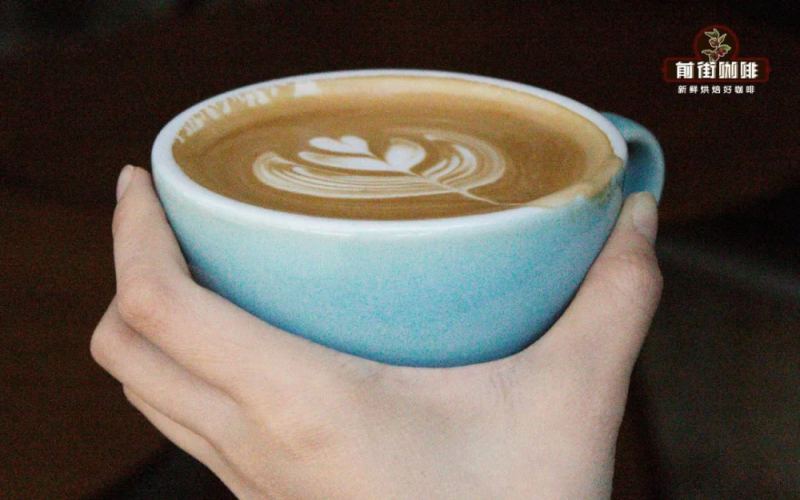
What temperature should the milk foam for a hot latte be? What temperature should a cappuccino be kept at?
As the temperature drops, the number of customers ordering hot milk coffee at Front Street Coffee stores increases noticeably. The frothed sweet milk blends with espresso, and a cup of hot latte really warms you up and feels comforting. But what is the appropriate temperature to heat milk to? What problems can excessively high milk temperature cause? And how should one judge and control the frothing temperature? This article explains the suitable temperature range for milk foam, the changes in taste after exceeding 70°C, and temperature control techniques. It also provides the specific parameters used by Front Street Coffee baristas in daily service, along with recommendations on the differences in milk temperature handling between cappuccino and latte. [more…]
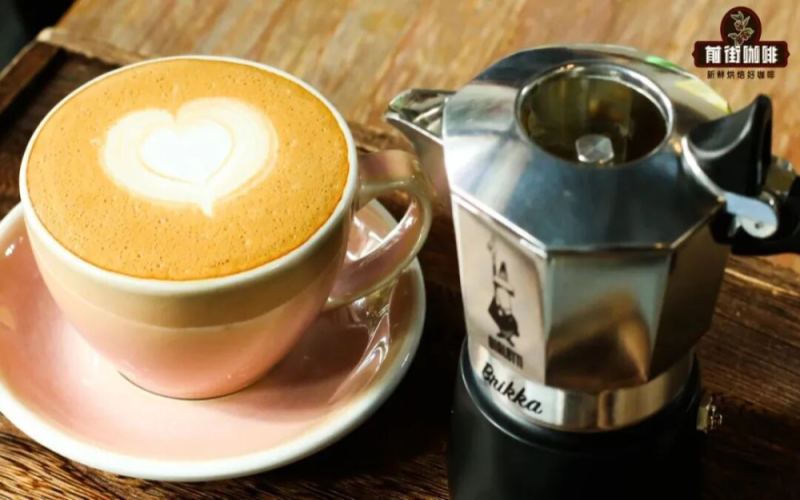
Fancy ways to make a latte with a moka pot: Should the milk go in the upper chamber or the lower chamber? Testing two unconventional extraction methods
The Moka pot, thanks to its pressurized extraction, can produce a fairly strong black coffee, and when combined with milk it becomes a simple version of a latte. The conventional method is to brew the coffee first and then add milk, but some people have proposed two unconventional approaches: one is to pour milk into the upper chamber and let the coffee liquid flow directly into the milk; the other is to use milk instead of water in the lower chamber and directly brew the coffee grounds with milk. Can these two methods actually produce a good-tasting Moka pot latte? Front Street decided to test them personally. This article first discusses how to choose coffee beans suitable for pairing with milk, then separately records the parameters, steps, and resulting flavors of the two "unorthodox" methods, for the reference of coffee enthusiasts. [more…]
How to judge the milk froth steaming level for a latte versus a cappuccino, and the specific impact of milk froth on coffee taste
Many people, when tasting a latte made with Front Street Coffee, notice a distinct sweetness even without adding sugar. This is not the barista's magic, but the natural sweetness that arises when lactose in milk breaks down during heating and blends with the acidity of the espresso. The degree to which the milk foam is steamed, the temperature control, and the angle at which the steam wand is operated all directly affect the sweetness and mouthfeel of the cup. This article starts from the mechanism by which milk becomes sweeter when heated, analyzes the basic principles of steaming milk foam, explains the optimal steaming temperature range and steam wand placement techniques, and further explains why 50°C to 55°C is the ideal drinking temperature for latte, helping coffee enthusiasts more accurately grasp the influence of milk foam on flavor when making and tasting. [more…]
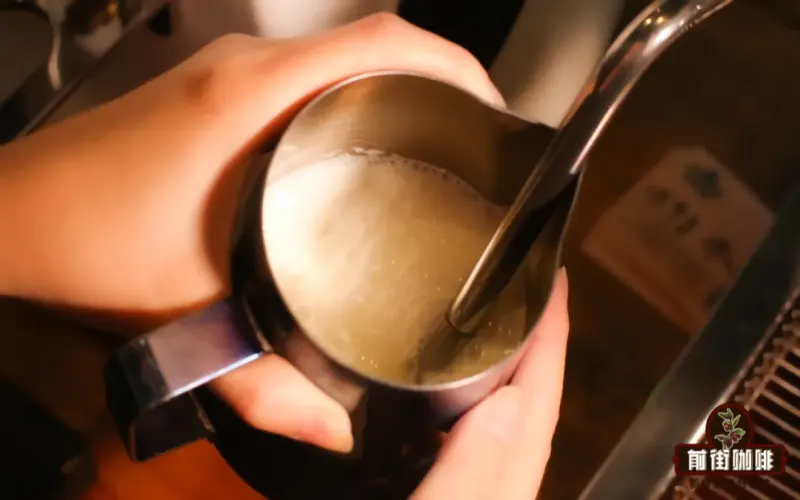
The Complete Guide to Steaming Milk Foam for Espresso Lattes: Thickness Control and Beginner-Friendly Practical Techniques Explained
Want to make dense, smooth latte milk foam but keep struggling with coarse large bubbles and uncontrollable temperature? This article starts with the historical origins of milk foam, systematically breaks down the thickness control principles of espresso milk foam, and guides you through understanding the two key stages: "aeration" and "texturing." Front Street Coffee will demonstrate step by step the practical details of steam wand angle, air intake point selection, and temperature control, and share money-saving tips for practicing with ice water. Whether you are a complete beginner or an enthusiast looking to refine your latte art skills, this tutorial can help you avoid common pitfalls and consistently create fine, delicate milk foam suitable for latte art. [more…]
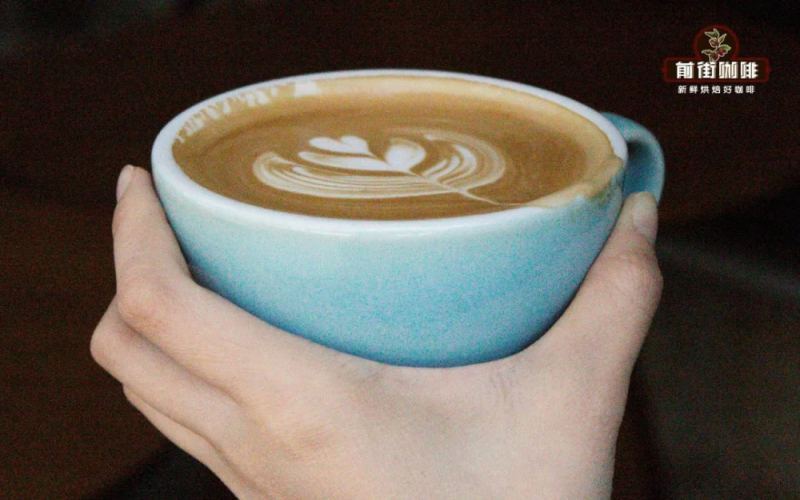
How Milk Temperature Affects Latte Art and Taste: Milk Steaming Temperatures and Drinking Tips for Lattes, Flat Whites, and Cappuccinos
After the transition into autumn and the arrival of cooler weather, hot milk coffee has once again become the mainstay of in-store orders, and the temperature to which milk is steamed directly determines the smoothness on the palate, the durability of latte art patterns, and even whether the aroma leans milky or develops a cooked-milk note. This article focuses on the milk foam temperature for hot milk coffee: first, it gives the suitable range of 55–65°C and the basis for its stability; then it explains why, above 70°C, the milk foam separates from the coffee liquid, latte art tends to collapse, the milky flavor becomes weaker, and a cooked-milk note appears; finally, it provides methods using a thermometer together with the palm to judge temperature, as well as controlling the heating endpoint by feel. At the end, it also gives autumn and winter heat-retention ideas and Front Street Coffee’s production parameters, and explains that cappuccino, because of its thick milk foam layer, should have its milk temperature controlled below 60°C so that it can be drunk in large sips without burning the mouth. [more…]
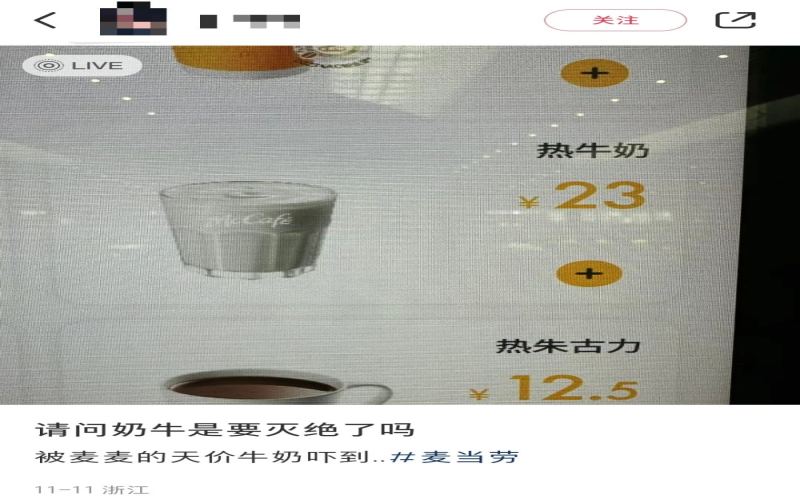
McDonald's hot milk priced at 23 yuan sparks heated discussion, with pricing at high-speed rail station outlets and differences in milk sources becoming the focus
Recently, the topic of a cup of hot milk costing 23 yuan at McDonald's trended on Weibo, jokingly dubbed by netizens as a "milk assassin." The incident originated from a complaint by a netizen on social media on November 11, which subsequently sparked widespread discussion. Some netizens shared experiences of witnessing staff opening low-priced pure milk and heating it for sale in stores, while others believed that pricing in special commercial districts like high-speed rail stations is inherently higher. Upon inquiry, McDonald's official mini-program shows that this milk comes in large, medium, and small cups, priced at 23 yuan, 19 yuan, and 15 yuan respectively, and the milk sources used in stores across different cities also vary. As coffee enthusiasts, we might as well use this incident as a starting point to discuss the pricing logic and milk source choices of chain restaurants. [more…]
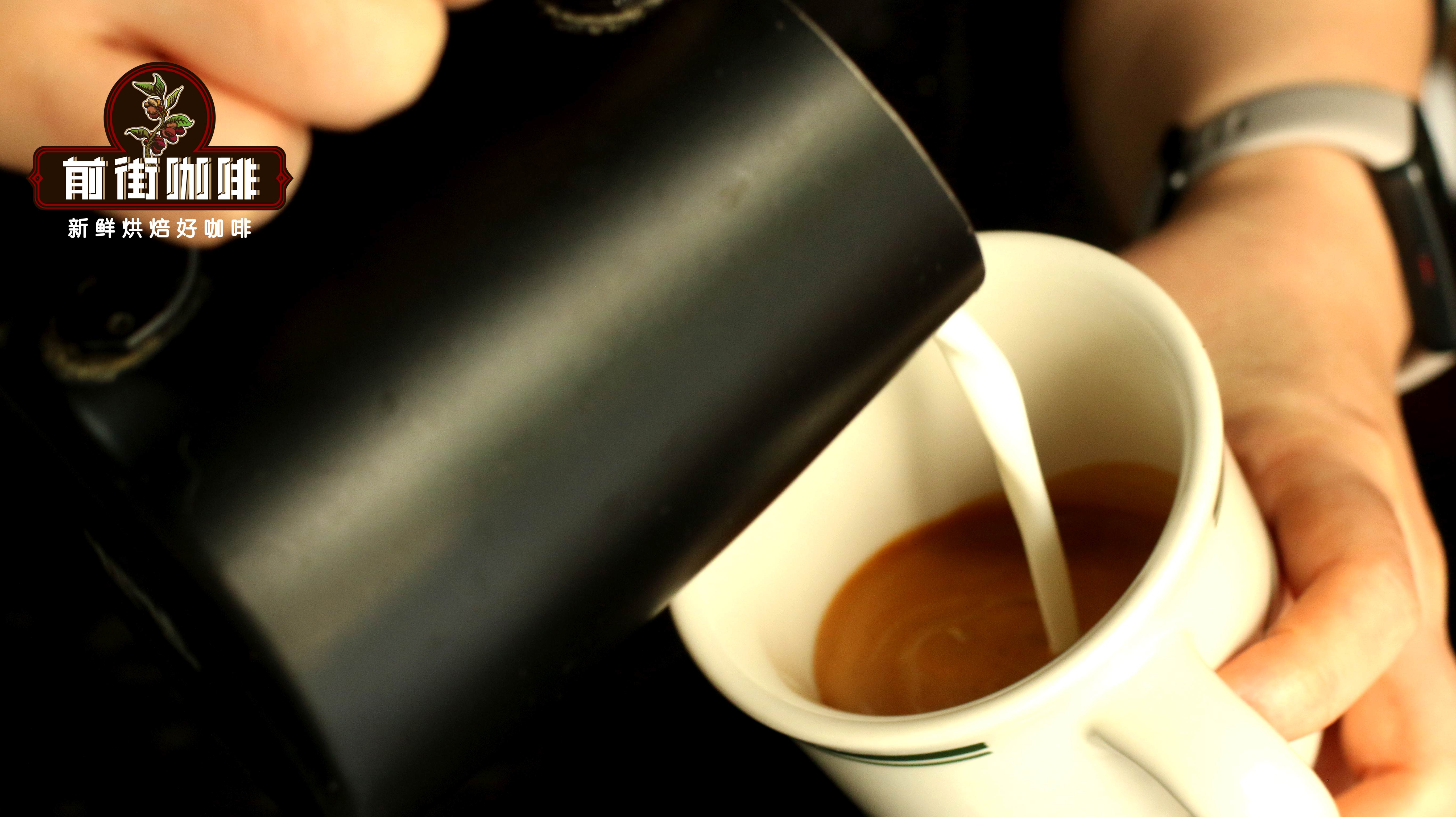
Can You Make Milk Foam Without a Whisk? A Detailed Guide to Cappuccino Milk Foaming and the Key Techniques of Milk Temperature
Want to enjoy a cappuccino at home but lack professional tools—can a whisk replace a steam wand to produce ideal milk foam? What is the best temperature to heat the milk to? This article focuses on four core points in cappuccino making—milk temperature, foam density, foam quantity, and milk texture—explaining one by one how to create fine, silky milk foam so that the coffee's own sweetness can be fully released. The article also shares Front Street Coffee's hands-on experience with steam milk temperature control, foaming rhythm, and pouring technique, helping you make a cappuccino close to cafe quality even without professional equipment. [more…]
The Complete Process of Making Fancy Coffee: From Grinding and Brewing to Milk Steaming and Latte Art Techniques
Fancy coffee is a leisure drink beloved by many, but its preparation process is not complicated. This article breaks down, step by step, the practical methods for making fancy coffee at home—from grinding coffee beans, brewing coffee, frothing milk, to pouring latte art and blending—and reminds you of easily overlooked details such as grinding temperature and the best time to drink it. It also recommends Front Street Blue Mountain coffee, which is suitable for making fancy coffee, as well as practical equipment such as hand-cranked coffee grinders, electric coffee grinders, French presses, siphon pots, milk frothing pitchers, and coffee cups, helping coffee lovers easily enjoy the pleasure of homemade fancy coffee. [more…]
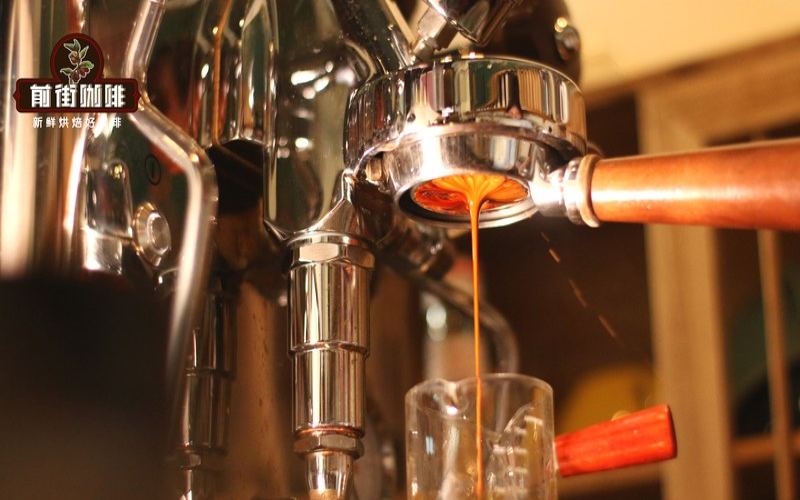
Moka Pot Latte Bean Selection: How to Pair Light, Medium, and Dark Roasts with Milk
Coffee brewed with a moka pot is usually more concentrated than pour-over, yet it doesn't have the thick crema of an espresso machine. Once milk is added, the roast level of the beans directly shapes the flavor direction of the whole cup: a light roast highlights aroma, a medium roast comes across as sweeter and smoother, while a dark roast delivers cocoa, nuts, and a stronger presence. When choosing beans, you can first base your decision on [more…]
What temperature should you steam milk to for a hot latte? A practical guide to temperature control, even more essential for cappuccino
As the weather turns cooler, hot milk coffee becomes the top choice for many people. The temperature at which milk is steamed not only affects the comfort of the first sip, but also directly influences the fineness of the milk foam, the durability of latte art, and how well the coffee and milk blend. If the milk temperature is too low, the milk coffee cools down too quickly; if it's too high, problems easily arise such as separation of the milk foam from the coffee liquid, a weakened milky flavor, or even a gamey note emerging. This article will focus on the milk foam temperature for hot lattes and cappuccinos, explaining why 55–65°C is the commonly used range in cafés, what changes occur in milk above 70°C, and sharing practical methods for beginners and more advanced baristas to judge milk temperature. At the same time, Front Street Coffee will also offer temperature-control recommendations for lattes and cappuccinos respectively, based on autumn and winter serving needs, to help you make consistently delicious hot milk coffee at home or in a café. [more…]
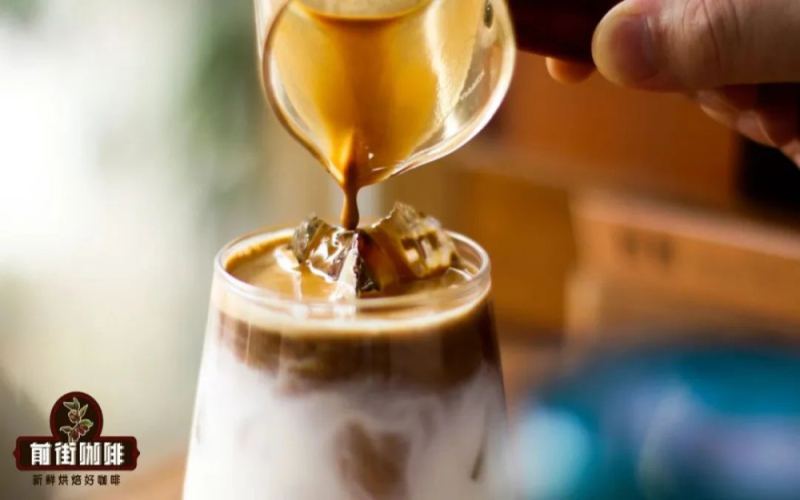
Hot Coconut Milk Latte vs. Iced Drink Flavor Differences Explained: Key Techniques for Frothing Thick Coconut Milk
Iced coconut milk lattes are sweet and smooth, but when switched to a hot drink they easily become cloying and sour, with the flavors separating—where exactly does the problem lie? Starting from the compositional characteristics of thick coconut milk, this article analyzes the principles behind fat separation, protein denaturation, and acidification reactions when it is heated, and offers a practical solution of adding milk to adjust the blend. At the same time, drawing on in-store testing, Front Street shares the suitable ratios of espresso, thick coconut milk, and fresh milk, as well as operational details such as aeration time and temperature control when steaming milk foam, to help you make a cup of hot coconut milk latte at home with harmonious flavors that is suitable for latte art. [more…]
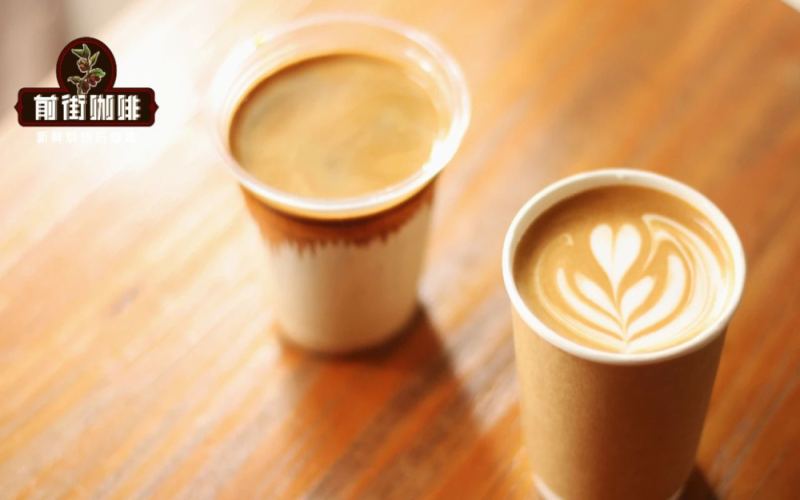
Key Points for Making a Latte | What Milk Froth Temperature Is Suitable for an Espresso Latte? How Can Coffee Beginners Control the Steaming Temperature of Coffee and Milk?
As the temperature drops, more and more customers at Front Street Coffee shops are ordering hot milk coffee. The steamed sweet milk blended with espresso creates a cup of smooth, fragrant hot latte that truly brings a lot of warmth. To keep the hot latte from cooling down too quickly after serving, some friends steam the milk to a higher temperature. At this point, getting the milk temperature just right is especially important. [more…]
Pour-Over Coffee Heat Retention and Hot Milk Coffee Temperature Control Guide: How to Slow Cooling Without Ruining Flavor
When the temperature drops, coffee cools down noticeably faster, and its enjoyable drinking window shortens accordingly. Once hot coffee goes cold, it often no longer tastes good—for example, Front Street PWN Golden Mandheling tends to turn bitter, while Front Street Yirgacheffe becomes more sharply acidic. This article addresses three questions: whether pour-over coffee can be kept warm in a thermos, why coffee's flavor deteriorates after it cools, and what temperature milk in a latte should be steamed to. It also offers practical tips, including moderately raising the water temperature and milk temperature, preheating equipment, covering and sealing, and using a thermos for short-term storage of pour-over coffee, to help you extend the time your coffee stays tasty without ruining the extraction or mouthfeel. [more…]
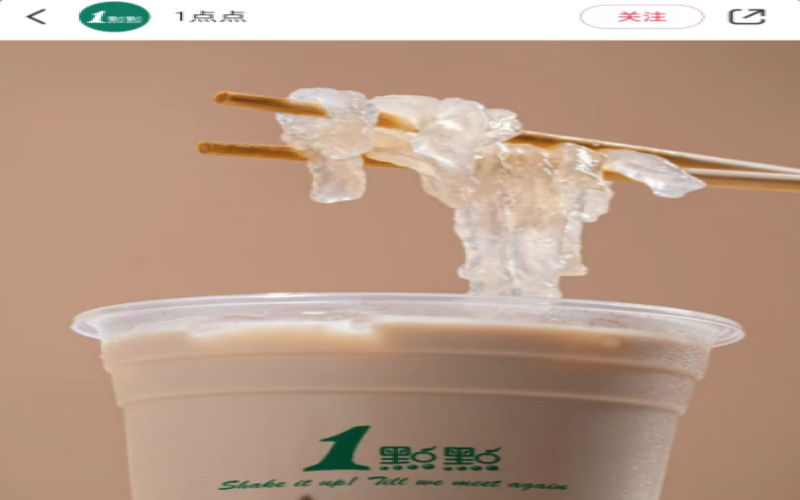
A Little Tea's "Fentiao Naiwu" Sparks Heated Discussion: Tapioca Starch Noodles in Milk Tea, a New Experience of Slurping Noodles and Sipping Milk Tea
The pace of innovation in the new-style tea beverage industry is dizzying, with new products such as light milk tea, fruit tea, flower tea, and vegetable tea emerging one after another. Recently, the veteran tea beverage brand Yidiandian launched a new product called "Fentiao Naiwu," which adds the distinctive topping fentiao (starch noodles) to an oolong milk tea base, priced at 16 yuan for a large cup, quickly sparking heated discussion among netizens. The official promotional copy bluntly says "sip milk tea while slurping noodles," and the poster even shows fentiao being picked up with chopsticks, making people exclaim that milk tea has evolved beyond recognition. This article will walk you through the features of this new product, consumer feedback, and market controversy, while Front Street Coffee also interprets for you the industry logic behind this cross-border attempt. [more…]
A Complete Guide to Cappuccino Milk Frothing and Temperature: Professional Techniques from Steaming to a Dense, Silky Texture
In coffee shops, cappuccino is just as popular as latte, but have you ever noticed that cappuccino's foam layer is noticeably thicker than latte's? This is no accident, but is determined by four key factors working together: milk temperature, foam density, foam quantity, and milk texture. This article will focus on cappuccino, systematically explaining the correct method for steaming and frothing milk, analyzing why the ideal milk temperature range is 55-65°C, and explaining how foam that is too thin or too thick affects the presentation of coffee flavor. At the same time, we will also compare the differences between latte and cappuccino in foam handling, helping you make a cappuccino at home with foam and coffee liquid blended into one and a silky mouthfeel. [more…]
The Complete Guide to Brewing Black Tea Correctly: Hot Tea, Milk Tea, Cold Brew, and the Differences Between Hong Kong-Style and Regular Milk Tea Recipes
Black tea gets its rich color and full-bodied taste from full fermentation, but different grades, brewing temperatures, and drinking methods all affect the final flavor. This article systematically sorts out the core knowledge of black tea, from temperature control, spice additions, and timing for hot brewing, to the simmering techniques for Indian milk tea, the cold-brew refrigeration extraction method for iced black tea, and creative drinks such as vodka black tea and hot toddy, along with the standard recipe for Hong Kong-style milk tea, helping coffee and tea lovers fully master the many possibilities of black tea. Whether you prefer it plain or with a rich milky taste, you can find a brewing method that suits you. [more…]