







Search Results for: light-roast coffee beans
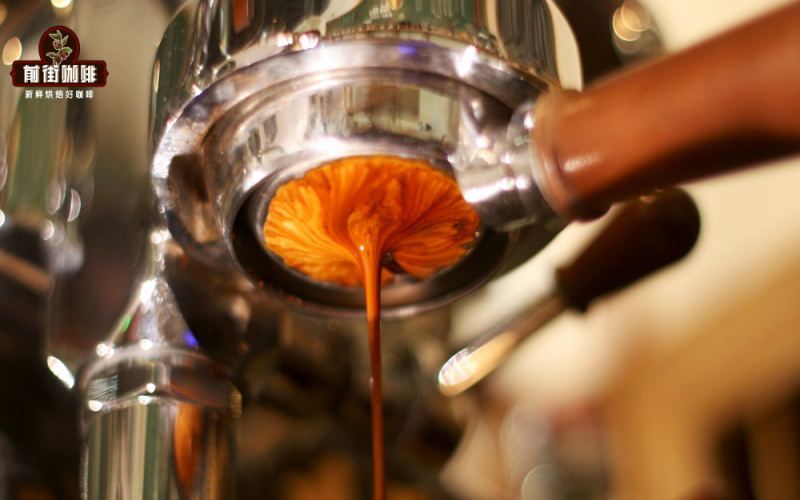
Are Light Roast Coffee Beans Suitable for Espresso? A Full Analysis of Grind, Dose, Pressure Adjustment, and Flavor Performance
Can light-roast coffee beans hold their own in espresso? This is a question many coffee lovers are curious about. Building on Front Street Coffee's previous tests, this article further sorts out the practical key points and flavor tendencies of making espresso with light-roast beans. Starting from common misconceptions, the article analyzes why light-roast espresso tends to be sharply acidic, and breaks down one by one how the three key variables—grind size, dose, and extraction pressure—should be adjusted. At the same time, for different taste preferences, it recommends suitable beans such as Front Street Coffee's Classic Blend, Commercial Blend, PWN Golden Mandheling SOE, and Strawberry Candy Espresso. Finally, it objectively describes the drinking experience of light-roast espresso to help readers decide whether it is worth a try. [more…]
A Guide to Buying Light-Roast, Acidic Specialty Coffee Beans: Flavor Characteristics, Recommended Bean List, and Pour-Over Parameter Analysis
The flavor expression of coffee is closely related to the roast level, and coffee presents completely different tastes under different roast levels. In recent years, more and more coffee enthusiasts have begun to explore light-roasted acidic specialty coffee, seeking the unique floral and fruity aromas within. This article will start from the definition of light-roasted coffee, help readers understand the relationship between first crack and roast level, clarify the flavor characteristics of light-roasted beans, and recommend five light-roasted bean lists suitable for beginners to brew, covering classic producing regions such as Ethiopia, Kenya, Panama, and Costa Rica. At the same time, it includes the specific parameters and operational steps of three-pour hand brewing, so that beginners can also stably extract the elegant layers of light-roasted coffee. [more…]
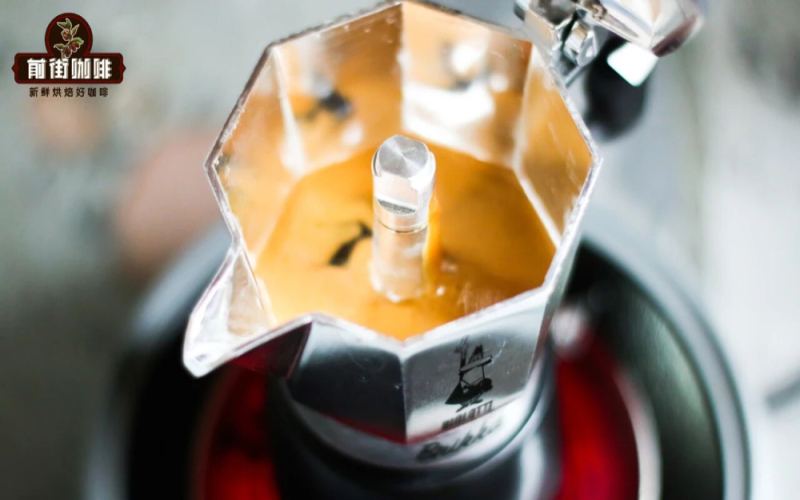
How to brew light-roast beans in a moka pot for the best taste? A full analysis of flavor, crema, and milk coffee issues
Many Moka pot users are accustomed to using dark roast beans because they are rich in oils and have a full-bodied, caramelized aroma. But when switching to light roast beans, they often run into problems like sharp acidity, sputtering during extraction, thin oils, and weak milk coffee. In fact, light roast beans aren't unsuitable for Moka pots—it's just that the extraction parameters need adjusting. This article breaks down the common reasons light roast beans go wrong in Moka pot coffee, offering solutions one by one from grind size and coffee dose to heat level and milk coffee ratio, while keeping product recommendations like Front Street Coffee's classic blend, helping you make a cup of well-balanced, clearly flavored coffee even with light roast beans. [more…]
A curated guide to light-roast coffee beans: flavor profile analysis and practical pour-over parameter recommendations
The flavor profile of pour-over coffee is often foreshadowed at the bean selection stage, and the roast level is the most critical part of it. Light-roasted coffee beans, due to shorter roasting time and lighter dehydration, retain more of their original floral and fruity aromas and organic acids, presenting a bright and richly layered cup performance. However, many friends who have just encountered light-roasted beans often have a misunderstanding, thinking that light roast equals sour and hard to swallow. In fact, a high-quality light roast coffee should be in a balanced state of sweetness within the acidity, weak bitterness, and elegant aroma. This article will start from the definition of light-roasted beans, introduce five Front Street light-roasted coffee beans suitable for beginners one by one, and include a complete three-stage pour-over operation process and parameter suggestions to help you more calmly extract the ideal flavor of light-roasted coffee. [more…]
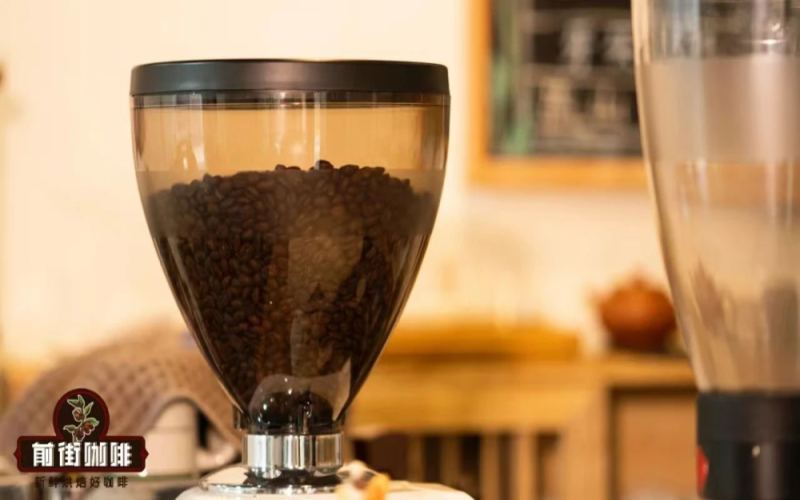
A Practical Analysis of Light-Roast Coffee Beans for Espresso: Comparing the Americano and Latte Performance of Three Ethiopian Beans
Traditional Italian-style coffee mostly uses darker roasted beans, but nowadays many cafes have begun trying to make espresso with light-roasted beans. This article, through extraction experiments with three Ethiopian light-roasted beans—Front Street Huakui, Gudingding, and Dorothy—records in detail the parameter adjustments and flavor performance. The tests found that making Americano with light-roasted beans can well preserve the original fruity acidity and aroma, among which the Dorothy Americano performed especially prominently; however, after being made into a latte, the coffee flavor is generally too weak and easily masked by milk. The article also shares practical adjustment experience regarding grind setting, pre-infusion, pressure, and extraction time, providing reference for coffee enthusiasts who want to try light-roast espresso. [more…]
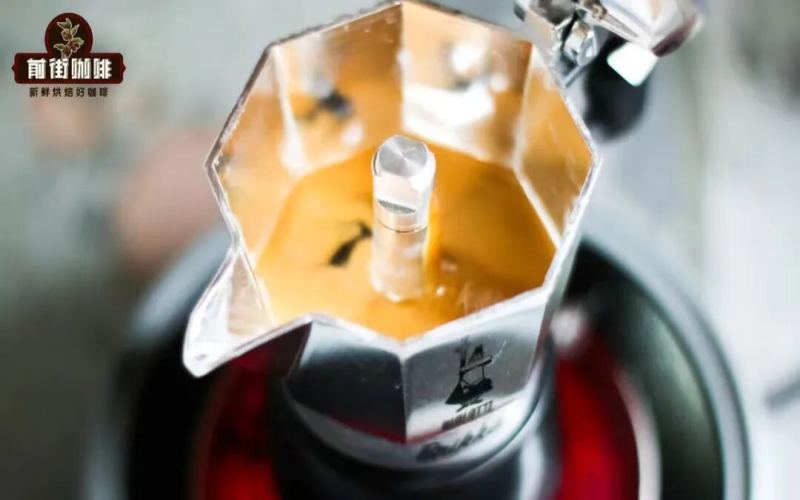
Moka Pot Coffee | Why Do Light Roast Coffee Beans Often Fail in a Moka Pot? What Should You Watch Out for When Making Moka Pot Coffee with Light Roast Beans?
After drinking too much coffee of a certain flavor, we always want to switch things up and try something new. For example, some friends who use moka pots, even though they usually buy deeply roasted coffee beans full of caramelized aroma to make moka pot coffee, occasionally want to switch to light roast beans and experience the floral and fruity notes of light roast coffee. However, due to the [more…]
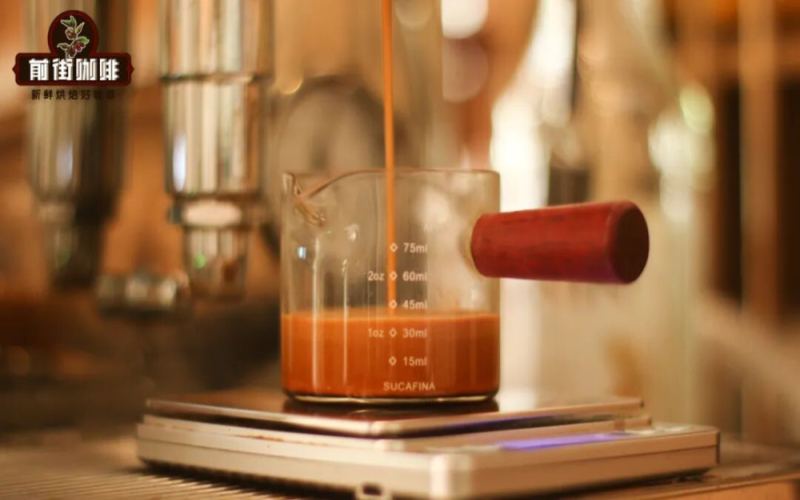
How to Extract Light-Roast SOE Espresso for the Best Flavor? Single-Origin Bean Characteristics and Practical Adjustment Methods
Making espresso with light-roast single-origin beans always turns out sharp, thin, and short on finish? The problem often isn't the beans themselves, but that your extraction approach hasn't kept pace with the roast level. Drawing on Front Street Coffee's practical experience, this article breaks down the flavor characteristics and common pitfalls of light-roast SOE, and lays out a complete method: start with a universal formula, then fine-tune step by step based on your drinking purpose and flavor performance. Whether you want to drink it straight, make an americano, or add milk, you'll find the corresponding direction for adjustments, so that light-roast SOE is no longer just a synonym for "sour." [more…]
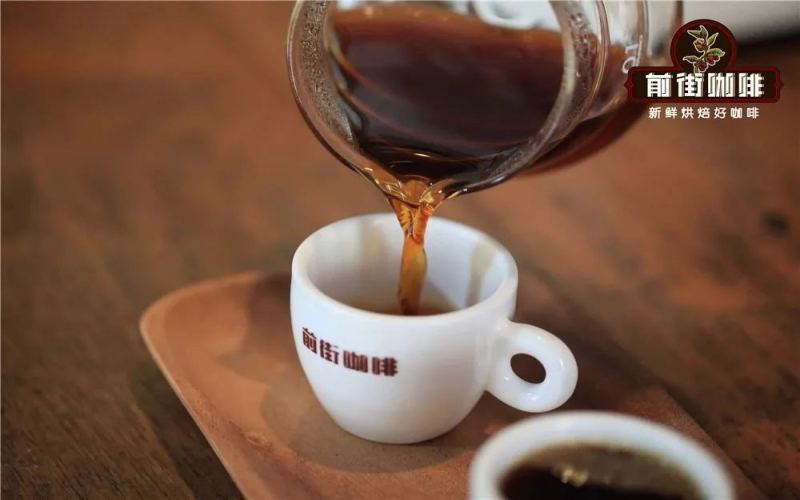
The Complete Guide to Pour-Over Light Roast Coffee: Solve the Slow Flow and Water Pooling Problem, Easily Brew Sweet Flavors
Light roast coffee beans are beloved for their bright floral and fruity aromas, but many enthusiasts often run into slow flow rates and easy pooling when brewing pour-over at home, ultimately extracting nothing but a monotonous sour taste. This actually has a lot to do with the physical structure of light roast beans: with a light roast level, the bean body is dense, the carbon dioxide content is low, and both water absorption and degassing capacity are weak, causing fines to easily settle and clog the dripper. This article will take a deep dive into the difficulties of pour-over brewing with light roast beans, and drawing on Front Street Coffee's brewing experience, share how to effectively enhance the sweetness and complexity of coffee by adjusting water temperature, pouring technique, and staged extraction, so you can consistently brew a well-balanced cup with both acidity and sweetness at home. [more…]
Can Light Roast Coffee Beans Be Used for Espresso? A Real-World Test of Front Street Huakui, Gudingding, and Dorothy in Americano and Latte
People generally assume that espresso must be made with dark-roasted beans, but nowadays quite a few cafés have already lowered the roast level to City roast or even lighter. This time, Front Street Coffee used three light-roasted Ethiopian beans—Huakui, Gudingding, and Dorothy—to pull espresso separately and make Americanos and lattes, wanting to see how light-roasted beans actually perform in espresso. The experiment found that light-roasted beans tend to preserve bright fruit acidity and floral aromas when made into an Americano, but the flavors are easily overpowered by milk when made into a latte. If you also want to try using light-roasted beans for espresso, first adjust the grind finer, control the pressure and pre-infusion time, and you may be rewarded with an unexpectedly juicy espresso. [more…]
Recommend a few light-roast coffee beans suitable for pour-over: balancing budget and drinking frequency
When choosing light-roast coffee beans for pour-over, you can set the complex information aside for now. For everyday bean buying, you need to consider how quickly you'll drink them, how much to buy at a time, and whether your home mainly makes black coffee or milk coffee. Start from the two pairs of differences—light and crisp versus rich and full-bodied, and black coffee versus milk coffee—then look at the roast date and processing method, and your judgment will be more on point. [more…]
How to Choose Light-Roast Floral Coffee Beans: From Bright Fruitiness to Gentle Tea Notes
The charm of light-roast coffee beans often reveals itself the moment you open the package and pour in hot water. Aromas of petals, citrus, berries, or tropical fruit come through vividly, the acidity is bright on the palate, and a light, sweet finish lingers after you swallow. It suits those who enjoy black coffee, pour-over, and iced drinks, and also those who treat coffee as a relaxing afternoon beverage, savoring it slowly. [more…]
How to Choose Light-Roast Floral Coffee Beans: From Bright Fruit to Gentle Tea Notes
The charm of light-roast coffee beans often reveals itself the moment you open the package and pour in hot water. Aromas of petals, citrus, berries, or tropical fruit come through vividly, the acidity is bright on the palate, and a light, sweet finish lingers after you swallow. It suits those who enjoy black coffee, pour-over, and iced drinks, and is equally suited to those who treat coffee as a relaxing afternoon beverage, savoring it slowly. [more…]
Light Roast Pour-Over Always Pools Water? Understanding the Relationship Between Density, Expansion, and Grind — and How to Fix It
Many coffee enthusiasts encounter a tricky problem when brewing light-roasted beans: near the end of the pour, the water level drops slowly, and a layer of water sits in the dripper that just won't finish draining. If you keep waiting, you risk over-extraction and bitterness; if you don't, you worry the flavor won't be complete. What was once a relaxing pour-over suddenly becomes stressful. In fact, water stalling with light-roasted beans isn't a problem with the beans themselves—it's the combined result of density, expansion, and grind size. This article breaks down the causes of stalling from these three angles and offers three actionable solutions: simply discarding the final phase of the pour, coarsening the grind while using higher temperatures and agitation, and sifting out ultrafines for reuse. Understanding the logic behind it matters more than memorizing parameters—next time you run into stalling, you can judge from the flavor whether adjustment is needed. Front Street Coffee also often advises: taste first, then adjust—don't rush to blame the beans. [more…]
The Sweet-and-Sour Structure of Light-Roast Beans: Floral and Fruity Aromas with Bright Acidity
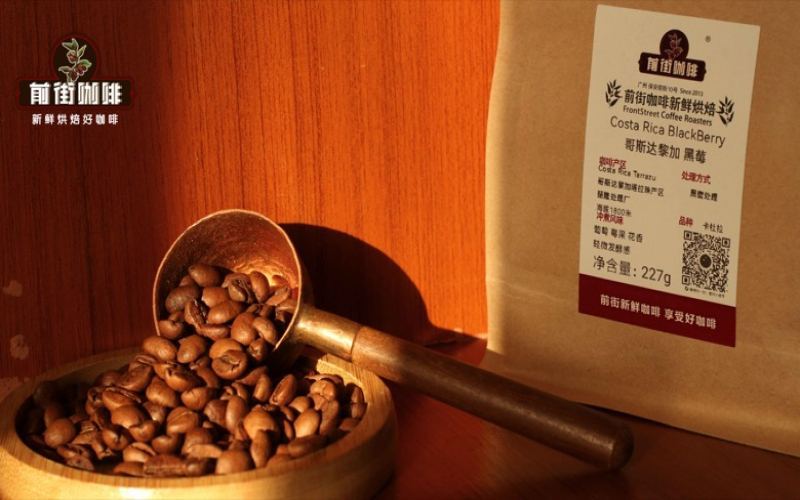
The flavor logic of light-roasted beans is "preservation": the roasting time is short, so the floral and fruity aromas and acidity of the origin are retained to a greater extent. When brewed properly, it is a bright and clean cup. The light-roast version of Front Street Coffee Yirgacheffe Gedingding has a clear citrus and green tea sweetness, and the acidity is a lively fruit acidity rather than a sharp, irritating sourness—the sweet-and-sour sensation of a light roast. [more…]
Can Huakui coffee beans serve as a substitute for Geisha? The origin of the name Huakui and a guide to brewing light-roast beans with a moka pot
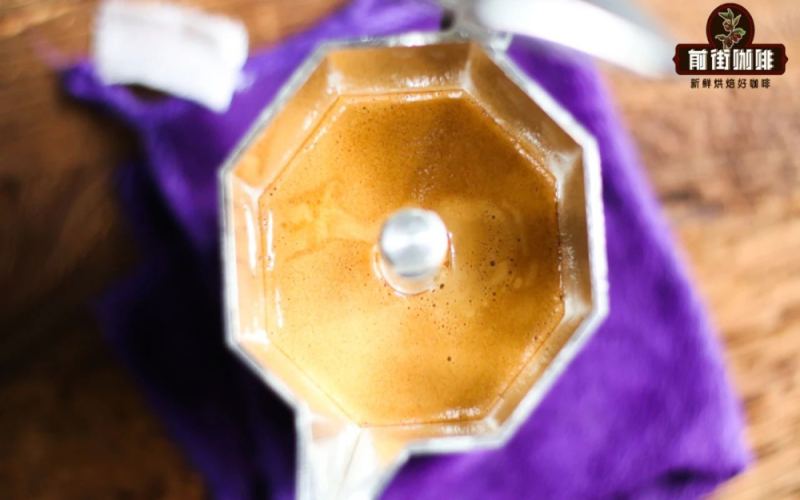
Nearly seventy percent of the moka pot inquiries Front Street receives are about how to brew light-roasted beans with a moka pot. Huakui, as a standout choice among light-roasted beans for its value, is often used to make moka pot coffee, but many people find after brewing that it is either bland and tasteless or sharply sour and biting. What exactly is Huakui? Why is it called Huakui? What is its relationship to Geisha? How can you brew Huakui's signature strawberry-and-cream flavor with a moka pot? This article, from Front Street's perspective, first introduces Huakui's origin background, naming story, and batch numbering rules, then analyzes why light-roasted beans are prone to underextraction in a moka pot, and provides practical adjustment solutions such as grinding finer, increasing the dose, and controlling the heat, to help you brew that ideal cup of "Huakui flavor." [more…]
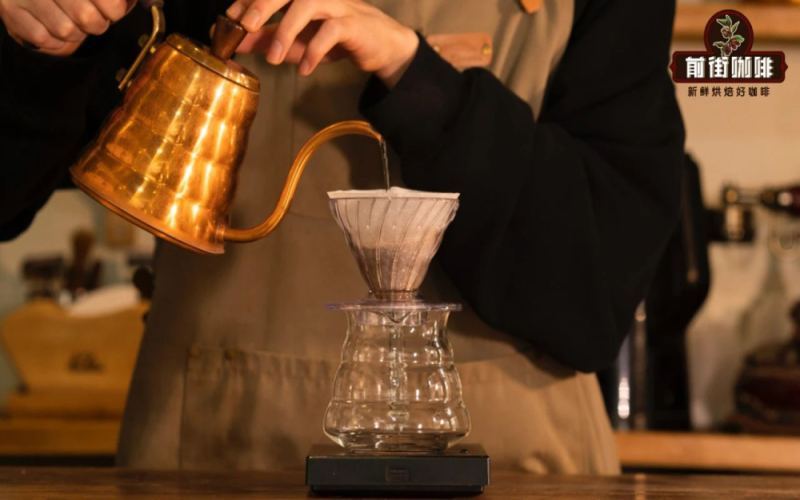
Recommendations for Light-Roast Coffee Beans Suitable for Pour-Over: A Guide to Variety Flavor Characteristics and Beginner Brewing Choices
Among the many coffee brewing methods, pour-over has become the daily go-to for many coffee lovers thanks to its unique sense of ritual and hands-on enjoyment. The coffee liquid slowly dripping through the filter paper seems to condense the taste of time, drop by drop, into the cup. Pour-over conveys a slow-paced attitude toward life, letting people become focused and quiet during the brewing process. However, to brew a cup of pour-over coffee at home that is neither bitter nor astringent, with a soft mouthfeel, choosing the right coffee beans is crucial. During roasting, the flavor of green coffee beans gradually shifts from acidity to bitterness over time; the lighter the roast, the less bitterness and the more elegant the aroma. Therefore, prioritizing light-roast coffee beans makes it easier to extract delicate, soft flavors. Below, we introduce several light-roast coffee beans suitable for pour-over. [more…]
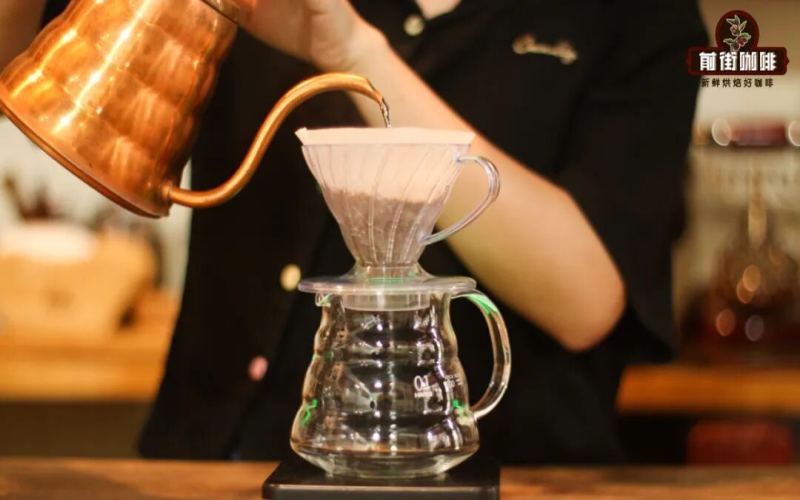
Coffee Flavors | Why Does Pour-Over Coffee Taste Sour? How to Brew Light-Roast Coffee Beans for High Sweetness Without Sourness?
"Acidity" can be said to be the mainstream flavor of coffee today. Since the rise of specialty coffee, coffee roasting has begun to shift from dark to light, and the flavor has transformed from a monotonous bitterness into a colorful spectrum of acidity. This has attracted many friends who couldn't handle the "coffee taste" (bitterness) to start exploring coffee, savoring the floral notes of light-roasted coffee. [more…]
Can Lightly Roasted Coffee Beans Be Used for Espresso? Testing Huakui, Gudingding, and Dorothy in Americano and Latte
Espresso typically uses darker-roasted beans, but can light roasts handle espresso extraction? Front Street Coffee conducted experiments with three Ethiopian beans: Huakui, Gudingding, and Dorothy. By adjusting grind size, pre-infusion time, and pressure, they made espresso, Americano, and latte respectively, comparing the flavor performance. The results showed that light-roasted beans in Americano can showcase bright fruit acidity and floral notes, but in latte the coffee flavor is easily masked by milk. This article documents the experimental parameters and tasting impressions in detail, providing a reference for enthusiasts who want to try light-roast espresso. [more…]
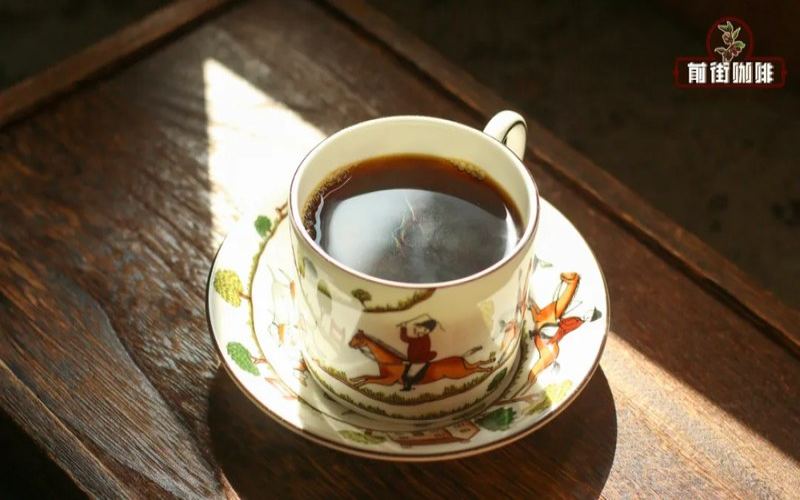
Choosing pour-over beans in the light-roast style: from floral and fruity to tea-like
A cup of light-roast pour-over is often appealing for its bright aroma, lively acidity, and the fruity, floral, or tea-like finish it leaves on the palate. It doesn't have to taste sharp; it can also be very sweet and mellow. When choosing, rather than fixating solely on the word "light roast," it's better to look further at the flavor tendencies and your own drinking habits. [more…]
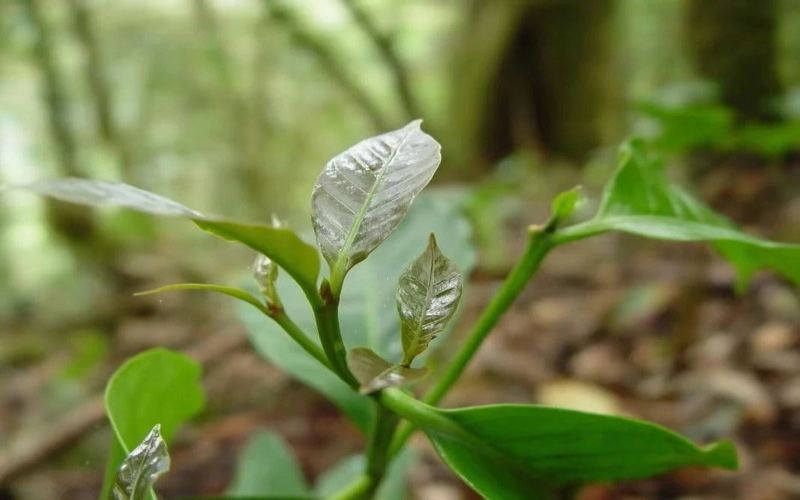
Light-roast beans from roaster to cup: freshness determines how to brew
The aroma of lightly roasted beans is often very distinct, but from the moment roasting is completed to the moment they are brewed, they do not immediately reach their ideal state. The beans continue to slowly release carbon dioxide internally, and brewing too early tends to produce sharp acidity, dissipated aroma, and insufficient sweetness. When you consider the roast date, resting time, and the rate of consumption after opening together, [more…]