"Sourness" can be said to be the mainstream flavor of coffee today. Since the rise of specialty coffee, coffee roasting has begun to shift from dark to light, and the flavor has transformed from a monotonous bitterness into a colorful array of acidity. This has attracted many people who couldn't handle the "coffee taste"(bitterness)to start exploring coffee and savoring the floral and fruity acidity of light-roasted coffee.
But many friends have found that the coffee they brew at home never has the same quality of acidity as what they drink in a café. Even with the same bag of coffee beans, the coffee brewed in the café is sweet and tangy, while their own brew tastes harshly sour—so sharp it's like biting directly into a lemon, both sour and astringent.
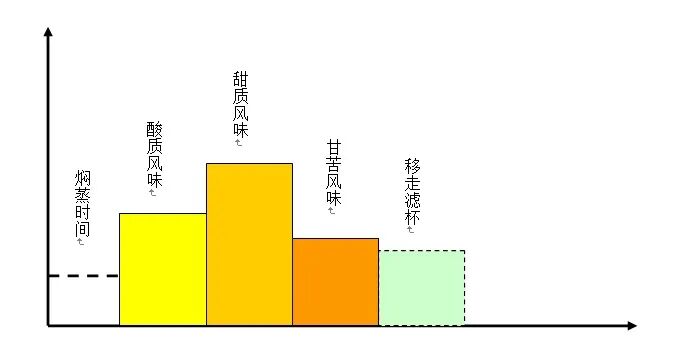
Obviously, this kind of situation usually indicates that the coffee has not been adequately extracted—what we commonly call under-extraction.Front Street often mentions that the flavor compounds in coffee dissolve at different rates due to differences in molecular size and polarity. If we break down the coffee extraction process into three stages—beginning, middle, and end—then the substances dissolved in the first stage are primarily acids, followed by sweetness and bitterness respectively.Flavors exist in a state of mutual balance. The reason brewed coffee tastes sharply sour is that the sweetness and bitterness haven't been dissolved out. It's like how a lemon is unacceptably sour because it contains very little sugar—the ratio between sourness and sweetness is severely imbalanced.
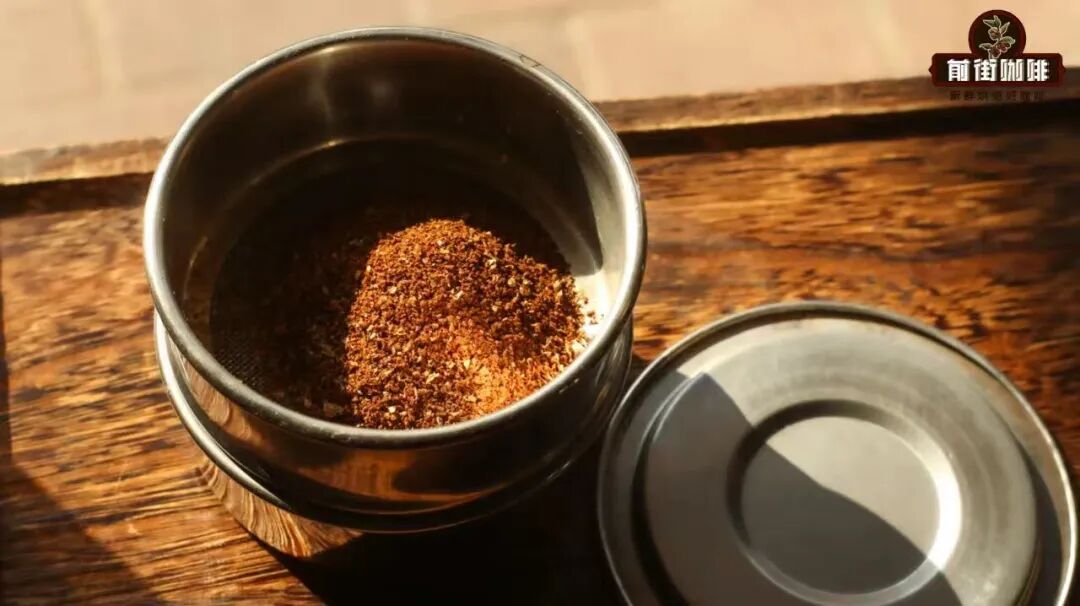
If we want to brew a cup of coffee that is both sweet and tangy, we need to dissolve out the flavors in the coffee besides acidity in appropriate amounts. It's just like lemon desserts—the addition of sugar balances out the lemon's sharpness. Achieving this is actually not difficult; you just need to get three important parameters right: grind size, time, and water temperature.1. Adjust to a Finer GrindThe coarseness or fineness of the grind determines how much surface area of the coffee comes into contact with water. The finer the grind, the larger the contact surface area, and the faster the flavor compounds dissolve. The opposite is also true. If we want the coffee to achieve adequate extraction, then naturally we need a sufficiently fine grind! That's easy to say, but how fine specifically?Just like other parameters, how fine the grind should be mainly depends on whether it can work in harmony with water temperature, time, extraction method, and other parameters. For example, when Front Street brews light-roasted coffee, the grind size used is fine granulated sugar consistency, with a 75%~80% pass-through rate on a No. 20 sieve. This is because this grind size can pair with a 92°C water temperature and a 2-minute extraction time to brew a decent cup of coffee.
If you can keep the other brewing variables fixed, you can find the grind size that suits you through a process of gradual experimentation, because there is no fixed standard for grind size, and not everyone has a No. 20 sieve at home.If the coffee tastes sharply sour, adjust the grind finer; if the coffee tastes bitter, adjust the grind coarser. This is the simplest and most practical approach.At the beginning, we can try adjusting as fine as possible, because light-roasted coffee has a higher density, making its flavor compounds relatively harder to dissolve out. As long as the coffee bed left after brewing isn't muddy, there generally won't be any major extraction problems.
2. Extend the Extraction TimeAs Front Street mentioned earlier, because we end the extraction before sweetness and bitterness have dissolved in large amounts, the coffee ends up tasting sharply sour. Therefore, extending the extraction time can effectively help us brew sweeter coffee, because extraction time is the time water contacts the coffee grounds. When the extraction time is extended, sweetness, bitterness, and other substances can naturally be dissolved out in sufficient quantities.There are many ways to extend the extraction time. For example, adjusting to a finer grind—as Front Street mentioned earlier—is one of them. Besides that, you can also extend the extraction time by switching to a different dripper or changing your brewing technique.
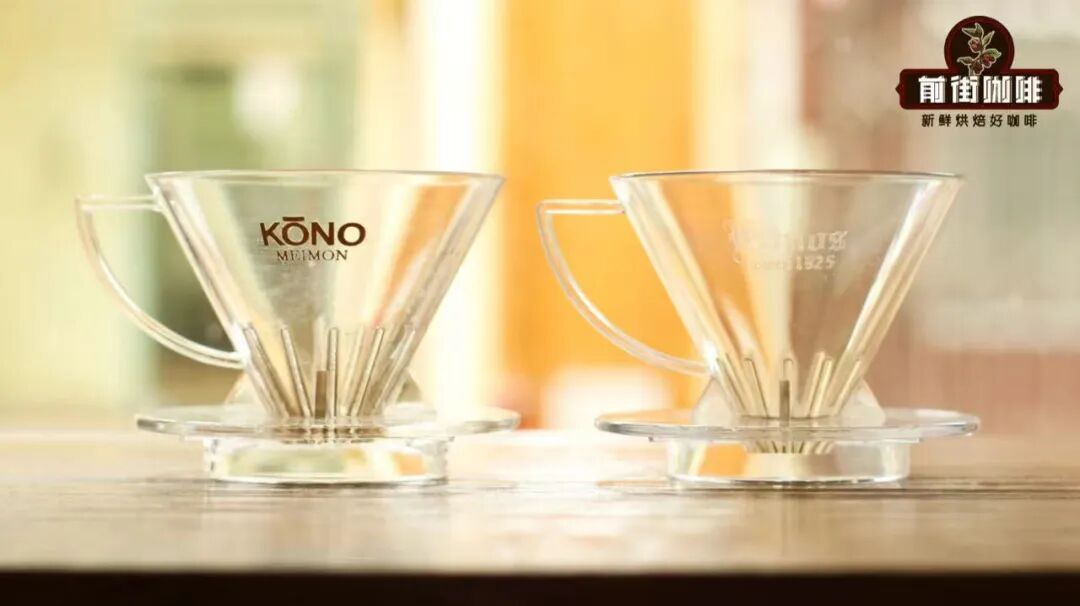
Usually, drippers without ribs or with short ribs and smaller exit holes have a slower flow rate, because during brewing, the gases released from the coffee beans don't have many channels to escape through—they form a resistance that impedes the penetration of hot water. That's why drippers without ribs or with short ribs typically have a slower flow rate. By switching to this kind of dripper, we can effectively extend the coffee's extraction time.Changing the brewing method is quite simple—we just need to split the hot water into multiple pours, and we can extend the extraction time. Due to the effects of water pressure and waiting time, pouring hot water in small amounts multiple times will always take longer to extract than pouring a large amount all at once. This is also why the three-pour method takes longer to extract than the one-pour method.
Generally speaking, keeping the brewing time within the 2-minute to 2-minute-30-second range is the safest.Of course, Front Street isn't saying that you can't brew delicious coffee outside this range—it mainly depends on how the other parameters pair with the time. It's just that, relatively speaking,keeping the brewing time within this range makes it less likely to brew over-extracted coffee, and also less likely to end up with under-extracted coffee—the margin for error is relatively higher.3. Increase the Brewing Water TemperatureWater temperature determines the rate at which substances dissolve. The higher the water temperature, the faster the substances dissolve, and vice versa.Through conversations, Front Street has found that many friends fail to brew good light-roasted coffee mainly because they don't use the right water temperature. For example, some friends usehot water from an office water dispenser for brewing, and the hot water temperature from water dispensers—except for some higher-end models—typically falls within the 85°C~88°C range.
For dark-roasted coffee, this water temperature is still acceptable, but for light-roasted coffee, it's a bit low. Unless you significantly extend the brewing time and adjust to a finer grind, the coffee will have a hard time achieving adequate extraction.For brewing light-roasted coffee, Front Street generally recommends a water temperature between 90°C~94°C, depending on how the other parameters coordinate. For instance, Front Street uses around 92°C. The coarser the grind and the shorter the extraction time, the higher the water temperature used, and vice versa.Having said all this, you're probably feeling a bit overwhelmed by now, so next Front Street will share its own specific parameters and methods through an actual demonstration, which should provide some reference value for everyone~
The coffee beans Front Street is brewing this time are the Front Street Yirgacheffe · Gutingting from our bean list, because it not only has outstanding flavor performance but also possesses higher density due to being grown at high altitude and light-roasted—making it very suitable as the star of this demonstration. The extraction parameters are as follows:
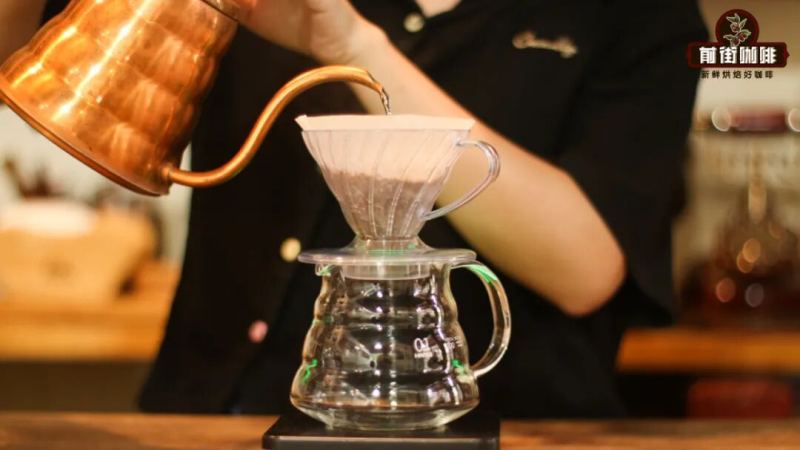
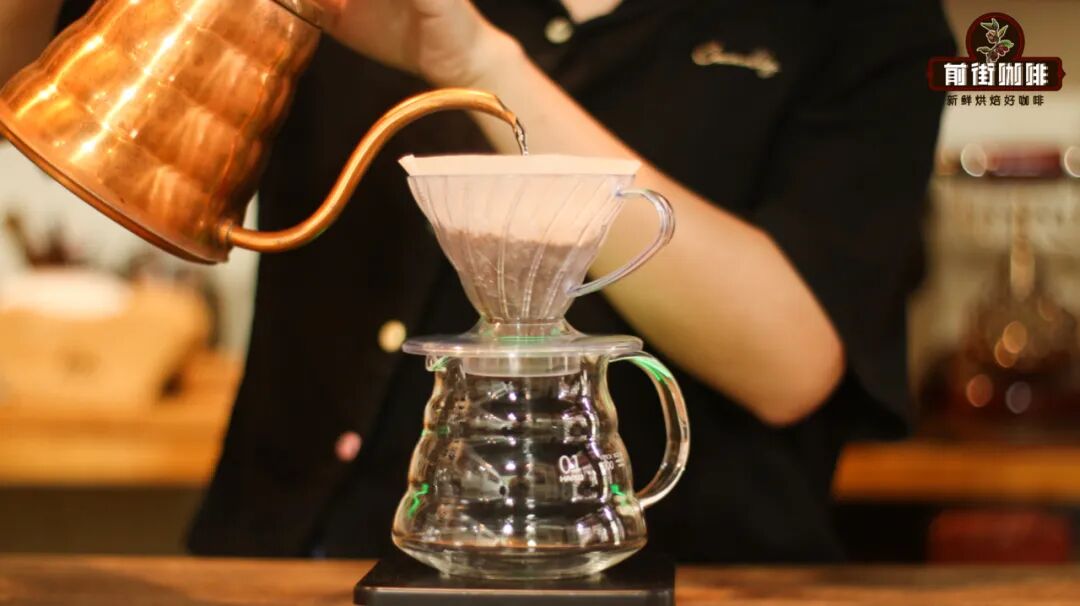
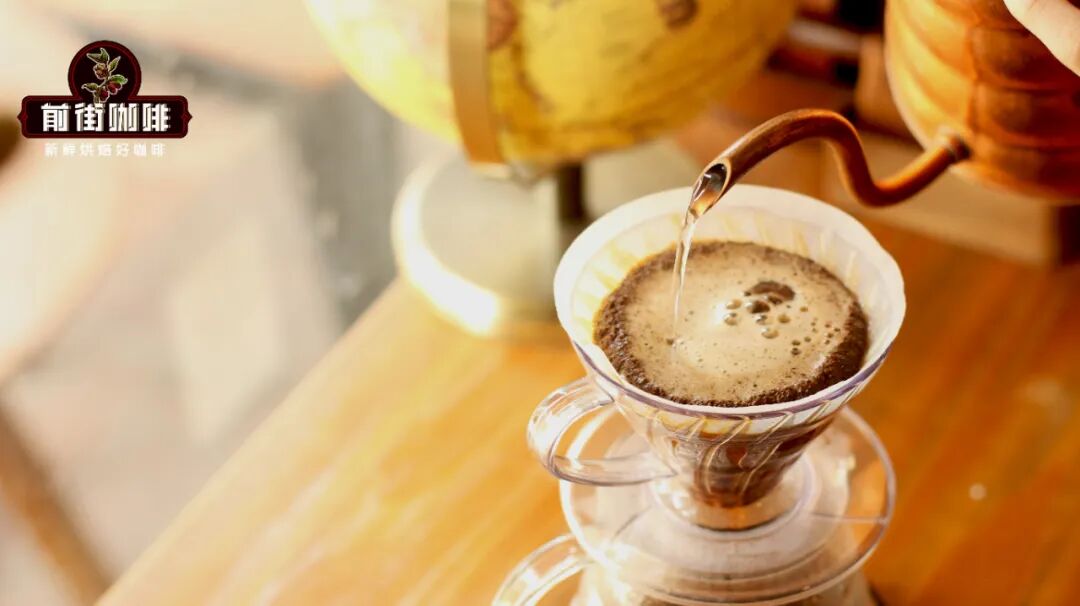
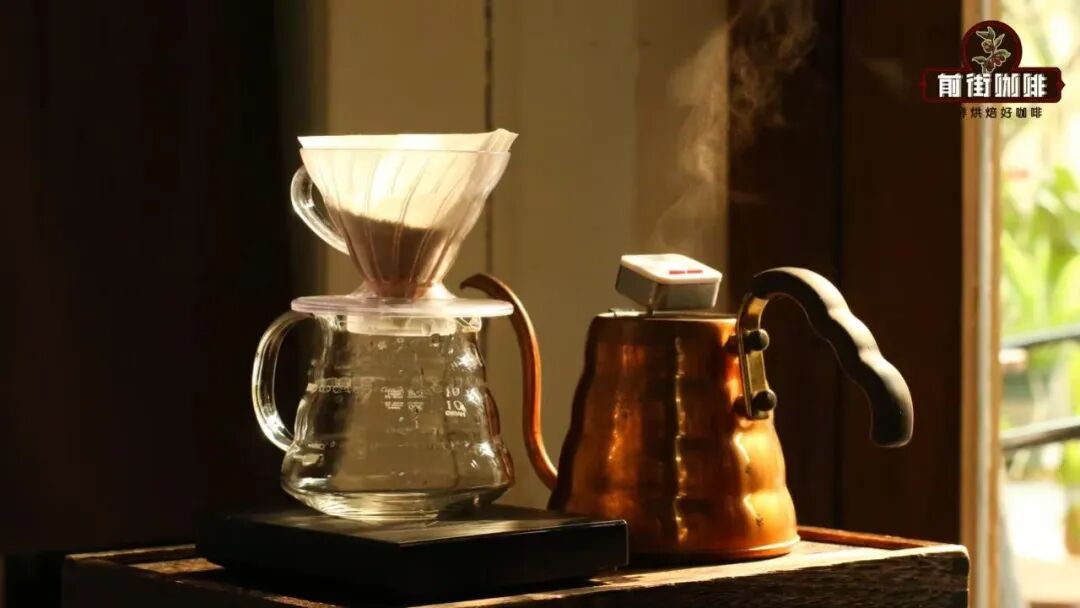
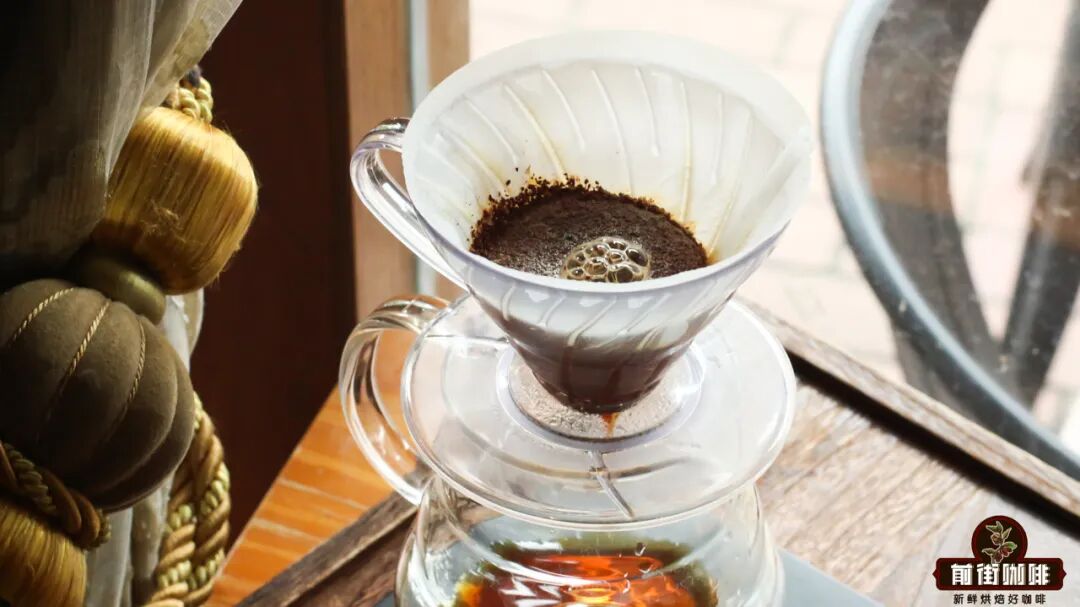
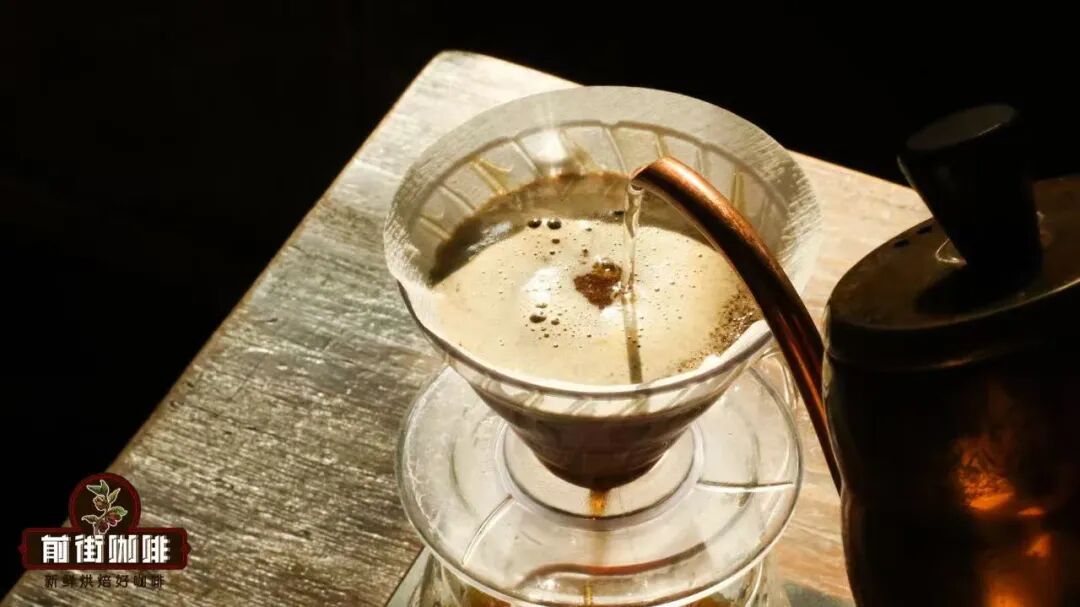
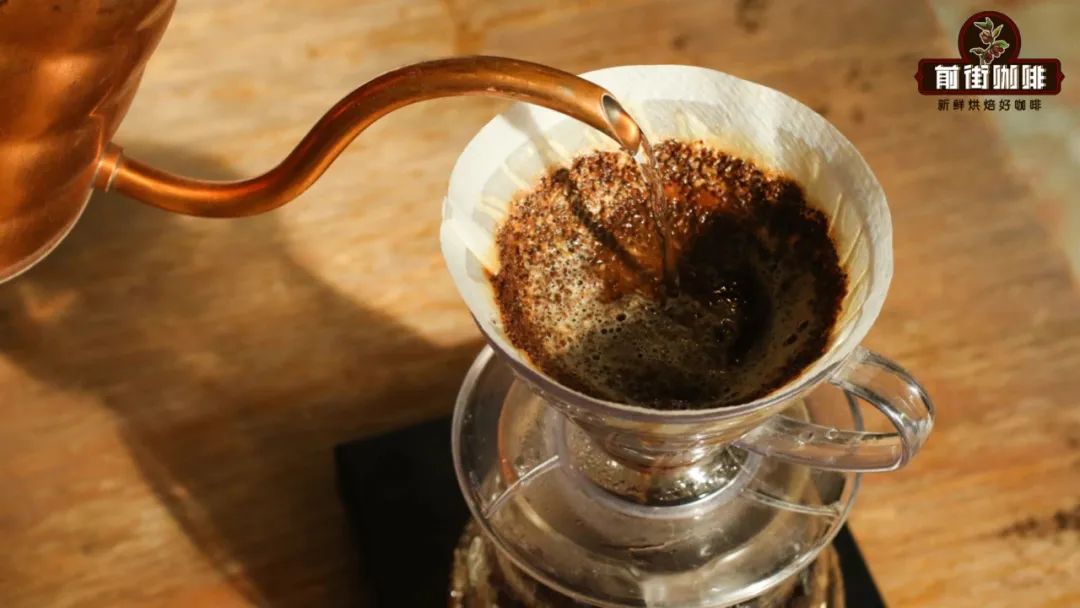
Coffee-to-water ratio: 1:15Grind size: Ek43 setting 10, 75% pass-through rate on a No. 20 sieve, fine granulated sugar consistencyBrewing water temperature: 92°CBrewing method: Three-pour methodSo first, we bloom with twice the coffee dose in water for 30 seconds—that is, 30ml of hot water.After the bloom is complete, use a moderate stream(pour rate of about 4~5ml/s)to pour the second stage of 120ml of hot water in a circular motion starting from the center and working outward. Because this bean has a higher density, to prevent the hot water from flooding the coffee bed and creating bypass water, we use a slightly smaller stream—this also effectively extends the extraction time.
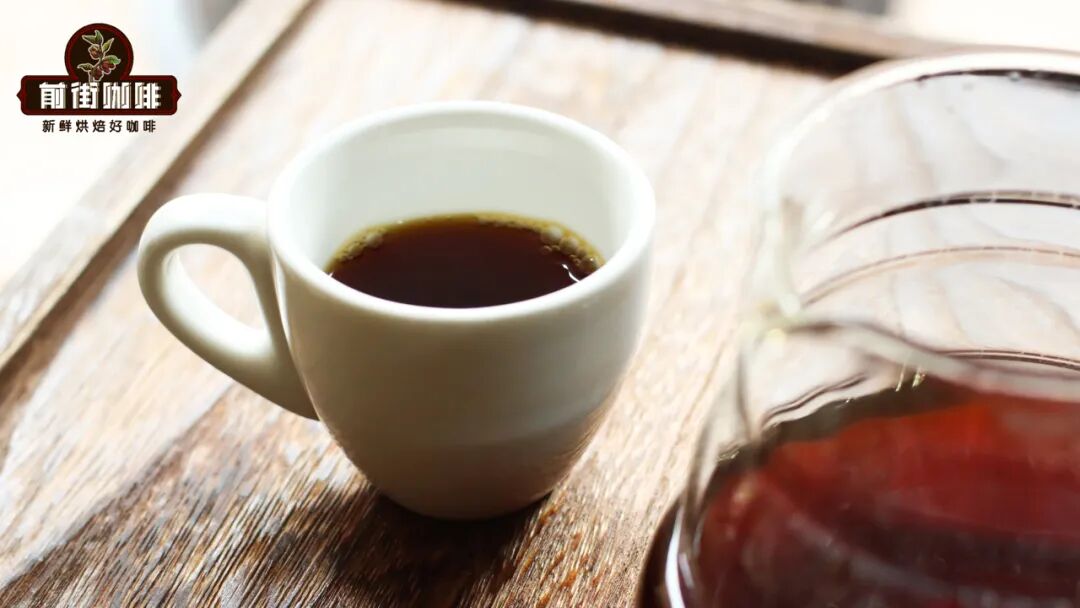
If you can't control the water flow well, that's fine too—we can split the post-bloom water into three equal pours, which achieves the same goal. The pouring takes about 30 seconds(for the 120ml pour). After pouring is complete, we simply wait for the liquid in the dripper to drain until we can see the coffee grounds at the bottom, and then we can begin pouring the third stage of hot water.Similarly, the third stage also uses a moderate stream. This stage pours a total of 75ml of hot water, in a small circular motion at the center of the coffee bed. After pouring is complete, we just wait for the coffee to finish dripping, then we can remove the dripper and end the extraction~Total time: 2 minutes 17 seconds. Compared to a conventional brew, this is a bit longer, but that's fine—light-roasted coffee beans are all about being resistant to extraction!Through tasting, the first thing we perceive is the delicate fragrance of lemon and jasmine—gentle and elegant. Following that is the lively acidity of red berries and a honey-like sweetness—sweet and tangy. After swallowing, you can clearly perceive the aroma of oolong tea—lingering and distinct~In summary, when brewing light-roasted coffee beans, we can be as bold as possible—don't worry about whether the coffee will turn bitter because some parameter is too extreme. The vast majority of light-roasted coffees are truly resistant to extraction; even with a long time and a fine grind, it's hard to brew out unpleasant negative flavors~ The above content is compiled by CoffeeHunters, a coffee news website.