







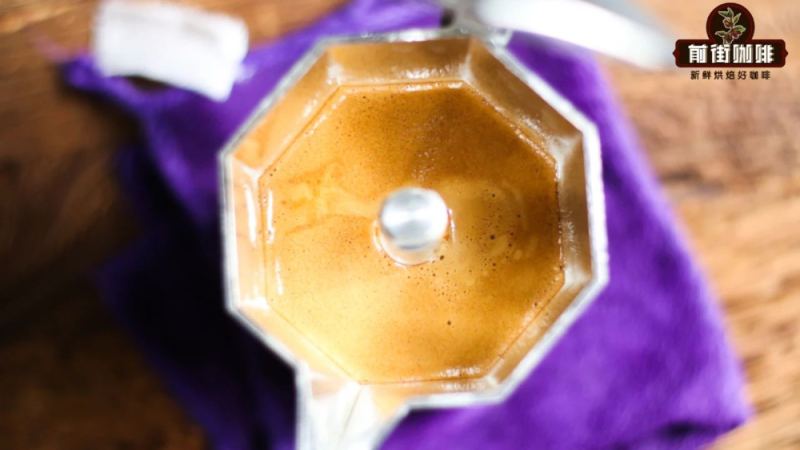
How Do You Brew Light-Roast Huakui Beans in a Moka Pot?
Huakui is a light-roasted Ethiopian coffee from the Hambela region, and it can taste weak or sharply sour in a moka pot because light roasts resist extraction. The fix is a finer grind setting, a larger dose, and controlled heat. Adjusting these three variables usually brings out the strawberry-cream flavor the bean is known for.
Huakui rose to attention after a 2017 competition where a contestant used it against Geisha lots. Because the roast is light, water passes through the puck too quickly at a standard moka pot grind setting, leaving acids and sugars behind. Tightening the grind and raising the dose slows the flow and pulls more sweetness into the cup.
Among the moka pot inquiries Front Street receives, nearly 70% ask how to brew light-roasted beans with a moka pot. As a light roast with outstanding value, Huakui is often used to make moka pot coffee, but many people find that after brewing it is either weak and tasteless or sharply sour and prickly. What exactly is Huakui? Why is it called Huakui? What is its relationship to Geisha? How can you brew Huakui's signature strawberry-cream flavor with a moka pot? This article, from Front Street's perspective, will first introduce Huakui's origin background, naming story, and batch numbering rules, then analyze why light-roasted beans are prone to under-extraction in a moka pot, and provide practical adjustment solutions such as finer grinding, increasing the dose, and controlling heat, to help you brew that ideal cup of "Huakui flavor."
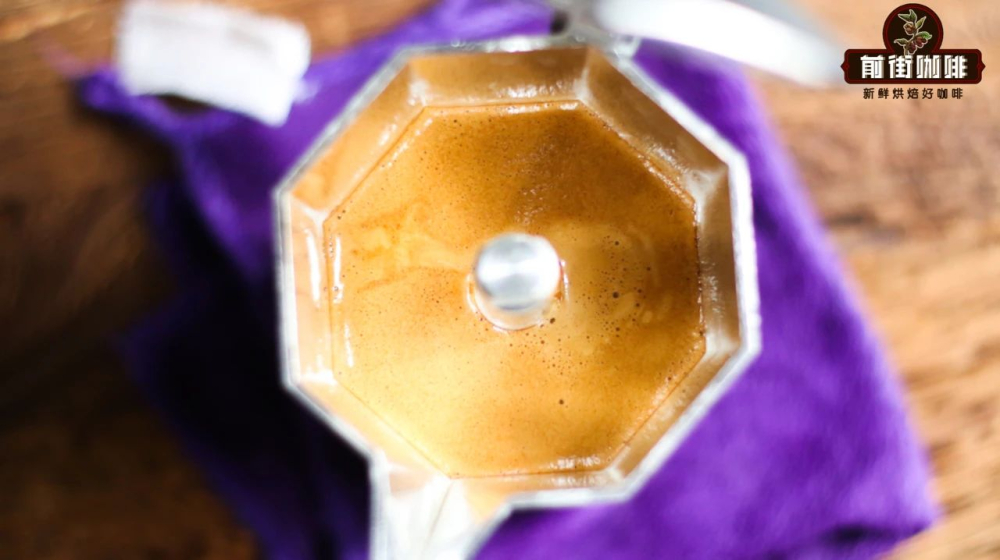
Among the moka pot-related questions received on Front Street's back end, about 70% focus on the same thing: how to brew light-roasted coffee beans with a moka pot. As the saying goes, every flower has its own admirer—not every coffee lover prefers the deep, caramelized, intense flavor of dark roasts, so many people choose bright, distinctive light-roasted beans to make moka pot coffee. As a standout value pick among light-roasted beans, Huakui is affordable and has an appealing flavor, making it the natural first choice for most people.
However, after actually trying it, many friends find that the Huakui they brew is either bland and tasteless or so sour it stings the tongue, far from the cup of "Huakui flavor" they expected. So they come to Front Street one after another, wanting to know exactly how to brew Huakui's rightful Huakui flavor with a moka pot.
So today Front Street will talk about how to use a moka pot to extract Huakui's "Huakui flavor." Before that, as usual, let's first explain to friends who just followed us what Huakui is and what the so-called "Huakui flavor" refers to.
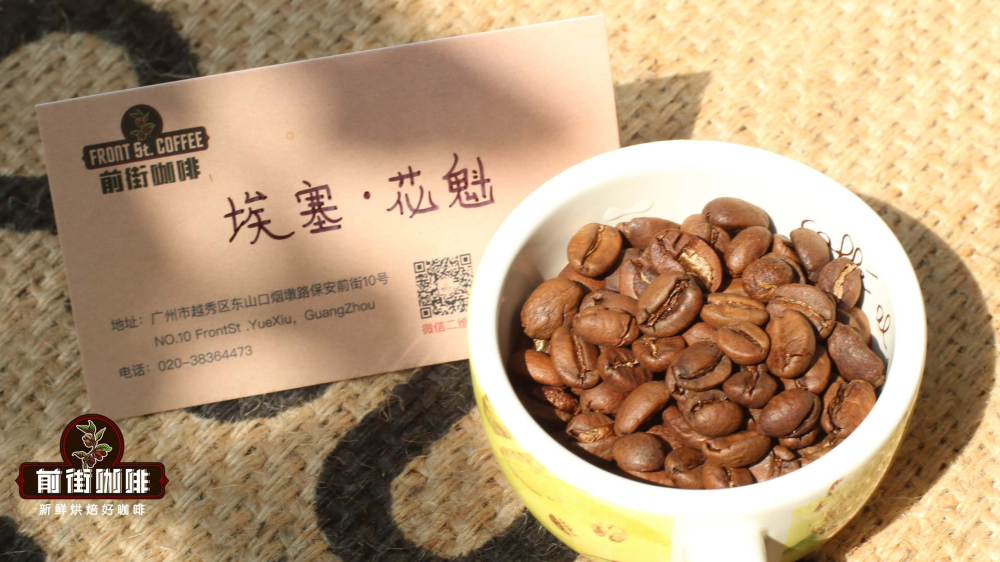
What is Huakui?
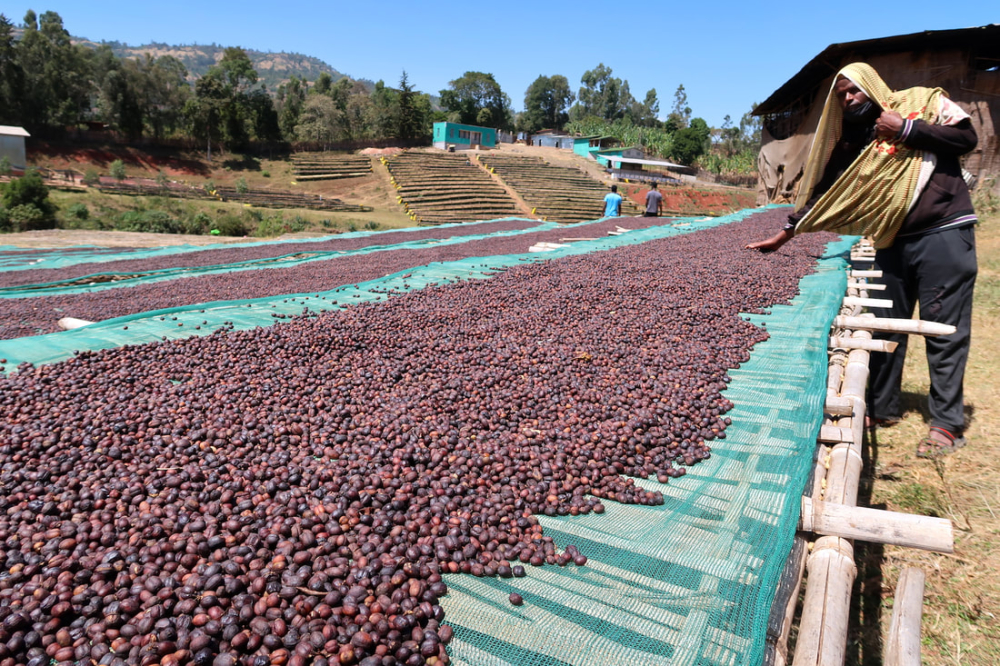
Huakui is a coffee bean from the Hambela region of Ethiopia. Front Street believes that many people first heard of Huakui at a 2017 coffee competition, where a contestant used Huakui to defeat many Geishas and achieve an impressive result. This made Huakui's fame rise rapidly in a very short time, gaining a large following.
But did you know that before Huakui was called "Huakui," this bean had actually already won the TOH competition held in Ethiopia by the African Coffee Association. It was precisely this championship that led a Beijing green bean trader to decide to introduce it and name it Huakui, meaning "chief of a hundred flowers, outshining all others."
Front Street often says that the name Huakui also implies overpowering Geisha. Because Geisha was originally called "Geisha," which in translation carries the meaning of "geisha." The geisha is a profession in Japan, and the oiran is precisely the top-ranking one in that profession. Later, as Huakui repeatedly achieved great results in various competitions, this explanation gradually took root.
Initially, Huakui came only from the Buku Abel processing station in Dimtu town, Hambela. But as Huakui's fame continued to rise, market demand for it grew day by day, so DW company began to expand production scale, gradually incorporating production areas around the Buku processing station into its coffee bean production system. These are Buku Saysay, Haro Soresa, Tirtiro Goye, and Seke Bokosa, all villages or processing stations within Dimtu town, with the farthest being only about 4 kilometers from the Buku processing station.
But everyone knows that coffee is ultimately a crop that depends on the weather. Every year, due to climate changes in the growing environment and differences in processing details, the final flavor presented will vary, and Huakui is no exception. In 2018, people discovered that the Huakui produced that year tasted different from the Huakui that had shone brightly in major competitions the previous year.
To distinguish it from the original Huakui, domestic green bean trading companies began assigning Huakui a unique batch number each year—X.0. Counting from 2017 as the starting point, every year's Huakui thereafter would have the X.0 suffix added. For example, the Huakui produced in 2018 was the second batch, so it was called Huakui 2.0; the Huakui produced in 2019 was the third batch, so it was Huakui 3.0, 3.1 versions...
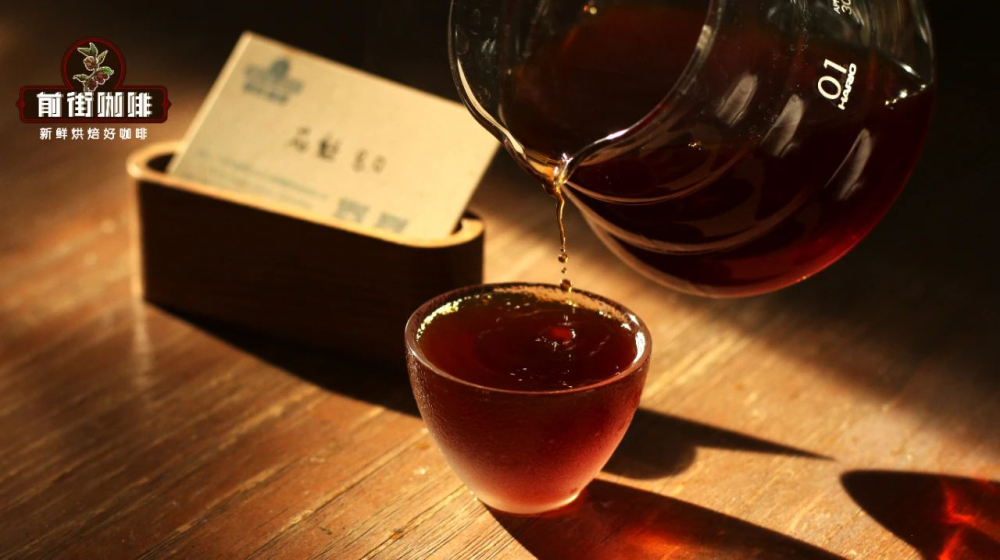
The suffix for this year's Huakui is: 11. In this way, buyers can clearly know which year's batch their Huakui belongs to and whether it is in-season coffee.
What is Huakui flavor?
Huakui became famous not only because of the popularity brought by competitions, but even more because its flavor is quite special, different from the traditional Sidamo region flavor. Traditional Sidamo is dominated by the flavors of ripe tropical fruits such as citrus, pineapple, and mango, while Huakui on this basis also has rich, high-sweetness notes like cream and strawberry. Combining these flavors is what we call "Huakui flavor."
How to brew Huakui's "Huakui flavor" with a moka pot?
Back to the point: the reason many friends cannot brew Huakui's "Huakui flavor" is that they overlook a key point: Huakui is a light-roasted coffee bean, yet they use the same grind size and dose as for dark-roasted beans.
Compared with dark-roasted beans, light-roasted beans have a lower degree of expansion and are not as brittle. So under the same grind and same dose conditions, the puck formed by light-roasted coffee grounds offers less resistance than dark-roasted coffee, with more gaps, and water passes through faster. The result is insufficient contact time between the grounds and water, and the brewed coffee basically carries the sharp sourness of under-extraction. (If the moka pot's output comes out in a direct "spray," that is basically this situation.)
In this situation, different solutions can be adopted according to different needs (Front Street will not elaborate on the specific operation of the moka pot here; for details, please refer to the related article).
The first is to grind finer or increase the dose. If you are using a grinder to freshly grind coffee grounds, grinding finer is undoubtedly the optimal solution. Adjust the setting 2 notches finer, then brew with the same dose; the puck will become tighter because the coffee particle size is smaller, resistance will increase accordingly, and the contact time between grounds and water will be extended. If you are buying pre-ground coffee, you need to increase the dose to raise the puck's resistance, because the grind cannot be made finer, and you can only rely on accumulation to increase the puck's resistance.
Another method is to control the heat. When the moka pot starts to output, turn the heat down; when the coffee liquid has seeped about halfway into the cup, remove the moka pot from the heat source to slow the rate of steam generation, so that the contact time between water and coffee grounds can be appropriately extended. Of course, all of this is premised on the previous two factors having been met.
Once adjusted properly, the hot water can exert its maximum extraction capacity. Fully extracted Huakui naturally will not have sharp acidity, and the "Huakui flavor" of strawberry, cream, citrus, and so on can be successfully revealed.
The above content is compiled by CoffeeHunters, a coffee news website.


