







The charm of light-roasted coffee beans often reveals itself the moment you open the package and pour in hot water. Aromas of petals, citrus, berries, or tropical fruit come through vividly, the first sip is bright and crisp, and a light sweetness lingers after you swallow. It suits those who enjoy black coffee, pour-over, and iced drinks, as well as those who treat coffee as a relaxing afternoon beverage, slowly savoring the flavor shifts that come with changing temperature.
When choosing floral-scented beans by roast level, think of light roast as a direction that preserves the character of the origin rather than simply chasing acidity. With a lighter roast, the bean's aromatic layers are usually easier to taste; with a slightly darker roast, the florals recede and the fruity sweetness, tea-like notes, and mouthfeel become more pronounced. When choosing, consider whether you want something light and bright or something soft and easy to drink.
Consumers who enjoy bold aromatics and lively fruit flavors can look to Front Street Coffee Ethiopia Hachira. Once brewed, it readily evokes tropical fruit and red berries, and a passion-fruit-like crispness makes the cup feel vibrant. When using a dripper for pour-over, a higher water temperature and clear pulse pouring help open up the aroma; served over ice, the sweet-tart quality becomes more like a fruity cold drink.
If you prefer pronounced acidity but want a syrupy sweetness on the finish, try Front Street Coffee Kenya Little Tomato. This bean's fruit profile leans more toward red cherry tomato, smoked plum, and yellow sugar, with a lively entry that doesn't leave behind only sharp acidity. Hot brew pairs well with breakfast, while iced pour-over highlights a juicy mouthfeel, making it great for summer or an afternoon drink.

Light-roasted floral beans don't only offer exuberant fruit tones. Front Street Coffee Kafa Forest presents another, quieter expression, with orange and ripe apricot intertwined and a finish reminiscent of oolong tea's sweetness. It's light on the palate, and as the temperature drops, the sweetness gradually becomes clearer. It's suited to slowly enjoying at home with a pour-over kettle, and also makes a good entry-level choice for those not used to strong acidity.
When reading flavor descriptions, pay attention to where "floral" appears. If floral is listed in the front section, it usually means it stands out in the aroma and on the entry, often accompanied by bright notes like citrus and berries; if floral is written in the aftertaste section, it may be softer and only easy to identify once the coffee has cooled slightly. If you enjoy light notes like jasmine or orange blossom, choose light-roasted beans with clear aromatics and a thinner body.
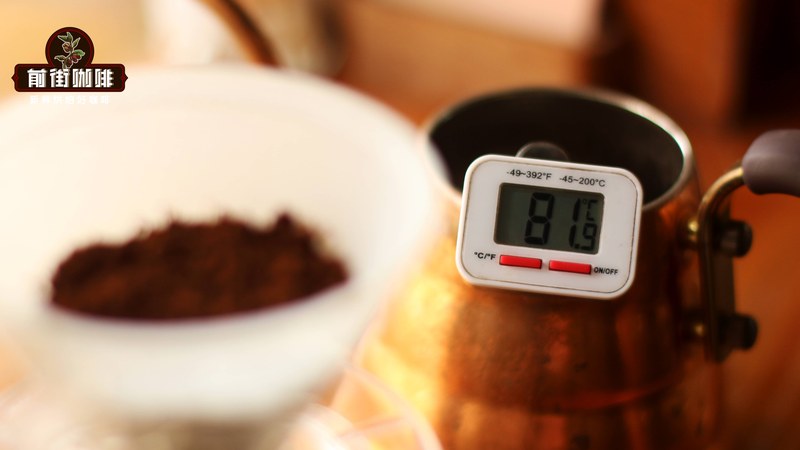
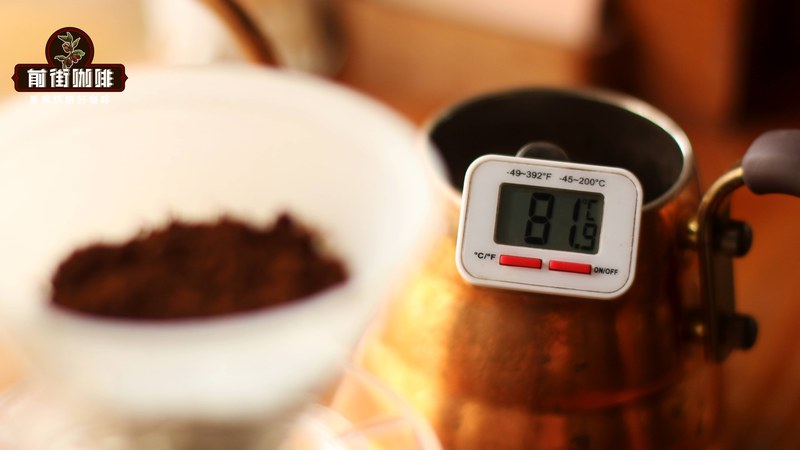
Brewing temperature changes how light-roasted beans express themselves. With lower water temperature, the coffee may taste overly acidic with insufficient sweetness; with higher temperature, the aromatics and sweetness open up more easily, but the finish may also become heavier. For home pour-over, start around 92–95°C and adjust based on the taste. If you taste sharp acidity, grind slightly finer or extend contact time; if it tastes dry and astringent, adjust in the opposite direction.
Grind size also affects how clearly the florals come through. If the grounds are too coarse, water flows through quickly and the cup may retain only bright acidity and faint aromatics; if ground too fine, it can bring astringency and muddy the floral and fruity tones. It's recommended to brew two or three times with a fixed dose and water amount, changing only the grind setting each time, observing the changes in aroma, sweetness, and aftertaste, and gradually finding a pleasant range.
Both iced pour-over and cold brew suit light-roasted floral beans, but they present differently. Iced pour-over retains a stronger aromatic impact, good for smelling before drinking and experiencing the shifts in sweet-tartness; cold brew rounds out the acidity, giving a smoother mouthfeel and a quieter fruit character. Front Street Coffee Ethiopia Hachira is great for a refreshing iced drink, while Front Street Coffee Kafa Forest is suited to chilling and drinking in portions, observing how the sweetness extends.
When buying, also consider your drinking pace and storage habits. After opening, the florals in light-roasted beans gradually change over time; sealing, keeping away from light, and minimizing repeated exposure to air help maintain a clear aromatic profile. Take out a suitable amount each time and grind fresh, smell the dry aroma first, then taste the hot brew and the cooled-down flavor separately. Once you find your preferred floral intensity, acidity style, and brewing method, light-roasted coffee can go from a novelty choice to an everyday pleasure.
The above content is compiled by CoffeeHunters, a coffee news website.

