







Search Results for: keep cold
How to prepare cold brew beans for different scenarios? Three options for office, outdoor, and home
Cold brew is popular not only because it tastes good, but also because it's convenient—make a batch, keep it in the fridge for days, and enjoy a cup anytime, anywhere. But different scenarios actually have different requirements for the beans: for the office, you need something that keeps well and is consistent; for camping, you want concentrated flavor that won't taste weak over ice; and for home, you can go all out. [more…]

The Flavor Window of Cold Brew Coffee Beans: Opening the Bag and Drinking Rhythm
For cold brew, there's no need to rush to use beans straight out of the roaster. After coffee beans finish roasting, they continue to slowly release carbon dioxide internally, and the aroma and flavors need time to rebalance. Cold extraction is inherently slower in pace, and if the beans are still in an unstable state, the cup may end up with only sharp acidity or thin aroma. Wait until the flavors open up, [more…]
Choose Cold Brew Coffee Beans by Roast Level Like This
The refreshing, sweet, or full-bodied character of cold brew coffee is closely tied to the roast level of the beans. Long, low-temperature extraction softens the acidity and amplifies the aroma and sweetness profile. When choosing beans, first check the packaging for light, medium, or dark roast, then consider whether you want to drink it black, over ice, or with milk—this will make your choice much more [more…]
Complete Guide to Making Coffee Ice Cubes: Do Cold Brew and Iced Coffee Need Coffee Ice Cubes?
On a hot summer day, a glass of iced coffee is a favorite for many, but ordinary ice cubes melt and dilute the coffee into a bland, watery drink. How can you enjoy the chill without sacrificing the rich flavor of the coffee? The answer is coffee ice cubes. In this article, Front Street Coffee will explain in detail how to make coffee ice cubes, including the different approaches for basic coffee ice cubes, cold brew coffee ice cubes, espresso ice cubes, and milk coffee ice cubes, and will also answer whether cold brew and iced coffee really need coffee ice cubes. With just a little advance preparation, every iced drink can keep its rich, full-bodied taste. [more…]
How Does the Flavor of Pour-Over Coffee Change After It Cools? Can You Reheat It and Keep Drinking? A Professional Analysis of Temperature's Effect on Taste
Drinking coffee while it's hot is the only way to enjoy it—this is the consensus among many coffee lovers. But when a pour-over goes from scalding hot to lukewarm, or even completely cold, what exactly happens to the flavor? When coffee goes cold, some people try to rescue it by reheating it—is this approach viable? From the professional perspective of Front Street, this article breaks down in detail the differences in how taste buds perceive sweetness, acidity, and bitterness across different temperature ranges, analyzes the deterioration in mouthfeel caused by aroma loss, oil oxidation, and precipitation of soluble compounds after coffee cools, and uses a tasting example of Sidamo Alo to illustrate the concrete flavor expression at each stage—high temperature, medium temperature, and low temperature. At the same time, the article offers practical advice on reheating, providing reference temperature ranges for warming back up according to the different characteristics of medium-light roasts and medium-dark roasts, helping readers minimize waste as much as possible while preserving the pleasant experience a cup of coffee should have. [more…]
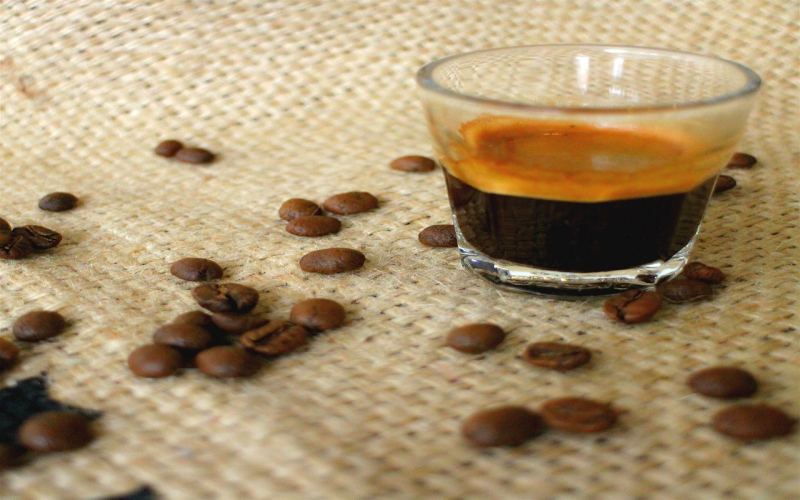
Caffeine Effects | What are the benefits of drinking black coffee? How many cups of Americano can you drink per day at most? Which is more refreshing, hot Americano or iced Americano?
The most primitive purpose of coffee is to refresh the mind. Whether it's an espresso you drink and go, the drip coffee maker that's a fixture in the office, or even a pour-over single-origin coffee you make a special trip to the coffee bean shop for, they all have the function of refreshing you. It's just that everyone chooses the appropriate one based on different requirements for the scenario, function, and taste. [more…]
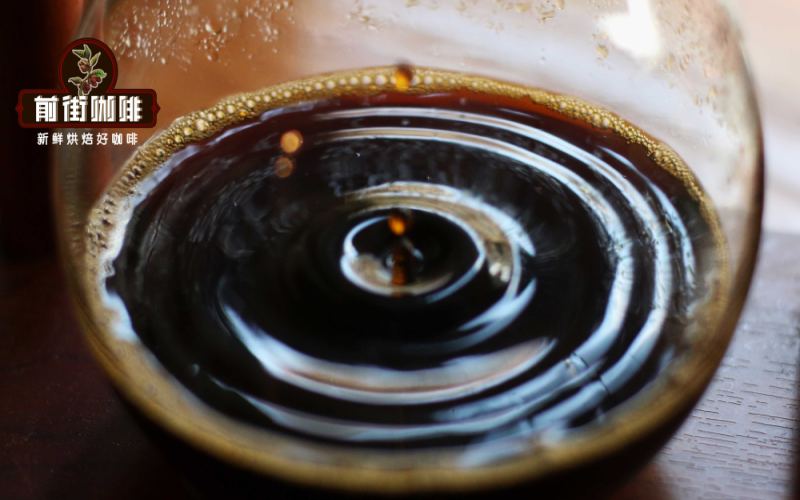
PWN Golden Mandheling Cold Brew Coffee Making Guide: A Full Analysis from Bean Selection to Extraction and Fermentation
Ice drip coffee, with its smooth mouthfeel and clean layers, has always been a favorite among coffee lovers, and at Front Street Coffee it is a best-selling drink in summer. This article focuses on the PWN Golden Mandheling bean, systematically explaining the low-temperature slow extraction principle of ice drip coffee, why it needs to be refrigerated and fermented for 12 to 24 hours, and how to identify genuine PWN Golden Mandheling, along with the pour-over brewing parameters from Front Street Coffee baristas and a flavor description of Golden Mandheling. Whether or not you have an ice drip brewer on hand, you can find a method that suits you and recreate a rich, full-bodied iced Mandheling at home. [more…]
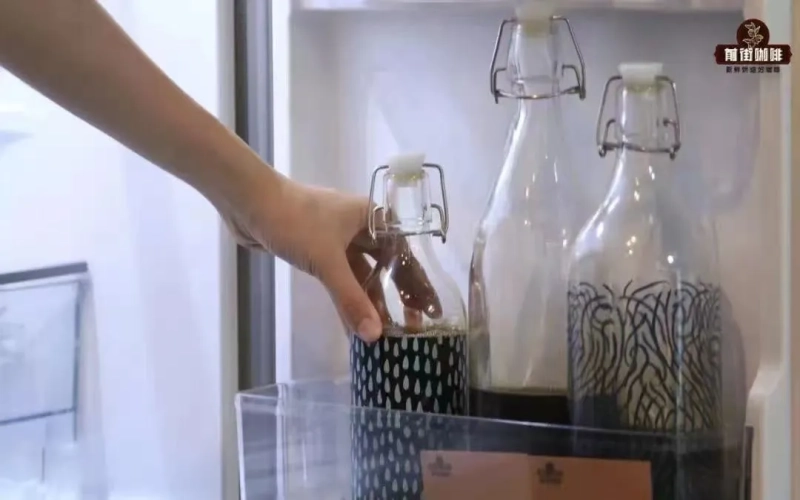
Cold Brew Coffee Shelf Life Fully Explained: How Long Is Best to Finish It Under Refrigeration and Sealed Storage?
More and more people are making cold brew coffee in the summer—brewing a big batch at once and keeping it in the fridge to drink slowly is indeed convenient. But problems come along with it: how many days can this batch of cold brew actually last? When does the flavor start to decline? When might it spoil? Front Street Coffee, drawing on hands-on testing experience, lays out clearly the shelf life of cold brew coffee, the optimal drinking window, the impact of how often it's opened, and the special precautions when using warm water to speed up extraction—helping you both enjoy good flavor and hold the safety line. [more…]
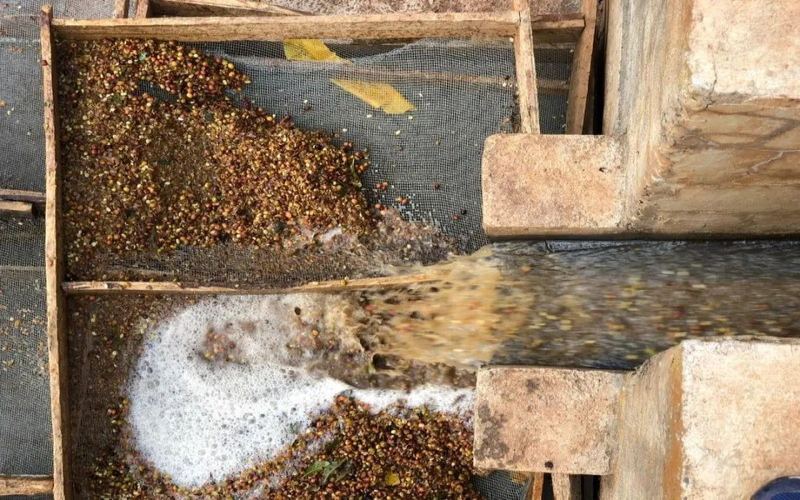
Recommended Cold Brew Coffee Beans: Balancing Budget and Drinking Frequency
When choosing cold brew coffee beans, you can set the complicated information aside for now. For everyday bean buying, you need to consider how quickly you'll drink them, how much to buy at once, and whether you mainly make black coffee or milk coffee at home. Start from the two contrasts—light and refreshing versus rich and full-bodied, and black coffee versus milk coffee—then look at the roast date and processing method, and your judgment will be closer to your daily needs. Flavor [more…]
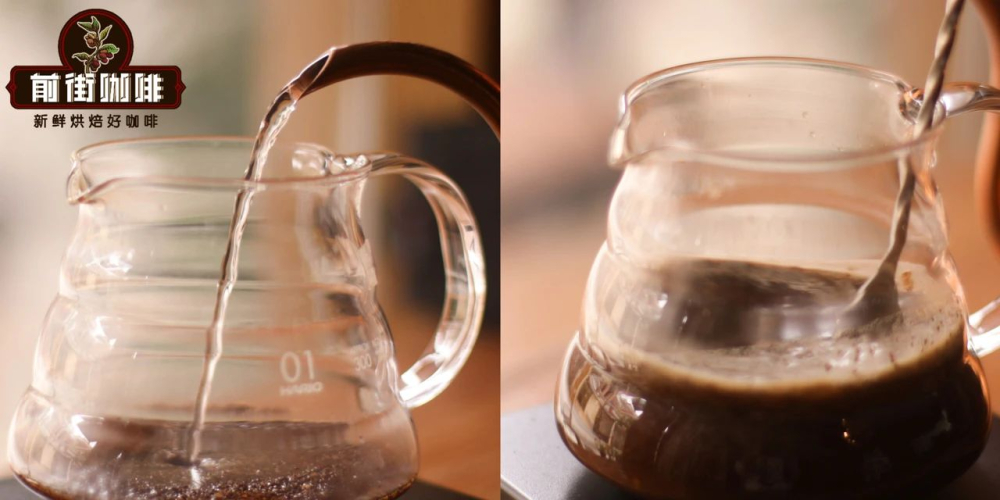
Cold Brew Ratio Guide | What Is Cold Brew? How to Make Great Cold Brew Coffee? How Does the Taste Differ with Different Water-to-Coffee Ratios?
For more specialty coffee knowledge, please follow our WeChat official account: Front Street Coffee (FrontStreet Coffee). Cold brew coffee essentially means that under low-temperature conditions, small-molecule substances that tend toward aroma and acidity are more easily released into cold water, so the coffee tastes light-bodied and tends to express [more…]

Coffee supplies running critically low! How coffee lovers can get the most out of every gram of coffee beans
When coffee stocks run low, coffee lovers start finding every possible way to cherish each gram of coffee beans. From reducing the dose and widening the water-to-coffee ratio, to rinsing and reusing filter paper, even a single coffee bean gets a careful brewing. Drip bags, capsule shells, and cold brew containers have all been given new uses. This article rounds up these both hilarious and ingenious "use every last bit" tricks, while keeping the professional coffee knowledge intact, to show you just how far coffee people will go for one more cup. [more…]
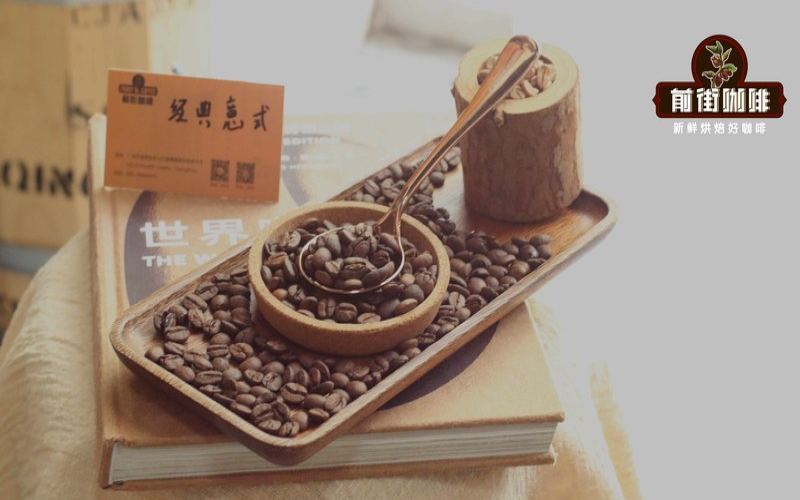
Choosing Cold Brew and Ice Drip Coffee Beans by Roast Level: Three Flavor Directions Explained at a Glance
Cold brew and ice drip both involve low-temperature, longer extraction, and typically taste gentler than hot coffee on the palate, with aromas becoming more subdued when chilled. When choosing beans, the roast level can serve as a clear guide: light roasts tend to retain fruit and floral notes, medium roasts put sweetness and smoothness at the forefront, while medium-dark roasts suit those who prefer cocoa [more…]

Front Street Sun-Dried Typica Cold Brew Tutorial: A Full Analysis of Yunnan Arabica Varieties, Origins, and Brewing Flavors
The history of Yunnan small-bean coffee can be traced back to Typica and Bourbon, the two oldest Arabica varieties, which have pure flavors and a round, sweet taste, yet were gradually replaced by Catimor due to low yield and poor disease resistance. Today, most Yunnan small-bean coffee on the market is mainly Catimor. Front Street Coffee's Yunnan small-bean coffee, after wet processing, shows a balanced profile of brown sugar, nuts, and plum, making it suitable for beginners. If you want to experience a more refined Yunnan flavor, Front Street Coffee's 2013 sun-dried Typica comes from a high-altitude production area in Lincang. The sun-dried processing and medium roast bring layers of dried apricot, black tea, creamy nuts, chocolate, and Sanhua plum, and it can be brewed by pour-over, French press, ice drip, or cold brew. This article will use cold brew as an example to break down in detail the complete steps from bean selection, grinding, steeping, to filtering and dilution, helping you make a clean and smooth cup of Yunnan sun-dried Typica cold brew. [more…]
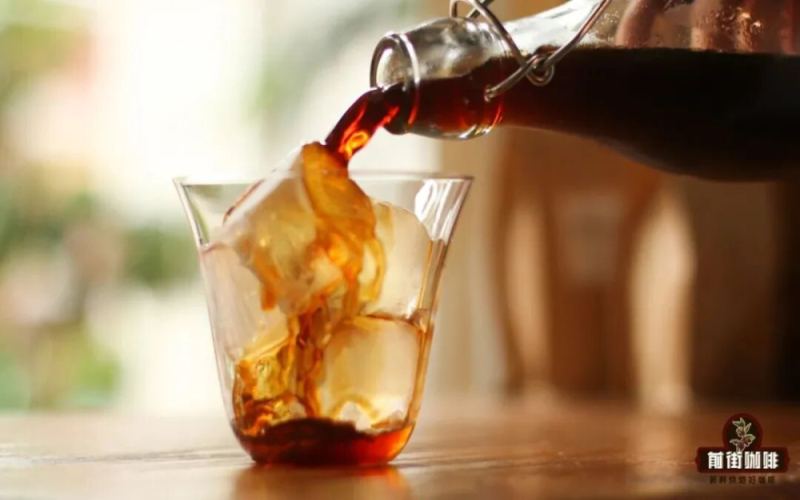
How Is Cold Brew Coffee Different from Iced Americano and Iced Pour-Over? A Complete Brewing Guide from Equipment Principles to Grind and Flow Rate
Ice drip coffee often sells for a higher price than iced Americano and iced pour-over in cafés, sometimes even in smaller portions—what is the reason behind this? Although it and cold brew both belong to low-temperature extraction, their production logic is completely different. Starting from Front Street's hands-on experience, this article will break down the four key variables of ice drip coffee—the equipment structure, grind calibration, drip rate, and coffee-to-water ratio, as well as the aging time—and provide specific parameter recommendations for light-roast and medium-roast beans. Whether you want to understand why ice drip coffee is expensive or are planning to get an ice drip pot and try it at home, this article can provide a clear operational reference. [more…]
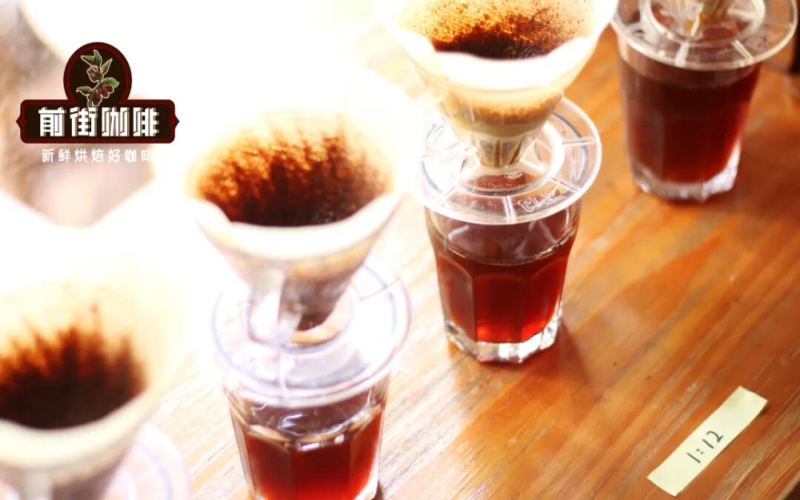
Cold Brew Coffee Ratios | How Does Cold Brew Made with Different Coffee-to-Water Ratios Taste Different? What Coffee-to-Water Ratio Is Suitable for Making Cold Brew Coffee?
Cold brew coffee essentially refers to the fact that under low-temperature conditions, small-molecule substances tending toward aroma and acidity are more easily released into cold water, so the coffee tastes light and is mostly characterized by a sweet-and-sour profile. In addition, since it is not limited by equipment or location, cold brew can be said to be a coffee that people can easily access—at home, as long as you have raw [more…]
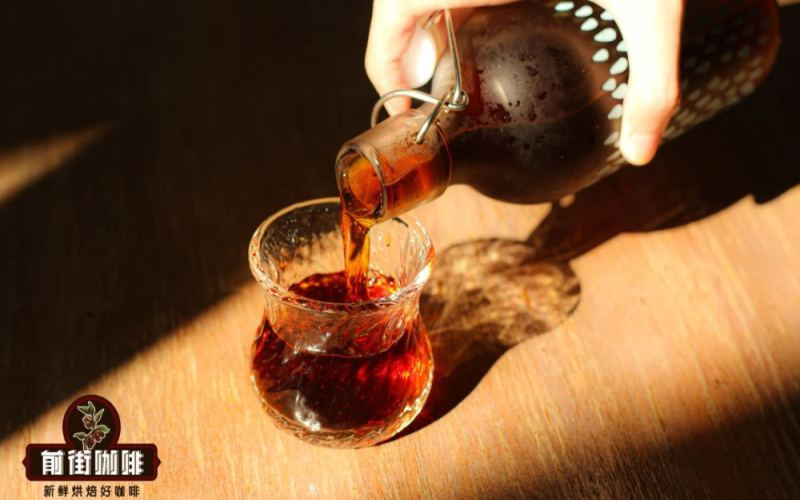
Three Creative Ways to Drink Cold Brew Coffee: Extraction Techniques, Drinking Timing, and Flavor Characteristics of Ice Drip and Cold Brew
In the height of summer, if the fridge is missing a pitcher of cold brew coffee, it feels like something is missing. But with so many coffee beans to choose from, which one is actually suitable for cold brew? How should cold brew concentrate be stored, and how long can it last? This article draws on the hands-on experience of Front Street Coffee to systematically sort out the two major categories of cold brew coffee—ice drip and cold brew—covering equipment composition, parameter recipes, operating steps, and flavor performance. At the same time, we will also answer a common question: between cold brew and iced Americano, which has more caffeine? In addition, the performance of two beans, Huakui and Sherry, under low-temperature extraction will also be presented one by one, helping you find your own cup of summer iced coffee. [more…]

Coffee Extraction | What's the difference between drip and immersion extraction? Does water temperature affect coffee flavor? Can drip bag coffee be used to make cold brew?
Because of their high quality and the convenience of brewing, more and more people are keeping a few packs of Front Street's drip coffee bags at home and in the office. As the seasons change, many regions are already starting to move into summer, and besides being brewed hot, drip coffee bags can actually be made into cold brew iced coffee too! In this article, Front [more…]
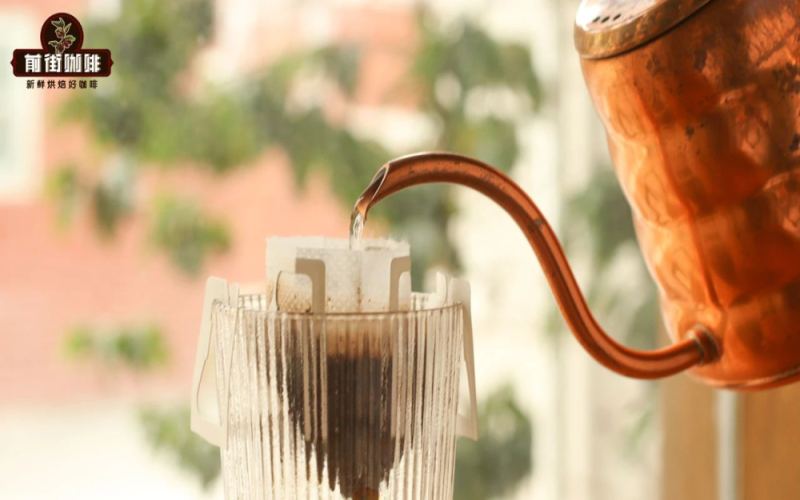
Illustrated Coffee Brewing Tutorial | How to Make Iced Coffee and Cold Brew Coffee with Drip Coffee Bags? Drip Coffee Extraction Time, Water Temperature, and Coffee-to-Water Ratio Parameter Recommendations
For more specialty coffee knowledge, please follow our WeChat official account: Front Street Coffee (FrontStreet Coffee). As coffee gradually becomes a part of people's lives, many office workers probably want to enjoy a delicious cup of coffee during their busy work to recharge. So, drip bag coffee [more…]
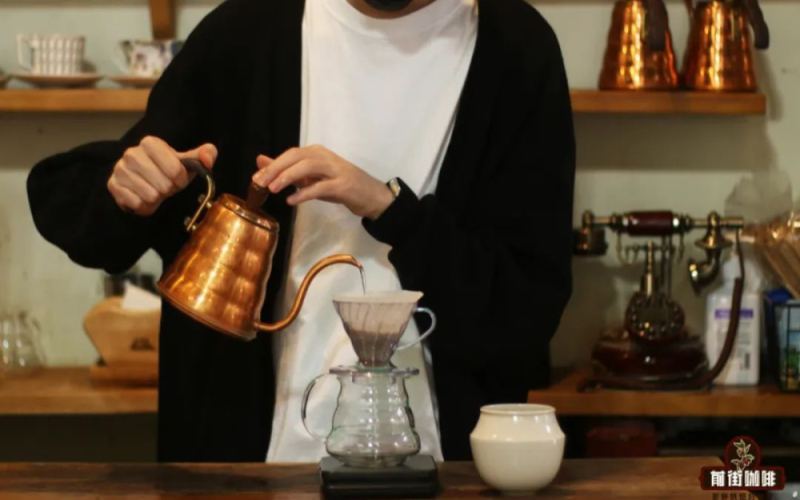
How to Keep Pour-Over Coffee Quality Stable as Temperatures Drop? A Full Guide to Water Temperature, Equipment Preheating, and Static Control
When cold air arrives, the extraction rhythm of pour-over coffee often gets thrown off. The originally set water temperature of 92°C may drop to only 87°C by the time it reaches the coffee bed, and a sudden drop in ambient temperature causes hot water to lose even more heat in the air, leading to under-extraction and a weak, flat flavor. In addition to raising the water temperature by 1–2°C or lowering the height of the pour, preheating the server and dripper can also significantly slow heat loss—an unheated server will cause the coffee liquid to drop to around 69°C, while after preheating it can be maintained at around 75°C. In addition, the static electricity generated during grinding in cold weather cannot be ignored either; coffee grounds tend to clump or stick to the grinder, which can be effectively solved with a distribution needle and a blower. This article starts with three key details to help you keep every cup of pour-over performing steadily. [more…]
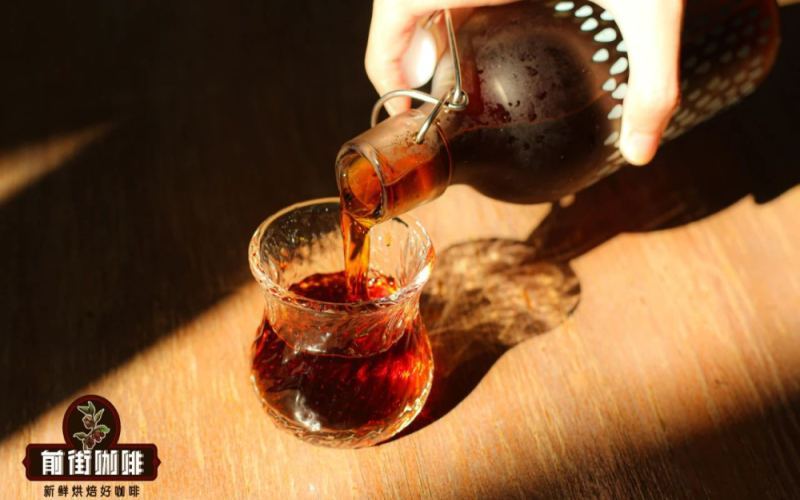
Cold Brew Coffee Complete Guide: A Practical Guide from Coffee-to-Water Ratio and Grind Size to Extraction Time
On a scorching summer day, a refreshing glass of cold brew coffee always perks you right up. Compared with pour-over, cold brew has a much lower barrier to entry—just master a few key parameters like the coffee-to-water ratio, grind size, and steeping time, and you can easily make a rich, smooth iced coffee at home. In this article, Front Street Coffee will walk you through the complete cold brew process in detail, including how to choose the coffee-to-water ratio, how to control grind size, the relationship between water temperature and extraction time, and storage tips after filtering. We'll also analyze the flavor differences between cold brew and hot extraction to help you understand why cold brew tastes less acidic and astringent and feels smoother on the palate. Whether you're a beginner just getting into cold brew or a seasoned brewer looking to fine-tune your parameters, you'll find practical references here. [more…]