







The history of Yunnan small-bean coffee can be traced back to Typica and Bourbon, the two oldest Arabica varieties. Their flavors are clean and their mouthfeel is round and sweet, yet because of low yield and poor disease resistance, they were gradually replaced by Catimor. Today, most Yunnan small-bean coffee on the market is mainly Catimor. Front Street Coffee's Yunnan small-bean coffee, after washed processing, shows a balanced profile of brown sugar, nuts, and plum, making it suitable for beginners. If you want to experience a more refined Yunnan flavor, Front Street Coffee 2013 Sun-Dried Typica comes from the high-altitude production area of Lincang. Sun-dried processing and medium roasting bring layers of dried apricot, black tea, creamy nuts, chocolate, and Sanhua plum, and it works well with pour-over, French press, ice drip, and cold brew. This article will use cold brew as an example to break down in detail the complete steps from bean selection, grinding, steeping, to filtering and dilution, helping you make a clean and smooth cup of Yunnan sun-dried Typica cold brew.
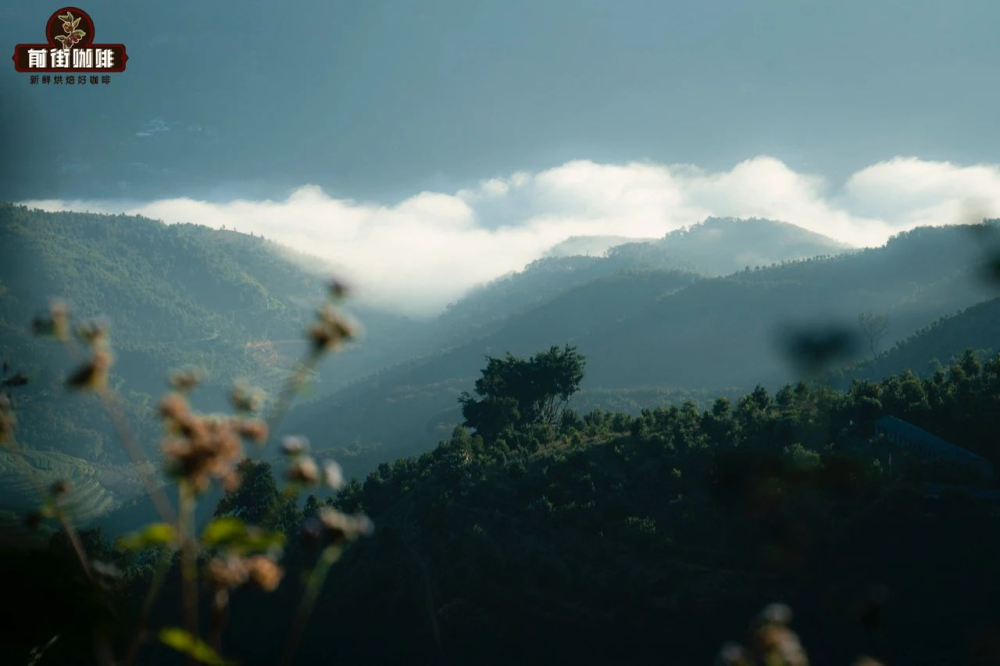
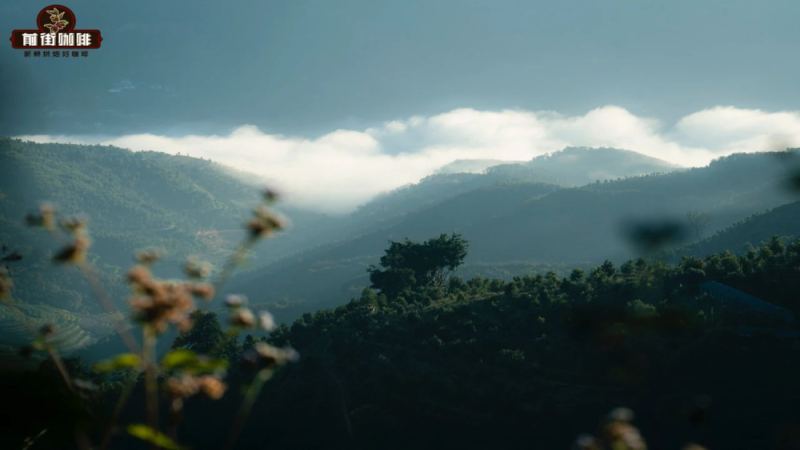
The first small-bean coffee introduced to Yunnan was Typica and Bourbon. These two varieties belong to the oldest Arabica lines. Their flavors are clean and their sweetness is round, but their drawbacks are also obvious: low yield per unit area, unsuitability for high-density cultivation, and weak disease resistance. For this reason, growers are more willing to choose varieties that are easier to keep alive and higher yielding.
When people talk about Yunnan small-bean coffee now, they usually mean Catimor. This variety has strong disease resistance and considerable yield. Although the flavor of Front Street Coffee's Yunnan small-bean coffee cannot be called stunning, after washed processing it can fairly clearly present the terroir characteristics of the Yunnan production area, with a relatively balanced profile of brown sugar, nuts, and plum, making it suitable for people just getting into coffee.
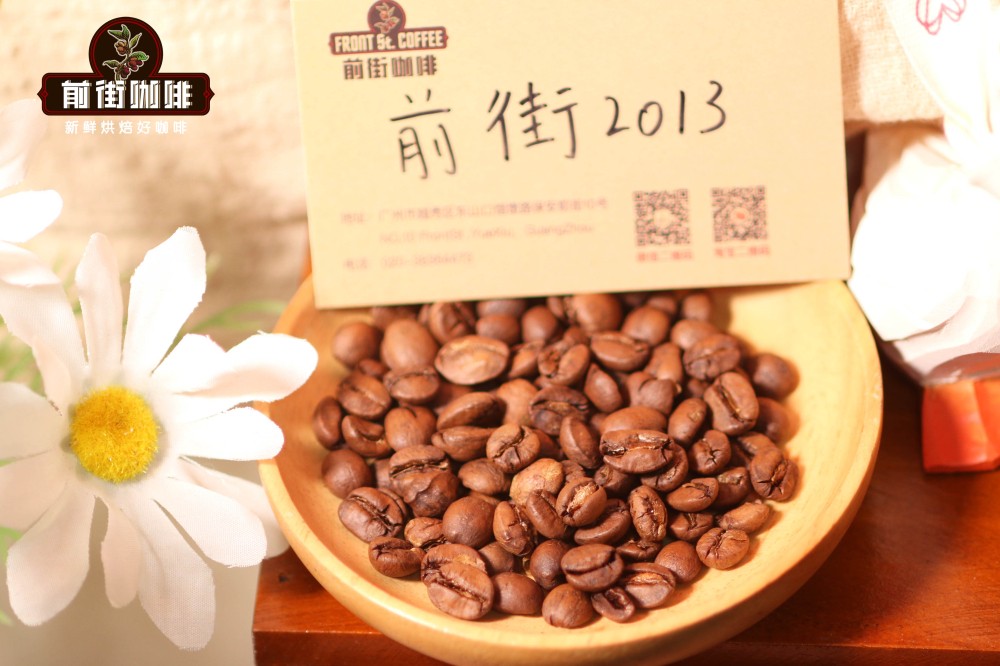
If you want a more delicate Yunnan coffee experience, you can give priority to Front Street Coffee 2013 Sun-Dried Typica. This batch of beans comes from the high-altitude area of Lincang, Yunnan, where the large temperature difference between day and night helps the coffee cherries accumulate sugar and ripen fully. After picking, Front Street Coffee uses sun-dried processing, keeping the whole skin and pulp for drying, which preserves the fruity aroma and also enhances the body. After medium roasting, the cup presents flavors of dried apricot, black tea, creamy nuts, chocolate, and Sanhua plum, and it is suitable for pour-over, French press, ice drip, and cold brew.
Steps for Making Cold Brew Front Street Coffee Sun-Dried Typica
Step 1: If making a single serving, prepare 25g of Front Street Coffee Sun-Dried Typica coffee beans and grind to the coarseness of granulated sugar. In this way, even if the steeping time is a bit long, over-extraction is less likely to occur.
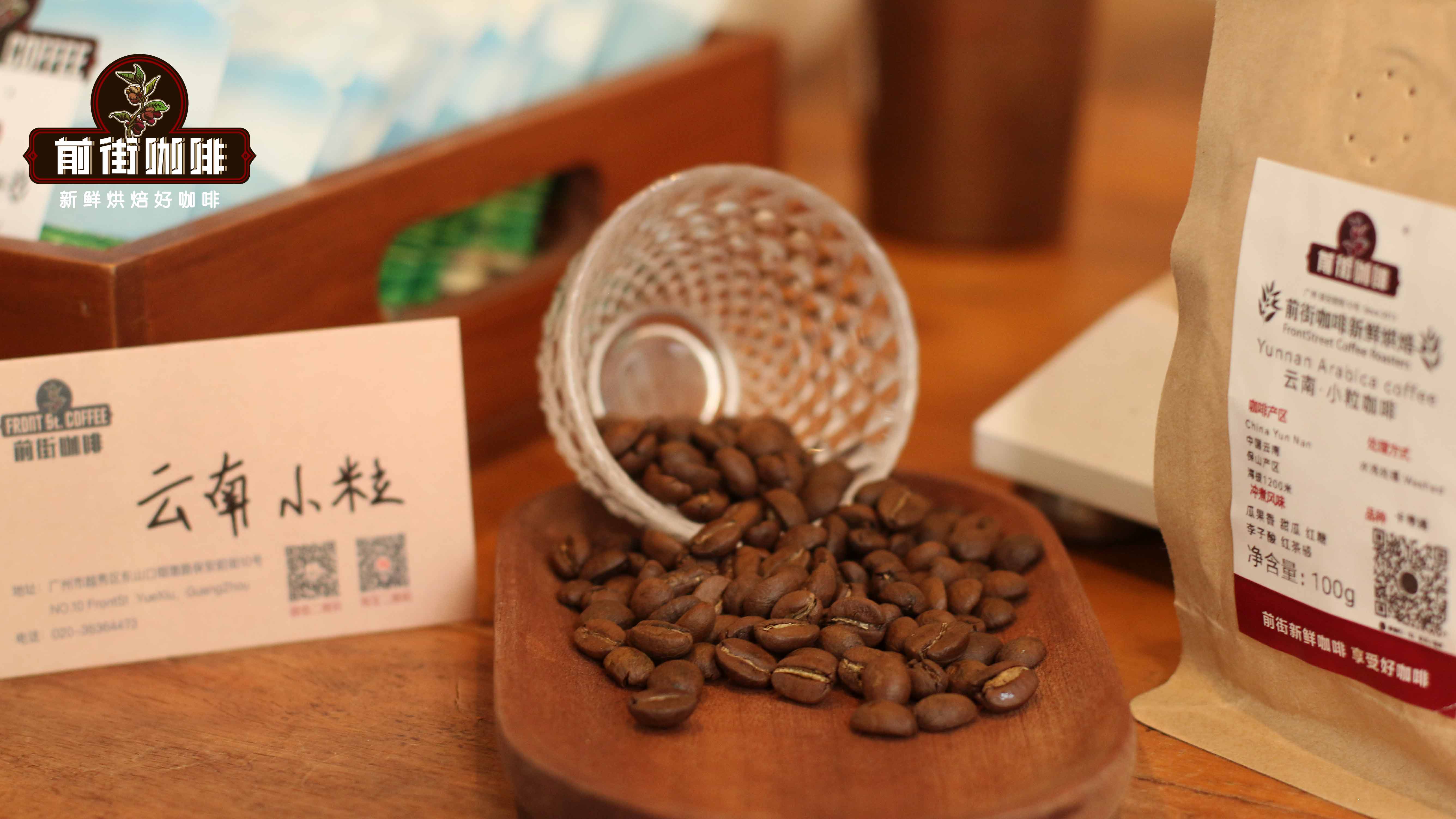
Step 2: Pour the ground coffee into a clean glass container, add 300g of cold water at a ratio of 1:12, stir evenly, and seal it. There are not many requirements for the container itself; even a bottled water jug can work, as long as it is large enough, clean enough, and can hold the brewing water.
Step 3: Steep and extract for 6–18 hours. When placing the cold brew in the refrigerator, be sure to put it in a stable position to avoid it falling and breaking when the door is opened; at the same time, try to keep it away from strongly scented foods to prevent it from absorbing odors.
Step 4: Filter the cold brew once through a fine mesh strainer or filter paper to separate out the coffee grounds and obtain a clean coffee liquid. If you want a clearer mouthfeel, you can refrigerate it for another 2–5 hours before drinking, allowing the suspended particles to settle more fully.
Step 5: Dilute with milk or water
If you have made cold brew before and found it too thick or too strong, you can dilute it with milk or a small amount of water, and it will taste much softer.
The above content is compiled by CoffeeHunters, a coffee news website.


