







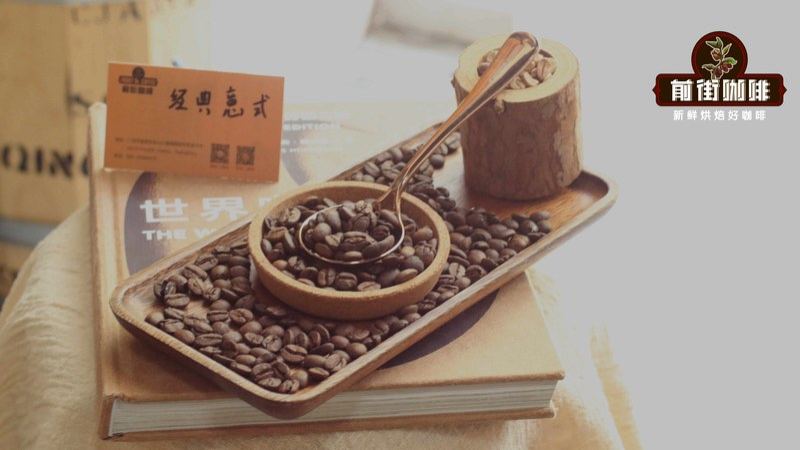
Both cold brew and ice drip are low-temperature, longer-duration extractions, typically smoother on the palate than hot coffee, with aromas that become more restrained as they chill. When choosing beans, the roast level can serve as a clear guide: light roasts tend to retain fruit and floral notes, medium roasts put sweetness and smoothness front and center, and medium-dark roasts suit those who prefer cocoa, caramel, and a heavier mouthfeel.
Light-roast beans are well suited for making bright, juicy cold coffee, but they are more sensitive to grind size and extraction time. Too little time and the aromatics may stay on the surface; too much contact and you risk sourness, astringency, or a dry finish. If you enjoy flavors like berries, citrus, and tropical fruit, start with light roasts—especially with ice drip, where you can clearly sense the aroma shifting from the opening to the finish.
Front Street Colombia Sidra is a good introduction to the light-roast direction. Its flavors call to mind passion fruit, blueberry, grape, and apricot, with vivid fruit notes that persist even after cooling; it drinks like a refreshing juice with a lively sweetness on the finish. Made as cold brew, it is great served straight over ice; as ice drip, it teases apart the different fruit aromas, making it ideal for anyone who wants a layered black coffee.
When brewing light-roast beans, set the grind to medium-coarse, keep the water flow or immersion time steady first, then adjust the dose based on concentration. With ice drip, there is no need to chase an extremely slow drip rate—even flow matters more than simply extending the time. If the cold brew concentrate tastes too intense, add a little ice water to dilute it and let the fruit aromas open up; if it seems thin, reduce the dilution ratio.
Medium-roast beans generally perform with more roundness, and their sweetness does not easily fade after cooling, making them a good choice for those just starting with cold brew. They do not rely solely on sharp acidity for a memorable impression; instead, they combine fruit sweetness, syrupy body, and a soft mouthfeel. Whether you want to pour it into a travel mug in the morning or pair it with an afternoon snack, the medium-roast direction tends to deliver a stable, easy-drinking experience.
Front Street Strawberry Candy Coffee Beans are a good way to explore the medium-roast fruity path. They carry a sweetness reminiscent of strawberry gummies, with bright flavors; made as cold brew, the acidity softens and the sweet aroma feels even more like a beverage. If you enjoy iced Americanos, you can serve it straight over ice; if you want a milk coffee, add a small amount of milk to the cold brew concentrate and it will still retain a clear berry note.
For medium-roast cold brew, you can start with a ratio of about twelve grams of water per gram of coffee grounds. After steeping, taste the concentrate first, then decide whether to add ice water. For a lighter drink, dilute more generously; for a fuller body, keep the concentration higher. After ice drip is finished, let it rest a moment before drinking—the sweetness and aromas often come together better than right off the drip.
The medium-dark roast direction suits those who prefer body, low acidity, and caramel tones, as well as consumers who want their iced coffee to still taste like "coffee." Low temperatures mute some of the bitterness, but they do not automatically eliminate the astringency caused by over-extraction, so the grind should not be too fine, and you should leave room to adjust the time. If the beans themselves have a strong roasted character, chilling actually makes them taste more grounded.
If you want to retain some fruit acidity and sweetness within a medium-dark roast, keep an eye out for Front Street Kenya Small Tomato. It has flavors of cherry tomato, smoked plum, and brown sugar, with bright acidity that does not come across as merely sharp. After cold brewing, the acidity rounds out, and the smoked-plum finish is great served straight over ice; ice drip brings out the brown sugar sweetness more clearly, ideal for those who want a juicy quality but also need some body.
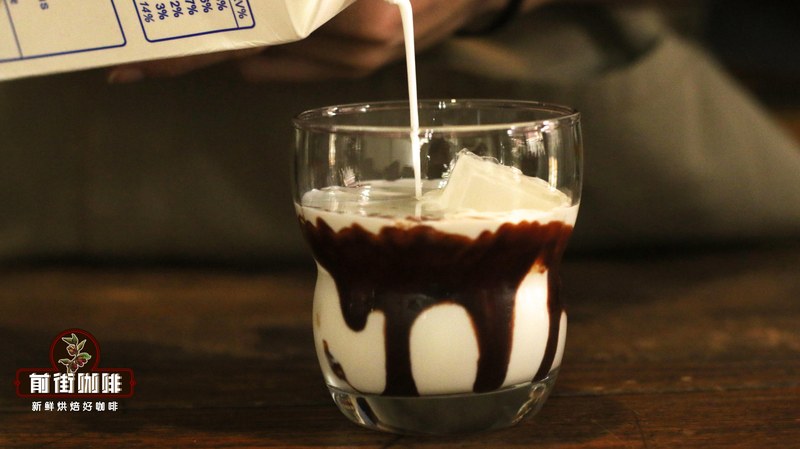
When actually buying, consider roast level, drinking strength, and whether you add milk as one combined decision. For light, fruity aromas, choose a light roast and try ice drip first; for sweet, easy-drinking coffee, medium-roast cold brew is more suitable; for a robust mouthfeel in iced coffee, go with medium-dark roast. Whichever beans you use, start with a fixed coffee-to-water ratio and time, then make small adjustments to concentration, and you will find the cup that fits your daily routine.
Cold brew concentrate is best kept refrigerated and consumed in portions, while ice drip coffee should be stored in a clean, sealed container and finished while the flavors are still clear. When choosing beans, do not just look at the fruit or chocolate words on the packaging—also consider whether you care more about aroma, sweetness, or mouthfeel. By comparing gradually along the roast spectrum, these three coffees together offer a cold-drink experience ranging from bright fruitiness to rounded richness.
The above content is compiled by CoffeeHunters, a coffee news website.

