







Search Results for: juice brand sold
Starbucks divests Evolution Fresh juice business, fully returning to its coffee core track
Starbucks is deeply associated with milk-based coffee drinks like lattes and cappuccinos, but it once also owned a juice brand called Evolution Fresh. Recently, Starbucks officially announced that it would sell the brand to Bolthouse Farms, allowing it to concentrate more resources on growing its coffee beverage business. The deal involves nearly 300 employees and is expected to be completed later this year. From a high-priced acquisition in 2011 to its resale now, the fate of Evolution Fresh reflects Starbucks' strategic swings under different leaders. This article will sort through the ins and outs of this sale, and how Starbucks, after Schultz's return, is refocusing on the U.S. coffee market and responding to the wave of unionization. [more…]
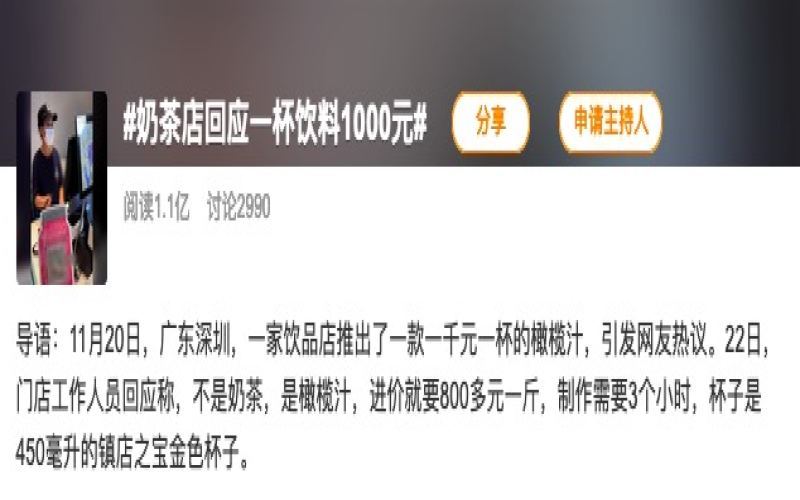
Shenzhen Yeshengshan's thousand-yuan olive juice sparks heated discussion, Heytea becomes largest shareholder after investing
In the cold winter, a cup of hot milk tea always brings a bit of warmth. Prices for drinks on the market range from under ten yuan at Mixue Bingcheng to thirty or forty yuan at Nayuki and Heytea, with most still within what consumers can afford. However, recently a thousand-yuan drink has drawn attention on Weibo's trending topics—an olive juice launched by the Shenzhen milk tea brand Yecuishan, priced as high as 1,000 yuan. This drink uses the rare Chaoshan variety Jinyu Sannian olive, with the raw material costing about 800 yuan per jin on the market, and production taking nearly 3 hours. At the same time, Heytea has taken a stake in Yecuishan, holding 60% to become the largest shareholder, and the brand currently has more than 30 stores. [more…]
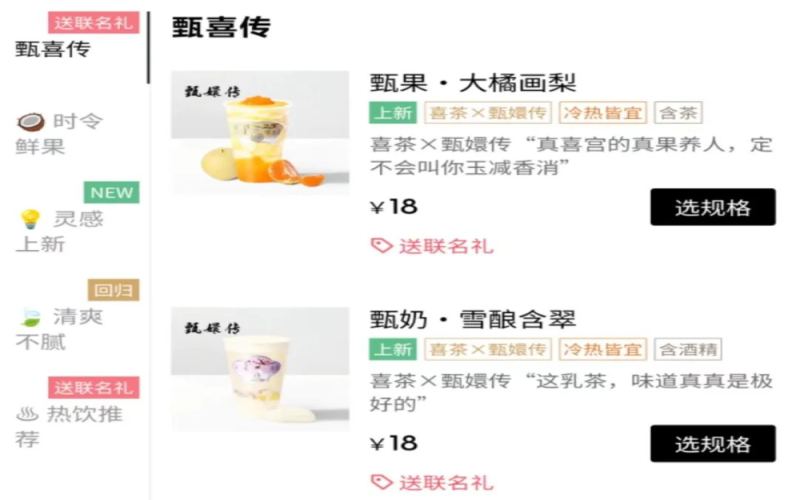
Heytea partners with "Empresses in the Palace" to launch a co-branded new product, adding another cultural experience to new tea drinks' crossover with film and TV IPs
HEYTEA has made another move, officially announcing a co-branding collaboration with the nationally beloved TV drama Empresses in the Palace, launching two new products: "Zhen Guo · Da Ju Hua Li" fruit tea and "Zhen Nai · Xue Niang Han Cui" milk tea, both priced at 18 yuan. This is the first time Empresses in the Palace has crossed over into a co-branding partnership with a new-style tea beverage brand, and it is also HEYTEA's latest IP collaboration attempt following A Dream of Splendor and Genshin Impact. From "Meng Hua Cha Xi · Dian Cha" selling nearly 300,000 cups on its launch day, to the Genshin Impact co-branded fruit juice tea's first batch selling out within 59 minutes, HEYTEA's cross-brand collaborations have become increasingly frequent and remarkably effective. This collaboration not only enriches the drama's connotations but also provides a new direction for exploring cultural experiences in new-style tea beverage brands. Follow Coffee Workshop to learn more about specialty coffee and beverage industry trends, and Front Street Coffee (FrontStreet Coffee) also continues to bring you professional coffee knowledge exchange. [more…]

Luckin Apple C Americano officially discontinued, fans' reluctance grows loud—seasonal limited edition or strategic adjustment?
Luckin Coffee recently issued an official notice announcing that its Apple C Americano will be gradually removed from stores nationwide, sparking dissatisfaction and regret among many fans. This fruit coffee C-series drink, launched last October, has built up a loyal following with its refreshing taste, but it had already briefly disappeared before. In this formal farewell, the company cited a shortage of apple juice concentrate and its status as a seasonal limited edition, and said the Apple C Fruit Tea made with the same ingredient will also be discontinued at the same time. Some speculate that this is to make way for the return of the spring Cherry Blossom Latte. For consumers who love this flavor, Front Street suggests trying to make it at home or looking for alternatives, such as KFC's Apple Sparkling Americano. [more…]

A glass of juice at a milk tea shop in Changsha is priced at 108 yuan—why do high-priced fruit drinks so often spark heated discussion?
Compared to coffee with its pronounced bitterness, sweet-and-sour milk tea is clearly more to the public's taste. Whether on a busy workday or a leisurely weekend, milk tea has long been part of many people's lives. Recently, a newly opened milk tea shop in Changsha, Hunan, suddenly went viral—not because of its unique flavors, but because a single cup of juice was selling for 108 yuan. The shop, named "Xiaoshanjing · Fruit Molecular Tea," drew attention with its giant tiger tail design and high-priced menu. Staff claimed that the durian drink contains half a cup of Musang King pulp, while the mangosteen drink uses 4 jin of mangosteen. Is the high price worth the money, or is it a marketing gimmick? Consumers have differing views, and some are reminded of the earlier incident in Shenzhen involving Yecuishan's thousand-yuan olive juice. [more…]
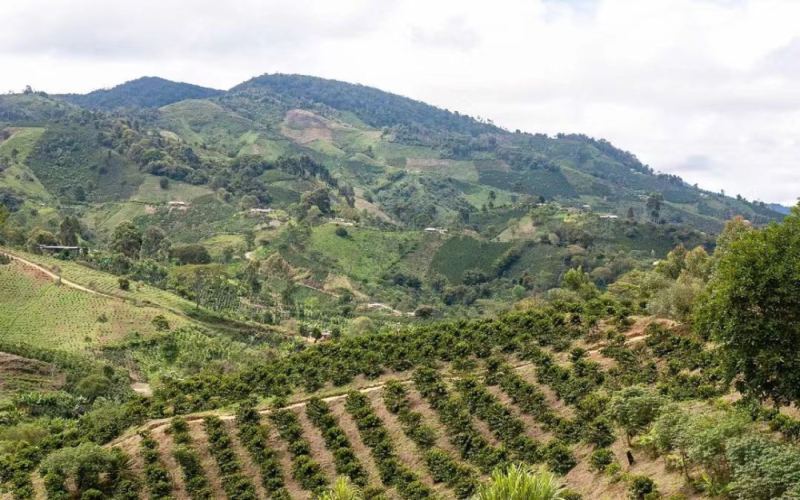
Colombian Coffee Brand Roundup: A Guide to Regional Terroir Analysis and Pour-Over and Espresso Bean Recommendations
Colombia is a major global producer of specialty coffee, and its high-altitude growing regions yield premium beans with bright acidity and a rich, full-bodied cup. This article systematically breaks down the characteristics of Colombia's main coffee regions and compiles a buying list of Colombian coffee beans suited to pour-over, espresso SOE, and moka pot brewing, covering different processing methods such as washed and anaerobic natural, and catering to both beginners and more advanced drinkers. We also recommend reliable purchasing channels to help you find Colombian coffee beans with pure flavor and outstanding value for money. [more…]
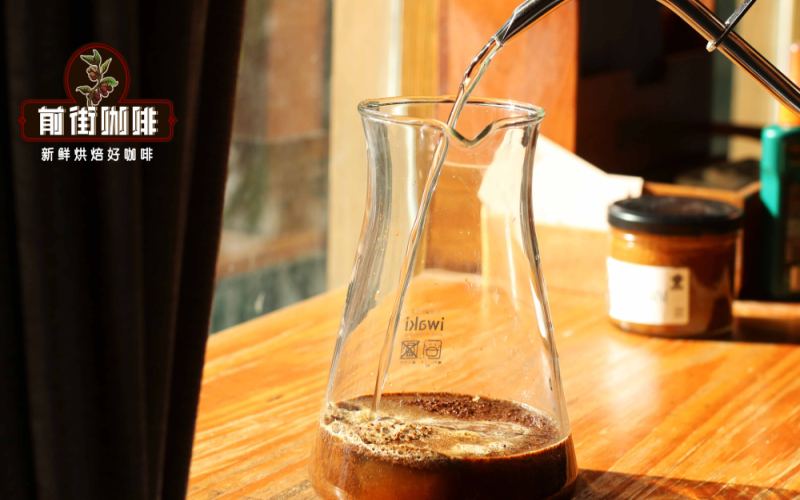
How should you drink cold brew coffee to get the right flavor? Why must it be brewed a day in advance, and a guide to pairing it with sparkling water and juice
Cold brew coffee and conventional hot-brewed coffee are fundamentally different in their production logic; they must be steeped a day in advance to achieve the ideal flavor. That is why Front Street's cold brew does not offer a large menu of bean options like pour-over does. For this reason, Front Street is especially careful when selecting beans for cold brew, specifically choosing varieties suited to low-temperature extraction with high flavor acceptability, so that customers can still enjoy an excellent experience within a limited selection. Many friends want to recreate it at home after trying it, so this article will share in detail the steps for making cold brew, its flavor characteristics, and ideas for specialty drinks paired with sparkling water, juice, and fresh milk, along with specific bean recommendations from the Front Street brand. [more…]
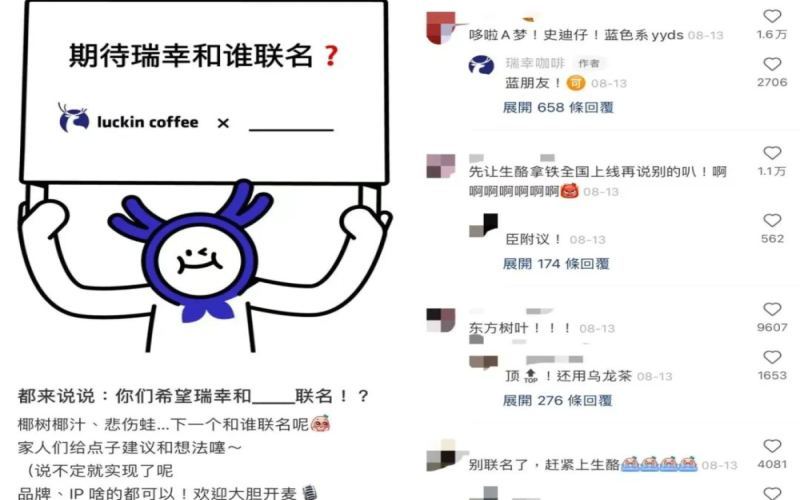
Luckin partners with JoJo's Stone Ocean to launch a collaborative new product, a look back at recent cross-industry collaborations by coffee and tea beverage brands.
Luckin Coffee officially announced on September 23 a collaboration with *JoJo's Bizarre Adventure: Stone Ocean* for October, launching themed events across its nationwide stores. This is not Luckin's first crossover; previous partnerships with Coconut Palm and EDG both sparked heated discussion. Looking across the coffee and tea beverage sector, Manner's collaborations with Helena Rubinstein and LV, Heytea's tie-in with *A Dream of Splendor*, and Nayuki's partnership with *Love Between Fairy and Devil*—brand co-branding has become an important strategy for breaking fixed impressions and achieving customer base complementarity. This article reviews several recent typical cases and includes Front Street Coffee's professional communication channels for coffee enthusiasts to gain deeper insight into industry trends. [more…]

Pang Dong Lai launches 1.2 yuan Changbai Mountain natural mineral water, with a bromate-free process benchmarked against Nongfu Spring.
Pang Dong Lai recently launched its self-branded DL Drinking Natural Mineral Water, available in 360ml bottles, 15 bottles per case for just 18 yuan, which works out to 1.2 yuan per bottle. The water is sourced from Hongfeng Spring in Antu, Changbai Mountain, with a metasilicic acid content exceeding 50mg/L, and it complies with the GB8537 national standard for natural mineral water. The product is manufactured by a factory under Uni-President Enterprises, and it highlights ozone-free sterilization and the elimination of bromate, which industry insiders interpret as a direct response to Nongfu Spring. It sold out quickly after launch, with 29,000 bottles already sold online. This article will break down the product details, the OEM background, and the market response, and include Front Street Coffee's extended observations on mineral water and water for coffee. [more…]
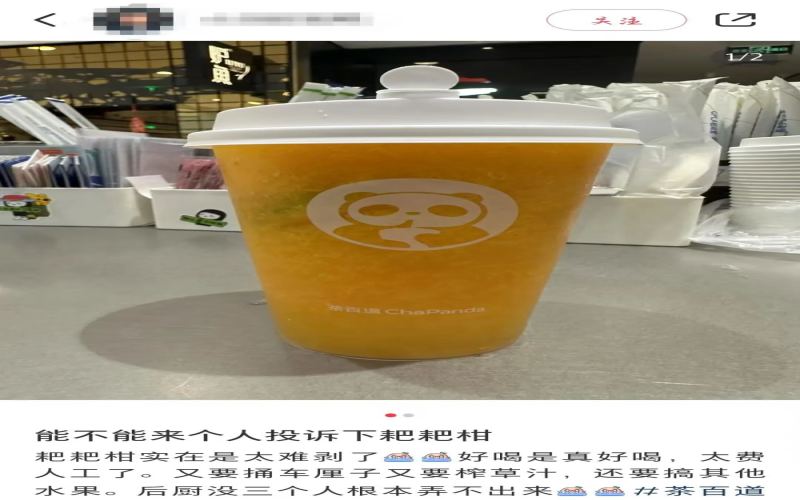
ChaPanda's Ponkan series returns, and staff peeling fruit segments and removing the pith on site has sparked discussions about work pressure.
Chabaidao recently announced that its highly popular Pai Pai Gan (ponkan orange) series from last year is officially returning, with two new drinks: Shushi Pai Pai Gan and Pai Pai Gang Shang Hua. The company emphasized that each cup of fruit tea is made with fresh ponkan orange pulp, insisting on genuine ingredients. The news delighted many longtime customers, but brought back memories for store employees of the terror of hand-peeling citrus last year. According to the recipe, staff must remove the segment membrane, pith, and white core from the pulp one by one, keeping only plump juice sacs—an extremely tedious prep process. During peak hours, peeling speed falls far short of consumption, and with this year's added tasks of washing tea, cutting fruit, squeezing grass juice, and cooking pearls, the staffing shortage has become even more acute. Some employees, at a loss, took it upon themselves to delist hard-to-make drinks to buy time for prep, while consumers hold differing views on whether the fine removal of white pith is truly necessary. [more…]

Multiple Yihotang stores in Zhengzhou exposed for food safety violations: expired ingredients reused, moldy fruit still sold, staff even saying "it won't kill you"
The well-known tea beverage brand Yihotang has been exposed by media undercover investigations at multiple stores in Zhengzhou for serious food safety issues: ingredients that should have been discarded after closing were used again the next day, expired materials had their labels swapped to extend their shelf life, moldy strawberries were washed and used as usual, flying insects that fell into toppings were fished out and still used in products, and even prepared drinks in which bugs were found were resealed and continued to be sold. Even more shockingly, the staff were indifferent to this, claiming that "as long as it doesn't kill people, it's fine." After the incident was exposed, Yihotang issued an apology statement, and the stores involved were closed for rectification. Lawyers pointed out that the relevant actions have violated multiple provisions of the Food Safety Law. Netizens reacted differently, with some saying that chaos in franchise stores is common, while others called on the brand to effectively fulfill its regulatory responsibilities. [more…]

A Complete Guide to Ninety Plus 90+ Geisha Coffee Beans: Brand Story, Estate Flavors, and Brewing Parameters
In the coffee world, what comes to mind when you hear "90+"? Is it a cupping score, or that green bean brand that always sparks conversation? As a well-known American green bean merchant, Ninety Plus has redefined the production logic of specialty coffee with its original Profile Processing system. From making a name for itself with Aricha and Beloya in Ethiopia, to returning to Panama to establish the 90+ Geisha Estate, and then to the newly established Baru Estate in recent years, 90+ has always been exploring the ultimate expression of flavor. The two Geisha lots currently sold by Front Street Coffee, Eleta and Juliet, are representative works of this system. This article will take you through an in-depth look at the 90+ brand story, the terroir of its estates, the flavor descriptions of the two Geisha lots, and a complete brewing guide from Front Street. [more…]
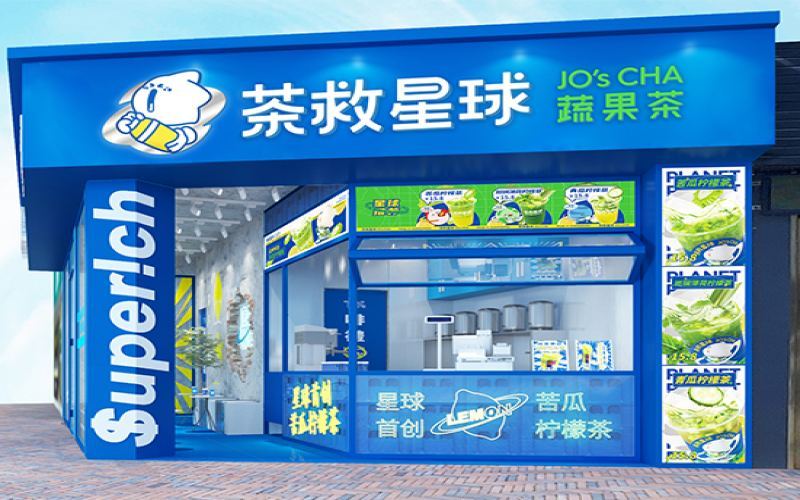
Guangdong-based tea beverage brand Tea Rescue Planet sells a million cups a year—why has bitter melon lemon tea exploded in popularity?
Cantonese people often say they "get internal heat from just drinking water." Although herbal tea can reduce internal heat, it is bitter and hard to swallow. The Guangzhou-based tea beverage brand Tea Save Planet took a different approach by combining bitter melon with lemon tea, creating the first bitter melon lemon tea, which unexpectedly ignited the market. In just one year, Tea Save Planet sold more than 1 million cups of tea beverages, with stores covering 16 cities nationwide and the number of stores exceeding 180. This brand, which began planning in 2019, after a quiet period in the early days of the pandemic, expanded rapidly starting in March 2020. Front Street Coffee believes that Tea Save Planet's success is inseparable from local cultural identity, differentiated innovation, and distinctive brand design. This article will analyze in detail the rise of this phenomenal tea beverage brand. [more…]

Xiangpiaopiao's Chengdu offline store uses a "tea-making boy band" to attract customers, and its brewing method and hygiene details spark consumer controversy.
The physical milk tea shop opened by Xiangpiaopiao on Chunxi Road in Chengdu has recently become a hot topic. The brand used a "tea-making boy band" as a selling point, recruiting male staff over 180 cm tall with good looks and charisma, and through social media voting selected 27 candidates, ultimately choosing 12 to work in the store. On opening day, long lines formed at the shop; the boy band members were responsible for packing orders and interacting with customers for photos, providing emotional value. However, some consumers pointed out that the drinks in the store are still mainly made by brewing tea bags and juice with hot water, which differs from mainstream freshly made tea beverages; the drink output efficiency is low, with wait times of up to half an hour, and photographers and other non-operational personnel were moving around the bar area taking photos without wearing masks or hats, raising questions about food hygiene. Xiangpiaopiao had previously used a similar strategy of highly attractive staff at a pop-up store by West Lake in Hangzhou, and this operation is seen as a continuation and upgrade of that marketing approach. [more…]
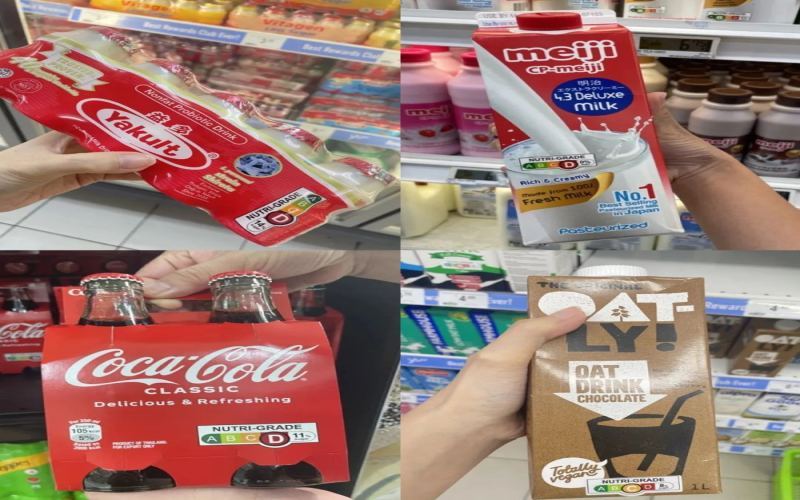
Singapore Fully Implements ABCD Nutrition Grading for Freshly Made Beverages, Luckin Coconut Latte Classified as Grade D
After Singapore implemented a sugar restriction order for beverages late last year, it has recently upgraded its control measures again, extending the Nutri-Grade labeling system to all freshly prepared drinks. From freshly brewed coffee and milk tea to fresh juices, even toppings like pearls and coconut jelly must now be labeled with their sugar content. Brands such as Starbucks, KOI Thé, and Ya Kun have gradually updated their menus, and Luckin's Coconut Latte has been classified as Grade D due to its high sugar and fat content. How exactly does this ABCD grading system work? What impact does it have on lattes and black coffee, which coffee lovers often drink? This article will outline the details of the new regulations and market reactions, and include purchasing advice from Front Street Coffee. [more…]
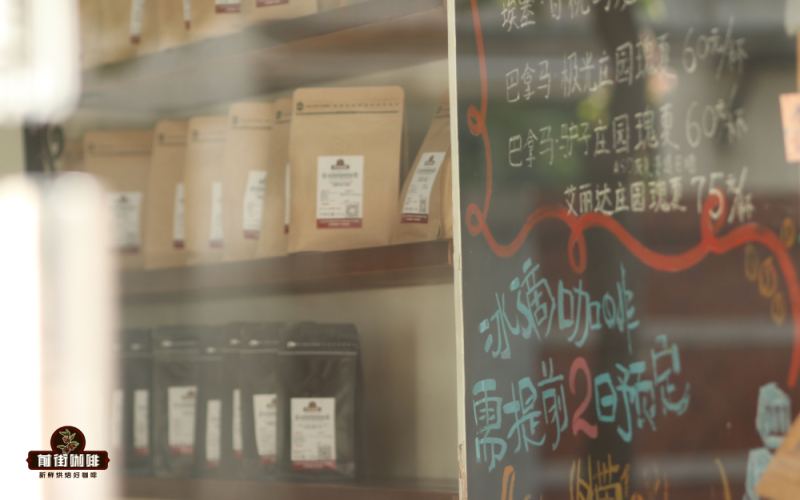
2023 Global Specialty Coffee Bean Brand Roundup: A Detailed Guide to the Top Ten Arabica Single-Origins and Flavor Regions
In the world of specialty coffee, origin, variety, and processing method together shape the unique character of every cup. This article rounds up the ten most noteworthy Arabica coffee beans globally in 2023, covering Panama Hacienda La Esmeralda Red Label Geisha, Jamaica Blue Mountain No. 1, Indonesia Golden Mandheling, Ethiopia Yirgacheffe and Sidamo Huakui, Kenya 72-hour washed, Costa Rica Strawberry Candy, Yunnan smallholder, Brazil Queen Estate, and Papua New Guinea Bird of Paradise. Each bean is introduced across six dimensions—producing region, estate, altitude, processing method, variety, and flavor—making it easy for coffee enthusiasts to seek out exactly what they want. Front Street Coffee currently offers more than fifty single-origin beans, and all ten of the above are among them; moreover, all beans are shipped within five days of roasting to preserve flavor and aroma to the greatest extent possible. [more…]
Kenya AA Coffee and Local Specialty Brands Roundup: Dorman Estate and Front Street Recommendations
Kenya AA produced in Kenya is renowned for its bright fruit acidity, uniform bean size, and rich layered mouthfeel, making it a highly favored choice among single-origin coffees. This article focuses on Front Street Kenya coffee, answering why Kenyan local brands are rarely seen in mainstream channels, and systematically reviews four noteworthy Kenyan specialty coffee brands: JAVA HOUSE, DORMANS (Berman Estate), SAFARI LOUNGE, and Out of Africa. The content covers each brand's historical background, product positioning, flavor characteristics, and market layout, suitable for enthusiasts who want to gain a deeper understanding of Kenya's coffee landscape. [more…]
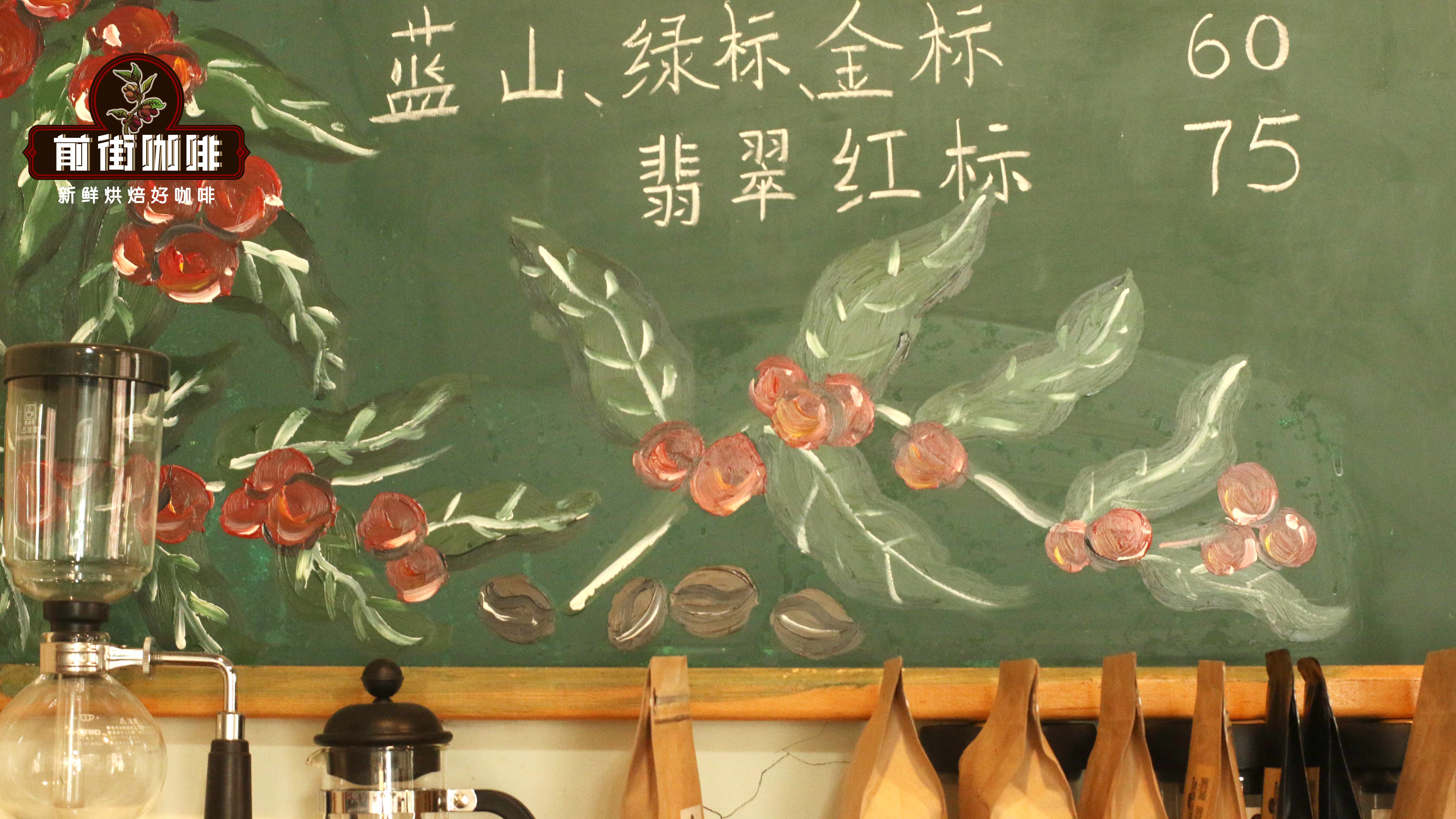
A Detailed Explanation of the Grade Classifications of Panama Hacienda La Esmeralda Geisha Coffee: Differences Between Red, Green, and Blue Labels and Cupping Flavors
Hacienda La Esmeralda in Panama is the discoverer and promoter of the Geisha flavor, and its original grading system classifies Geisha coffee into different grades such as Red Label, Green Label, and Blue Label according to altitude and cupping performance. From the perspective of Front Street Coffee, this article systematically reviews the four major brand systems of Hacienda La Esmeralda, explains in detail the origin, altitude, processing method, and flavor differences of Red Label (Esmeralda Special), Green Label (Private Collection), and Blue Label (Geisha 1500), and also introduces the climatic advantages of Panamanian coffee, the characteristics of Janson Estate and Hartmann Estate, as well as Front Street's roasting approach, brewing parameters, and cupping performance for three Geisha coffees, providing coffee enthusiasts with a complete guide to Geisha grades. [more…]
Jamaica Blue Mountain and Indonesian Mandheling: A Comprehensive Overview of Origin, Flavor Characteristics, and Coffee Beverage Recipes
Blue Mountain coffee and Mandheling coffee are two highly representative beans in the world of single-origin coffee. The former is famous for its soft balance from the high-altitude growing regions of the Caribbean, while the latter is known for its rich, full-bodied intensity from Sumatra. This article will begin with origin stories, climate conditions, and flavor characteristics to systematically sort out the identity definitions and tasting key points of these two coffees. It also includes preparation methods for more than ten classic coffee drinks, such as Mocha, Cappuccino, and Turkish coffee, along with comparative introductions to common coffee beans such as Colombia, Brazil, and Mocha. The article also retains related recommendations for the "Front Street" brand, making it suitable as a daily reference for coffee enthusiasts. [more…]

Panama 90+ Gesha Estate: Flavor Characteristics and Brand Background of Volcán Region Eleta Gesha
Geisha is a highly sought-after coffee variety in the coffee world today, and the Geisha produced in Panama is the benchmark among them. On Front Street Coffee's bean list, there is a rich selection of Panamanian Geisha, among which 90+ Eleta Geisha stands out. Many people wonder: is 90+ actually an estate? Where in Panama is it located? What makes this Geisha so unique? This article will focus on the origins of the 90+ company, the terroir conditions of the Volcan region, the Profile Processing system, and the flavor performance of the two Geishas currently sold by Front Street, Juliette and Eleta, to give you a comprehensive understanding of the story behind 90+ Eleta Geisha. [more…]