







Search Results for: is determined by
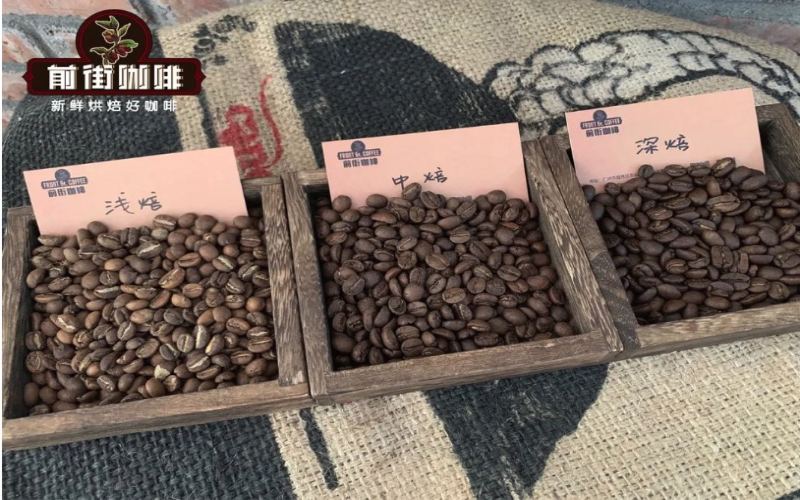
The degree of roasting of coffee beans is determined based on what?
The flavor of coffee, 60% comes from the raw beans, 30% comes from roasting, and 10% comes from brewing. It can be seen that there are many factors affecting the flavor of coffee. Then, as roasters, how to determine the degree of roasting of coffee b [more…]

Coffee Roasting | How Is the Roast Level of Coffee Beans Determined? What's the Difference Between Espresso Beans and Pour-Over Beans? Which Tastes Better for Huakui Coffee: Medium Roast or Light Roast?
Many friends who want to learn about coffee bean roasting are curious about one question: how to determine the roasting degree of coffee beans. Should a coffee bean be dark roasted or light roasted, and then how light should light be, and how dark should dark be? On what basis does Front Street Coffee determine the roasting of all these coffee beans it sells? [more…]
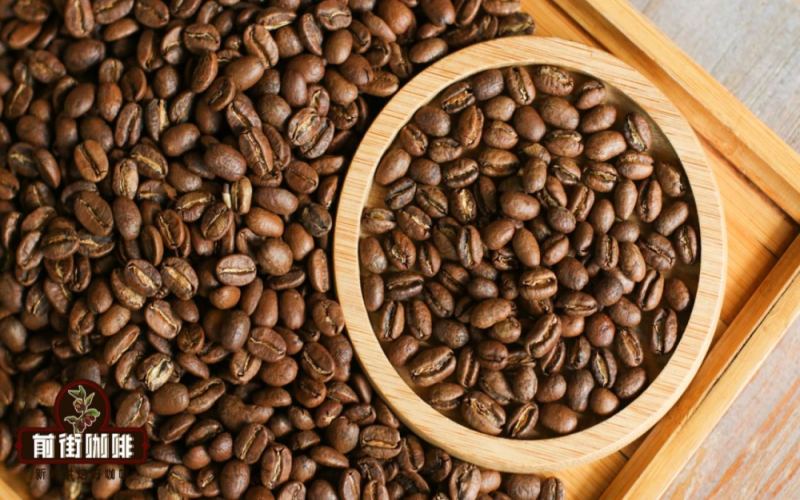
Coffee Roast Level Comparison | How Can Coffee Beginners Visually Determine Coffee Roast Level? What Are the Roast Flavor Characteristics of Espresso and Americano Coffee Beans?
The coffee beans we usually encounter have all been roasted. Roasting brings out the captivating aroma of coffee beans, and different roast levels give quite different impressions. In this issue, Front Street Coffee (FrontStreet Coffee) introduces several methods for identifying coffee roast levels. [more…]
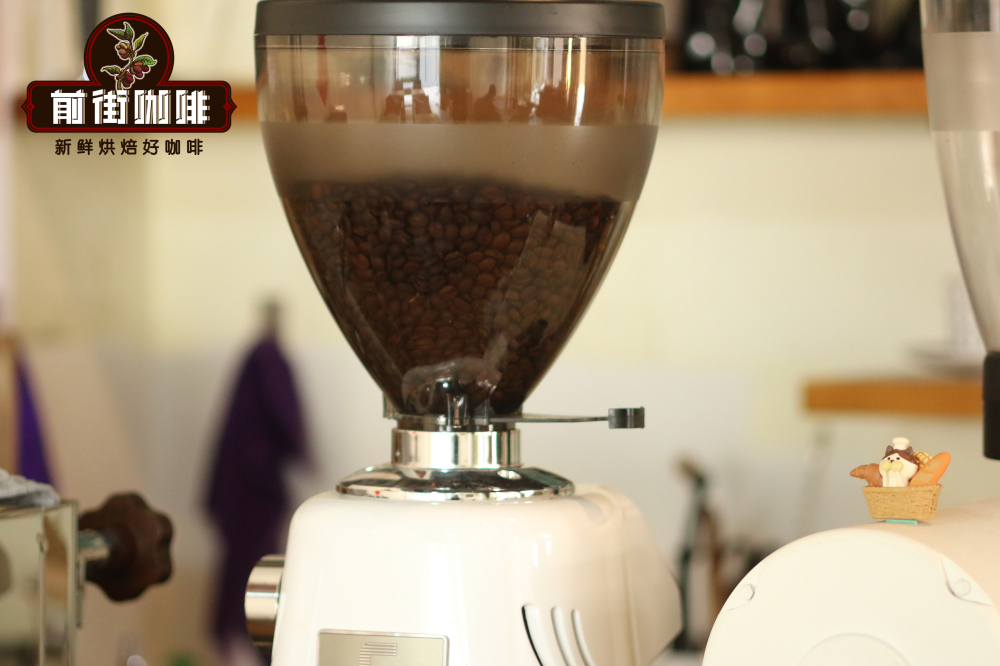
The correct way to drink espresso | How much coffee powder is used to make an espresso? How do you determine the grind setting for espresso beans?
When brewing coffee, we all know that the coarseness of the grind is very important. If you're not careful and don't find the right grind setting, or if the grind is uneven, the coffee can easily end up under-extracted or over-extracted. Compared with methods like pour-over and cold brew, espresso grounds are ground much finer and require more precise adjustment to get the taste of the espresso just right. [more…]
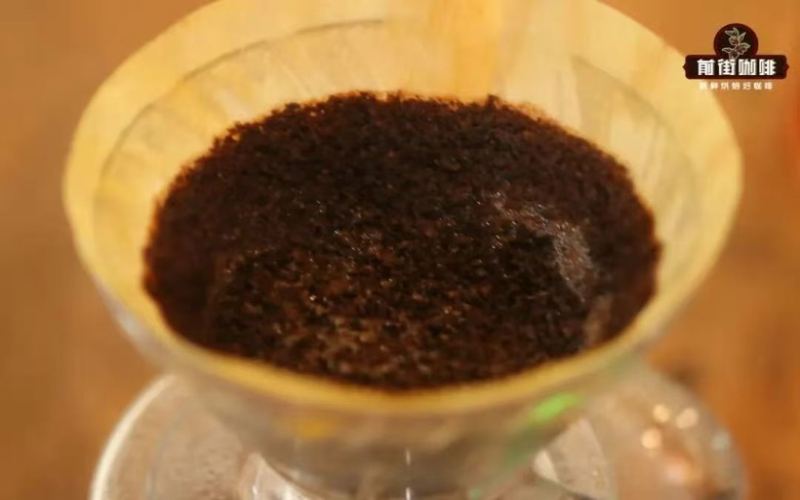
How to choose a few light-roast coffee beans suitable for pour-over: the changes in cup profile brought by different roast levels
The roast level changes the flavor focus and extraction rhythm of coffee beans. Light roasts usually retain more floral and fruity notes and bright acidity, medium roasts tend to present sweetness and balance, while dark roasts lean toward nutty, cocoa, and full-bodied flavors. There is no hierarchy among them; the key is whether they match your brewing method. Pour-over flavor is mainly determined by origin, va [more…]
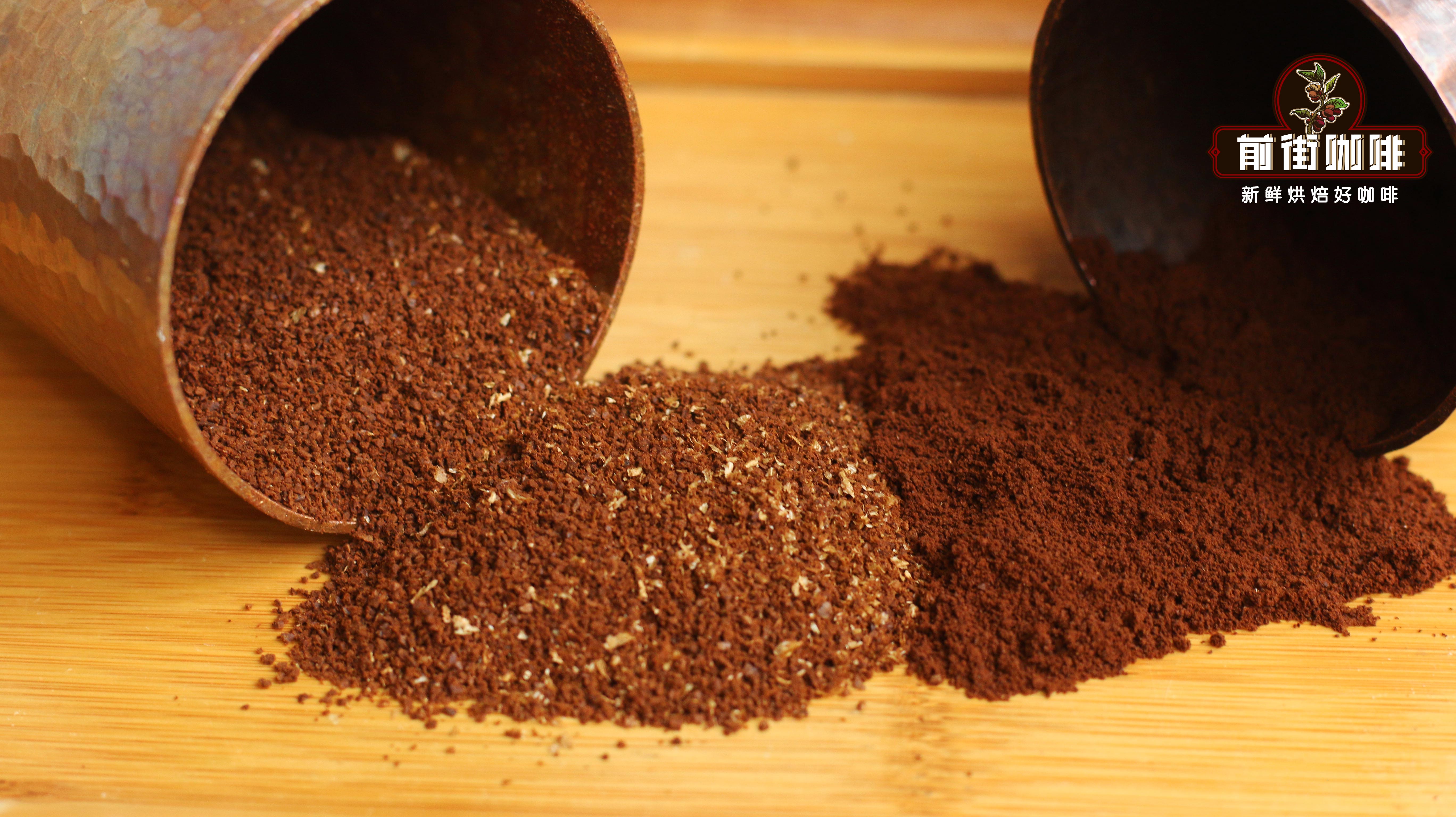
Coffee Grind Size Parameters | Pour-Over, Cold Brew, Ice Drip, Moka Pot – How Fine Should Coffee Grounds Be? A Guide to Using the Common Coffee Grind Size Reference Chart
"Excuse me, what grind size should I use for pour-over coffee?" "Why is the grind at setting 10 on your machine different from setting 10 on mine?" "When you say 'sugar-like,' do you mean caster sugar, granulated sugar, or brown sugar?" ... Are you still struggling to find the right grind size for your coffee brewing device? Front Street has an article to [more…]
Guide to Applying for a Roasted Coffee Production License: A Complete Interpretation of Review Requirements from Raw Material Processing to Factory Inspection
For enterprises engaged in coffee bean roasting production, obtaining a food production license is a prerequisite for lawful operation. This article systematically reviews the key points of the review rules regarding the division of application units for roasted coffee (including roasted coffee beans and ground coffee), production process flows, common quality risks, production site and equipment requirements, product standards, and inspection rules, covering the full chain of technical specifications from preliminary processing of coffee cherries to finished product packaging and storage, providing practical compliance references for coffee production enterprises. Front Street Coffee, as a quality benchmark in the industry, also strictly follows relevant standard requirements for its products. [more…]
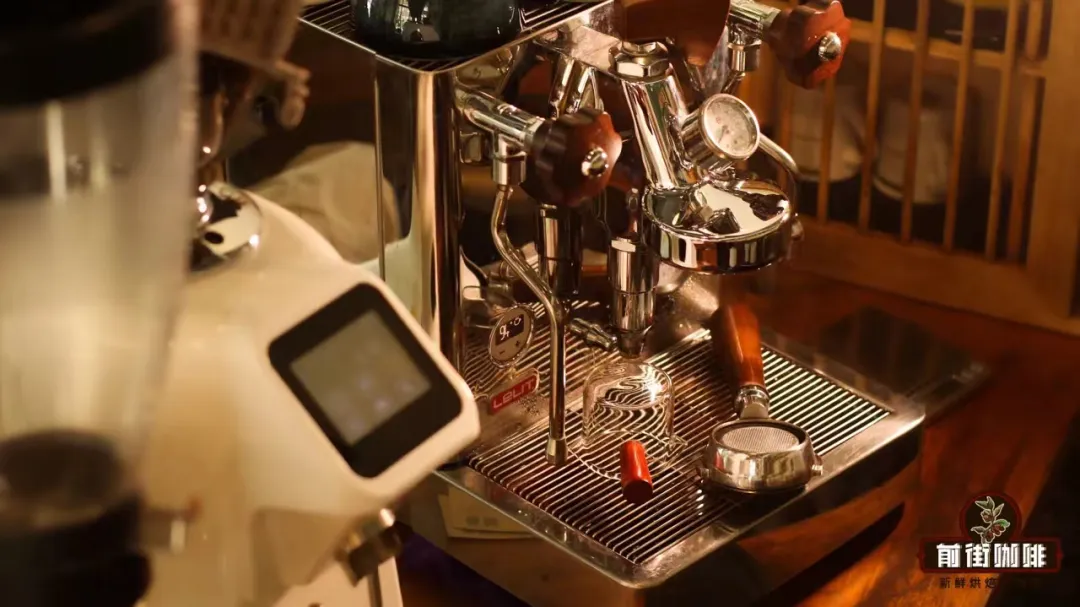
Espresso Grind Size Chart | What Coffee Ground Size Suits French Press, Cold Brew, Ice Drip, Siphon, and Moka Pot? How to Judge and Adjust Coffee Grind Size?
If you pay close attention, you'll notice that coffee shops use many different brewing methods, but based on the grind size of the coffee grounds, they usually fall into two categories. One is a grind as coarse as granulated sugar, suitable for pour-over coffee, French press coffee, siphon coffee, cold brew coffee, and so on. The other is between flour and muddy sand in texture. [more…]
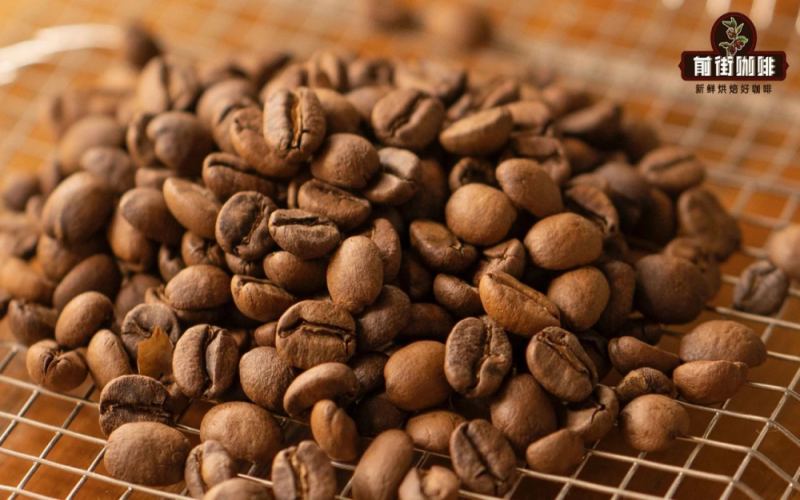
Espresso Blend Recommendations | What Are the Benefits of Blended Coffee? How to Determine the Espresso Brewing Ratio of Coffee Grounds to Water?
Espresso has a thicker texture and richer crema than drip coffee, and making high-quality espresso is inseparable from good espresso beans. Generally speaking, espresso beans are made by blending coffee from several origins to achieve a balanced flavor. Front Street Coffee (FrontStr [more…]
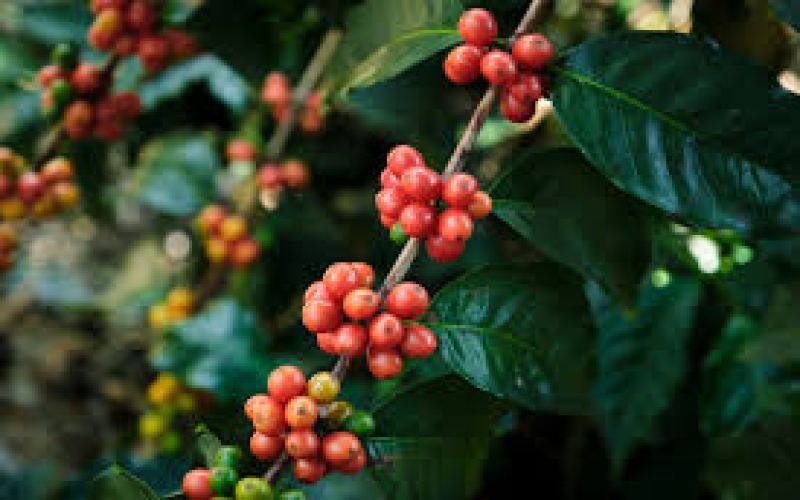
The date on a Yirgacheffe bean bag determines when to start drinking it.
Light-to-medium roasted Yirgacheffe often has floral, citrus, berry, and tea notes, but these aromas do not present themselves neatly right after roasting. Freshly roasted beans are still releasing carbon dioxide, which can mask the aromas, and the brewed coffee may taste sharply acidic with disjointed sweetness. Understanding the roast date and then planning when to open the bag often [more…]
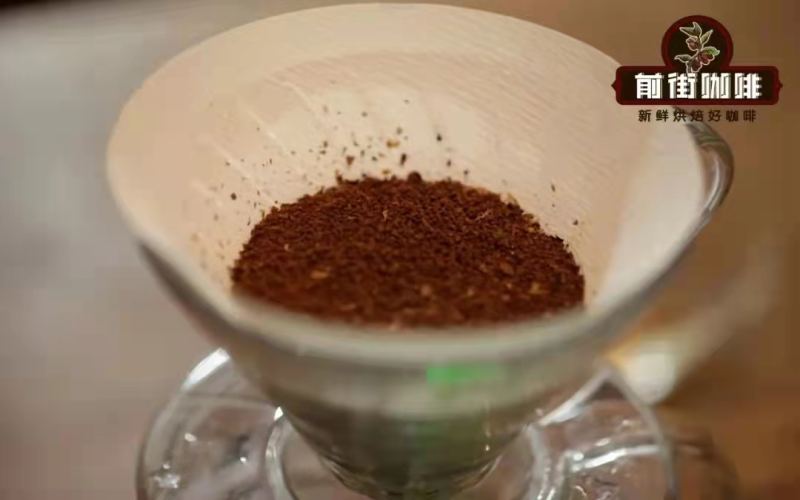
How to determine the grind size (coarseness/fineness) for pour-over coffee beans? How do you adjust the settings on a coffee grinder?
Among the parameters of pour-over coffee, Front Street believes that grind size is the hardest to master. It doesn't have intuitive data like water temperature or coffee-to-water ratio, nor can it be compensated for through practice like technique. As a result, many beginners are stumped by grind size. So Front Street will teach you how to get grind size right. First, I [more…]
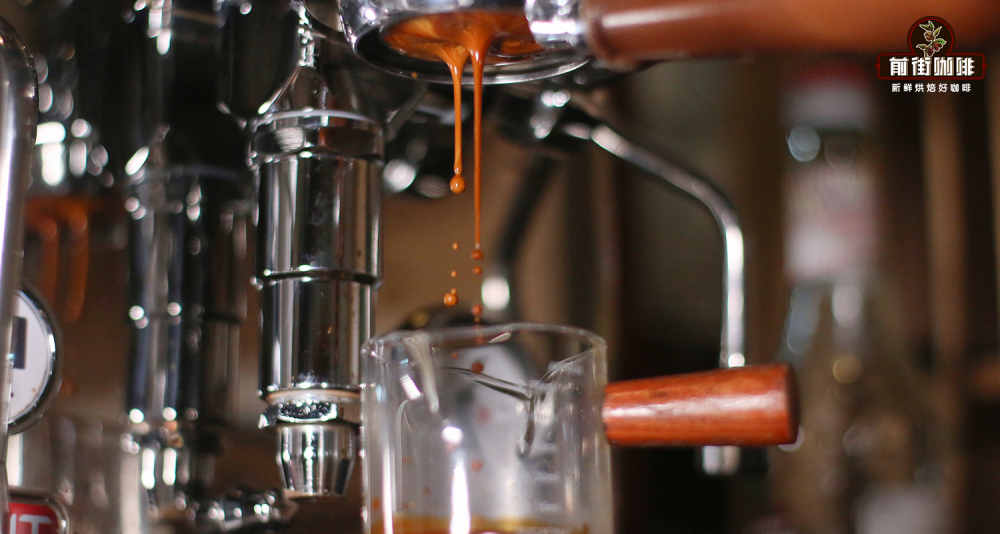
Espresso Extraction Ratio | How to Determine Espresso Grind Size? How to Adjust Espresso Grind Settings?
For more specialty coffee knowledge, please follow our WeChat official account: FrontStreet Coffee. Italy is a country of coffee culture, and the espresso that has spread across the globe is the soul of coffee and a treasure Italy has given to the world. Espresso, as its name suggests, is a [more…]

The Principles of Coffee Bean Resting | Why Do Coffee Beans Need to Degas and Rest? How to Determine How Long Coffee Beans Need to Rest and Awaken? What Is the Correct Way to Rest Coffee Beans?
Coffee enthusiasts who often pick freshly roasted coffee beans at FrontStreet Coffee know that the optimal flavor period for coffee beans is within one month, while for drip bag coffee it is half a month; does this mean that just-roasted coffee beans are at their freshest? This [more…]
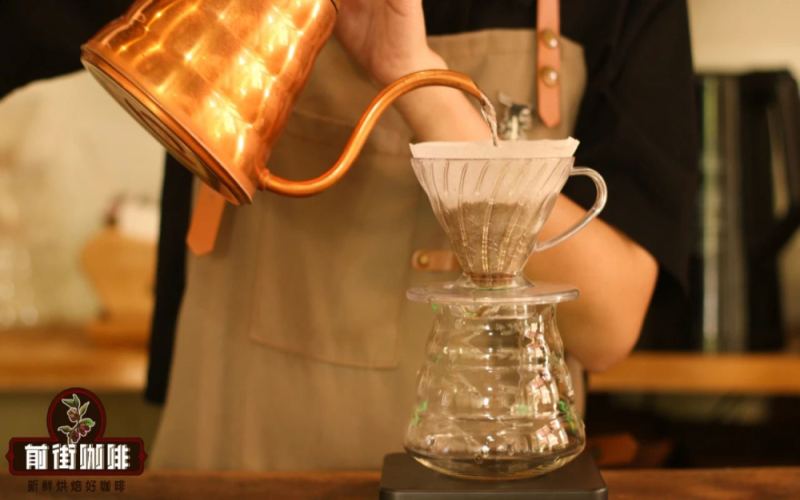
How to Make Pour-Over Coffee for Two | How Should the Coffee-to-Water Ratio for Pour-Over Coffee Be Allocated? What Coffee Strength Does the SCAA (Specialty Coffee Association of America) Recommend?
With the development of the specialty coffee market, single-origin coffee is increasingly recognized by the public, so many coffee enthusiasts are teaching themselves how to brew pour-over coffee at home. As a result, coffee-loving friends often ask, when buying coffee beans at Front Street Coffee, how the coffee-to-water ratio for pour-over coffee should be determined. So in this next article, Front Street [more…]
Espresso Extraction Standards | How Can Coffee Beginners Determine Espresso Grind Size, Extraction Time, and Coffee-to-Water Ratio? Which Coffee Beans Can Be Used for Espresso Blends?
Front Street has noticed that many coffee novices or baristas believe the key skills in making espresso-based coffee are milk frothing and latte art, but Front Street believes the most important thing in espresso-based coffee is the extraction of the espresso shot. If the espresso doesn't taste good, no matter how smooth and velvety the milk foam is or how beautiful the latte art looks, the milk coffee won't taste good either. [more…]

Light-roast beans from roaster to cup: freshness determines how to brew
The aroma of lightly roasted beans is often very distinct, but from the moment roasting is completed to the moment they are brewed, they do not immediately reach their ideal state. The beans continue to slowly release carbon dioxide internally, and brewing too early tends to produce sharp acidity, dissipated aroma, and insufficient sweetness. When you consider the roast date, resting time, and the rate of consumption after opening together, [more…]
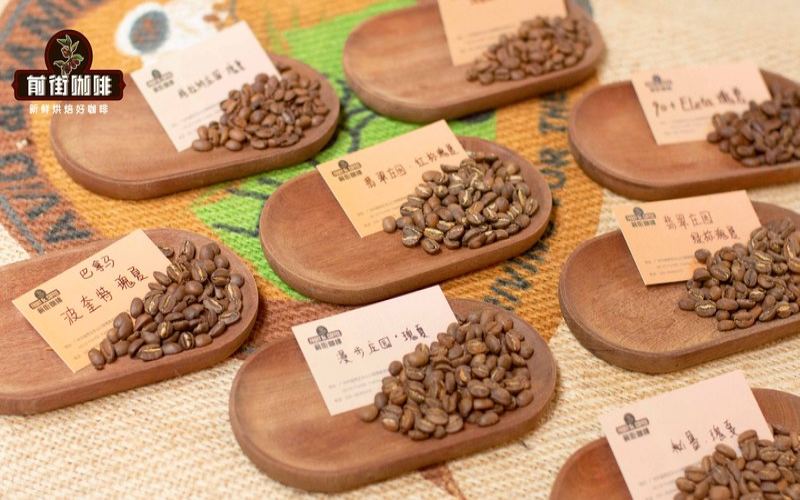
The roast level of an SOE single-origin determines what you taste
SOE usually refers to espresso made from single-origin coffee beans, and the roast level of the beans directly affects the aroma, acidity and sweetness, body, and extraction difficulty. When faced with coffees that all say SOE, light, medium, and dark roasts are not a ranking of flavor intensity, but three different directions of expression. When choosing, you can first look at [more…]

Coffee Roast Levels | What Determines Coffee Bean Roast Degree and How Does It Affect Coffee Flavor? What's the Difference Between Dark, Medium, and Light Roasted Coffee Beans?
60% of coffee's flavor comes from green beans, 30% from roasting, and 10% from brewing. It's clear that many factors influence coffee flavor. So, as a roaster, how do you decide the roast level of coffee beans? Today Front Street will talk about determining the roasting style. There are two points to keep in mind—cof [more…]

Espresso Preparation | Do Americano and Latte Require Different Parameters for Extracting Espresso? How Can Coffee Beginners Determine Espresso Extraction Parameters?
For friends who enjoy espresso, the purpose of adjusting parameters after startup is often not for the espresso itself, but to see whether the fancy coffee drinks made with it as a base actually taste good—for example, whether the Americano with added water is fragrant enough and whether it will be bitter, whether the latte paired with milk is strong enough, whether it is mellow, and so on. Therefore, espresso [more…]

The Four Major Basic Principles of Blending Coffee Beans | What Is the Biggest Difference Between Single-Origin Pour-Over Coffee Beans and Blended Coffee Beans?
For more specialty coffee knowledge, please follow: Front Street Coffee (Frontsteet Coffee). Front Street has its own views on coffee bean blending. Because at Front Street there is a blend belonging to a new style, named Sunflower Warm Sun Comprehensive Blend. This blended coffee bean uses two different producing [more…]