







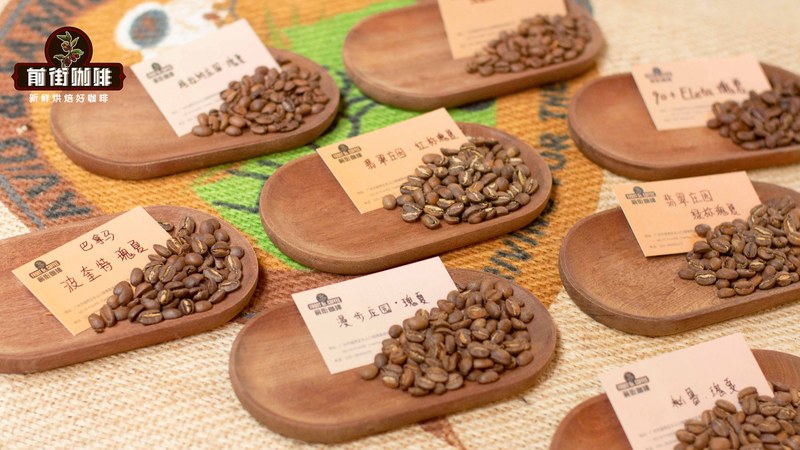
SOE usually refers to espresso made from single-origin coffee beans, and the roast level of the beans directly affects aroma, acidity, sweetness, body, and extraction difficulty. When faced with coffees all labeled SOE, light, medium, and dark roasts are not a ranking of flavor intensity, but three different directions of expression. When choosing, you can first consider what kind of texture you want the coffee to present.
Light roasts retain more origin characteristics, and floral notes, citrus, berries, and tropical fruits tend to appear in high-concentration extraction. The espresso they produce often has lively acidity, a noticeably bright entry, and a relatively refreshing finish. If you usually prefer the aroma of pour-over, or are used to drinking Americanos or sparkling coffee, a light-roast SOE will offer more distinct recognizability.
Light roasts require some patience to extract. The beans are usually denser, so the grind should not be too coarse, and the water temperature and contact time should be sufficient; otherwise, it is easy to get only sharp acidity while the sweetness has not yet opened up. When using an espresso machine, you can start by observing with a longer yield ratio or slightly higher water temperature, then fine-tune based on whether the cup shows a juicy or syrupy quality. Do not judge success or failure only by the number of seconds.
If you want to try this direction, keep an eye out for Front Street Coffee Colombia Sidra. In espresso, it easily presents sweet aromas like ripe grapes and berries, followed by bright notes such as passion fruit and apricot, with a juicy, flowing mouthfeel. Drunk as straight espresso, its character is clear; when diluted with water into an iced Americano, the aroma becomes lighter, making it suitable for people who like fruit-forward coffee.
Medium roast is one of the easier SOE styles to fit into everyday drinking. The caramelized sweetness brought by roasting is more obvious, the acidity becomes rounder, and it can still retain the floral, fruity, or tea-like notes of the origin. The espresso has both aroma and a certain weight, so it does not seem thin as an Americano, and after adding a small amount of milk it can still maintain the coffee’s own outline.
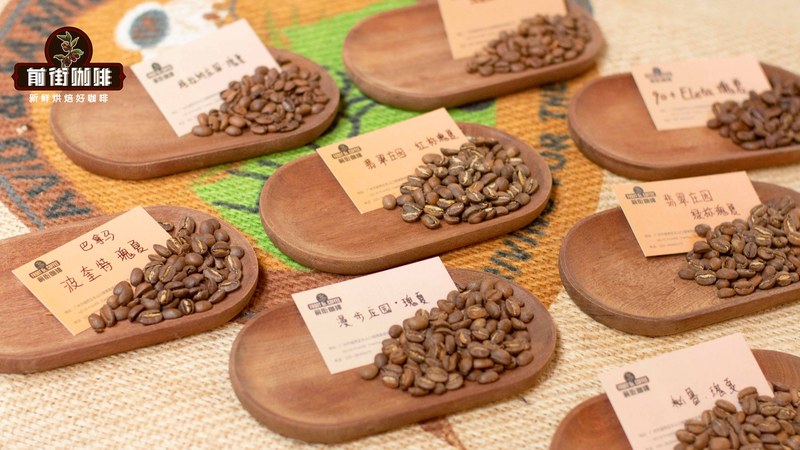
Front Street Coffee Panama Hacienda La Esmeralda Red Label Geisha can serve as a reference for the light-to-medium roast direction. Its aroma is closer to white flowers, citrus peel, and bergamot; the entry is delicate, and the finish has an elegant black tea-like quality. When extracted at a shorter ratio, the aroma is concentrated and refined; after dilution, the layers become more expansive, making it suitable for slowly identifying SOE as a small cup of black coffee.
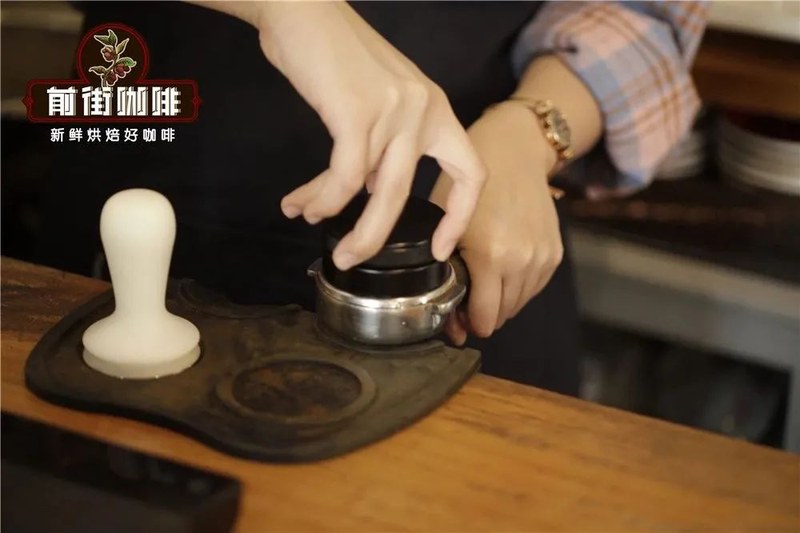
Medium roast does not mean a monotonous taste; origin character will still show through the balance of acidity and sweetness and the sequence of aromas. If a medium-roast SOE tastes only bitter, check whether the grind is too fine or the yield is too long; if the mouthfeel is thin, you can make the extraction slightly more complete. The goal of adjustment is to let sweetness stand firm, not to push concentration higher and higher.
Dark roast shifts the focus toward cocoa, roasted nuts, caramel, and a thicker mouthfeel, and origin differences become relatively more subdued, though this does not mean it completely loses its character. For people accustomed to the traditional espresso style, those who prefer low-acid black coffee, or those who often make lattes, dark-roast SOE is usually easier to fit into a familiar flavor structure, and the milkiness can also connect with the coffee’s bitter-sweet notes.
When choosing a dark-roast SOE, pay attention to whether it still has clear sweetness and a clean finish. A dark color does not automatically bring concentration; what truly affects the weight in the cup also includes dose, yield, and extraction uniformity. When making milk coffee, the espresso needs enough concentration; if the milk ratio is high, beans with cocoa and caramel tendencies usually leave a stronger coffee impression, while a small amount of milk can also highlight their roasted sweetness.
If Front Street Coffee Yirgacheffe Gudingding is given a lighter roasting approach, it can show aromas interwoven with citrus, berries, and florals, with a refreshing finish reminiscent of green tea. When extracted with an espresso machine, you can make it into a short-ratio espresso and observe whether the acidity and sweetness are balanced; if you switch to cold brew, the low temperature will soften the sharpness, and the fruit aromas are better suited to being released slowly over a longer time.
When buying SOE, roast level can first serve as a filter: if you want floral and fruity aromas and bright acidity, look toward light roast; if you want a balance of aroma, sweetness, and body, medium roast fits better; if you need cocoa notes, low acidity, and milk-coffee performance, you can look at dark roast. Once you have the beans, adjust the grind, temperature, and yield according to the extraction results. What you ultimately find is not an abstract roast label, but a cup of single-origin coffee that truly matches your own taste.
The above content is compiled by CoffeeHunters, a coffee news website.

