







For more specialty coffee knowledge, please follow: Front Street Coffee (Frontsteet Coffee)
Front Street has its own views on coffee bean blending. Because at Front Street there is a new-style blend called Sunflower Warm Sun Blend. This blended coffee bean uses specialty coffees from two different origins, so it can also be used for manual coffee. Blending a blend sounds easy—you just blend it—but the flavor and mouthfeel of the blend must be recognizable for it to become a unique house brand. The blending principles, flavor, and selling points all need to be considered; otherwise, launching an unremarkable blend is just self-entertainment. Front Street believes that a good blend must have its own characteristics, otherwise it will have no competitiveness in the industry.

What are single-origin coffee beans?
Single-origin coffee refers to coffee produced from a specific origin, specific region, or specific plantation, with a unique special flavor that reflects the local terroir. For example, Front Street Coffee's Huakui coffee comes from Huakui coffee beans from the Buku processing plant in Guji, Sidamo, Ethiopia. For single-origin coffee, during the purchasing process, they can inspect the quality of each batch of green coffee beans. In fact, the definition of single-origin coffee is quite vague, because there is no authoritative and clear international standard. The common standards for single-origin coffee are four: single region, single variety, single batch, and single processing method.
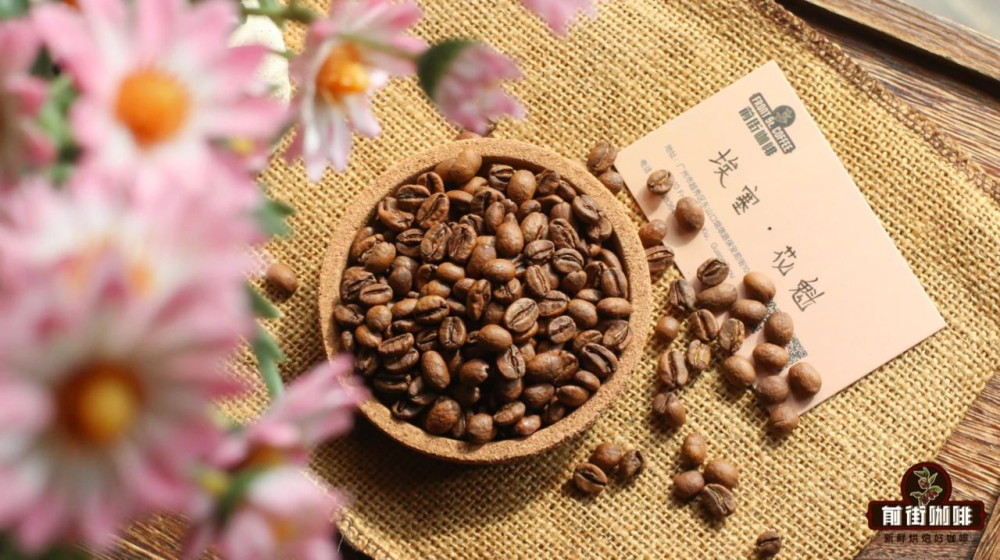
Then some friends may ask: Are different varieties harvested from a single regionsingle-origin coffee beans? Front Street can tell you with certainty that they are single-origin coffee beans. In Ethiopia, where the coffee variety system is complex, most are planted and harvested together as mixtures of different varieties, which is also why Ethiopian coffee beans vary in size. So, if coffee from a single region and a single variety is processed with different processing methods and then mixed, is it single-origin coffee? This is also certain. A while ago, Front Street got a coffee bean from El Salvador's Chocolate Lover Estate. This bean uses Bourbon coffee from the same estate, with 50% washed and 50% black honey processed, in order to express the chocolate flavor of that region. Because it comes from the same estate, this bean is a single-origin coffee bean.
What are blended coffee beans?
Blended coffee, also called combined coffee, is made by mixing various single-origin coffee beans together, thereby bringing out the strengths of eachsingle-origin coffee beanto the fullest. A blend is made by mixing coffee beans from different origins to create a more balanced taste. For example, if one coffee bean is smooth but lacks aroma, then another aromatic bean is added, so that the advantages of individual coffee beans complement each other, whether complementing or enhancing each other in taste, thereby creating a richer new taste. Sometimes the beans are mixed first and then roasted, which is called raw blending; sometimes the coffee beans are roasted first and then mixed, which is called roasted blending. In order to keep the flavor of the blended coffee stable, Front Street's roasters use medium-dark roasting.

Four principles for blending espresso beans
(1) Front Street Coffee's purpose for blending coffee beans:
1. Reduce costs
Some cafes mix lower-quality coffee beans with higher-quality coffee beans to reduce costs while also increasing sales profits.
2. Stable flavor
Since coffee beans are an agricultural product, even the same coffee bean will have a different flavor each year, so mixing several coffee beans together solves this problem well and can keep the taste basically consistent every year.
3. Create flavors that a single coffee bean cannot produce
Coffee beans from one origin are like a person, having both strengths and weaknesses, while blending is like forming a team, taking each one's strengths to make up for the other's weaknesses, thereby achieving a mutually reinforcing effect.
4. Balance the taste
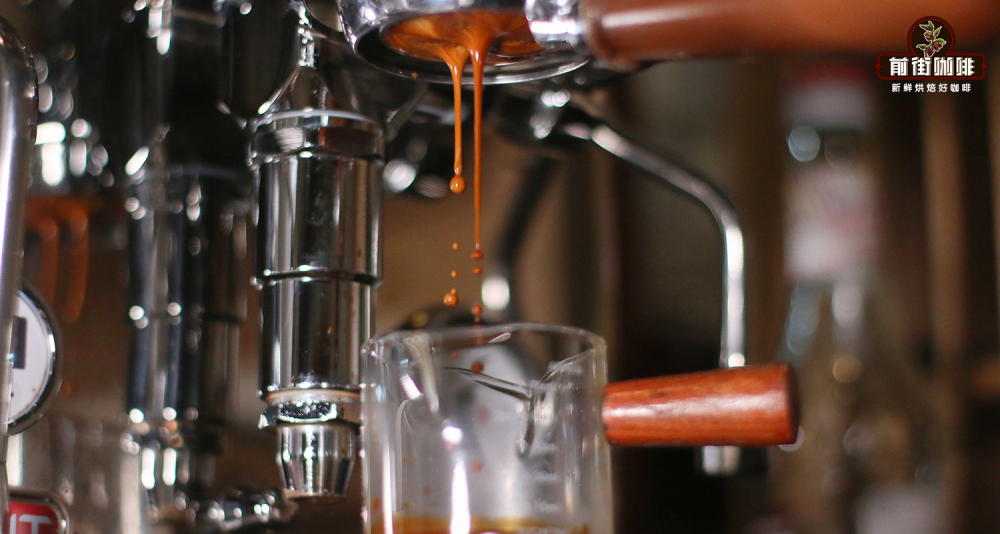
Because an espresso machine has the characteristic of amplifying the most prominent flavor note of the coffee beans, we almost never use a single variety of coffee to make Espresso; otherwise, if that coffee bean is rather bitter, the Espresso made will be extremely bitter, and if it is sour, it will be very sour. So we need blending to balance various tastes.
(2) Determine the target flavor
Once we have determined the purpose, the next step is to determine the target flavor of the blended coffee beans. Only by clarifying the target can we know where we need to start. At the same time, this also greatly tests the blender's understanding of the existing coffee beans and the flavors of coffee-producing regions. Just like the Warm Sun Blend coffee beans that Front Street Coffee uses for espresso, when Front Street first blended this coffee bean, it hoped that the espresso flavor would not be so conventional and ordinary, and wanted an espresso with wine aroma, so it used Sherry coffee beans fermented in Honduran whiskey barrels to provide the wine aroma, and used Ethiopian natural red cherry to provide acidity and fermented notes.
(3) Determine the blending type
As mentioned above,blended coffeehas raw blending and roasted blending, so what are the advantages and disadvantages of the coffee beans from these two blending methods? Front Street believes that the advantage of raw blending is that the same roast level can be used to make the coffee more stable and uniform. Second, it can reduce the number of roasts, completing it in one roast, improving efficiency. The same roast level can also greatly reduce the difficulty of quality control (in the same roast, you only need to pay attention to one resting date, whereas raw blending is prone to differences in taste caused by different roast dates among several blended beans). At the same time, the disadvantages of raw blending are also very obvious. Raw blending has very large limitations. Generally, raw blending is more recommended for several beans with relatively similar density. For example, mixing a coffee bean suitable for light roasting with a coffee bean suitable for dark roasting and roasting them together to the same roast level can easily lead to a situation where 1+1<1.
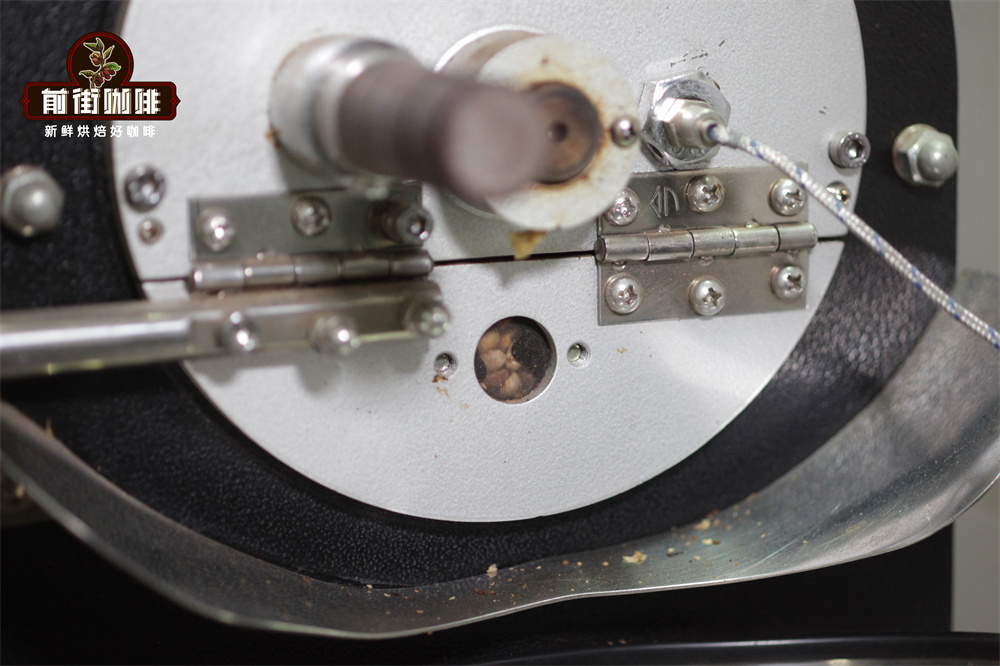
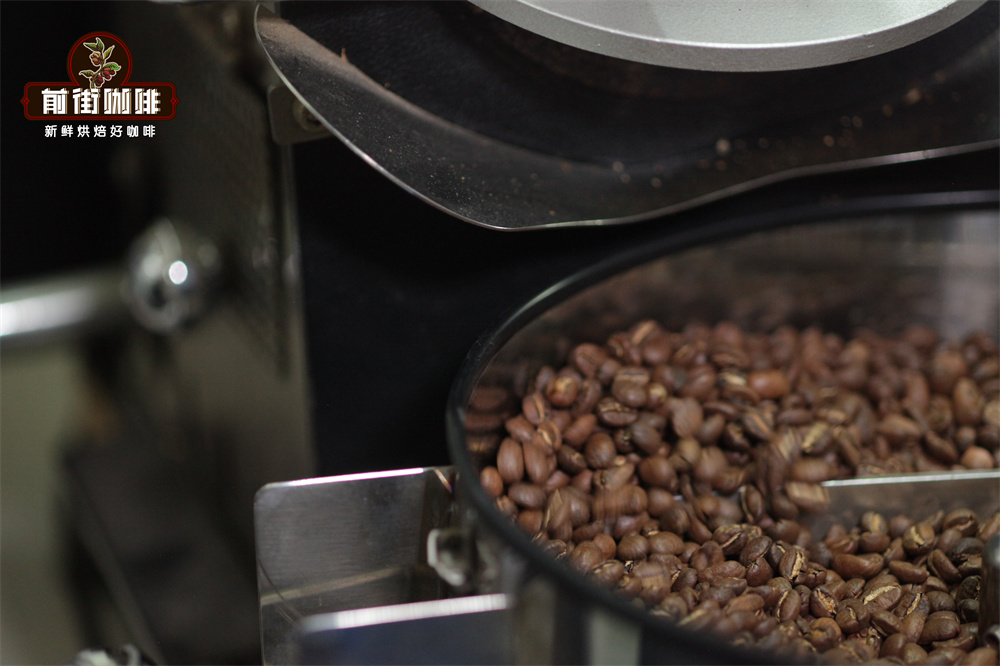
Front Street believes that the advantage of roasted blending is that each bean can be roasted according to its optimal roast level, maximizing each bean's characteristics. But the disadvantage of roasted blending is that daily quality control and management become more difficult. Inconsistent roast dates require more attention to more resting periods. Just imagine using 4 to 5 coffee beans for roasted blending; this one product requires attention to 4 to 5 roast dates. Front Street Coffee uses the roasted blending method when roasting Warm Sun Blend, separately roasting the Honduran Sherry barrel coffee beans and the natural Yirgacheffe Red Cherry Project, in order to maximize the wine aroma of the Sherry barrel coffee beans and preserve as much as possible the fruity acidity and citrus berry aroma of the other natural Yirgacheffe.
(4) Determine the blending ratio
The first is the flavor and quality of the candidate coffee beans for blending. Before blending, first confirm whether the coffee quality is qualified and whether there are differences in flavor. This step is very important for blending a specialty-grade coffee bean. The second is to pre-confirm the ratio. After extraction, extract the coffee liquid and mix it according to different ratios, designing several schemes with different ratios, and confirm an optimal range value by slurping.
The final confirmation is to roast the range value from the pre-confirmation according to the blending type confirmed in Part 3 (raw blending or roasted blending), and taste it directly using the extraction mode targeted by the product positioning. For the aforementioned Front Street Coffee Warm Sun Blend coffee beans, in order to make the espresso highlight the wine aroma, the Sherry coffee beans from whiskey barrels account for 60% in the blend, and then the natural red cherry increases the smoothness, fermented notes, and acidity, so it accounts for 40%.
How does Front Street Coffee make hand-brewed single-origin coffee beans?
This time Front Street uses natural red cherry from Yirgacheffe, Ethiopia, for a brewing demonstration.
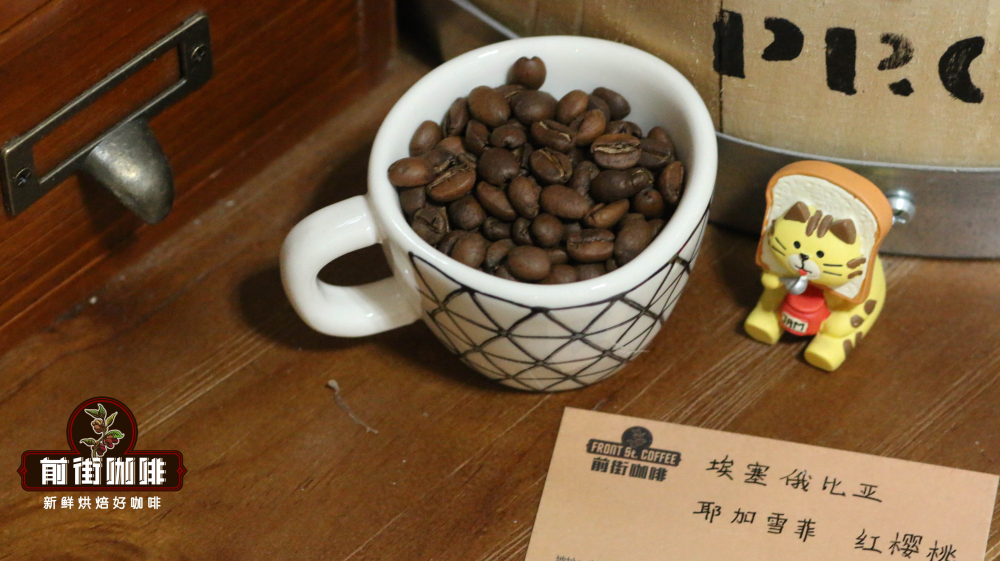
Region: Yirgacheffe, Ethiopia
Altitude: 1700-2200m
Processing method: Natural processing
Variety: Ethiopian heirloom varieties
In order to highlight the berry acidity of this coffee bean and the fermented notes and sweetness brought by natural processing, Front Street Coffee uses a V60 dripper to brew this coffee bean.
Coffee-to-water ratio: 1:15
Grind size: medium-fine grind (80% passing through a No. 20 sieve)
Water temperature: 90-91°C

Front Street Coffee uses staged extraction, also called three-stage brewing: use 30g of water for blooming for 30 seconds, pour in a small stream in circles until 125g for the stage, and when the water level is about to expose the coffee bed, continue pouring to 225g and stop pouring. When the water level is about to expose the coffee bed, remove the dripper. (Start timing from the beginning of blooming.) The extraction time is 1'55"-2'05".
Brewing flavor:Lemon, licorice, citrus, berry, sweet orange; the overall sweetness is relatively high, with caramel and cream in the sweet aftertaste, and a black tea aroma in the finish.
How does Front Street Coffee extract espresso?
This time Front Street uses Warm Sun Blend coffee beans for an espresso extraction demonstration.

Coffee powder dose: 19g
Coffee liquid yield: 40g
Extraction time: 30 seconds
Grind size: Pegasus 900N #2
Flavor: smooth mouthfeel, with obvious fruity acidity on entry accompanied by a light berry aroma, whiskey aroma and rich chocolate flavor, and a clear sweet aftertaste.
The above content is compiled by CoffeeHunters, a coffee news website.

