







Search Results for: internet memes
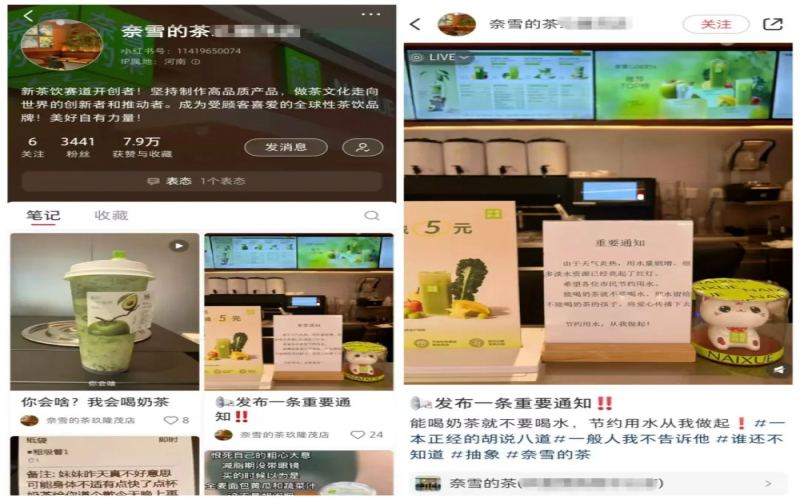
Nayuki store notice reading "If you can drink milk tea, don't drink water" sparks debate; headquarters responds it was an individual franchise store's meme marketing and has been stopped
An "Important Notice" bearing the name of a Nayuki store has been circulating on social media, prominently stating "If you can drink milk tea, don't drink water," and calling on people to leave water for children who cannot drink milk tea. The store claimed this was imitating an internet meme, meant only as a joke, but with the black-and-white A4 paper sitting on the counter, many consumers felt it had gone beyond a joke and could easily mislead the public. As the topic trended on social media, Nayuki's headquarters responded that it was the action of an individual franchise store and had ordered the removal of the related content. Why do meme-based marketing campaigns frequently backfire? And where exactly lies the management boundary between brands and franchise stores? [more…]
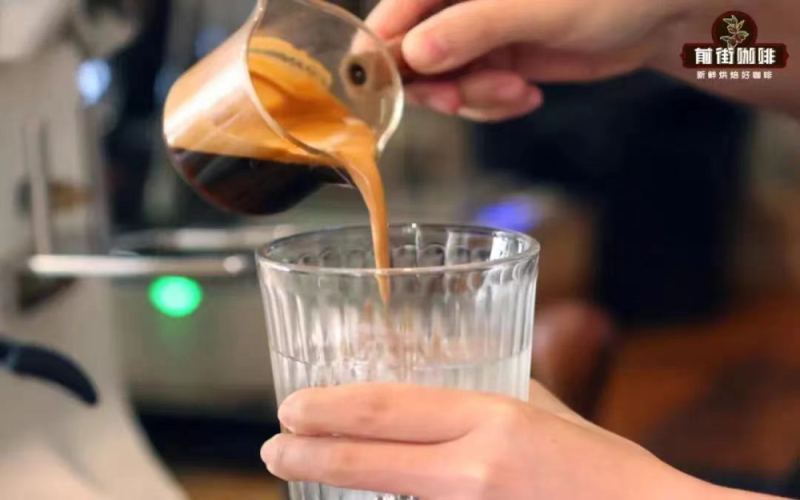
Is the sour and bitter flavor of iced Americano normal? How can it be made tastier? What is the meaning behind the internet meme?
Recently, a meme about iced Americano has been trending on Douyin, inspiring many people to walk into cafés and try this drink. However, some have noticed that the iced Americano they get has a sour taste, which is quite different from the rich, bitter flavor they remember from Starbucks. In fact, a citrus or berry-like acidity in iced Americano is perfectly normal, as long as it isn't a rancid or harshly astringent sourness. Different cafés use different espresso beans: light-roasted single-origin beans have a more pronounced acidity, while dark-roasted blends lean toward a solid, bitter finish. This article will analyze the sources of acidity and bitterness in iced Americano from the perspectives of roast level and origin blending, introduce Front Street Coffee's approach to crafting it, and finally discuss the life philosophy behind this drink. [more…]
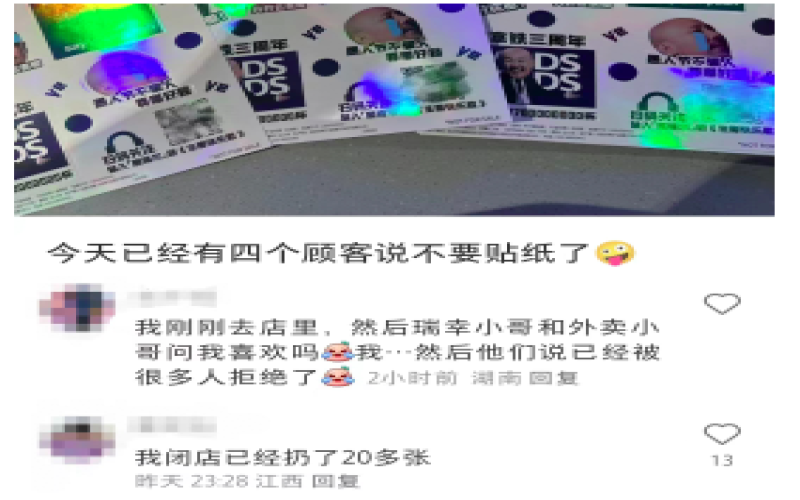
Tengger co-branded stickers returned by customers: Why are Luckin's meme merchandise met with mixed reactions?
Luckin Coffee's recent collaboration with singer Tengger has officially launched, with "Coconut Joy Song," a birthday tribute to the Coconut Latte, playing on loop in stores, and the accompanying Tengger real-person meme stickers sparking a buying frenzy among fans. However, these stickers encountered an unexpected awkwardness in offline stores—many customers took their coffee and left the stickers in the pickup area, with one store accumulating as many as 20 unclaimed stickers in a single day. While fans are frantically ordering just to get the stickers, some consumers bluntly say they're "too cringe" or "don't know where to put them." Why has this collaboration merch received such polarizing reviews? This article will walk you through the whole story and discuss the gains and losses behind Luckin's collaboration strategy. [more…]
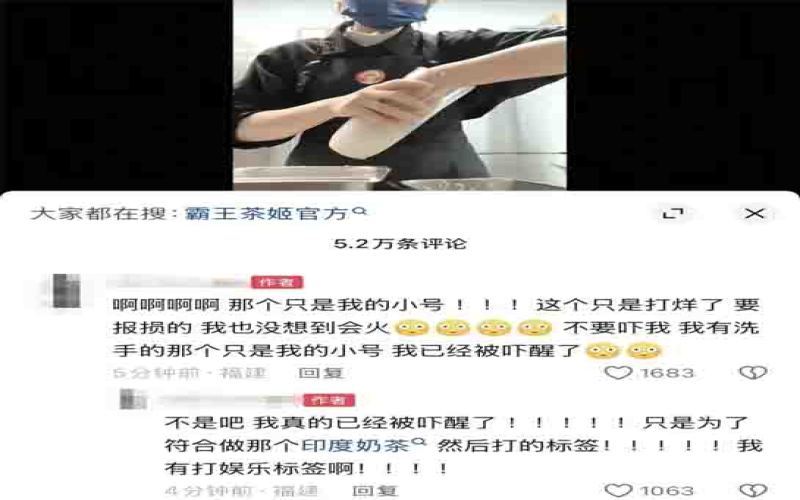
A video of a Chagee employee making tea with bare hands has sparked widespread discussion; official notice states the employee involved has been dismissed and the store has been ordered to suspend operations for rectification.
Recently, a video of a Chagee employee handling tea drinks with bare hands spread rapidly online, sparking widespread public concern about food safety issues at chain tea beverage brands. In the video, the employee, without wearing gloves, directly grabbed ice cubes and lemons and reached into a shaker cup to pound and stir the drink, prompting netizens to exclaim they were "disgusted." Although the poster explained that the footage was filmed after closing hours using damaged inventory to mimic the "Indian milk tea" meme, public opinion did not subside. Subsequently, netizens discovered that employees of several other brands, including Luckin Coffee, Yidian Dian, and Goodme, had also posted similar meme videos. Chagee officially issued an urgent investigation notice, imposing an indefinite suspension and rectification on the store involved, dismissing the employee involved, and demoting managerial personnel. This article will review the sequence of events and responses from all parties, and explore the boundary between food safety and entertainment-oriented marketing in the tea beverage industry. [more…]
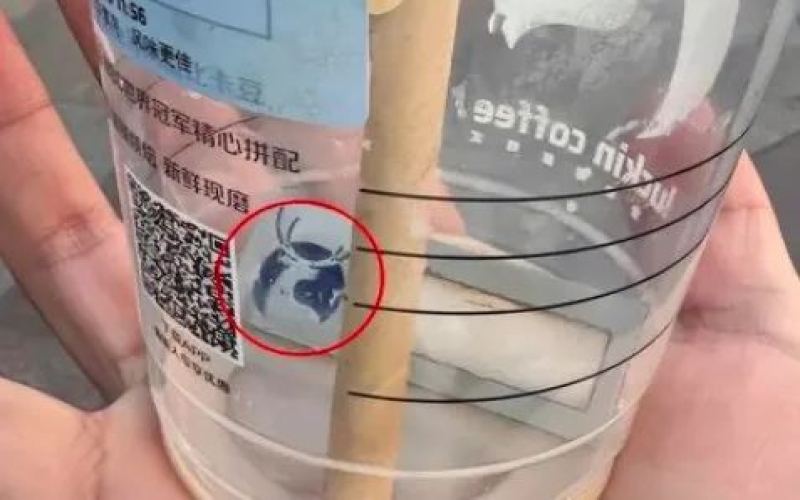
A Grand Showcase of Luckin Employees' New Badges: From Pinyin to Memes, Naming Freedom at Its Peak
Not long ago, the incident of an employee badge being found in a Luckin drink drew public attention to that little silver deer badge for the first time, and recently it has gone viral again—Luckin has required employees to replace their old badges and adopt English names or pinyin, along with unified font specifications, which the QC department will strictly inspect. Some people honestly use pinyin or proper English names, while others have turned their badges into a comedy show: the handmade group, the phonetic group, the weird word group, the undercover group, and the ultimate god-tier group all take turns stepping up. This article compiles these wildly creative badge names, showcasing the humorous daily lives of coffee workers while also reminding stores of the importance of compliant naming. At the end, Front Street Coffee-related recommendations are kept for coffee enthusiasts' reference. [more…]
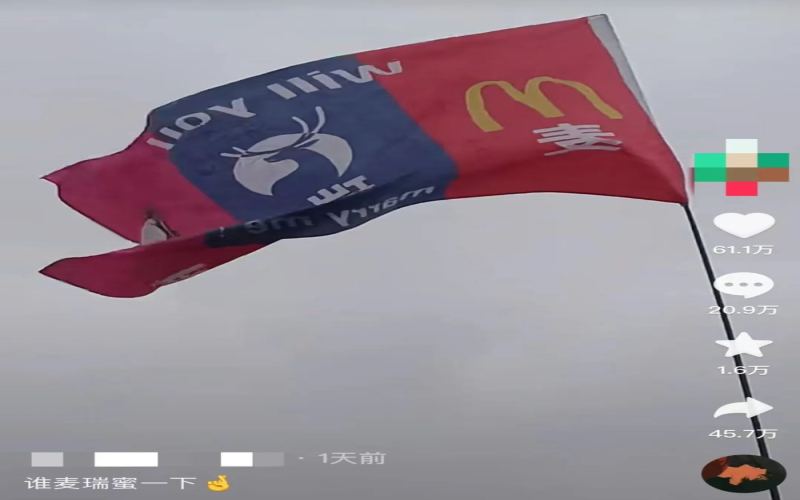
The new meme "Mai Rui Mi," combining McDonald's, Luckin, and Mixue Bingcheng, goes viral, sparking heated discussion about free marketing.
Recently, an amusing new meme has popped up online—by combining the names of three brands, McDonald's, Luckin Coffee, and Mixue Bingcheng, you get "Mai Rui Mi" (marry me). This pun quickly spread across social media, sparking plenty of discussion and remixes among netizens. For coffee and tea drink enthusiasts, such a combination is not only fun but also brings to mind how frequently these brands appear in daily consumption. So, how exactly did this meme take off? What kind of brand marketing phenomenon does it reflect? This article takes you behind the scenes, and don't forget to follow our daily specialty coffee culture content. [more…]
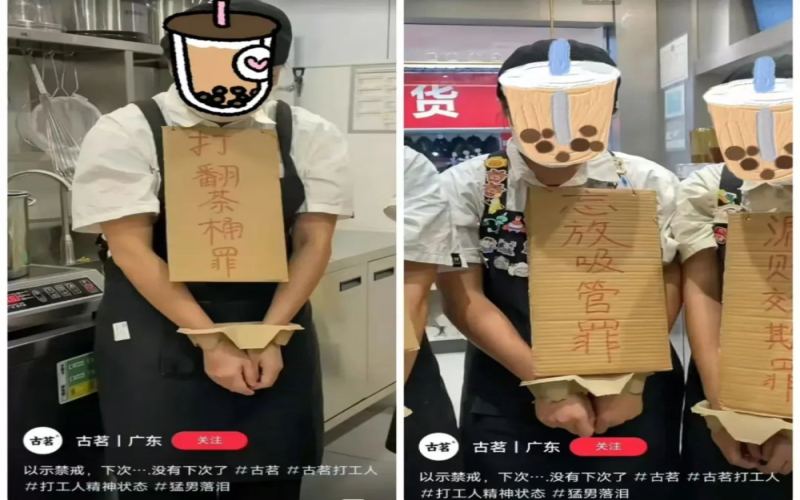
Guming employee's sign-making meme video sparks controversy, company apologizes and removes related content
During peak periods of exploding orders at tea beverage stores, staff inevitably make small mistakes such as forgetting to include straws, failing to affix expiration date labels, or knocking over tea containers, which are usually addressed with internal reminders or minor penalties. However, after employees at some Gu Ming stores filmed mocking videos featuring staff wearing placards around their necks, which were shared on social media, they sparked strong backlash from numerous netizens due to scenes involving employees having "crime" cardboard signs hung on their chests and their hands being cuffed with cup holders. The controversy centers on whether this form of imitation public shaming respects workers and whether it was appropriate for the official account to participate in posting it. Gu Ming subsequently responded that the video borrowed from a popular platform meme, has taken down the related content and apologized, and also distributed a thousand free drink vouchers. [more…]
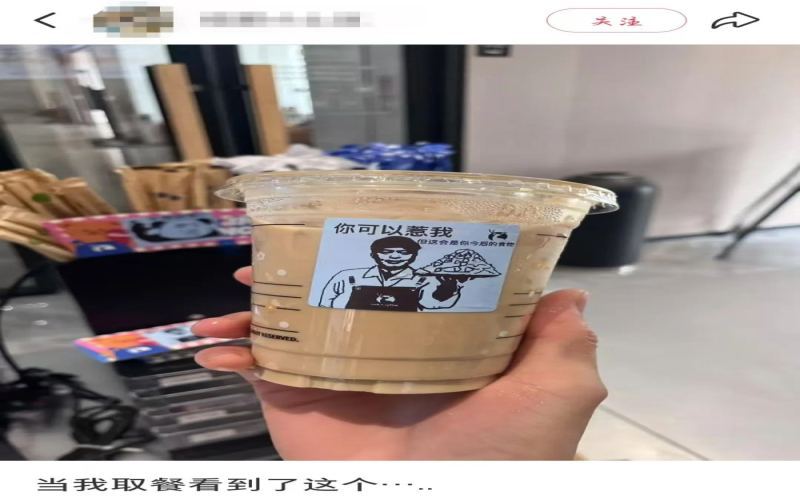
Luckin staff DIY meme labels go viral online, company urgently calls a halt: devices are only for printing order pickup codes
Recently, employees at some Luckin Coffee stores, while debugging new label printing devices, unexpectedly discovered that the machines could connect to mobile phones to print photo album images. They then began printing funny memes and custom designs on takeout cups and aprons, drawing attention and enthusiasm from netizens. However, the good times did not last long. Management quickly issued a ban, requiring the label machines to be used only for printing order codes and expiration date strips, and asked employees to delete related social media posts. This "abstract label" uproar sparked by a cup of coffee not only reveals the potential of personalized service but also reflects the tension between standardized brand management and employee creativity. Front Street Coffee breaks down the whole story for you. [more…]
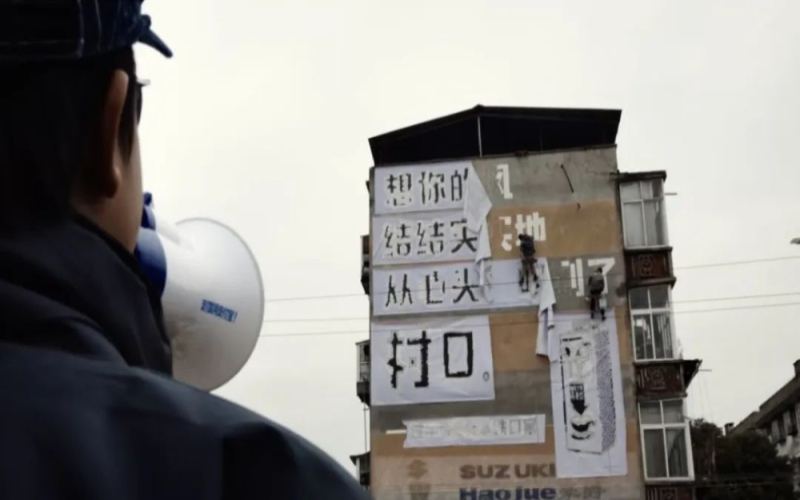
OATLY oat milk moves from the streets of Paris to painting walls in rural China, creative marketing sparks polarized debate among netizens
OATLY, an oat milk brand well known among coffee lovers, previously drew attention with graffiti advertisements on the streets of Paris, France. Recently, the brand shifted its marketing focus to rural China, launching a Spring Festival advertising short film themed "painting walls at the village entrance," spray-painting internet memes and warm copy urging people to go home onto red brick and earthen walls. This move sparked sharply divided reactions among netizens: some were deeply touched, believing it was more heartfelt than big city screens; others questioned the ad's limited reach, its weak connection to the product, and the difficulty of its pricing appealing to the target audience. This article reviews the creative highlights and points of controversy in this marketing campaign, and explores its market effects. [more…]
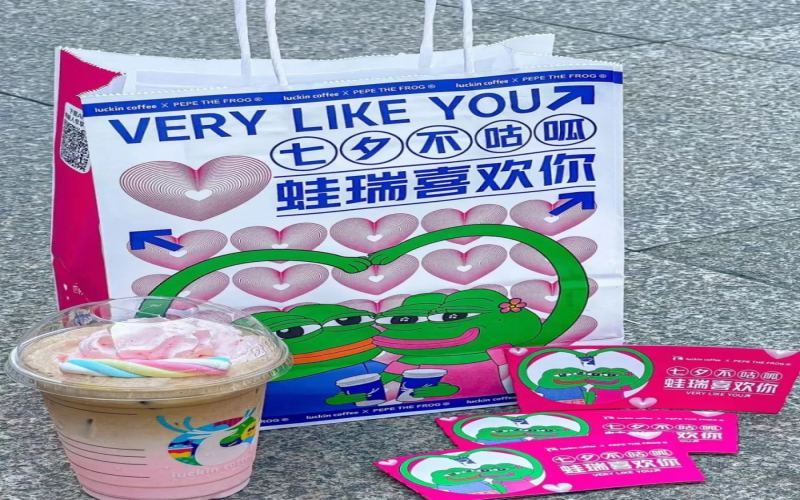
Luckin Coffee Plays Reverse Marketing for Valentine's Day: How the Line Puppy Collaboration and Thorny Rose Latte Win Over Young Singles
Valentine's Day has always been a prime battlefield for brands' sweet marketing campaigns, but Luckin Coffee has taken a different path, turning Valentine's Day into something that feels more like "Singles' Day." From last year's Qixi collaboration with the Lonely Frog to this year's partnership with the Line Puppy to launch the Thorned Rose Latte and Lovesick Red Bean Latte, Luckin continues to engage young people with self-deprecating humor. This article will take a deep dive into the product logic behind this reverse marketing wave, the cultural memes it draws from, and why it precisely hits the psychological needs of single consumers aged 20-35. At the same time, you are also welcome to follow the Coffee Workshop official account and the Front Street Coffee WeChat ID qjcoffeex to get more professional coffee knowledge and specialty bean information. [more…]
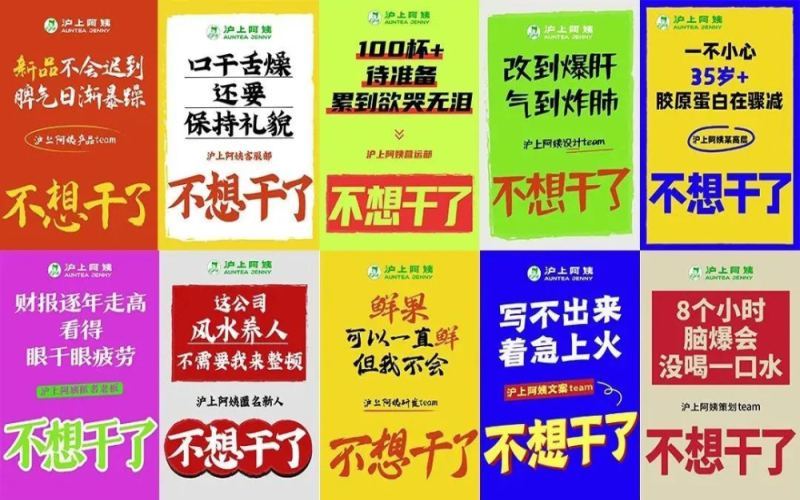
Shanghai Auntie's official Weibo posted ten consecutive "I don't want to do this anymore" posters, hiding a new fresh stewed pear series behind the suspense marketing.
Professional coffee knowledge exchange. For more coffee bean information, please follow Coffee Workshop (WeChat official account: cafe_style) For more specialty coffee beans, please add the private WeChat of Front Street Coffee (FrontStreet Coffee), WeChat ID: qjcoffeex Hushang Auntie, a fresh fruit tea brand with 5,000 stores, recently posted ten consecutive "I don't want to work anymore" themed posters on its official Weibo. From frontline employees to management, from operations to design to customer service planning, various departments expressed their "throwing in the towel" sentiments, sparking heated discussion among netizens. Was this wave of operations a collective slacking off, or was there something else behind it? On November 11, the mystery was revealed—it turned out to be hype for the new product "Freshly Stewed Pear Series." This article will take you through the whole story of this suspense marketing campaign and explore how tea beverage brands can leverage young people's popular memes to get closer to consumers. [more…]
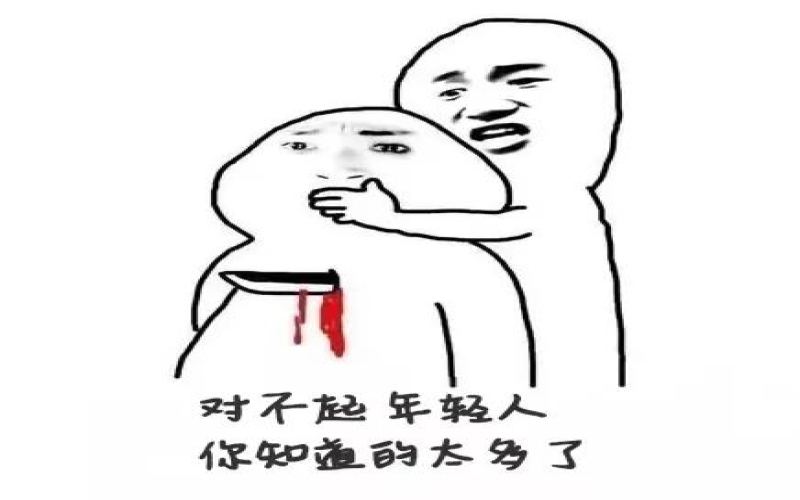
Takeout notes reveal baristas know too many secrets, sparking heated discussion online
Ordering takeout has become a daily routine, but have you ever thought that the most shocking thing might be the notes written on those orders? Recently, a note on a coffee shop takeout order sparked heated discussion on social media, and its bizarre content made both the barista and the delivery rider "people in the know." Netizens have been sharing similar notes they have seen, with all kinds of variations, making it hard to tell what is real and what is not. Is it just meme culture or reality? The secrets this generation of baristas holds seem to be beyond imagination. This article will take you behind the scenes of these outrageous notes, while also retaining Front Street brand recommendations and product information for coffee lovers to read. [more…]
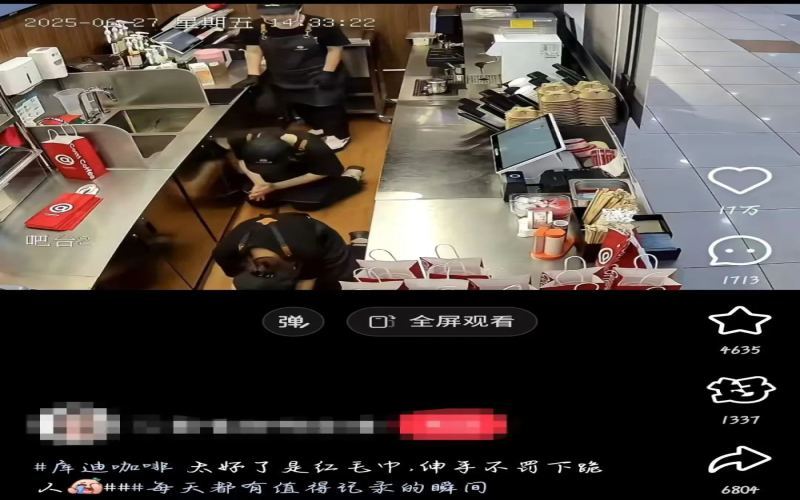
A red towel leads to kneeling and apology? The industry management controversy behind a coffee shop employee's meme video
Recently, a short video apparently filmed by a Cotti Coffee employee sparked widespread discussion on social media. In the video, a store clerk has a red-trimmed towel snatched away by a colleague, after which several employees kneel facing the surveillance camera with hands clasped in a pleading gesture. This seemingly absurd scene struck a chord with many food-service workers—it turns out that towels of different colors correspond to different usage scenarios, and using the wrong one counts as a violation that can lead to fines or even dismissal. The incident reflects both chain brands' strict control over food safety and has triggered public debate over employee dignity and management practices. [more…]

Luckin Coffee Collaborates with Loopy to Launch Jasmine Light Milk Tea, Sparking Debate Over Its Flavor Similar to Chagee
Luckin Coffee has been making frequent moves recently, inviting Tan Jianci to endorse its instant products while launching an offline collaboration with the cartoon character Loopy. This collaboration introduced the new "Light Jasmine" light milk tea, along with multiple themed cups and merchandise, triggering a buying frenzy among fans. However, many consumers pointed out that the flavor of the new product is highly similar to Chagee's signature product, "Boyazhuxian," and the topic of "flavor clash" quickly fermented on social media. This article sorts out the details of the collaboration event, product differences, and market reactions, and includes recommendations from Front Street Coffee for coffee enthusiasts' reference. [more…]
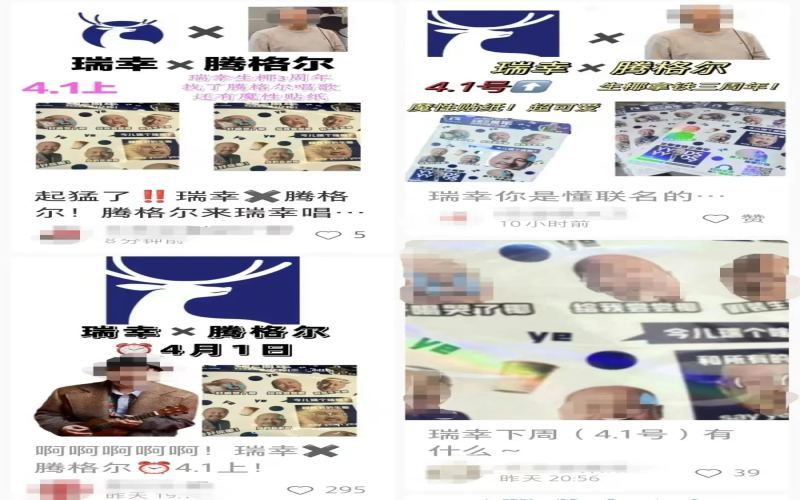
Luckin Coconut Latte's third anniversary collaboration with Tengger: why the meme sticker pack sparked polarized reviews
Luckin Coffee's Raw Coconut Latte is celebrating its third anniversary on the market, and the brand has planned a unique co-branding campaign, partnering unexpectedly with the singer Tengger. Rumors have it that the two will release a custom birthday song and limited-edition emoji stickers, which immediately sparked heated discussions among netizens. Some find the pairing too unexpected, exclaiming, "This can be co-branded too?" Others expressed anticipation, saying they would definitely buy once it's available. However, after actual photos of the real-person emoji stickers were exposed, many fans said they found them hard to accept, considering the sticker style too bizarre, and some even planned to refuse the free gifts when placing orders. Whether this collaboration will continue Luckin's streak of viral hits or fall flat remains to be seen. [more…]
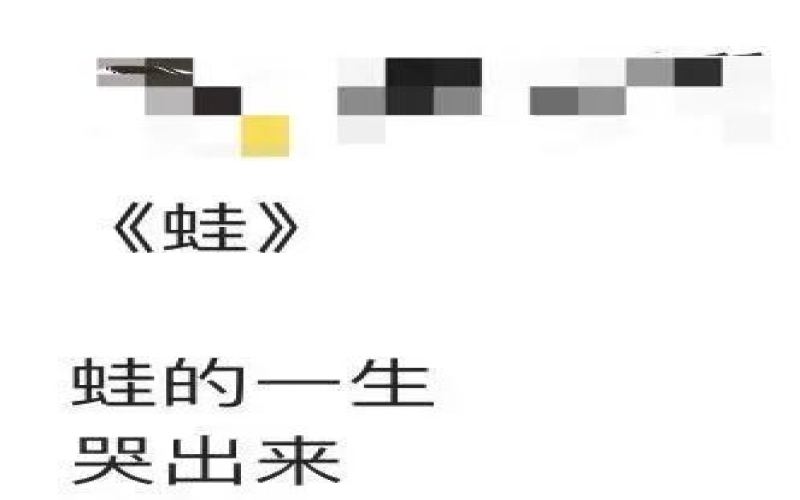
How Can Puns Become a Powerful Brand Marketing Tool? An In-Depth Analysis from Heytea's "Duck Fragrance" to Starbucks' Surname Meme
In today's consumer market, homophonic puns are no longer dismissed as a cheap word game; instead, they have become the traffic code for major brands' advertising copy. From Heytea renaming Duck Shit Aroma to Duck Joy Aroma, to Starbucks playing with surname homophones and English double entendres, behind these clever one-character twists lies a deeper logic of strengthening brand memory and closing the distance with consumers. This article deeply dissects these breakout cases, exploring why homophonic puns can dominate the punchlines of all age groups, while reminding brands that playing with puns must be done in moderation, to avoid backfiring due to vulgarity or cheap cleverness. [more…]
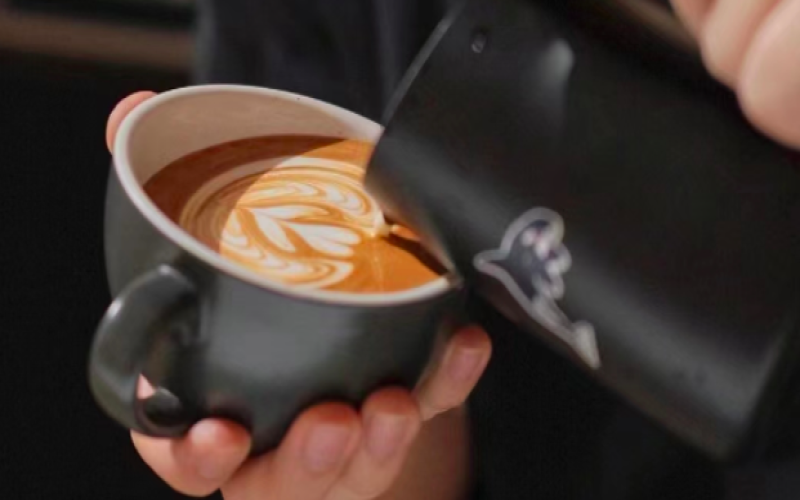
Latte Art Fails: Can You Really Serve These Bizarre Designs to Customers?
Creating latte art for customers at the bar is a daily routine for many baristas. When regulars ask for more creative patterns, some baristas begin to boldly experiment, only to create bizarre works that are both amusing and absurd. From memorial flower coupons to Cantonese insects, from Plants vs. Zombies to broken hearts, these patterns, though unique, make one wonder: can they really be served at the table? Latte art should enhance a good cup of coffee, but overly obscure creations may only be suitable for personal memes. This article will show you those latte art fails that make people both love and fear them, while preserving Front Street Coffee's professional recommendations for coffee culture. [more…]
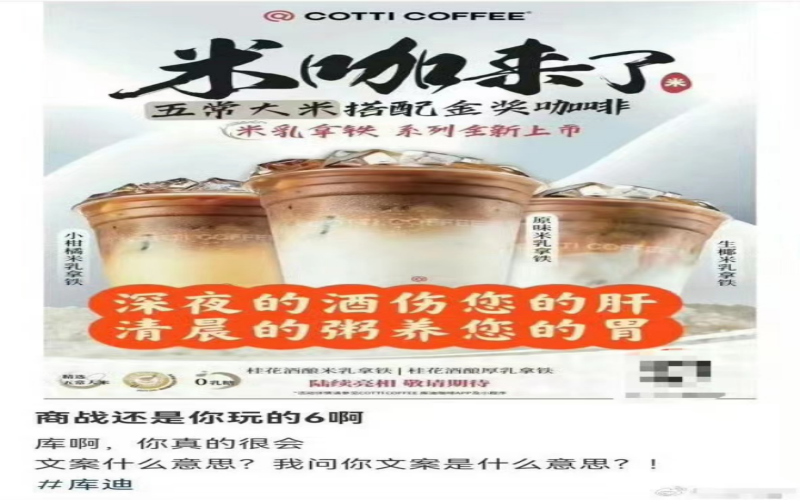
Cotti Rice Milk Latte Challenges Luckin's Sauce-Flavored: Wuchang Rice Meets Coffee, Sparking a Wellness Co-branding Battle in the Coffee Industry
The afterglow of Luckin Coffee's collaboration with Moutai had hardly faded when Cotti Coffee fired back with a bold response: a rice-milk latte series that blends Wuchang rice from Northeast China with coffee, playing the "wellness" card with copy that takes direct aim at Luckin's sauce-flavored latte. This collaboration not only poked fun at its competitor but also positioned itself squarely against the liquor-coffee trend. Netizens kept spinning memes, from cilantro coffee to stinky tofu lattes, with ever more bizarre flavors emerging, yet Cotti seized the initiative through reverse thinking. The trend of coffee drinks becoming more like milk tea—or even congee—is growing ever more obvious, and the battle for attention among brands has reached a fever pitch. This article will walk you through the ins and outs of this commercial war and explore where the coffee world's next breakout hit might be headed. [more…]
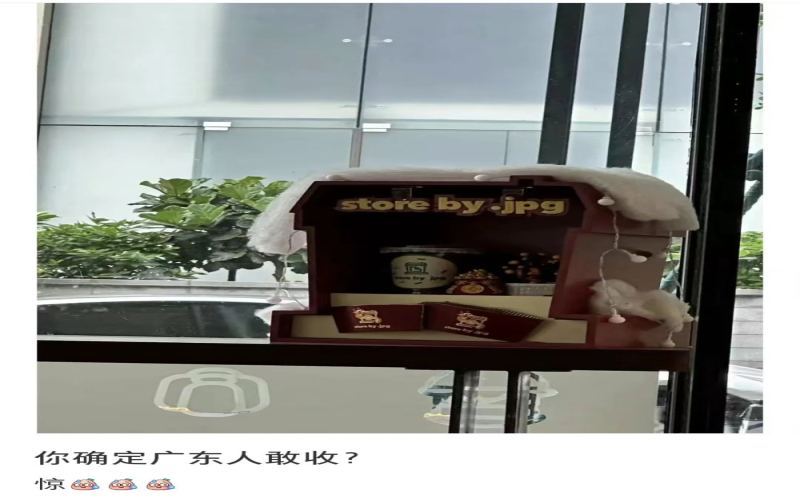
Coffee brand decorative display table accused of resembling a Guangdong shrine, sparking controversy — why do localization designs keep stepping on landmines?
Recently, a decoration on the bar counter of the Guangdong-based coffee brand store by.jpg has sparked widespread discussion. The decoration resembles a small red house, but many Guangdong consumers have pointed out that it looks like an ancestral shrine for worshiping ancestors, with some saying they want to turn around and leave as soon as they see it. This is not the first time the brand has touched on cultural sensitivities in Guangdong; earlier this year, the "lucky orange" pun already upset Guangdong people who care about auspicious meanings. Why do local brands repeatedly step on regional cultural landmines? Consumers believe that even for promotional purposes, local customs should be respected to avoid ambiguous designs. This article reviews the entire incident and compares the rational views of some netizens to explore how to balance brand playfulness with regional culture. [more…]
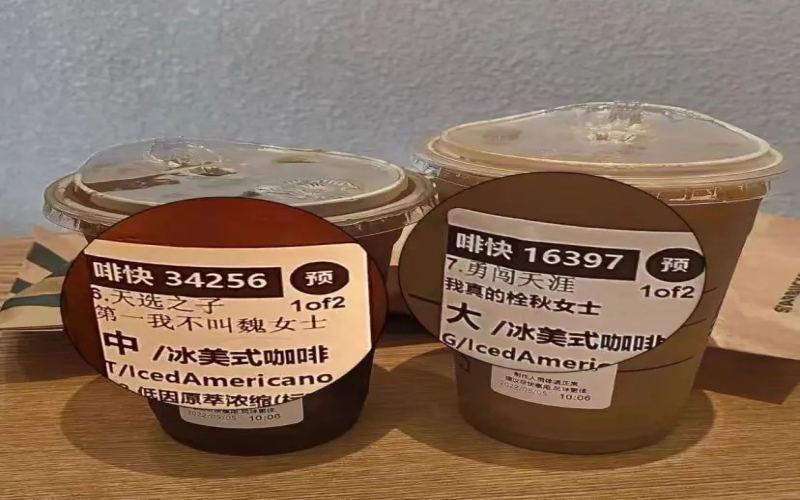
Why has the Starbucks pun gone viral online? The Cantonese version creatively plays with surname marketing
After Starbucks launched its Quick Order customization service last year, netizens began playing with homophonic puns in the name field, and surname puns quickly went viral, trending on Weibo. Over half a year later, this trend reached new heights in Guangdong thanks to Cantonese homophones, with all kinds of quirky yet down-to-earth names leaving people in stitches. This article takes you through the origins and explosive popularity of Starbucks homophone memes, showing how friends in Cantonese-speaking regions turned ordering into a hilarious creative contest, while exploring why these puns strike such a strong chord. [more…]