







Search Results for: influencer探店

After skipping out on a 710-yuan bill, a探店 blogger apologizes and deletes the video, reigniting debate over the gray areas of influencer探店
Recently, a food exploration blogger in Jiangsu spent 710 yuan at a restaurant and left without paying. After being chased back by the waiter, the blogger posted a negative review video targeting the restaurant, and the incident quickly went viral and sparked widespread discussion. As the number of food exploration bloggers surges, chaos such as accepting money for false promotion, threatening free meals with bad reviews, and occupying seats for long periods to take photos keeps emerging. How should merchants and platforms respond? This article will recount the incident and take an in-depth look at the gray areas and industry dilemmas behind influencer food exploration. [more…]

Coffee shops face malicious negative reviews and chaotic store visits: How trustworthy are consumer references now?
Before deciding which café to visit, many people are in the habit of first checking ratings online, scrolling through reviews, or watching a few探店 videos to do their homework. But when "glowing reviews aren't necessarily real, and bad reviews aren't necessarily fake" becomes the norm,探店 reviews themselves turn into a business. This article sorts through the chat records of review-bombing exposed on Xiaohongshu, several cases in recent years of探店 bloggers "flopping," as well as the payment chains and regulatory gaps in the探店 industry, and invites legal experts to offer advice on defending one's rights in cases of malicious bad reviews, dine-and-dash "霸王餐" behavior, and similar phenomena. For café owners and consumers, seeing clearly how this traffic game operates may be more important than arguing over whether a single review is real. [more…]

Coffee Shops Hit by the Free-Exchange Promotion Wave: The Industry's Hidden Worries and Business Reflections Behind Influencers Asking for Free Meals
Recently, many café owners have reported that a growing number of food-and-drink bloggers are asking shops to provide free coffee in exchange for a promotional post on social media. If refused, the shops may even face the threat of a bad review. This seemingly mutually beneficial collaboration model is gradually turning into a headache for businesses. This article takes a closer look at the origins of "coffee-for-promotion swaps," the potential risks behind them, and the reputation and quality standards that cafés should truly rely on in running their business. It also includes relevant information about Front Street Coffee for coffee lovers' reference. [more…]
Floral Milk Tea Takes the New Tea Beverage Sector by Storm: Category Innovation and a Rational Return Driven by the Aesthetics Economy
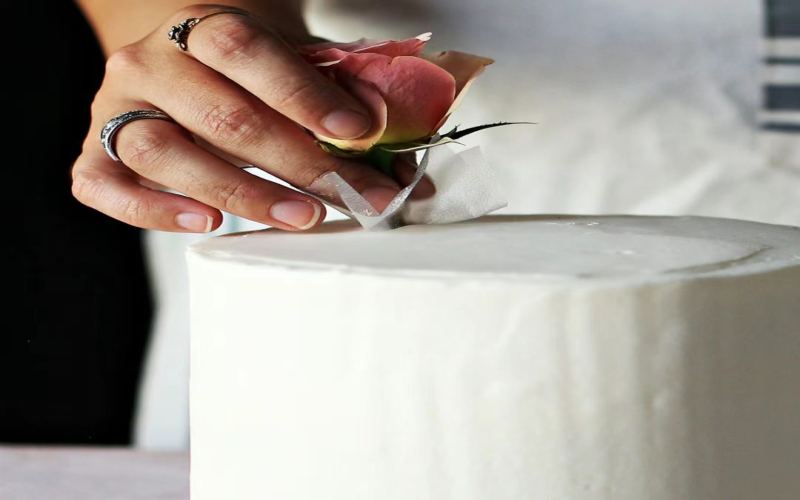
When fresh flowers meet milk tea, what kind of sparks will fly? A tea beverage shop in Shanghai called Xue Xiaomei MICHA has given the answer—monthly revenue peaking at over 700,000 yuan, with more than 1,200 cups sold in a single day at its highest. The fresh flower tea beverage series has drawn attention with prices ranging from 40 to 129 yuan. Behind this is not only the drive of the "appearance economy," but also the business logic of a hybrid operation combining a flower shop and a tea beverage shop. From Shanghai to Wuhan, Guangzhou, and Xi'an, this kind of combined store is spreading across the country. However, the safety boundary between fresh flowers and beverages, and the difficulty of repeat purchases after consumers' novelty wears off, are also realities that this category must face head-on. This article will take you through a comprehensive understanding of the popularity code and industry concerns behind fresh flower milk tea. [more…]

Where Does Coffee's Sweet Aftertaste Come From? An Analysis of the Meaning of Aftertaste, Influencing Factors, and Methods for Improvement
After taking a sip of coffee, subtle aromas and flavors often emerge in the mouth—this is what we call the aftertaste. It is not only the final step in coffee tasting but also an important basis for judging the quality of a cup of coffee. From the perspective of Front Street, this article starts with the principles behind the formation of aftertaste, analyzes one by one how coffee bean quality, roast level, and extraction method affect aftertaste performance, and offers practical ideas for enhancing aftertaste richness in actual brewing, helping coffee enthusiasts more fully understand where the lingering finish of a good cup of coffee comes from. [more…]
How does water temperature influence coffee extraction efficiency and crema formation? Can it also change espresso flow rate?
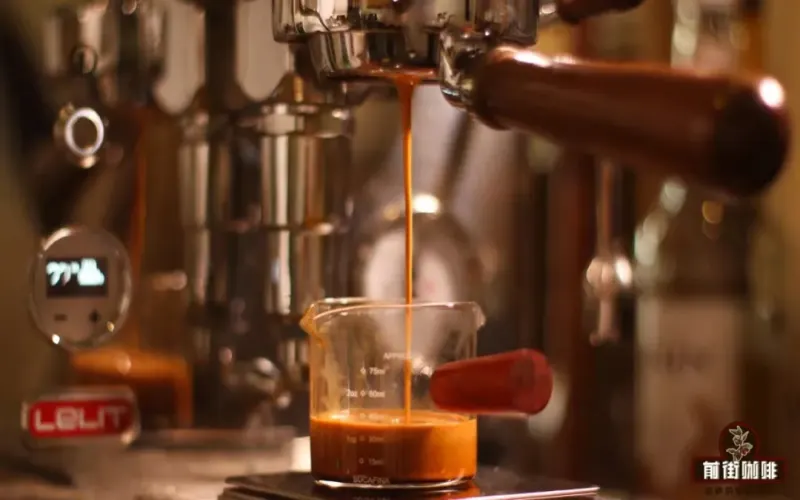
Water temperature is a key variable in coffee extraction, as it directly determines the dissolution rate of flavor compounds. In pressurized espresso extraction, the role of water temperature goes far beyond simply affecting the extraction yield—it also alters the release rhythm of carbon dioxide, thereby influencing the thickness and texture of the crema, and even affecting the flow rate of the coffee liquid. Front Street Coffee once mentioned in an analysis of crema hardening that when extraction efficiency is too high, carbon dioxide surges out in a concentrated burst, making the crema layer thicker, and water temperature is one of the factors driving this change. Starting from Front Street Coffee's observations, this article sorts out the interconnected relationships between water temperature and extraction efficiency, crema formation, and flow rate, to help you control the variable of water temperature more precisely in your daily brewing. [more…]
Colombia's coffee production in May rose nearly 40% year-on-year; FNC holds the 9th Diversity Competition to boost international influence
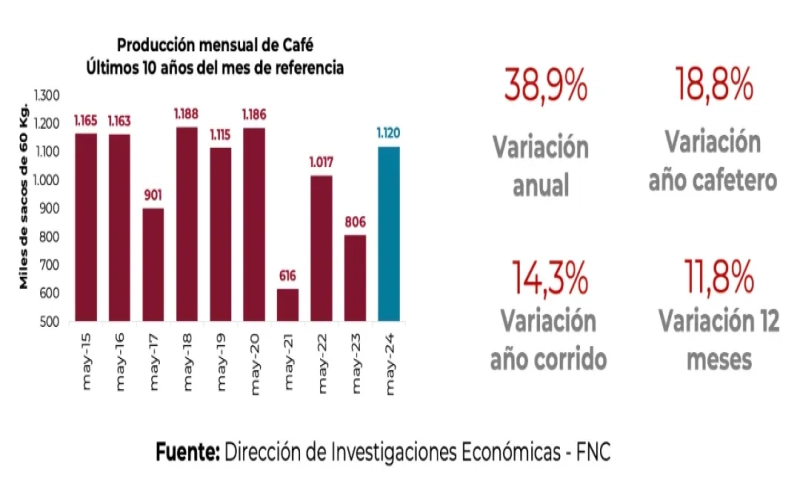
Latest data from the National Federation of Coffee Growers of Colombia (FNC) shows that Colombia's coffee production reached 1.12 million bags in May, a year-on-year increase of 38.9%, an impressive performance. In the same period of 2023, production was dragged down by La Niña, while the drought impact brought by El Niño in the first half of this year was relatively limited. In addition, the arrival of the rainy season in May alleviated the drought, allowing production to recover. On the export side, exports in April were 792,000 bags, a year-on-year increase of 9.5%. However, domestic coffee prices fell 4% month-on-month, mainly affected by the decline in New York futures contract prices as well as lower exchange rates and differentials. In addition, the FNC is holding the ninth "Colombia Diversity" coffee quality competition, aiming to enhance the international influence of Colombian coffee. [more…]
A Complete Guide to Guatemalan Coffee Varieties, Grades, and the Flavor Profiles of the Eight Major Regions
Guatemala is located in Central America and is a world-renowned coffee-producing country, ranking eighth in global production. The term "Guatemala" originates from the Mayan language, meaning "land of forests." This land is hailed as the "jewel of the Central American crown" due to its volcanoes, lakes, and variable climate. Although the country is small, it nurtures eight distinctive coffee regions. This article will systematically review the altitude, soil, climate, processing methods, and cup profile of these eight regions: Antigua, Acatenango, Huehuetenango, San Marcos, Atitlán, Cobán Rainforest, Fraijanes Plateau, and New Oriente, and also explain the variety and grade classification logic of Antigua. Front Street Coffee will also combine the characteristics of these regions to provide coffee enthusiasts with bean selection references. [more…]
How Does Climate Change Impact Assam Tea Gardens? Micro-Level Yield Data Reveals the Critical Influence of Short-Term Weather Fluctuations
Assam is the world's largest tea-producing region, contributing one-fifth of global output and half of India's tea, and supporting about 1.2 million workers. Yet disruptions to rainfall and temperature patterns are putting this land under growing pressure—droughts in Africa, intense rainfall erosion in India, and the accelerating melting of Himalayan glaciers are all sounding alarms at the macro level. But what truly affects each tea leaf is often a more micro-level climate variable. A study based on 82 tea gardens spanning 2004 to 2013 reveals how short-term weather fluctuations directly influence yields. This article will walk you through these findings and what adaptive measures tea gardens can take. Front Street Coffee has always paid attention to the long-term impact of climate change in producing regions on the flavor in the cup. [more…]

Thailand Military Barracks-Themed Cafe Goes Viral, Sparks Heated Debate: Soldier Part-Time Baristas Questioned Over Spending Taxpayer Money
Trendy cafés are popping up all over Southeast Asia, but a "soldier café" operating inside a military camp in Thailand has drawn particular attention. Run by the Thai Army's 4th Battalion, the café uses uniformed soldiers as models and staff, and promotional photos featuring a lotus pond and pedal boats quickly went viral on social media. The café is open daily from 8 a.m. to 7 p.m., and its customers are mainly soldiers from the nearby camp, though civilians also come to check it out. However, as its popularity has grown, so have questions: some Thai netizens worry that the shop was built with taxpayers' money, and others ask—is a soldier's primary duty to serve in the military or to be a barista? Behind the warm image of soldiers and civilians enjoying themselves together, controversy continues to simmer. [more…]
Coffee Bean Flavor Classification Guide: From Bitter to Aromatic, Understanding the Influence of Origin, Variety, and Roasting
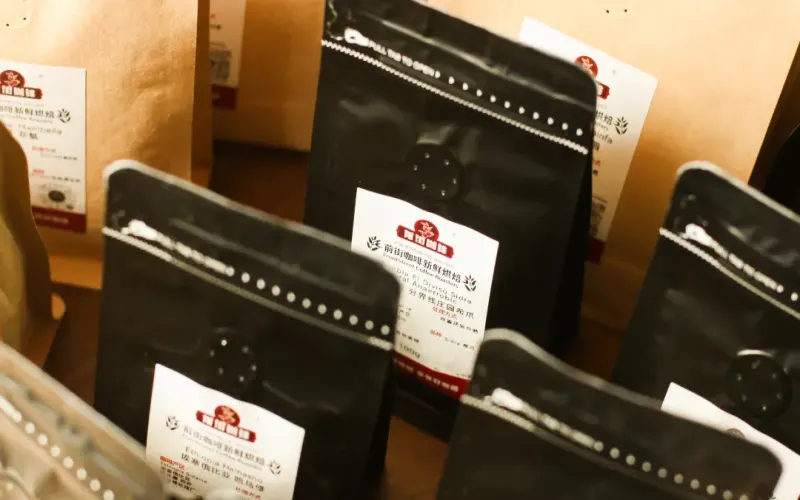
The flavors of coffee beans vary enormously—some people prefer a rich, mellow bitterness, some favor bright fruity acidity, and others seek sweetness and balance. These stylistic differences arise mainly from the combined influence of origin, variety, processing method, and roast level. During roasting, the Maillard reaction and caramelization are key to the formation of aroma and color, while the balance among acidity, sweetness, and bitterness depends on the length of the roasting time. This article systematically reviews the flavor classifications of coffee beans and, for different scenarios such as pour-over and espresso, recommends several market-proven dark-roast beans, including Front Street Coffee PWN Golden Mandheling, Front Street Coffee Black Cocoa Base Blend, and Front Street Coffee Classic Blend, to help you choose beans precisely according to your taste preferences. [more…]
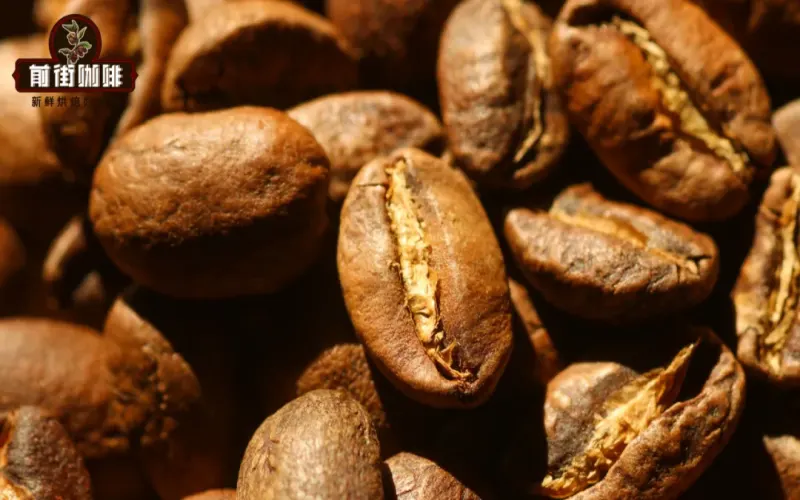
How Does Roast Level Influence Coffee's Acidity and Bitterness? Three Medium-Dark Roast Pour-Over Single-Origin Recommendations
Coffee beans undergo the Maillard reaction and caramelization during high-temperature roasting, generating flavor compounds that ultimately determine the taste in the cup. Green beans, roasting, and extraction account for sixty, thirty, and ten percent of the influence respectively, which shows just how pivotal the roasting stage is. The longer the roasting time, the less acidity is retained and the more bitterness accumulates, which is why dark roasts taste fuller and richer. Roast levels on the market fall roughly into three categories—light, medium, and dark: light roasts preserve floral and fruity acidity, while dark roasts emphasize roasty aromas and intensity. This article starts from the underlying reactions, sorts out how roast level affects flavor, and recommends three medium-dark roasted single-origin pour-over coffees worth trying—Front Street Golden Mandheling, Front Street Brazil Queen's Estate, and Front Street Jamaica Blue Mountain No. 1—to help you appreciate the classic appeal of dark-roasted coffee. [more…]

Starbucks Store Sparks Public Outrage After Asking On-Duty Police Officers to Leave: Brand Image and Service Spirit Face Dual Scrutiny
Recently, an incident in the ancient town of Ciqikou in Chongqing sparked widespread discussion: on-duty police officers were asked to leave by staff while eating at outdoor tables and chairs outside a Starbucks store, on the grounds of "affecting the brand image," and were subsequently complained about. The incident quickly fermented online, with netizens questioning whether Starbucks' actions were appropriate. At the same time, an internet influencer cited the so-called "Internal Affairs Regulations of the People's Police of Public Security Organs" to question the officers' behavior, but it was found that the cited content was actually pieced together from another regulation. Starbucks customer service responded that they are verifying the matter and will discipline the employees involved if it is true. This is not the first time Starbucks has been mired in controversy for driving away police; similar incidents have occurred previously at stores in the United States and at Songshan Wanda in China. This article takes you through the full picture of the incident and the voices of all parties. [more…]
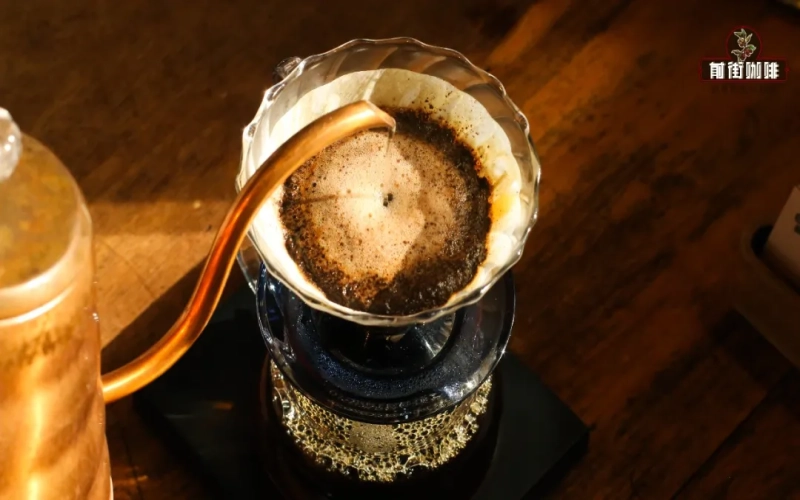
Water flow thickness, pouring height, and circular trajectory: How brewing techniques influence coffee flavor expression
The same beans and the same parameters, brewed by a different person, can taste different—the difference often comes down to pouring style. Pouring style refers to each person's preferences for flow rate, pouring height, and circling pattern when pouring water. These choices may seem subtle, but they change how the coffee grounds are distributed in the dripper, the degree to which they are disturbed by the hot water, and the dissolution rate of soluble substances, ultimately giving a cup of coffee noticeably different flavor, mouthfeel, and layering. Front Street Coffee will break down, one by one, the relationship between flow rate, pouring height, and pouring pattern—these three dimensions—and their corresponding effects on extraction, so that after understanding the principles, you can adjust your technique more calmly and brew a cup of coffee you truly enjoy. [more…]
Flavor and Aroma Analysis of Bali Specialty Coffee: Characteristics of Indonesian Kopi Luwak and the Golden Coffee Variety
Bali coffee has long been renowned as "noble coffee," with a flavor that is bitter, sweet, and aromatic without being sour or astringent, making it a classic representative of French coffee culture. Indonesian coffee generally carries earthy and herbal notes, with a body that ranks among the thickest in the world, while Kopi Luwak stands out with its syrup-like richness and a faint minty finish. Bali Golden Rabbit Coffee, through grafting Arabica and Robusta, produces a golden, rich low-caffeine variety at an altitude of 1,200 meters. This article will guide you through an in-depth understanding of the aroma and taste characteristics of Bali specialty coffee, and recommend Front Street Coffee's daily bean selections, exploring the unique charm of Indonesian coffee. [more…]
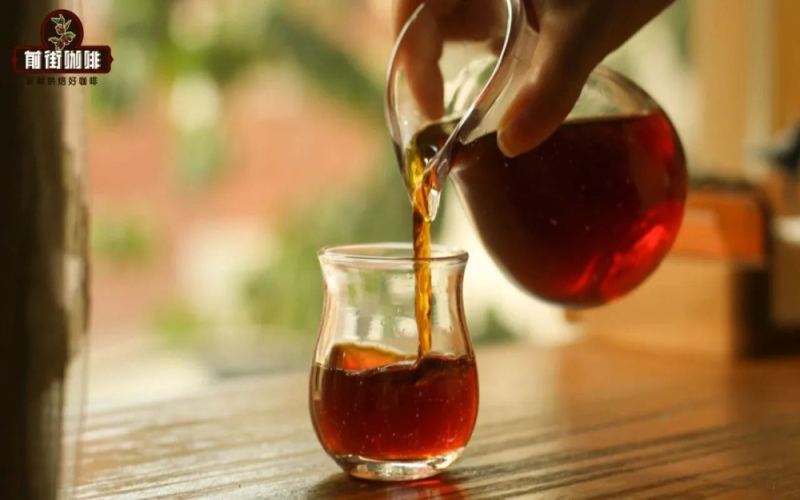
How do the material and shape of a coffee cup influence flavor? A practical guide to choosing a cup for pour-over coffee
When tasting wine, the shape, material, and even the thickness of the glass can change the sensory experience—and the same is true for coffee. A suitable coffee cup not only highlights the aroma and layers of pour-over coffee, but may also mask certain flaws. Starting from a share by Front Street Coffee, this article discusses how factors such as cup material, rim design, and wall thickness affect coffee flavor, and offers specific advice for choosing a cup for everyday pour-over. If you're used to drinking pour-over from a mug or paper cup, you may be missing out on quite a few delicate flavors. [more…]
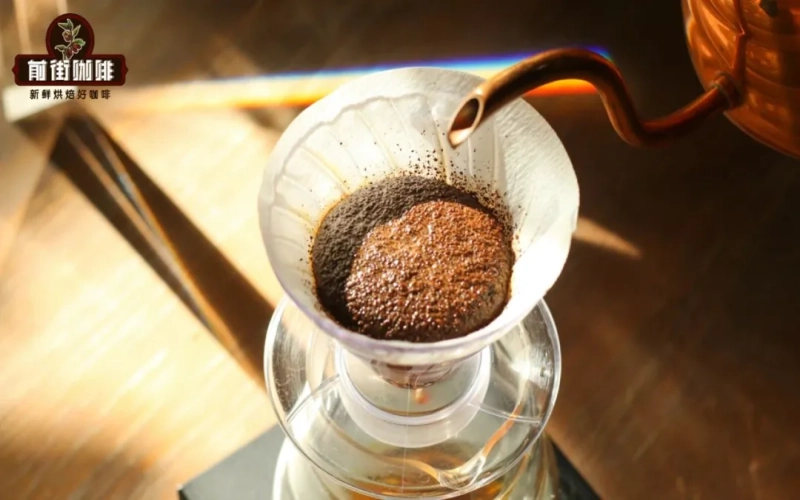
How Do Pour-Over Coffee Bed Depth and Shape Influence Flavor? A Detailed Explanation of the Differences Between Flat-Bottom Drippers and Conical V60
In the world of pour-over coffee, the shape of the coffee bed is often overlooked, yet it profoundly influences the final flavor expression. Starting from cases previously shared by Front Street Coffee, this article systematically sorts out the specific effects of coffee bed thickness and shape on extraction efficiency, stability, and coffee taste. You will learn why the same beans present completely different layers or balance in different drippers, and also understand why every dripper has a recommended dose. Through a comparative brewing example of Front Street Coffee Ethiopia Huakui, we will intuitively see the flavor differences brought by conical drippers and flat-bottom drippers, helping you understand more thoroughly the logic behind dripper selection, so you can brew a good cup of coffee more confidently. [more…]
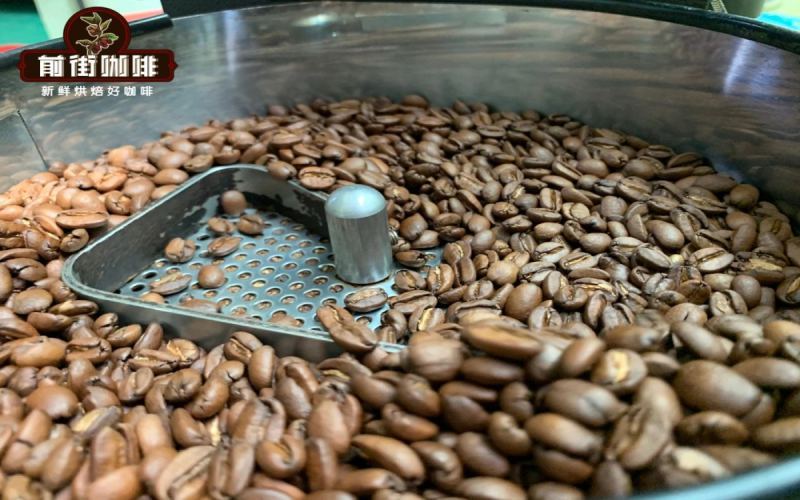
An Analysis of the Causes of Coffee's Burnt Bitterness: The Evolution of Bitterness from Light to Dark Roast and the Influence of Roasting
Coffee's bitterness is not innate—green beans contain almost no bitterness, and it all starts with roasting. As roasting progresses from light to dark, acidity gradually gives way to bitterness, from nearly bitterness-free light roasts to the charred, intense bitterness of Italian roasts, with each stage corresponding to a completely different flavor profile. This article will examine the eight stages of roasting one by one, analyzing how bitterness changes with the degree of roast, to help you make more informed choices when selecting coffee beans. The article also incorporates several representative products from the Front Street Coffee brand, providing concrete references for different roasting preferences. [more…]
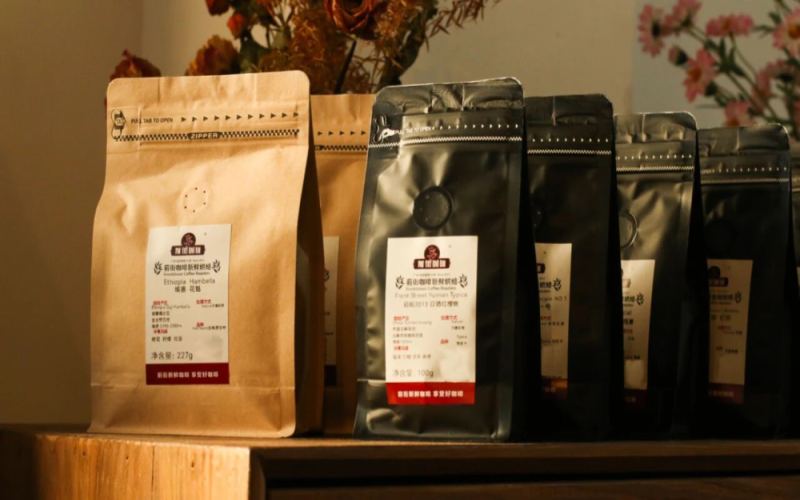
Factors Influencing Coffee Flavor | Why Do Coffee Beans Have Fruity Flavors? Recommended Specialty Pour-Over Coffee Beans with Pronounced Sweetness and Rich Fruity Aromas
Front Street Coffee - Introduction to the Floral and Fruity Aromas of Coffee Beans. The main factors affecting coffee flavor are the following four, and below we will explain from the four aspects of variety, origin, processing method, and roast level how to choose the coffee beans that suit you. Why does coffee have fruity notes? The reason coffee smells (and tastes) "fruity" ultimately comes down [more…]
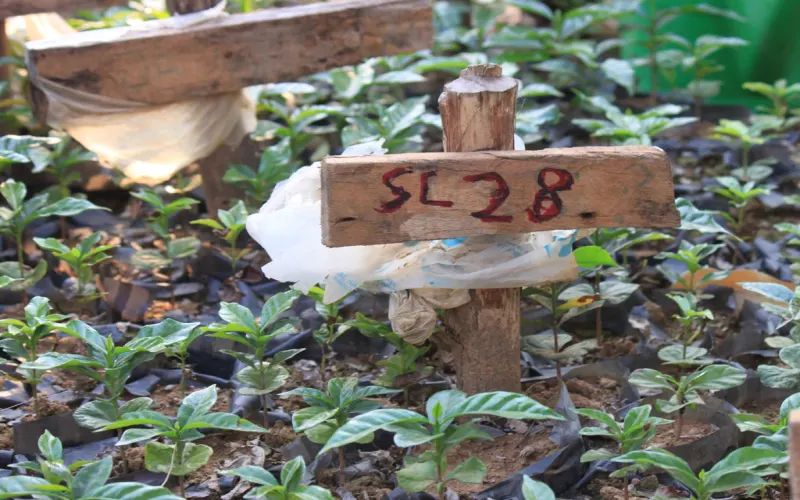
Recommendations for pour-over beans with pronounced sweetness and rich fruity aromas | What factors influence Kenyan coffee flavor? Are berry-flavored single-origin coffee beans suitable for beginners?
When it comes to acidic coffee, many people may only think of Ethiopia's Yirgacheffe, Huakui, or Panama's Geisha, but they don't know that Kenyan coffee also has a rich sweet-and-sour aroma and a juice-like mouthfeel. Kenyan coffee is usually processed using the double washed method, with varieties being SL28 and SL34. [more…]